


 English
 русский
 Español
 عربى
عربى 中文简体
中文简体

How Far Can Fiber Optic Cable Be Run? Distance Limits Explained
Content
Fiber optic cables can be run anywhere from 2 kilometers to over 100 kilometers without signal regeneration, depending on the cable type and application. Single-mode fiber (SMF) supports distances up to 40-100+ kilometers for standard applications, while multimode fiber (MMF) is typically limited to 300 meters to 2 kilometers. The actual distance depends on factors including fiber type, wavelength, network equipment, and signal quality requirements.
Single-Mode Fiber Distance Capabilities
Single-mode fiber is designed for long-distance transmission and represents the backbone of telecommunications networks worldwide. Its small core diameter (8-10 microns) allows light to travel in a single path, minimizing signal dispersion and enabling exceptional reach.
Standard Single-Mode Applications
For typical network deployments, single-mode fiber achieves the following distances:
- 1000BASE-LX (1 Gbps): Up to 10 kilometers with standard optics, extendable to 40 kilometers with enhanced modules
- 10GBASE-LR (10 Gbps): 10 kilometers standard range, with 10GBASE-ER reaching 40 kilometers
- 40GBASE-LR4 and 100GBASE-LR4: 10 kilometers for high-speed datacenter interconnects
- Long-reach variants (ER/ZR): 40-80 kilometers for metropolitan and regional networks
Extended Range Solutions
With specialized equipment, single-mode fiber can span even greater distances. Dense wavelength division multiplexing (DWDM) systems routinely transmit signals over 1,000 kilometers by using multiple wavelengths and optical amplifiers. Submarine cables connecting continents utilize single-mode fiber to span 10,000+ kilometers across ocean floors, with repeaters placed every 50-100 kilometers to regenerate the signal.
Multimode Fiber Distance Limitations
Multimode fiber features a larger core diameter (50 or 62.5 microns) that allows multiple light modes to propagate simultaneously. While this makes it easier to work with and less expensive for short distances, it creates modal dispersion that significantly limits transmission range.
| Fiber Type | Ethernet Standard | Maximum Distance |
|---|---|---|
| OM1 (62.5/125μm) | 1000BASE-SX | 275 meters |
| OM2 (50/125μm) | 1000BASE-SX | 550 meters |
| OM3 (50/125μm) | 10GBASE-SR | 300 meters |
| OM4 (50/125μm) | 10GBASE-SR | 400 meters |
| OM5 (50/125μm) | 100GBASE-SR4 | 150 meters |
The pattern is clear: as data rates increase, multimode distance capabilities decrease. For 40 and 100 Gbps applications, even the latest OM5 fiber is limited to 100-150 meters, making it suitable only for datacenter environments where equipment is located in close proximity.
Factors That Affect Transmission Distance
Optical Power Budget
The optical power budget represents the amount of signal loss a system can tolerate between transmitter and receiver. A typical transceiver might transmit at -3 dBm and require a minimum received power of -20 dBm, providing a power budget of 17 dB. Every connector, splice, and meter of cable consumes part of this budget through insertion loss and attenuation.
Wavelength Selection
Different wavelengths experience different attenuation rates in fiber. The most common wavelengths and their characteristics include:
- 850nm: Used in multimode fiber, attenuation of 2.5-3.5 dB/km, shortest reach
- 1310nm: Common for single-mode, attenuation of 0.35-0.5 dB/km, good for medium distances
- 1550nm: Preferred for long distances, attenuation of 0.2-0.25 dB/km, enables maximum reach
Cable Quality and Installation
Poor installation practices dramatically reduce effective distance. Microbends from tight bending radius, stress on connectors, and contamination on fiber end-faces can add 0.5-3 dB of loss per connection point. A cable rated for 10 km might only achieve 5 km if installed carelessly with numerous high-loss splices.
Dispersion Effects
Chromatic dispersion causes different wavelengths to travel at slightly different speeds, spreading pulses over long distances. In single-mode fiber at 1550nm, chromatic dispersion is approximately 17 ps/(nm·km). For a 10 Gbps signal over 80 km, this can cause significant pulse broadening, requiring dispersion compensation modules to maintain signal integrity.
Practical Application Scenarios
Campus Networks
University and corporate campuses typically deploy OM3 or OM4 multimode fiber for building-to-building connections under 300 meters, with costs around $0.50-2.00 per meter installed. For buildings separated by greater distances, single-mode fiber provides connectivity up to several kilometers at slightly higher material cost but significantly lower total cost of ownership due to reduced electronics requirements.
Metropolitan Networks
Metro Ethernet services commonly use single-mode fiber to connect business locations across cities. Distances of 20-40 kilometers are routine with standard optics, while 80 kilometers can be achieved with extended-reach transceivers. Service providers typically maintain fiber rings with multiple paths for redundancy.
Datacenter Interconnects
Modern datacenters require high-speed connectivity between facilities for disaster recovery and load balancing. 100 Gbps connections over 10-40 kilometers using single-mode fiber have become standard, with leading providers implementing 400 Gbps links for major interconnect points. These systems often use coherent optics technology to maximize capacity and reach.
Fiber to the Home (FTTH)
Residential fiber deployments typically use passive optical network (PON) architectures that split a single fiber to serve 32-64 homes over distances up to 20 kilometers from the central office. The latest XGS-PON and NG-PON2 standards support 10 Gbps symmetrical speeds while maintaining this range, providing sufficient capacity for decades of residential demand growth.
Extending Beyond Standard Distances
Optical Amplifiers
Erbium-doped fiber amplifiers (EDFAs) boost optical signals without converting to electrical form, enabling spans of 80-120 kilometers between amplification points. A typical EDFA provides 15-25 dB of gain, compensating for fiber attenuation and allowing signals to traverse multiple segments. Long-haul networks cascade multiple amplifiers to achieve transcontinental distances.
Regenerators and Repeaters
When signal quality degrades beyond what amplification can correct, electronic regenerators convert the optical signal to electrical, clean and retime it, then retransmit on a new optical carrier. Submarine cable systems place regenerators every 50-100 kilometers in sealed housings on the ocean floor, with design lifetimes of 25 years and no maintenance capability once deployed.
Forward Error Correction
Modern high-speed systems incorporate sophisticated forward error correction (FEC) that adds redundancy to the data stream, allowing the receiver to correct bit errors without retransmission. Hard-decision FEC can extend reach by 2-3 dB, while soft-decision FEC adds 10-11 dB of coding gain, potentially doubling the achievable distance for coherent transmission systems.
Choosing the Right Fiber for Your Distance Requirements
Selecting appropriate fiber optic cable requires balancing current needs against future requirements and budget constraints. For distances under 300 meters in datacenters, OM4 multimode fiber offers the best cost-performance ratio with readily available, inexpensive transceivers. The material cost savings versus single-mode are minimal, but optics can cost 50-70% less.
For any distance beyond 500 meters or requiring 10+ year service life, single-mode fiber is the superior choice. While transceivers cost more initially, single-mode provides unlimited upgrade potential. A fiber installed today for 1 Gbps can later support 100 Gbps or more simply by changing endpoint equipment, whereas multimode would require complete cable replacement.
Consider installing OS2 single-mode fiber with 12-24 strands even if current requirements are modest. The incremental cable cost is small compared to installation labor, and having spare fibers provides protection against damage and enables easy capacity expansion. In metropolitan and long-haul applications, single-mode is the only viable option, with the specific transceiver selection determining whether you achieve 10, 40, or 100+ kilometer reach.
Related Products
-
Optical Phase Conductor OPPC Cable
-
GYXTW Central Tube Armored Outdoor Optical Cable
-
Fiber Optic Patch Cables
-
OPGW Optical Fiber Composite Overhead Ground Wire
-
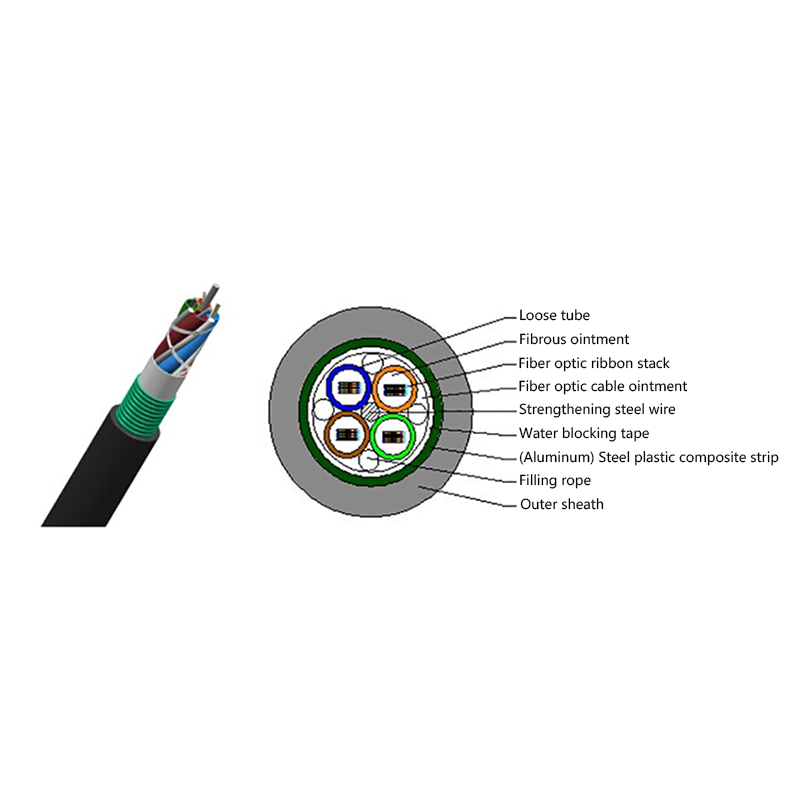
GYDTA(S) Layer Stranded Optical Fiber Ribbon Cable
-
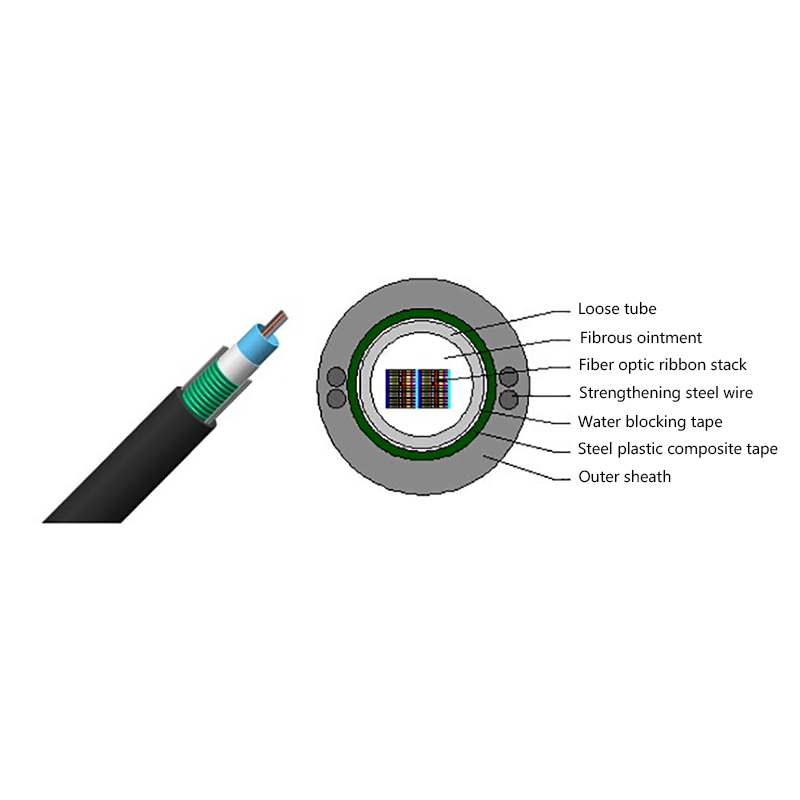
GYDXTW Center Tube Outdoor Optical Fiber Ribbon Cable
-
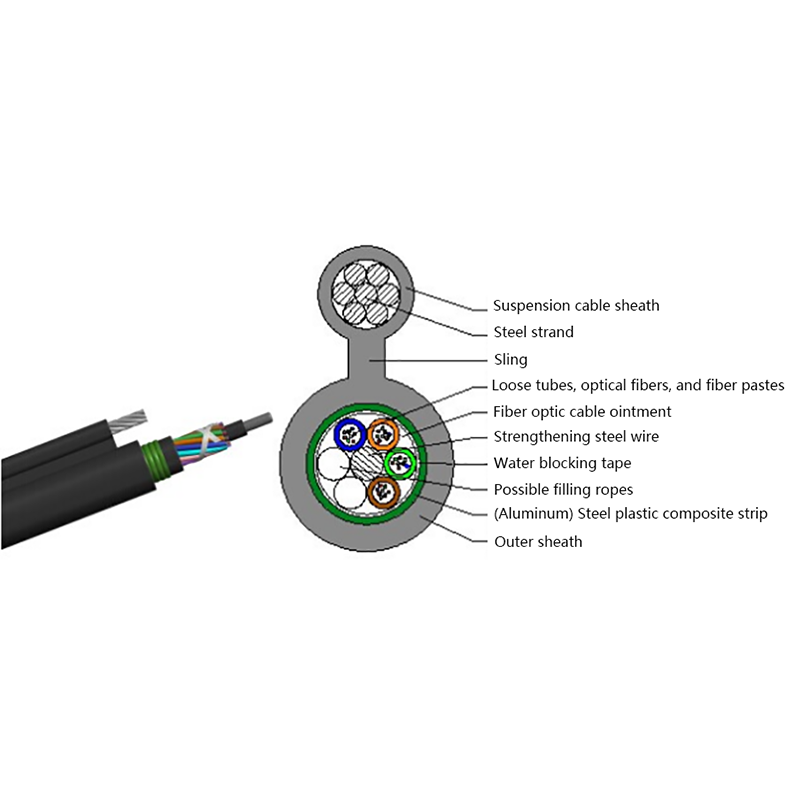
GYTC8A (S) Outdoor layer Stranded 8-shaped Self-Supporting Optical Cable
-
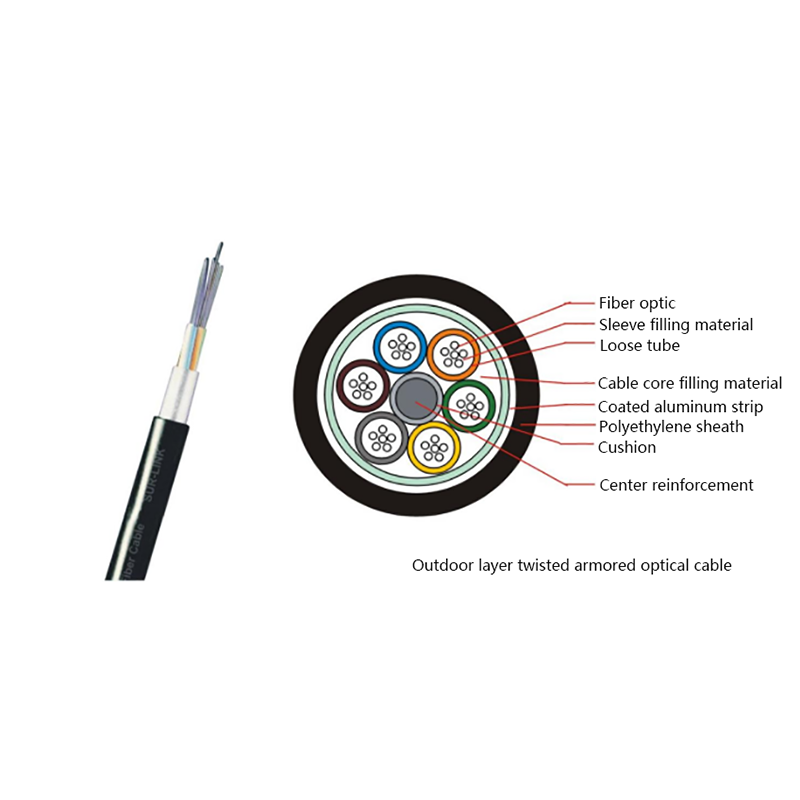
GYTA Layer Stranded Aluminum-Polyethylene Bonded Sheathed Outdoor Optical Cable
-
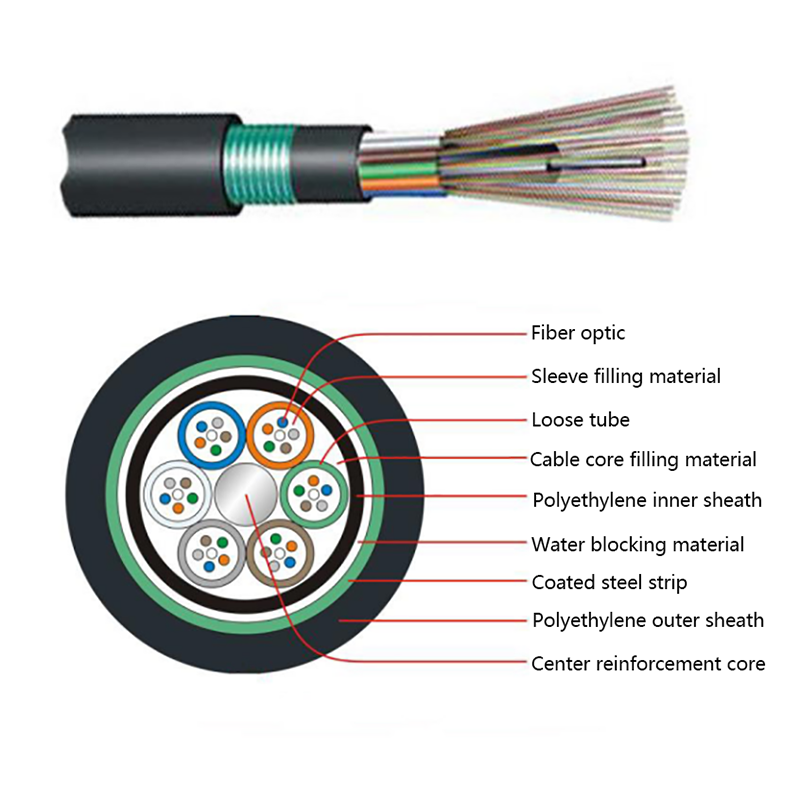
GYTY53 Layer-Stranded PE Inner Sheathed Steel Tape Armored Outer Sheath Optical Cable
-
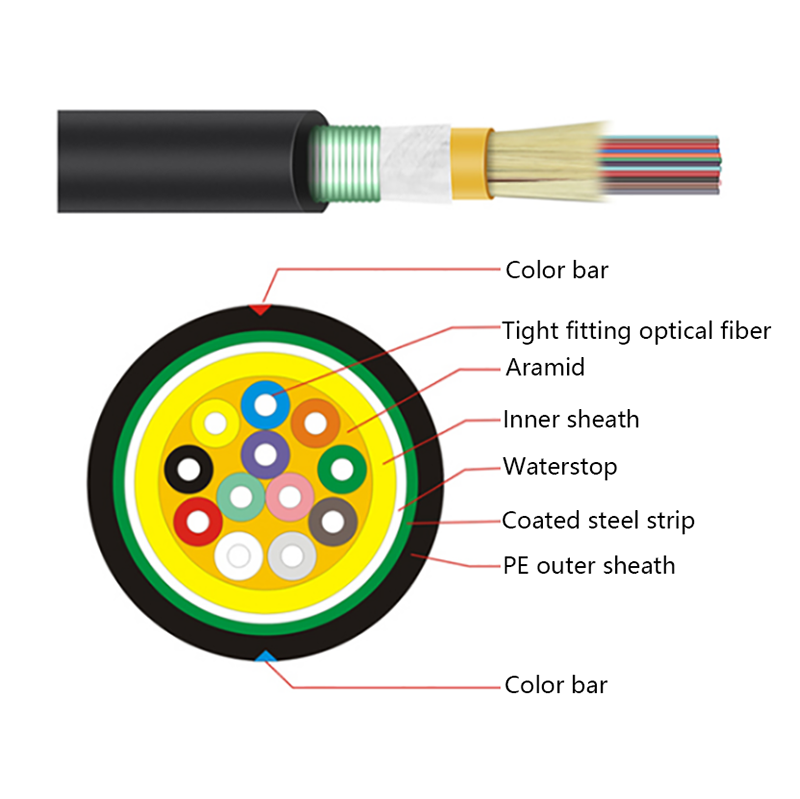
GJFJH53 Indoor Bundled Steel Tape Armored Optical Cable
-

GJPFJV GJFJHV Indoor Branch Optical Cable
-
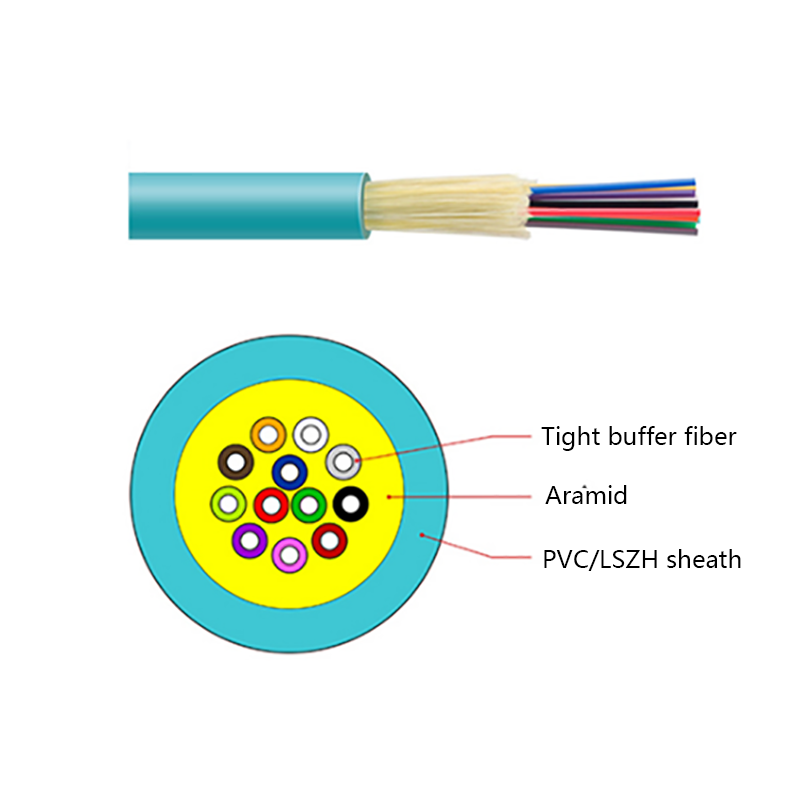
GJFJV Indoor Single Bundle Fiber Optical Cable
-
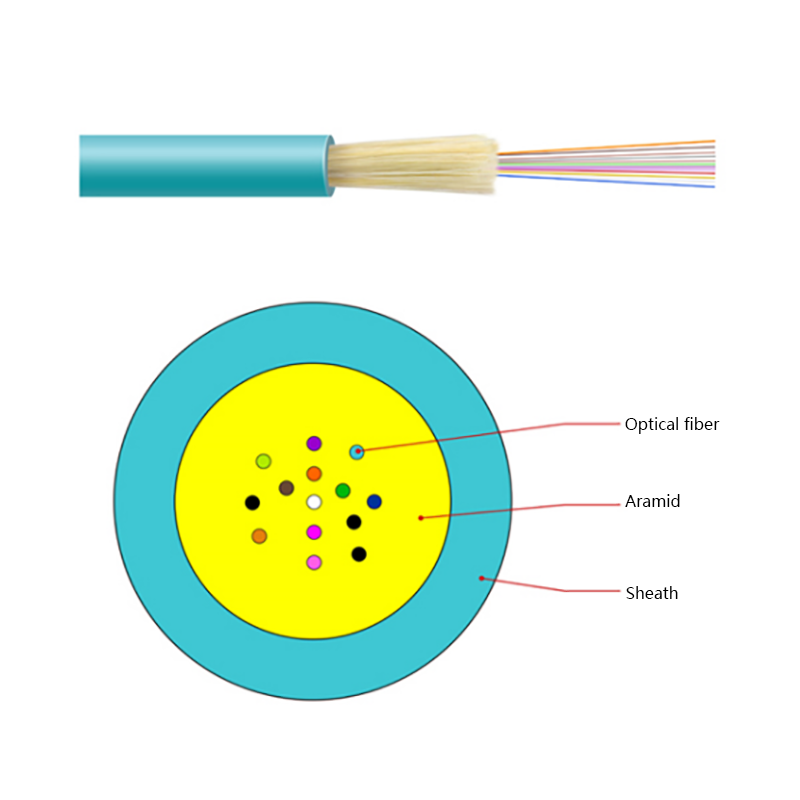
GJFV Indoor Mini Bundle Fiber Optic Cable
-
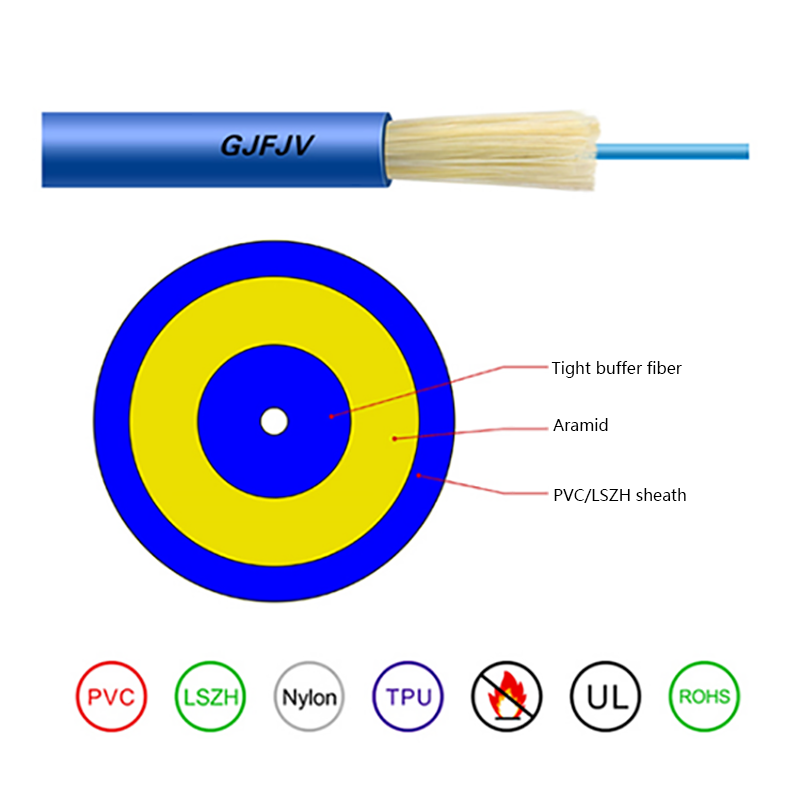
GJFJV Indoor Single Core Jumper Wire Optical Cable
-
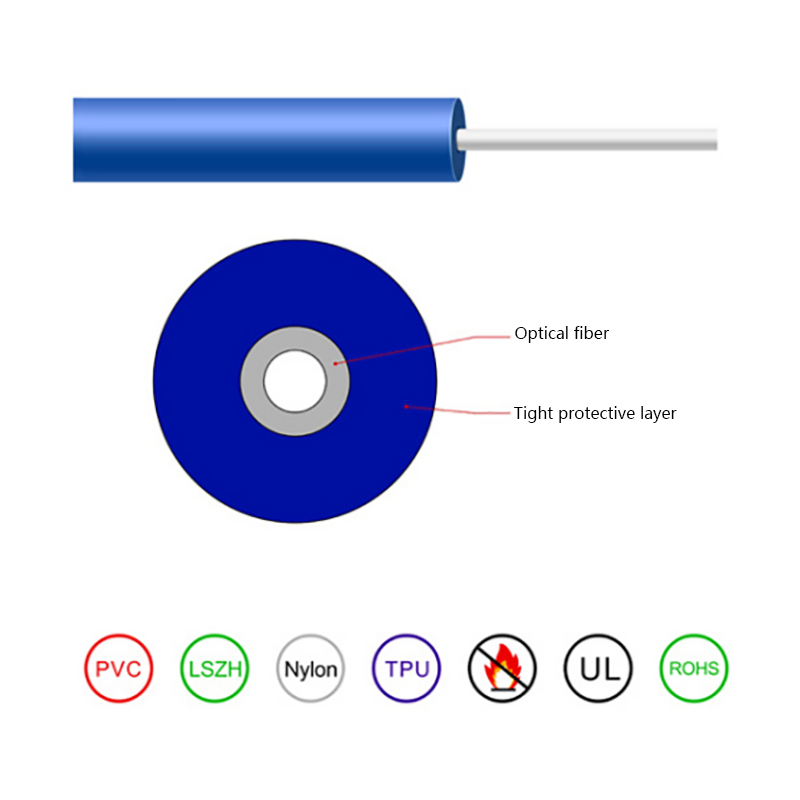
Indoor Tight-Buffered Fibre Optic Cable
-
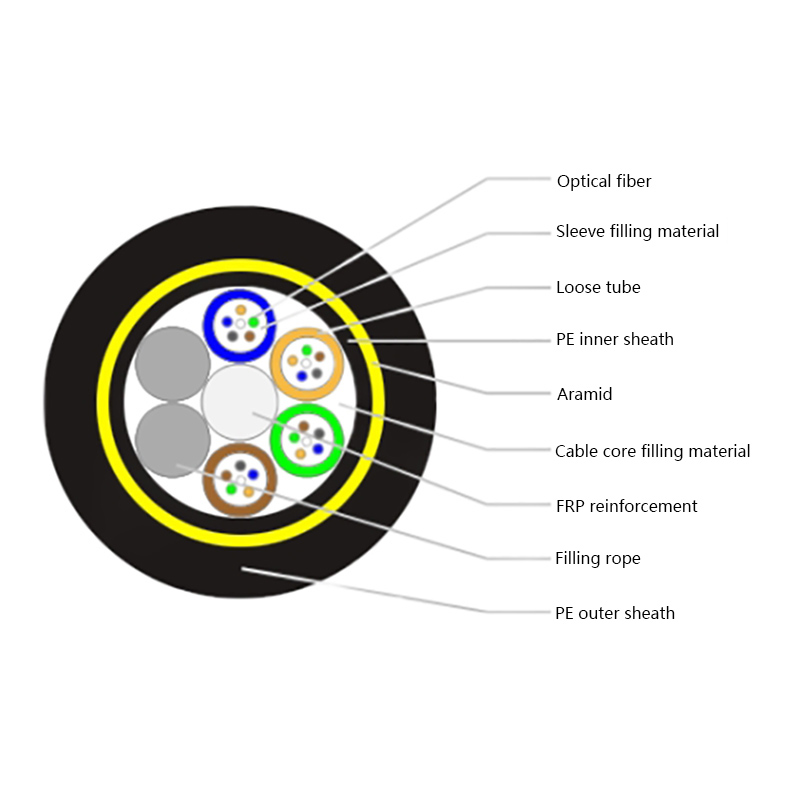
ADSS—All-Dielectric Self-Supporting Optical Cable
-
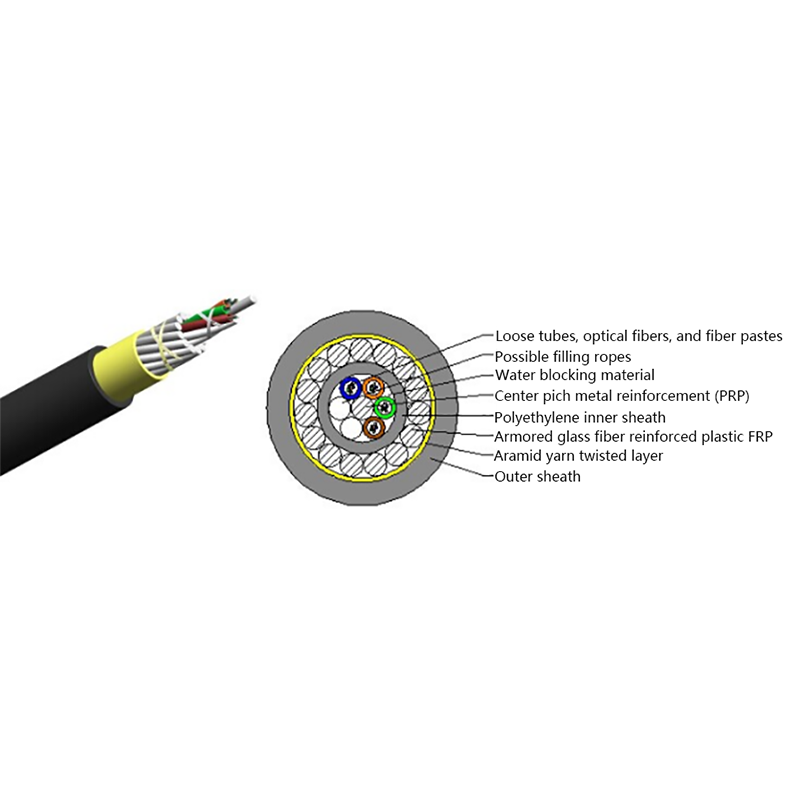
Anti-Squirrel ADSS Optical Cable
-
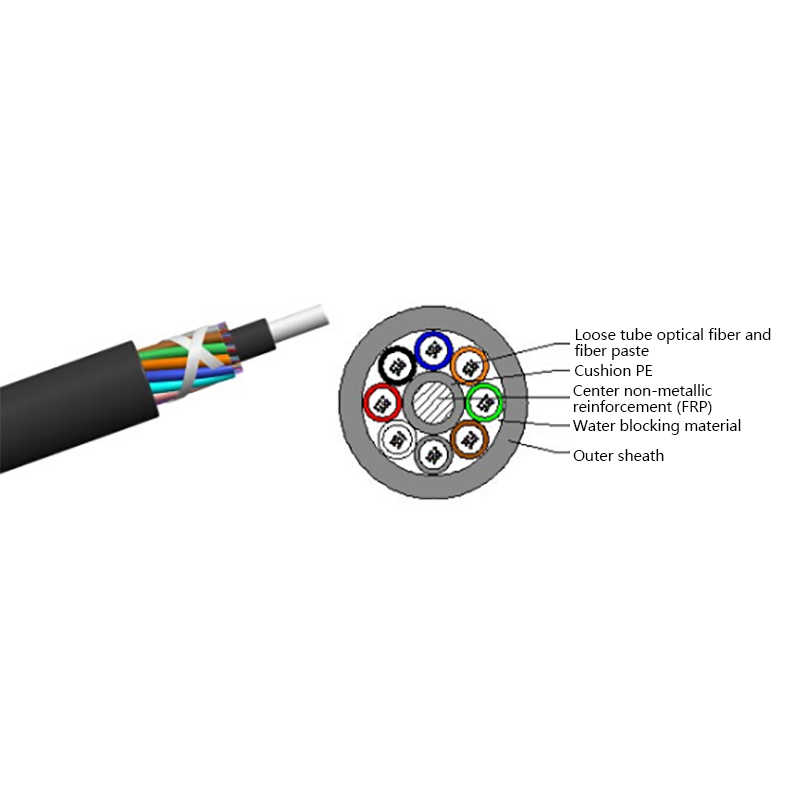
Non-metallic optical cable
Looking For Bussiness Opportunity?
Request for a call today

- Tel: +86-139-6297-6666
- Whatsapp: +86-13962991888
- E-mail: [email protected] / [email protected]
- Add: No.18, Xinjing Road, Nantong Economic and Technological Development Zone, Jiangsu Province, China
Products
Message
Coprright 2023 Jiangsu Hawell Optoelectronic Technology Co., Ltd. All Rights Reserved
 Login
Custom Optical Cables Manufacturers
Login
Custom Optical Cables Manufacturers
Login
Custom Optical Cables Manufacturers