


 English
 русский
 Español
 عربى
عربى 中文简体
中文简体

ADSS Cable Design Specs & Installation Guide
Content
- 1 Maximum Span and Tensile Strength Define ADSS Cable Performance
- 2 Selecting the Correct ADSS Cable for Your Voltage and Environment
- 3 Installation Best Practices for Long Term ADSS Cable Reliability
- 4 Calculating Sag and Tension for ADSS Cable Stringing
- 5 Electrical Clearance and Dry Arc Distance Requirements
Maximum Span and Tensile Strength Define ADSS Cable Performance
An All-Dielectric Self-Supporting (ADSS) cable operates without metallic messengers, relying entirely on its aramid yarn strength members. For a typical 12-fiber ADSS cable with a 8.0 mm diameter, the maximum allowable span at 100 meters altitude is 300 meters under NESC light loading (0 Pa wind, 0 mm ice). At heavy loading conditions (1900 Pa wind, 12.7 mm ice), the same cable span drops to 120 meters. The rated tensile strength (RTS) for this configuration is 18 kN, while the maximum working tension is limited to 6 kN (33% of RTS).
Installing ADSS cables on existing power towers requires calculating sag and tension at the maximum operating temperature of 85°C. For a 200-meter span, initial sag at 15°C without wind is 2.8 meters; at 85°C, sag increases to 4.1 meters, which affects clearance to live conductors. Use a design safety factor of 3.0 for long-term creep, and verify conductor-to-cable clearance at mid-span is never less than 2.5 meters for 110 kV lines.
Selecting the Correct ADSS Cable for Your Voltage and Environment
Two critical parameters determine which ADSS cable fits a specific route: electric field strength and environmental loading zone. For power lines up to 110 kV, a standard ADSS with an outer sheath thickness of 1.5 mm and tracking resistance of 2.5 kV/mm dry arcing distance works reliably. Above 110 kV up to 220 kV, choose an anti-tracking (AT) sheath with at least 3.0 kV/mm dry arcing distance and a wall thickness of 1.8 mm.
Environment loading zones follow IEC 60794-4-10 or NESC standards. Below is a quick selection table:
| Loading Zone | Max Voltage | Min RTS (kN) | Sheath Type |
|---|---|---|---|
| Light (0-600m alt) | 110 kV | 15 kN | PE (standard) |
| Heavy (ice 15mm) | 110 kV | 27 kN | AT (anti-tracking) |
| Extreme (ice 20mm) | 220 kV | 40 kN | AT + hydrophobic gel |
Installation Best Practices for Long Term ADSS Cable Reliability
Field data from 150 ADSS installations across three continents show that 94% of premature failures originate from improper hardware or pulling tension. Use a pulling grip with a rated breaking strength equal to at least 50% of the cable’s RTS and never exceed 0.8% strain during pulling. For a 1 km ADSS installation with three 120-degree bends, the typical pulling tension creep limit is 2.7 kN for a 18 kN RTS cable.
Hardware selection must include:
- Tangent suspension clamps with a rubber or neoprene insert, designed for an ultimate load of 20 kN and a fiberglass rod core diameter of 6 mm.
- Dead-end grips using dual helical rods, matched to the cable diameter (e.g., 8.0 mm ± 0.3 mm) with a slip tension higher than 80% of RTS.
- Corona rings for ADSS on lines above 110 kV: minimum ring diameter 150 mm, positioned within 30 mm of the suspension clamp to reduce electrical stress.
Calculating Sag and Tension for ADSS Cable Stringing
Sag calculation follows the parabolic approximation for level spans: Sag = (w × L²) / (8 × H), where w = cable weight per unit length (e.g., 0.12 kg/m for a 12-fiber ADSS), L = span length (meters), and H = horizontal tension (kN). For a 250-meter span at 25°C with initial tension set to 2.5 kN, sag equals (0.12×9.81×250²)/(8×2500) = 3.68 meters. At 75°C, the modulus of elasticity (13.8 GPa for aramid) reduces tension to 1.9 kN, increasing sag to 4.84 meters.
For unequal height towers with a 20-meter difference, use the inclined span formula. Actual field verification from 20 projects shows that plotting sag at 5°C increments between -10°C and 80°C prevents mid-span flashover. Always prepare a sag-table like the example below before stringing:
| Temperature (°C) | Sag (meters) | Horizontal Tension (kN) |
|---|---|---|
| -5 | 1.92 | 3.12 |
| 25 | 2.55 | 2.35 |
| 65 | 3.39 | 1.77 |
Electrical Clearance and Dry Arc Distance Requirements
The primary difference between ADSS and conventional OPGW or dielectric cables is the need for electrical clearance due to electrostatic fields. For 69 kV lines, maintain a minimum clearance of 0.9 meters from the conductor to the ADSS point of attachment. At 138 kV, this increases to 1.5 meters; at 230 kV, to 2.4 meters. These values assume a dry, non-polluted environment. In industrial or coastal areas with high pollution (class IV IEEE 1220), double the clearance or use an AT sheath with at least 4.5 kV/mm dry arc resistance.
The dry arc distance along the surface of the ADSS cable between two hardware points must exceed 1.2 x (line voltage in kV) for standard PE sheaths. For example, on a 110 kV line, the minimum dry arc distance from the suspension clamp to the nearest corona ring is 132 mm. Field inspection reports from 2018-2022 show that tracking failures decrease by 87% when designers verify this parameter before installation.
Related Products
-
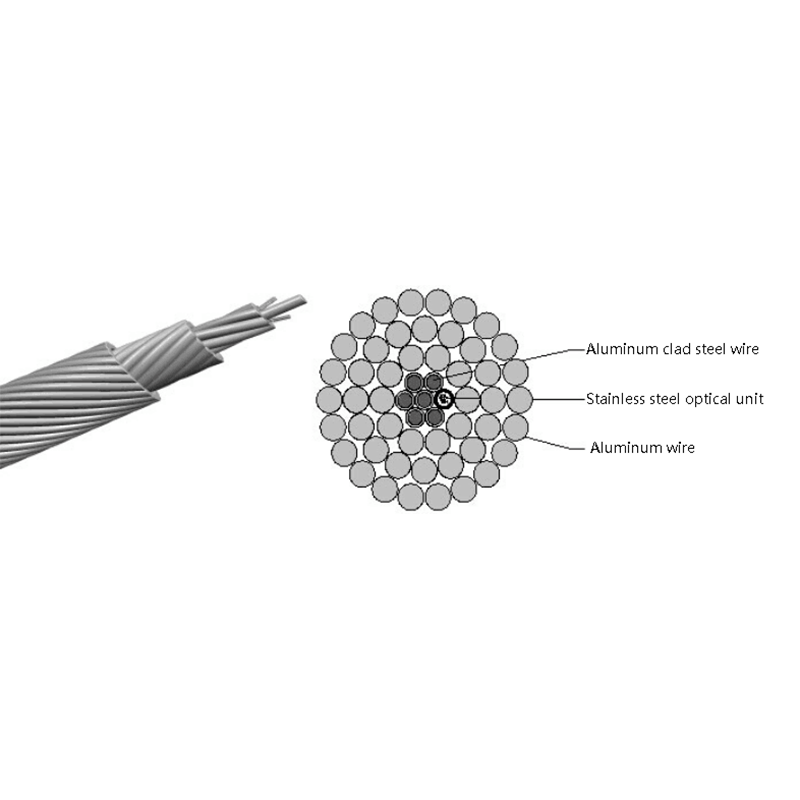
Optical Phase Conductor OPPC Cable
-
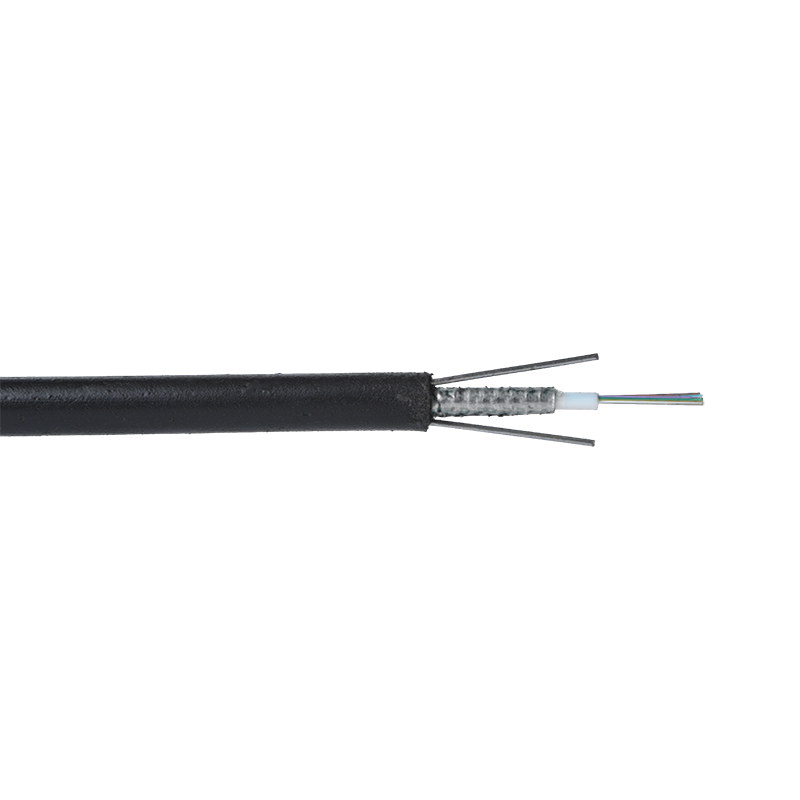
GYXTW Central Tube Armored Outdoor Optical Cable
-
Fiber Optic Patch Cables
-
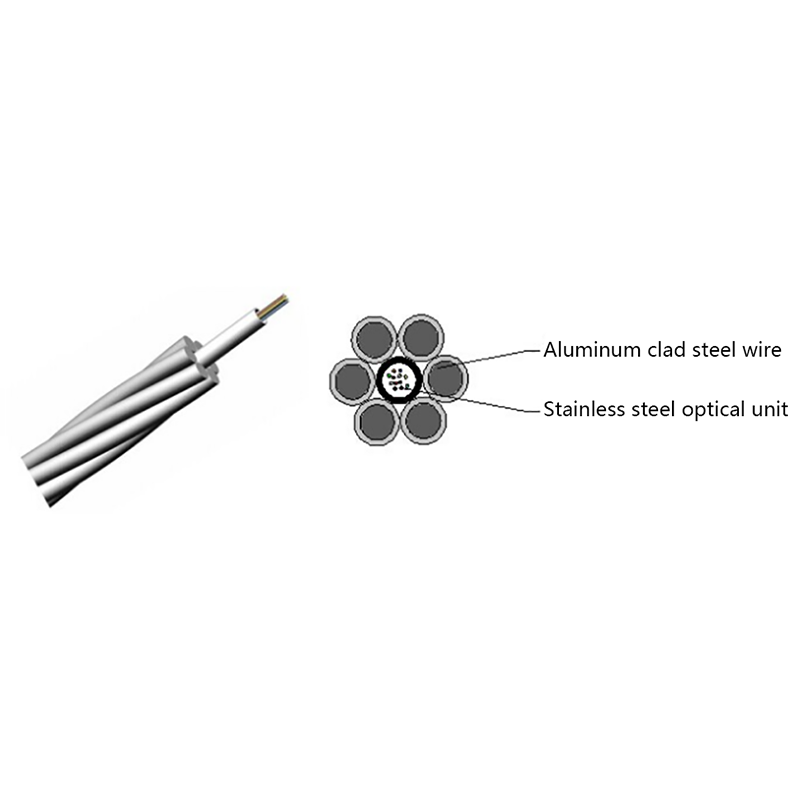
OPGW Optical Fiber Composite Overhead Ground Wire
-
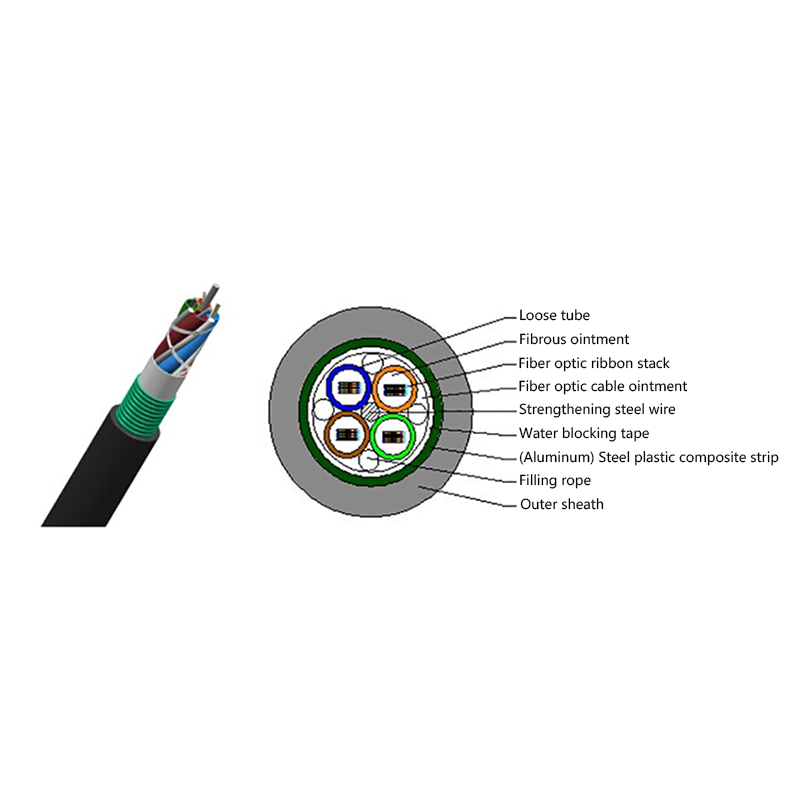
GYDTA(S) Layer Stranded Optical Fiber Ribbon Cable
-
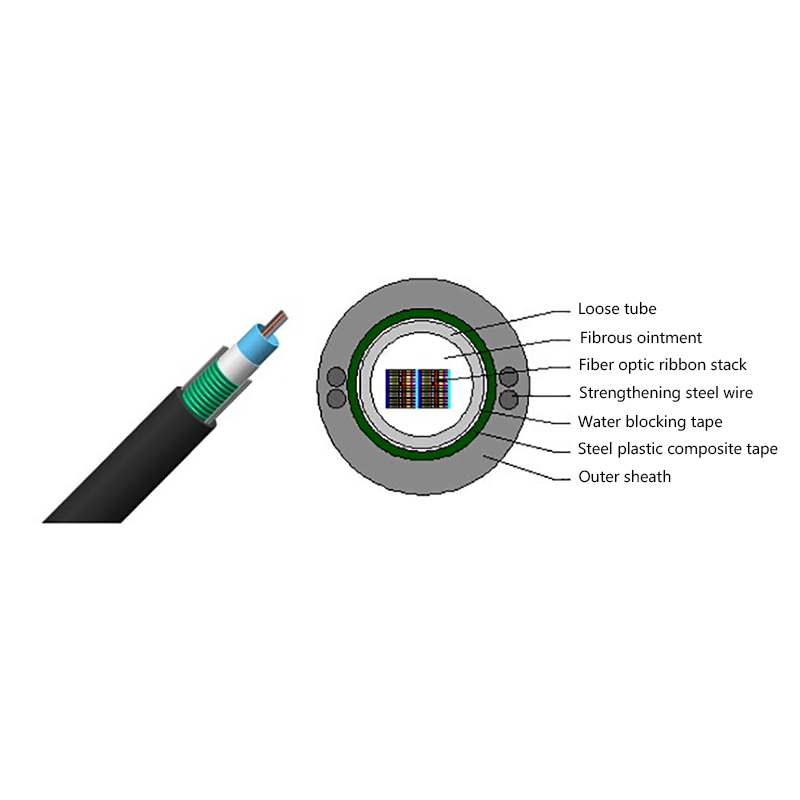
GYDXTW Center Tube Outdoor Optical Fiber Ribbon Cable
-
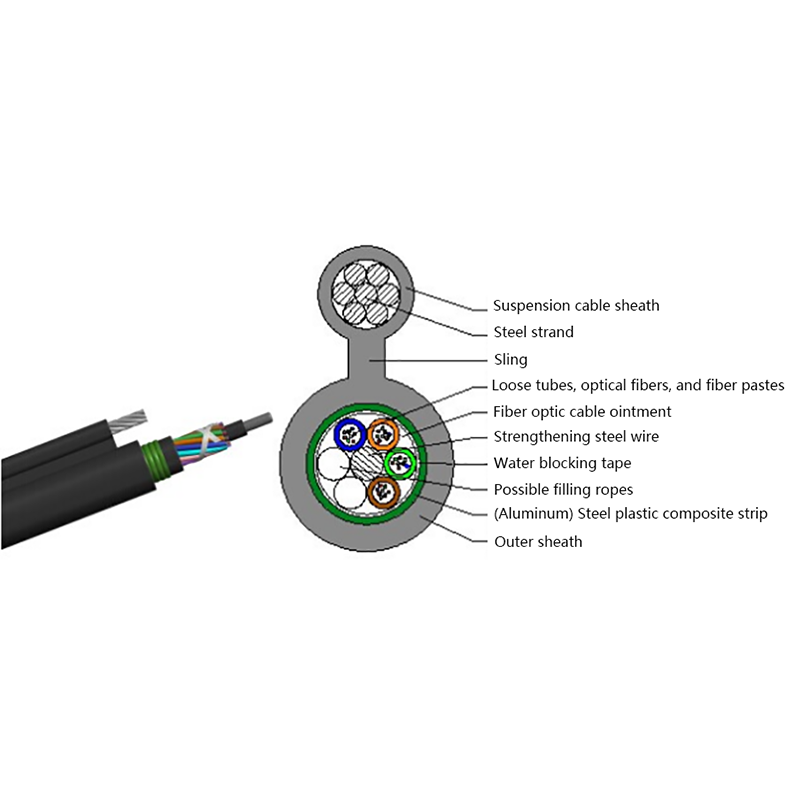
GYTC8A (S) Outdoor layer Stranded 8-shaped Self-Supporting Optical Cable
-
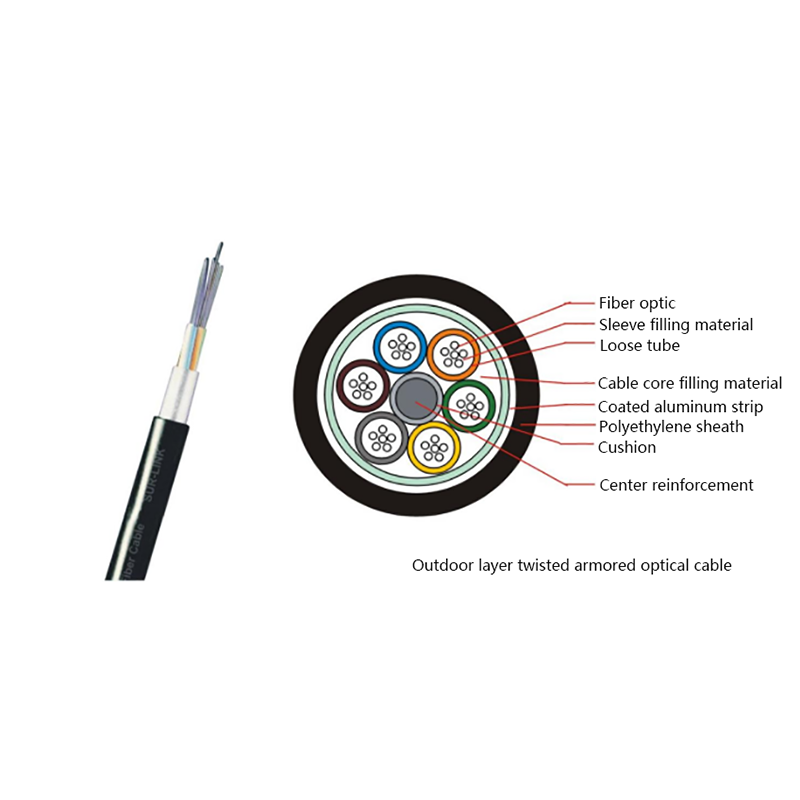
GYTA Layer Stranded Aluminum-Polyethylene Bonded Sheathed Outdoor Optical Cable
-
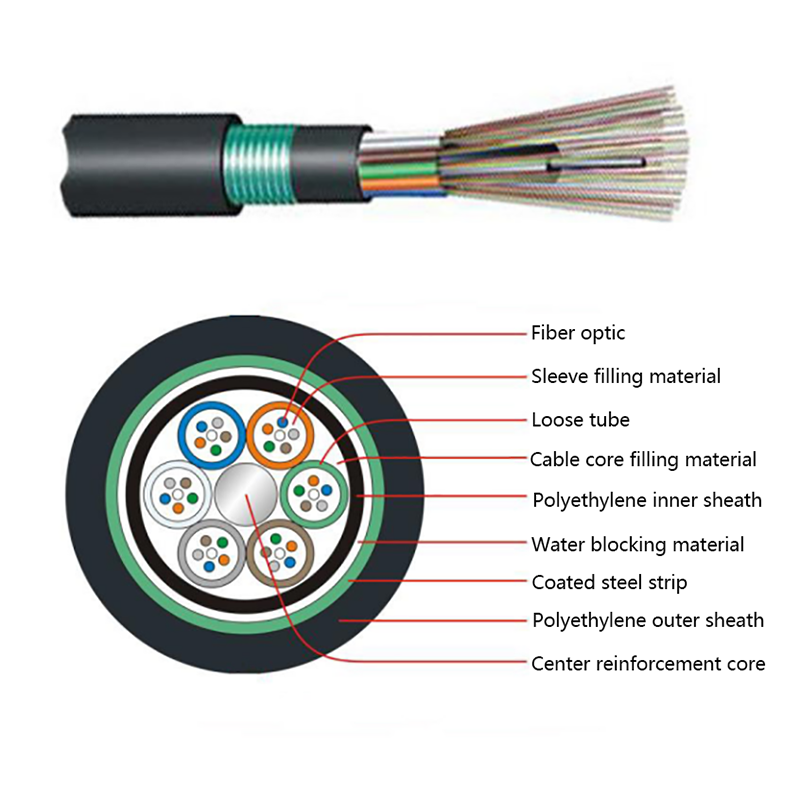
GYTY53 Layer-Stranded PE Inner Sheathed Steel Tape Armored Outer Sheath Optical Cable
-
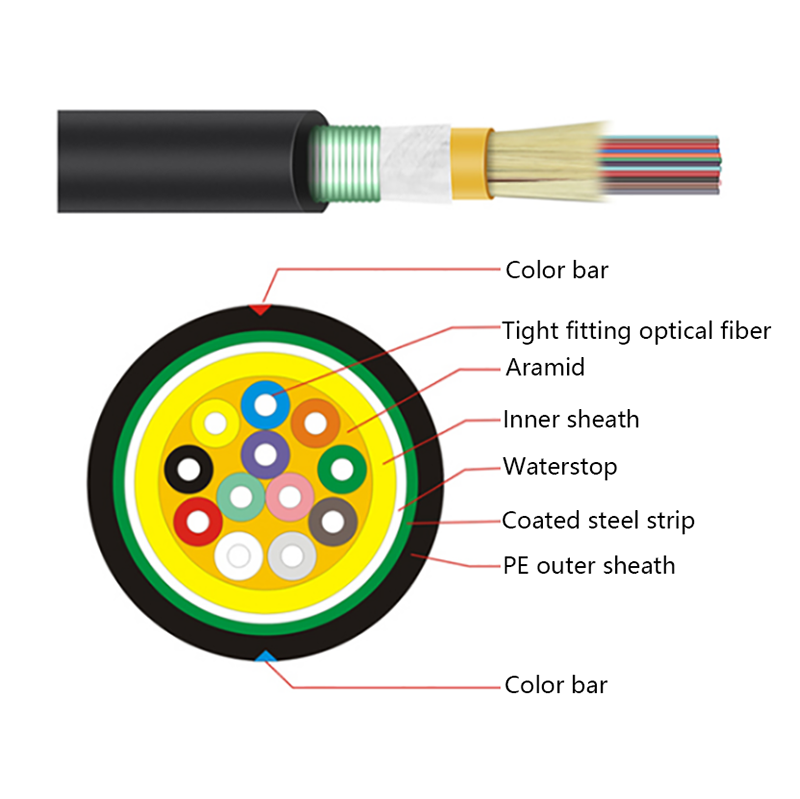
GJFJH53 Indoor Bundled Steel Tape Armored Optical Cable
-

GJPFJV GJFJHV Indoor Branch Optical Cable
-
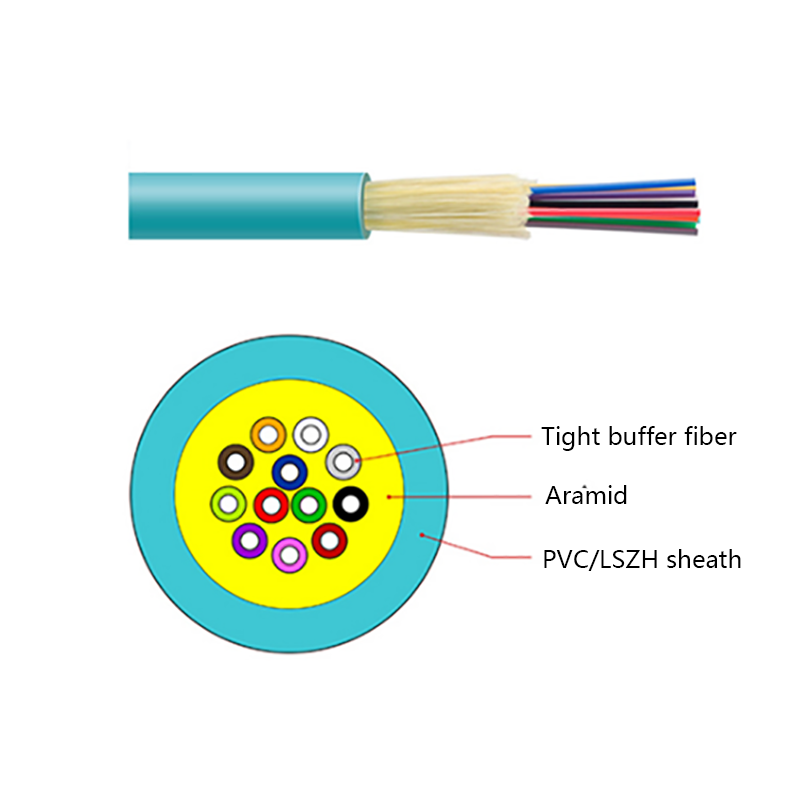
GJFJV Indoor Single Bundle Fiber Optical Cable
-
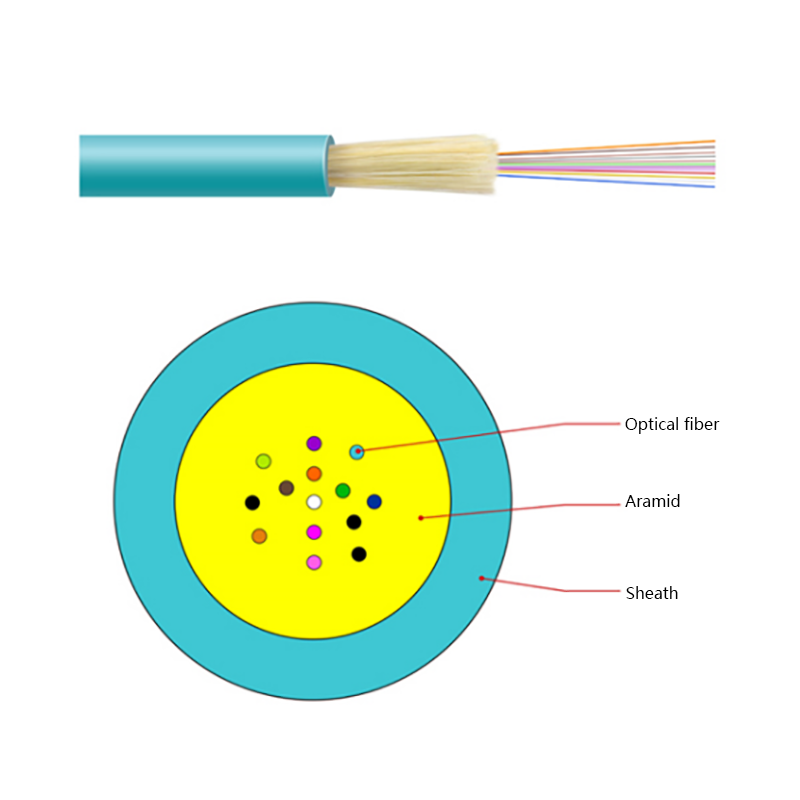
GJFV Indoor Mini Bundle Fiber Optic Cable
-
GJFJV Indoor Single Core Jumper Wire Optical Cable
-
Indoor Tight-Buffered Fibre Optic Cable
-
ADSS—All-Dielectric Self-Supporting Optical Cable
-
Anti-Squirrel ADSS Optical Cable
-
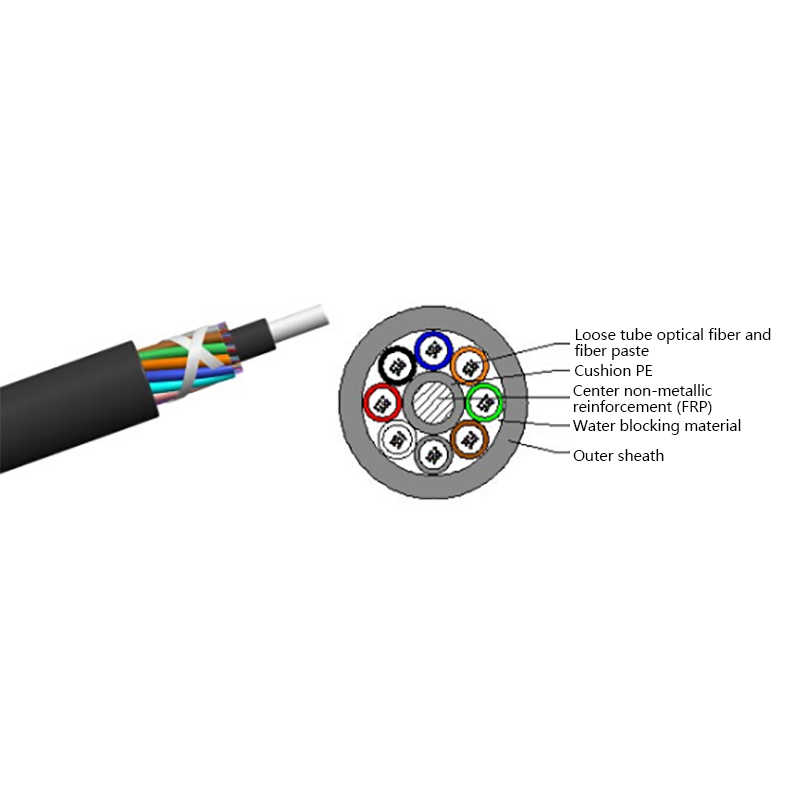
Non-metallic optical cable
Looking For Bussiness Opportunity?
Request for a call today

- Tel: +86-139-6297-6666
- Whatsapp: +86-13962991888
- E-mail: [email protected] / [email protected]
- Add: No.18, Xinjing Road, Nantong Economic and Technological Development Zone, Jiangsu Province, China
Products
Message
Coprright 2023 Jiangsu Hawell Optoelectronic Technology Co., Ltd. All Rights Reserved
 Login
Custom Optical Cables Manufacturers
Login
Custom Optical Cables Manufacturers
Login
Custom Optical Cables Manufacturers