


 English
 русский
 Español
 عربى
عربى 中文简体
中文简体
News
Home / News / Industry news / Underground vs. Aerial Fiber Optic Cable: Complete Outdoor Installation Guide

Content
Choosing between underground and aerial fiber optic cable is one of the most consequential decisions in any outdoor network deployment. Get it right and you lock in decades of reliable, low-maintenance connectivity. Get it wrong and you inherit costs—repair bills, permitting headaches, or premature replacement—that dwarf the original savings. This guide cuts through the noise and gives you a clear decision framework built around terrain, budget, reliability, and long-term infrastructure goals.
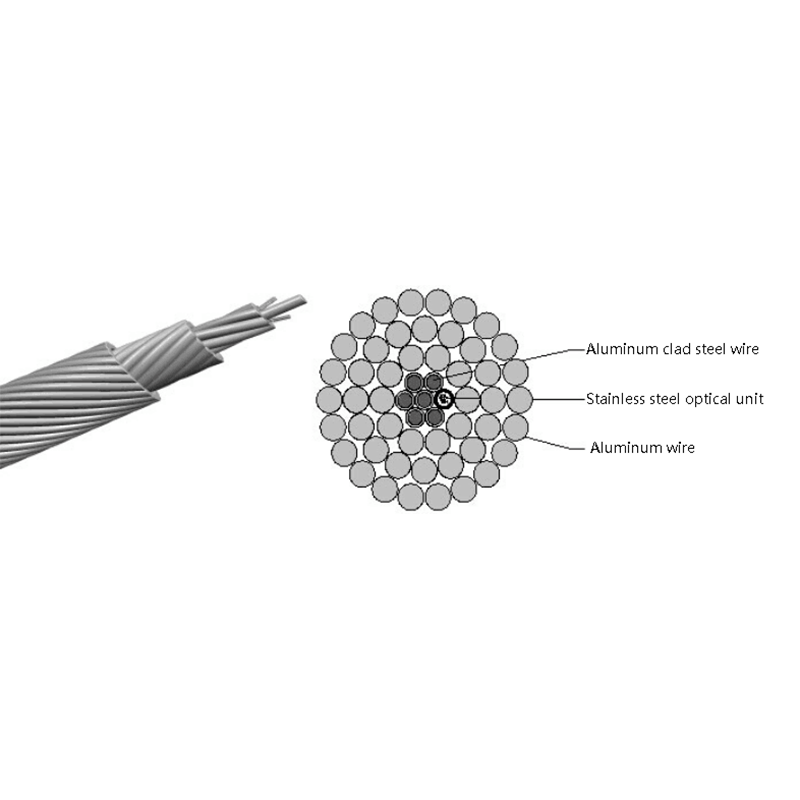
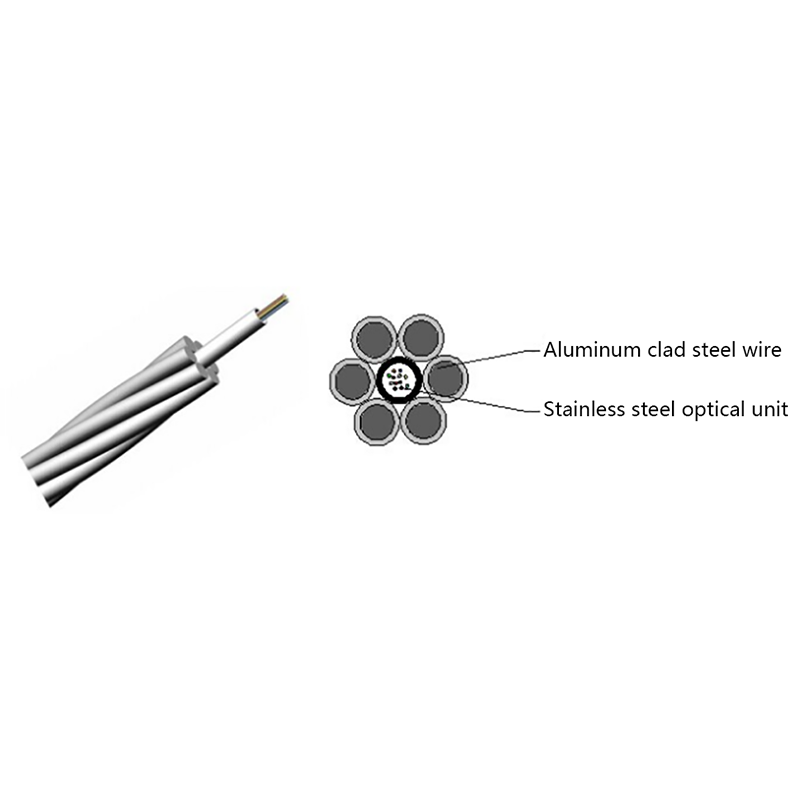
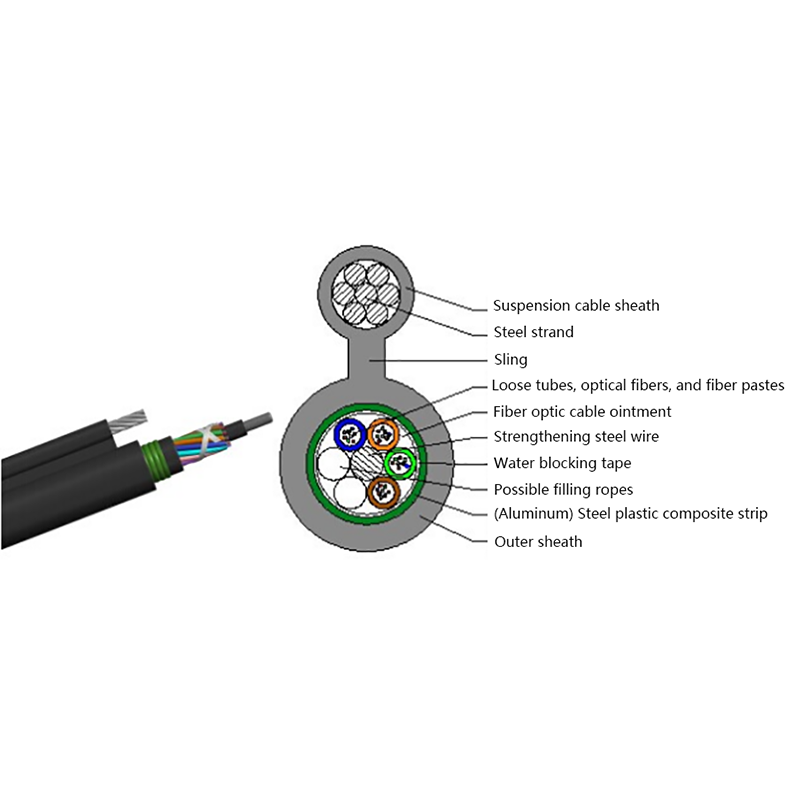
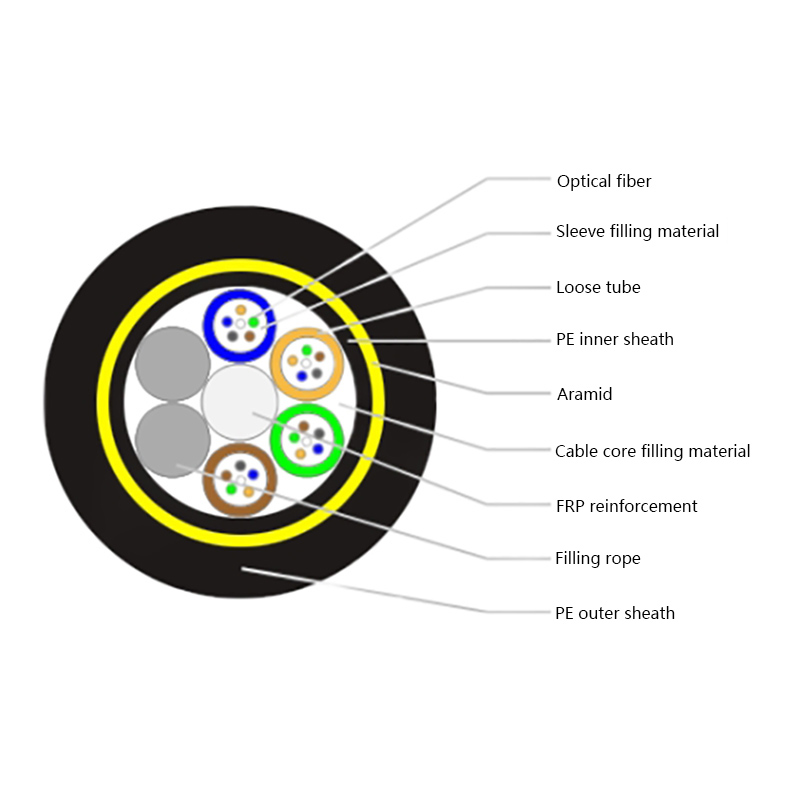
Aerial installation strings fiber optic cables along utility poles or other elevated structures. Cables are either lashed to a separate messenger wire or use a self-supporting design—most commonly ADSS (All-Dielectric Self-Supporting) or Figure-8—that integrates the strength member directly into the cable. Span lengths, sag tolerances, and ice load ratings must all be calculated before deployment. For more on ADSS construction and performance in high-wind and ice-load conditions, see our complete guide to fiber optic cable types.
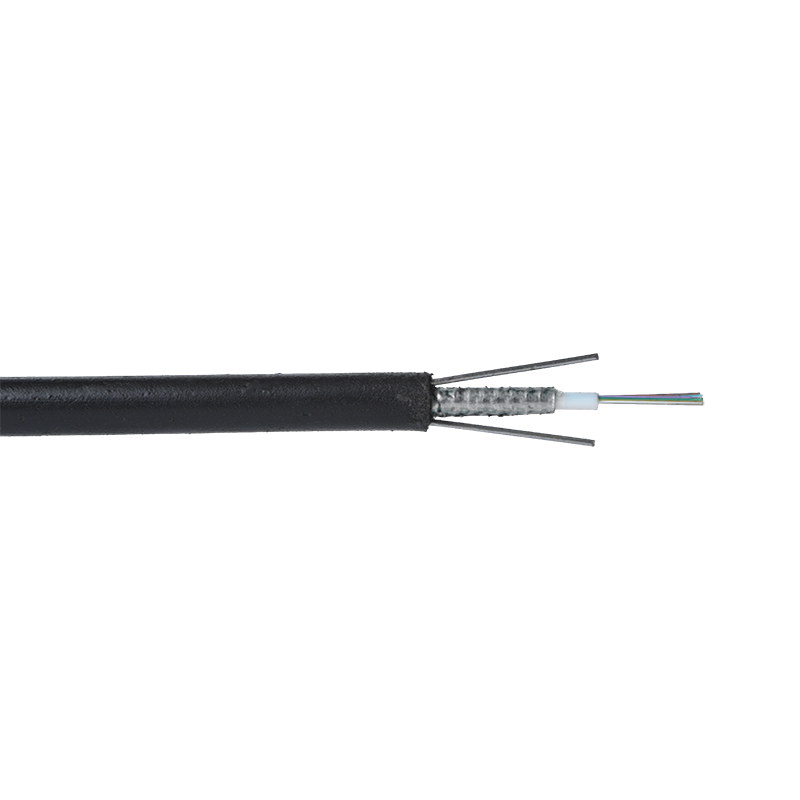
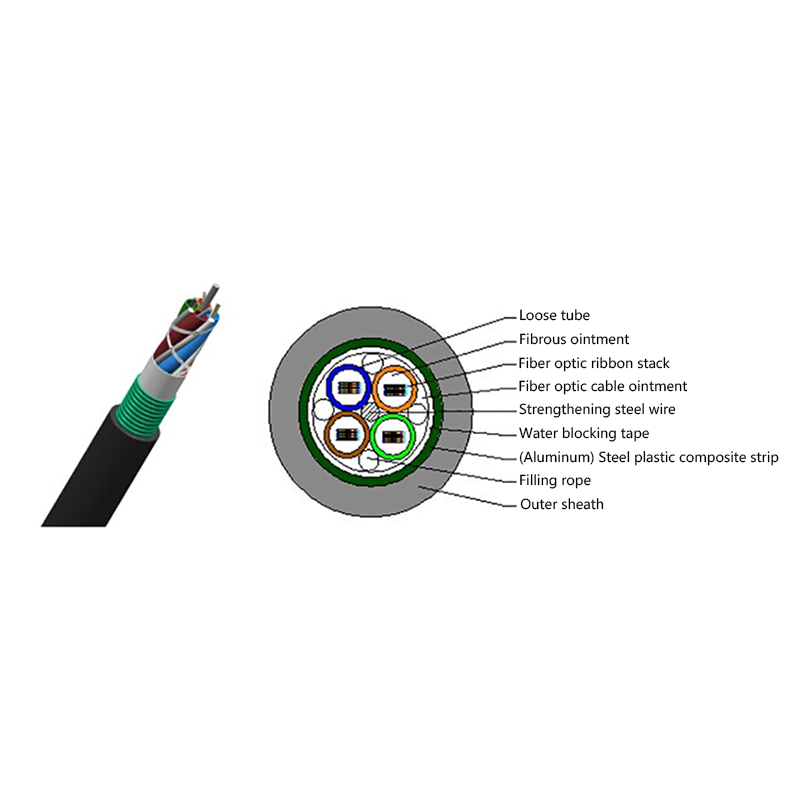
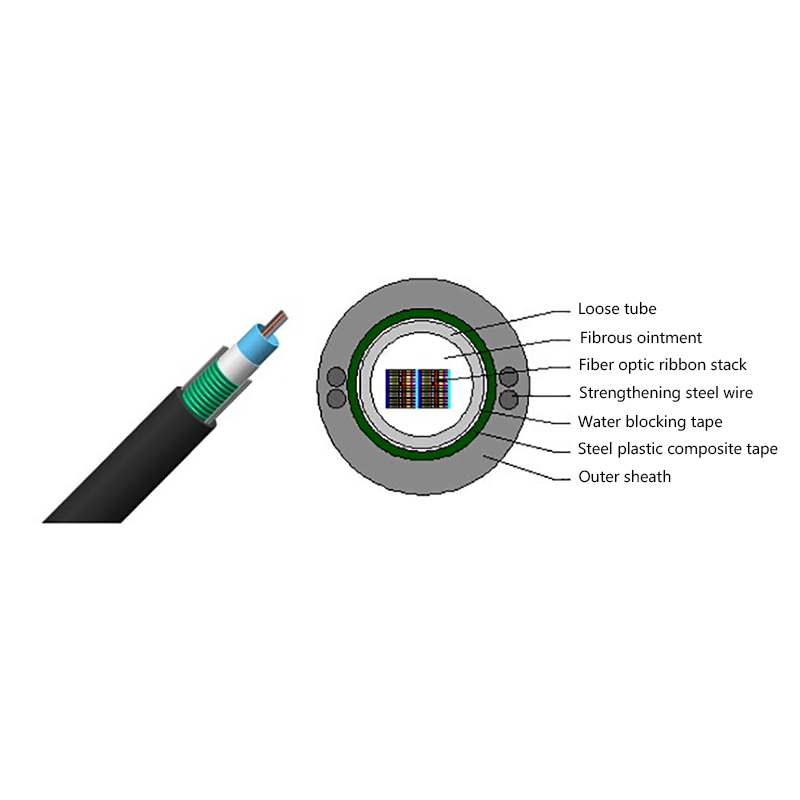
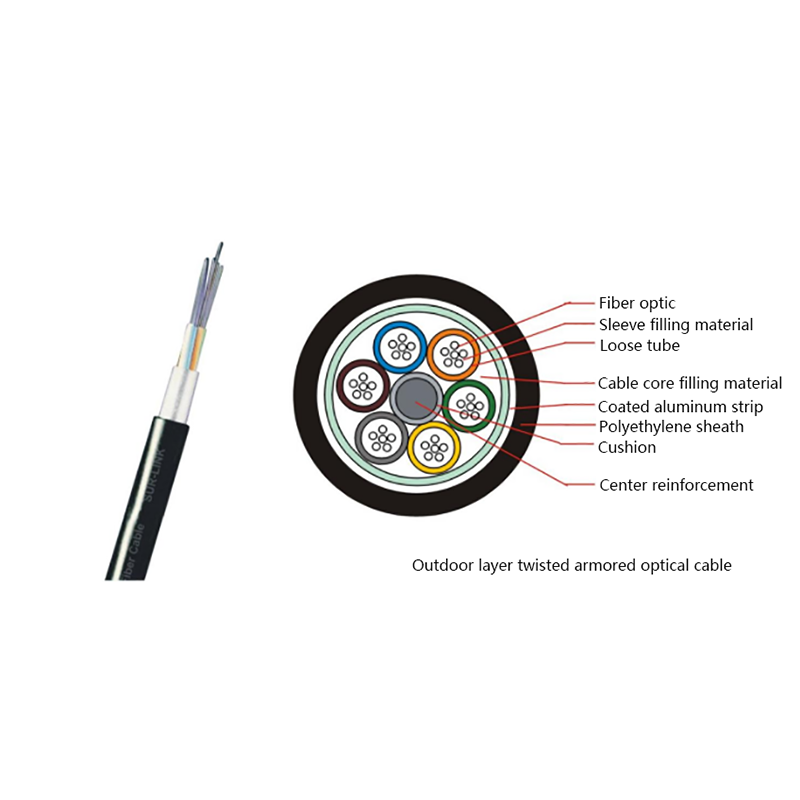
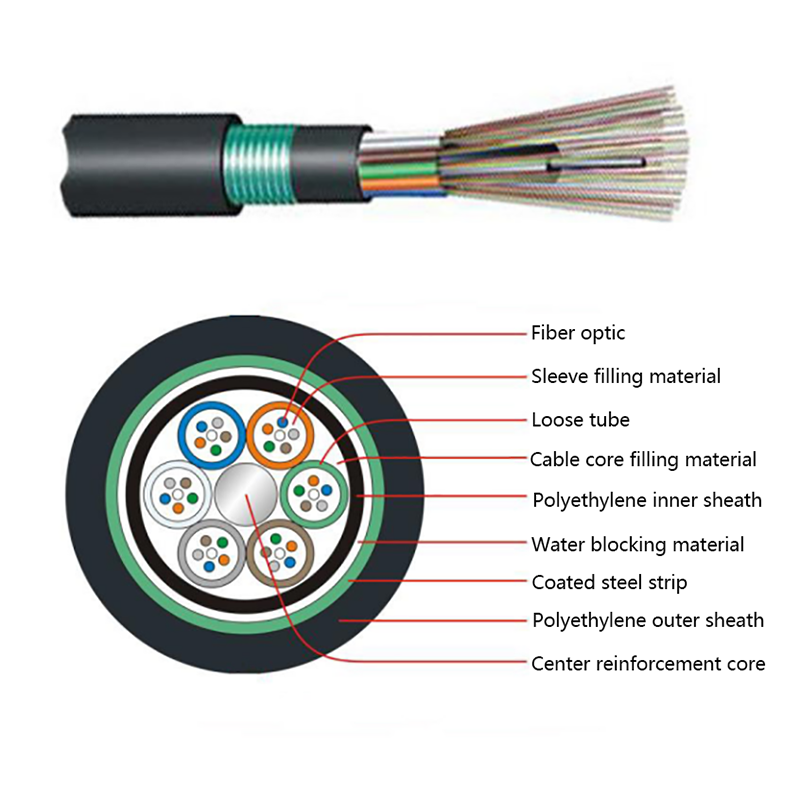
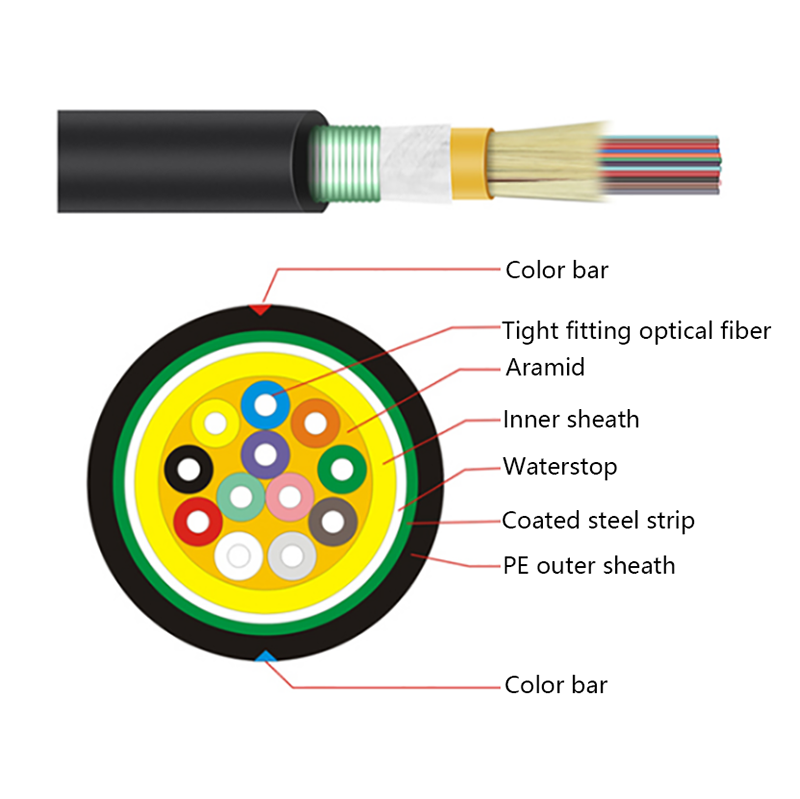
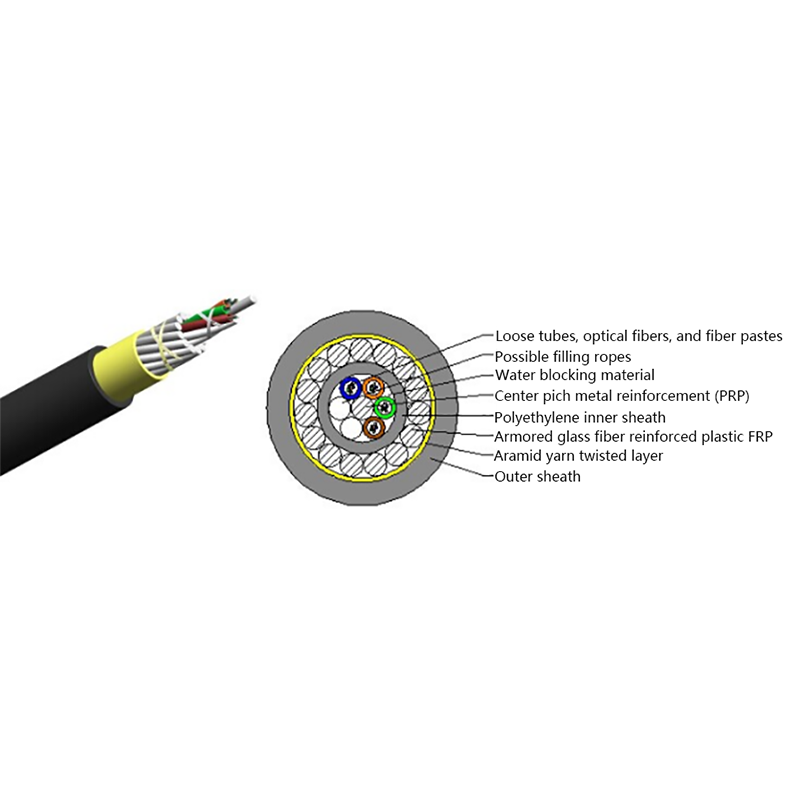
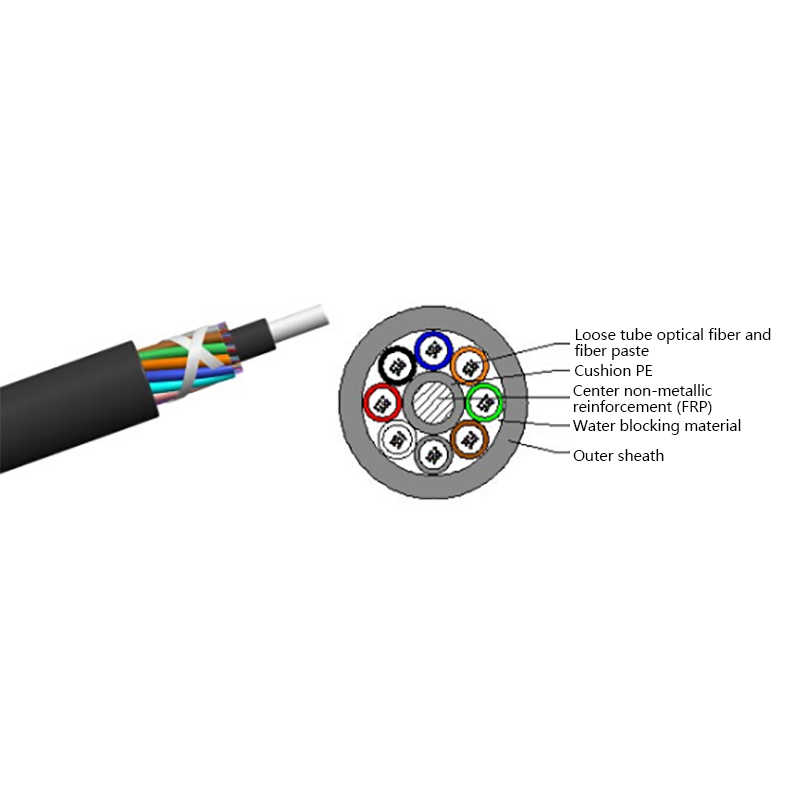
Underground installation routes cable below grade, either through buried conduit (duct cable) or directly in the soil without a protective tube (direct-burial cable). Conduit runs are typically placed 1–2 meters deep to minimize the risk of accidental dig-up. Direct-burial cables omit the conduit but compensate with armored jackets and water-blocking materials that resist soil pressure, moisture, and rodent attack.
Aerial is cheaper to deploy when existing pole infrastructure is already in place—no trenching, no lane closures, no excavation permits. Underground carries a significantly higher upfront cost driven by labor, machinery, and the depth requirements of the trench. In rocky terrain or areas with dense root systems, those costs escalate further as obstacles force detours or hand-digging.
The calculus flips over time. Underground lines are protected from the elements and require far less routine maintenance. Aerial cables need periodic inspection, and every major storm is a potential outage event. Pole-mounted hardware degrades faster than buried conduit, and repairs on aerial lines involve equipment and safety protocols that drive up service costs. For total cost of ownership over a 20- to 30-year horizon, underground frequently wins—especially in climates with harsh winters or frequent severe weather.
Underground deployments are approximately 10 times more reliable than aerial routes, particularly in regions where poor weather is common. Buried fiber sits below the frost line, making it immune to wind damage, ice accumulation, and falling debris. It is also far less exposed to vandalism and wildlife interference—birds, squirrels, and other animals regularly damage aerial cables.
Aerial lines, by contrast, are fully exposed to atmospheric conditions. Wind-induced sag, temperature-driven expansion and contraction, and ice loading can strain the cable and messenger wire over time, leading to gradual degradation before visible failure. In environments where uptime is a contractual or operational requirement, underground is the safer choice.
No deployment formula applies universally—the landscape itself often makes the choice for you.
Aerial and underground cables are engineered for fundamentally different mechanical environments and are not interchangeable. Using the wrong cable type in either setting accelerates failure and voids compliance with installation standards.
| Attribute | Aerial Cable | Underground Cable |
|---|---|---|
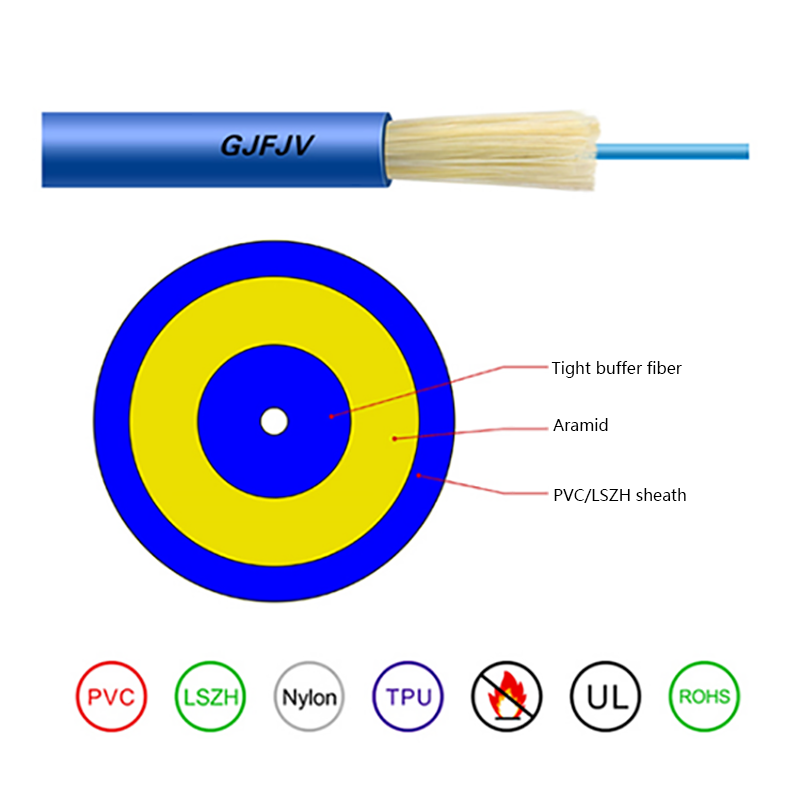
| Strength member | Aramid yarn or steel messenger wire; ADSS spans up to 200 m | Steel armor (direct burial) or high-tensile jacket (duct) |
| Moisture protection | UV-resistant outer jacket; basic water resistance | Gel-filled loose tubes, water-blocking tape, or dry powder |
| Mechanical protection | Designed for tension and wind load | Armored jackets resist soil pressure, crush, and rodents |
| Jacket color | Black (UV stabilized) | Black or orange (UV stabilized) |
| Typical fiber type | Single-mode OS2 for long spans; multimode for shorter runs | Single-mode OS2 for backbone; multimode for campus links |
All outdoor jackets—aerial or underground—are black to block ultraviolet radiation that would otherwise degrade the polymer over time and compromise signal integrity. For a detailed breakdown of how fiber type affects transmission distance and attenuation, see our guide on choosing the right optical cable.
Aerial deployment requires Right-of-Way (RoW) agreements before cables can be attached to existing poles—a process that can involve multiple authorities and add months to a project timeline. Some municipalities outright prohibit new aerial lines in residential zones or historic districts, citing visual impact.
Underground installation carries its own permitting burden: excavation permits, traffic management for road cuts, and utility coordination to avoid existing buried infrastructure. In most cases, however, once an underground permit is secured, community opposition is minimal. With no visible infrastructure, buried fiber preserves neighborhood aesthetics and avoids the objections that frequently delay aerial projects.
When aerial cables fail, the break is usually visible and accessible. Crews can identify and repair the fault relatively quickly, though working at height adds complexity and cost. The greater vulnerability to outages means maintenance events are more frequent.
Underground failures are rarer but more disruptive to fix. Locating a fault requires OTDR testing, and once the break is identified, re-excavation is necessary. In urban environments with concrete or asphalt surface treatments, repair costs can be substantial. For long-haul applications where fault distance must be calculated across tens of kilometers, understanding the optical power budget is essential—our resource on how far fiber optic cable can be run covers this in detail.
Use the following criteria to guide your selection:
Some projects use a hybrid approach—aerial for rural last-mile drops where poles exist, underground for urban backbone segments where reliability and aesthetics matter most. The right answer is rarely universal across an entire network footprint.
Aerial fiber offers speed and lower upfront cost when pole infrastructure exists. Underground fiber delivers superior long-term reliability, lower lifetime maintenance, and better regulatory acceptance in dense environments—at a higher initial price. The optimal choice depends on your terrain, climate, budget structure, and reliability targets. Evaluate each segment of your route independently rather than applying a single method across the board, and always specify cable construction that matches the installation environment.

Request for a call today

 Login
Custom Optical Cables Manufacturers
Login
Custom Optical Cables Manufacturers