


 English
 русский
 Español
 عربى
عربى 中文简体
中文简体
News
Home / News / Industry news / ADSS Cables Explained: Design, Installation, and Real-World Applications

Content
ADSS Cables (All-Dielectric Self-Supporting Cables) are a specialized type of fiber optic cable designed for aerial installation without metallic components. Unlike traditional fiber cables that rely on messenger wires or steel reinforcement, ADSS cables are fully dielectric, making them ideal for installation on power transmission lines and utility poles. Their structure allows them to withstand mechanical tension, wind load, and environmental stress while maintaining stable optical performance. As demand for high-speed broadband, FTTH, and long-distance communication grows, ADSS cables have become a preferred solution in telecom and power grid infrastructure.
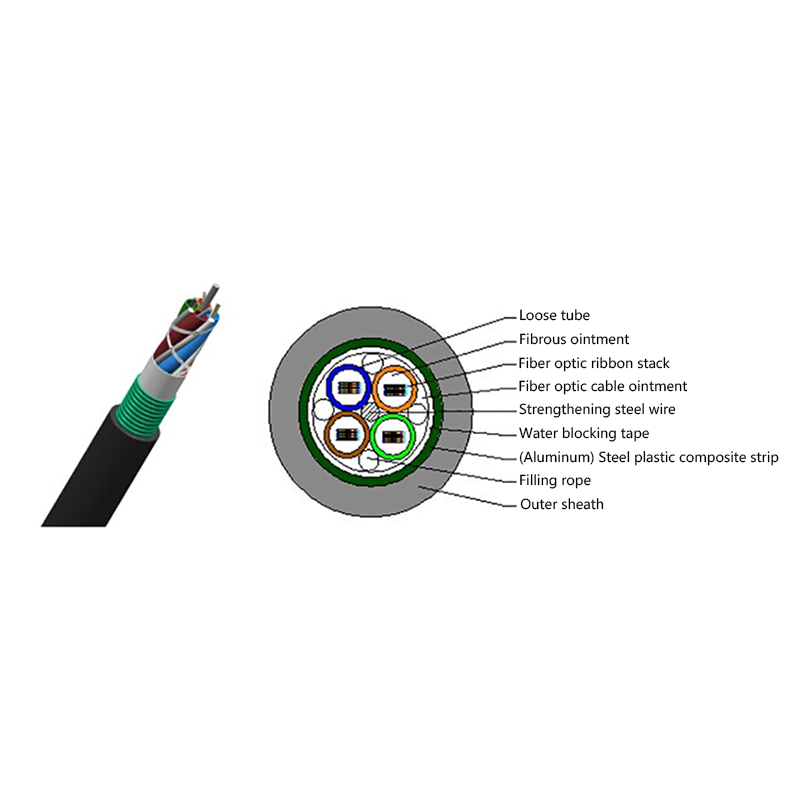
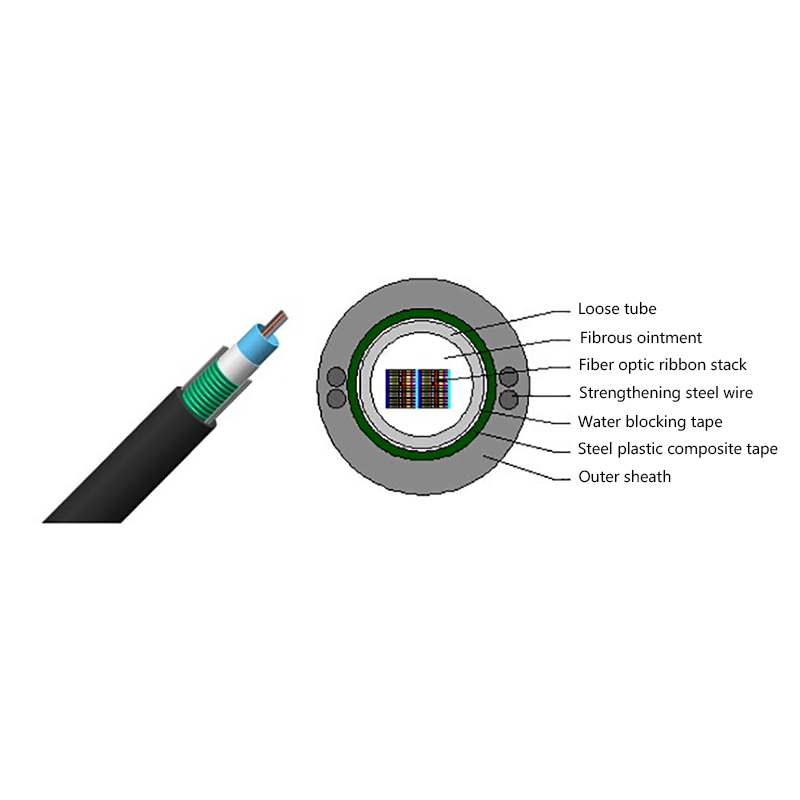
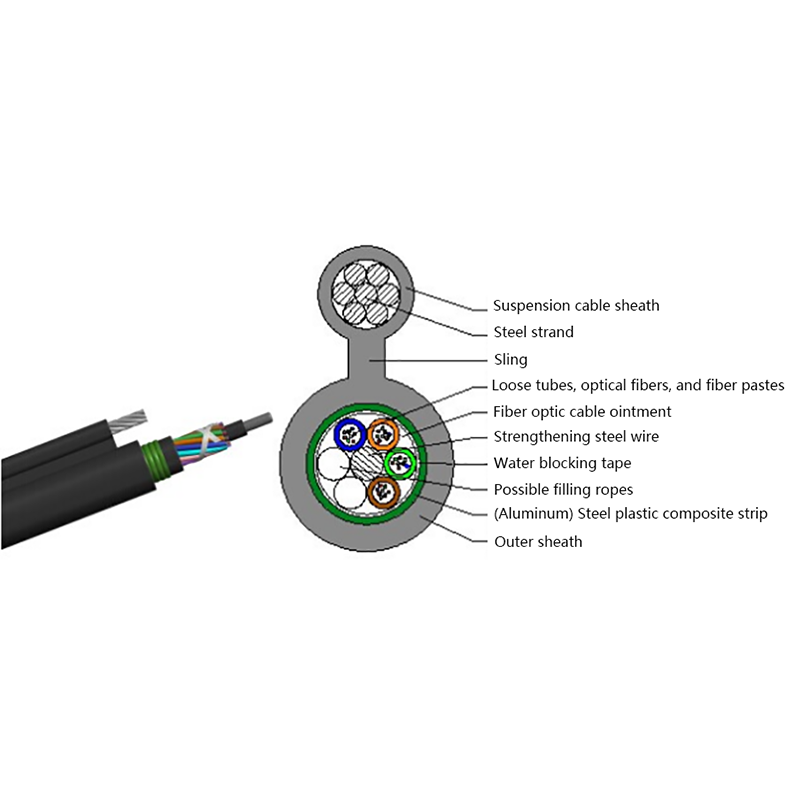
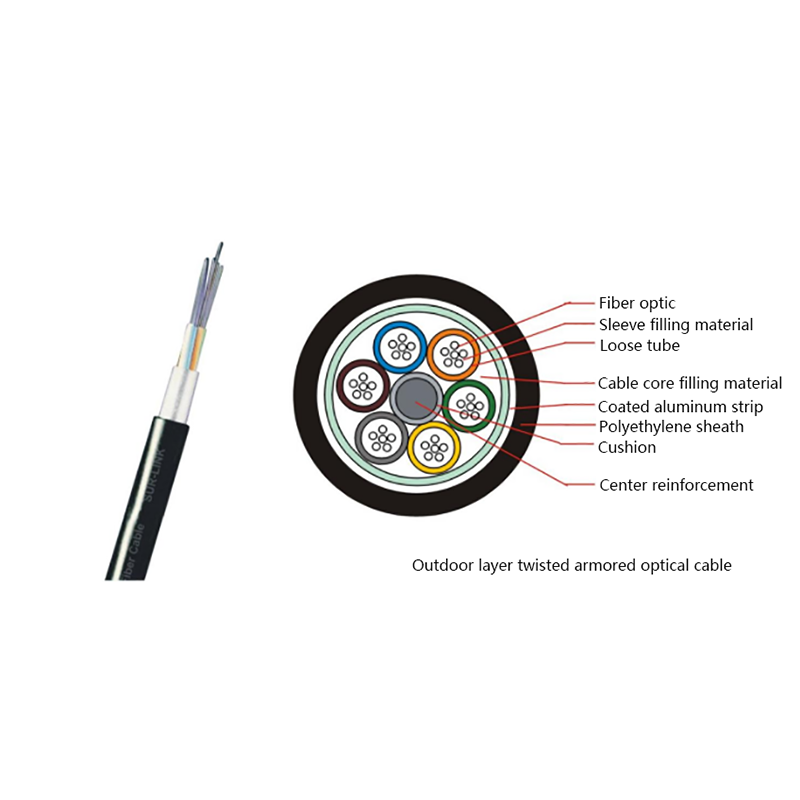
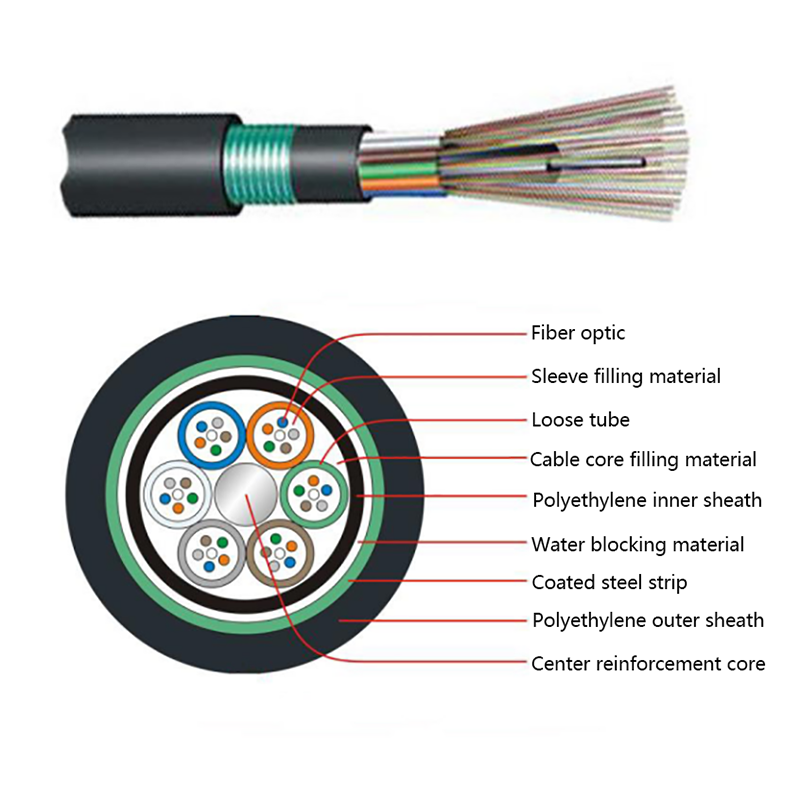
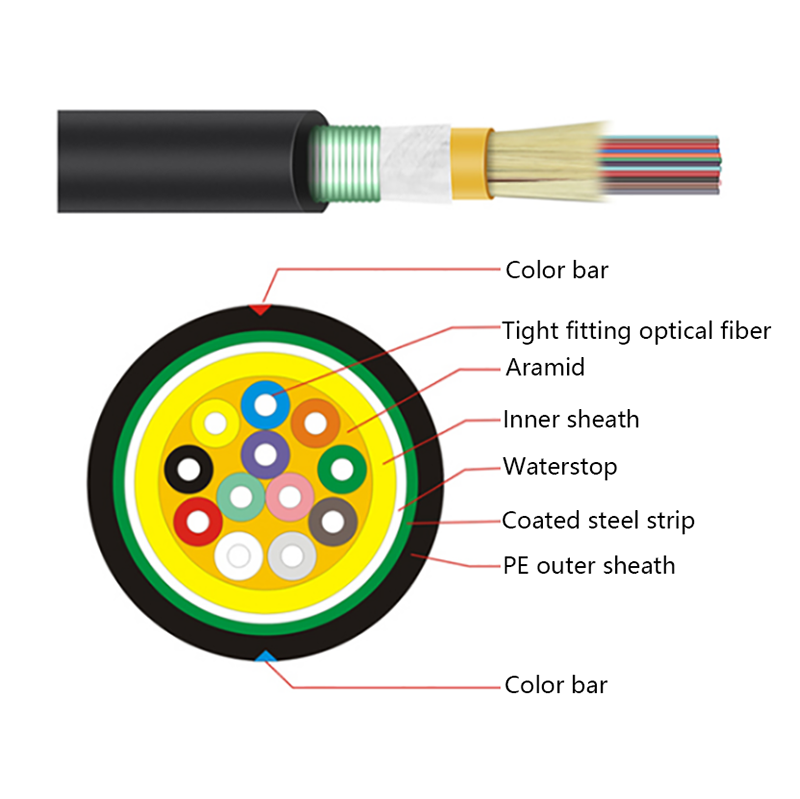
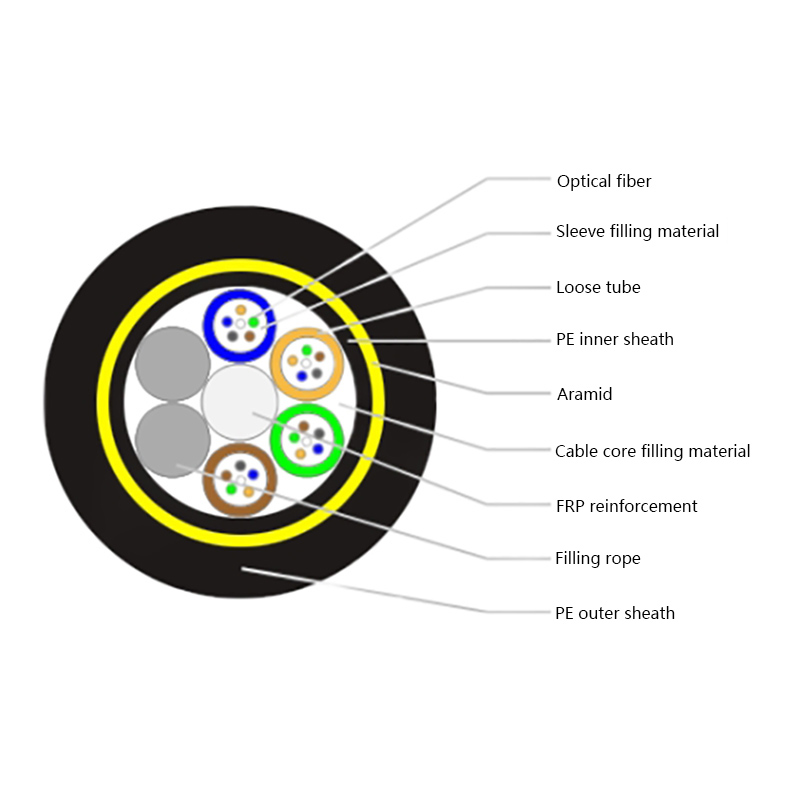
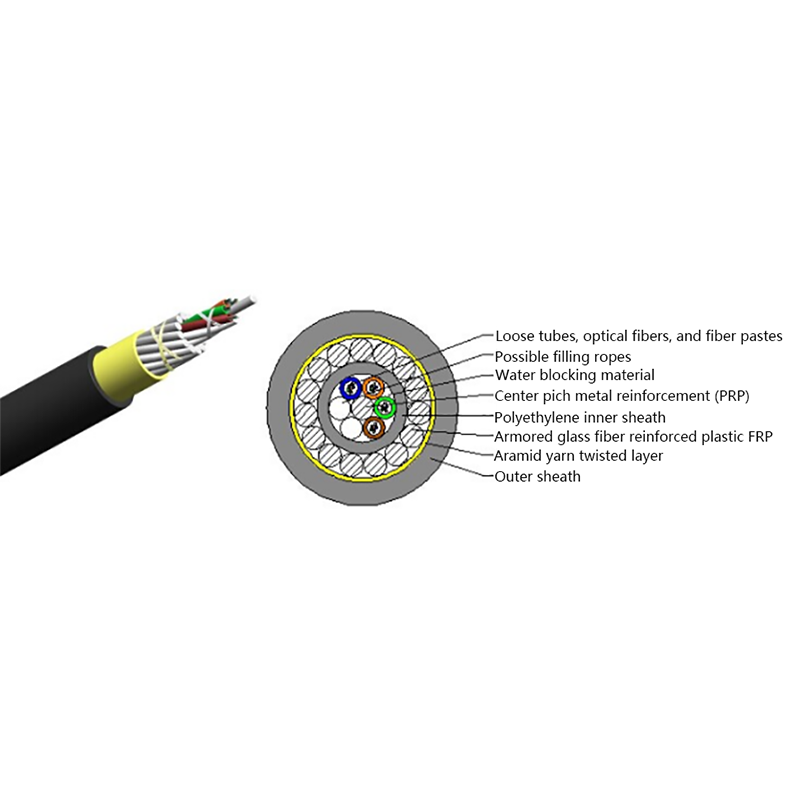
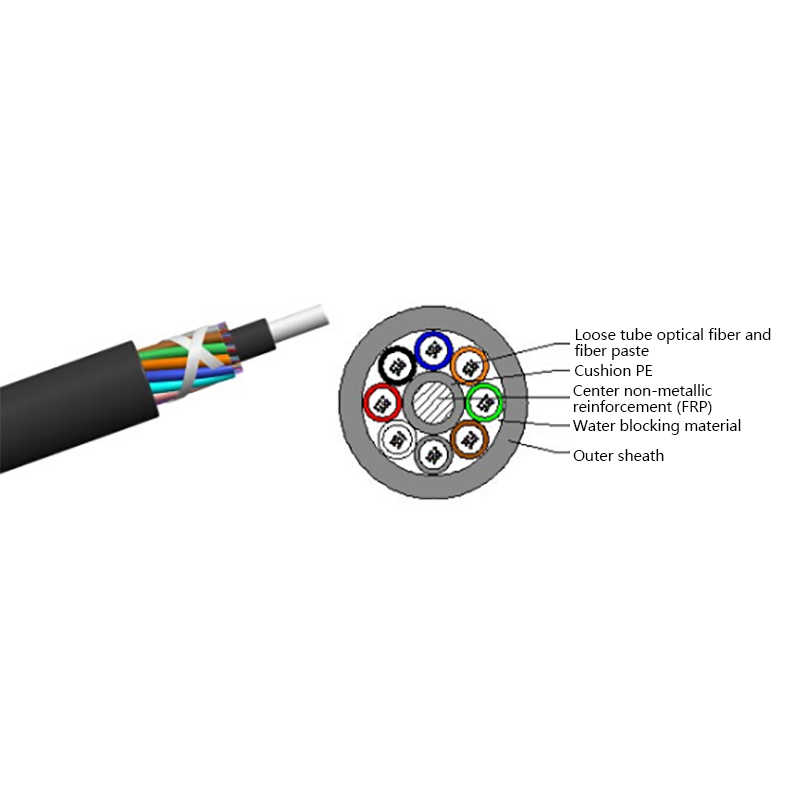
The performance of ADSS cables is closely tied to their internal structure and material selection. Each component is engineered to balance tensile strength, electrical insulation, and environmental resistance. Understanding this structure helps engineers choose the correct cable for specific span lengths and voltage environments.
One of the most significant advantages of ADSS cables is their suitability for installation alongside high-voltage power lines. Because the cable contains no metallic elements, it avoids induced currents and electromagnetic interference. This makes ADSS cables especially valuable for utility companies seeking to deploy fiber optic communication systems on existing transmission infrastructure without compromising safety.
Selecting the correct ADSS cable requires careful evaluation of span length, sag, wind pressure, and ice load. Manufacturers typically classify ADSS cables by short-span, medium-span, and long-span applications. Each classification uses different quantities of aramid yarn and sheath thickness to achieve the required mechanical strength.
| Span Type | Typical Span Length | Common Application |
| Short Span | Up to 100 m | Urban distribution networks |
| Medium Span | 100–300 m | Suburban and rural lines |
| Long Span | 300–1500 m | High-voltage transmission corridors |
ADSS cables are designed for harsh outdoor environments. UV radiation, temperature fluctuation, humidity, and chemical pollution can all degrade cable performance if materials are poorly selected. High-quality ADSS cables use anti-tracking outer sheaths that resist electrical discharge and surface erosion, especially in high-voltage environments.
Proper installation is critical to achieving long-term reliability. Unlike underground fiber optic cables, ADSS cables are continuously exposed to mechanical forces. Incorrect tension control or improper hardware selection can significantly reduce service life.
ADSS cables are widely deployed across multiple industries. Their flexibility and electrical safety make them suitable for both communication operators and utility companies seeking reliable fiber optic solutions.
Typical applications include backbone fiber networks, FTTH aerial distribution, smart grid communication systems, and long-distance intercity links. In developing regions, ADSS cables reduce infrastructure costs by leveraging existing power line corridors without additional civil construction.
Selecting the appropriate ADSS cable involves balancing mechanical strength, fiber count, environmental resistance, and budget. Buyers should evaluate span length requirements, voltage levels, and local climate conditions before finalizing specifications. Working with experienced manufacturers and requesting detailed technical data can significantly reduce project risk and long-term maintenance costs.

Request for a call today

 Login
Custom Optical Cables Manufacturers
Login
Custom Optical Cables Manufacturers