


 English
 русский
 Español
 عربى
عربى 中文简体
中文简体

Air Blown Micro Cable Technology, Advantages & Custom Manufacturing
Content
- 1 Air Blown Micro Cables Deliver Unmatched Network Scalability
- 2 Construction and Design of an Air Blown Micro Cable
- 3 The Installation Process and Dramatic Time Savings
- 4 Custom Manufacturing for Precise Network Demands
- 5 Quality Assurance and Rigorous Testing Protocols
- 6 Industries That Rely on Air Blown Micro Cable
- 7 Future‑Proofing Networks with Air Blown Micro Cable
Air Blown Micro Cables Deliver Unmatched Network Scalability
For network planners aiming to maximize fiber density while keeping civil works to a minimum, air blown micro cables provide a definitive answer. This method uses compressed air to propel lightweight micro cables through pre-installed microducts, routinely achieving installation rates of 150 meters per minute. The outcome is a future‑ready physical layer that can be upgraded without new trenching, directly addressing accelerating bandwidth demands in 5G, FTTH and data center interconnects.
By separating duct placement from cable installation, operators gain the freedom to defer fibre count decisions and scale capacity on demand. This approach reduces upfront capital outlay and eliminates the need for disruptive excavation when adding more fibres later.
Construction and Design of an Air Blown Micro Cable
An air blown micro cable is engineered for minimal weight and diameter while protecting optical fibres during high‑speed blowing. The typical design places 2 to 432 fibres inside a single loose tube, surrounded by dielectric strength members such as aramid yarns. A low‑friction outer jacket, often high‑density polyethylene or low‑smoke zero‑halogen, ensures smooth passage through microducts for distances reaching 2,000 metres in one continuous shot.
Fibre Types and Jacket Options
- ITU‑T G.652.D single‑mode fibre for general‑purpose long‑haul and metro links
- ITU‑T G.657.A1 bend‑insensitive fibre for tight routing in building risers and street cabinets
- Multimode OM3/OM4 fibre for data centre short‑reach interconnects
- Jacket materials: UV‑stabilised PE for outdoor ducts, LSZH for indoor riser plenums, nylon overcoat for rodent protection
| Fibre Count | Jacket Material | Cable Diameter | Max Blowing Distance |
|---|---|---|---|
| 2 – 24 | PE / LSZH | 3.0 – 4.5 mm | 2,000 m |
| 48 – 144 | PE / LSZH | 5.0 – 6.5 mm | 1,500 m |
| 216 – 432 | PE / LSZH | 6.8 – 7.5 mm | 1,000 m |
The Installation Process and Dramatic Time Savings
Installation begins by placing a bundle of microducts along the desired route. Once the duct pathway is proven, a blowing machine feeds the micro cable into the duct while high‑volume compressed air carries it forward. The cable floats on a cushion of air, virtually eliminating friction. A single operator can complete a run of 2,000 metres in under 20 minutes, a stark contrast to traditional pulling methods that are limited to around 500 metres per pull due to tension build‑up.
This technology reduces the number of splicing points by up to 75% on a typical metropolitan link. Fewer splices mean lower insertion loss, faster commissioning and a cleaner OTDR trace for future troubleshooting.
| Parameter | Air Blown Micro Cable | Traditional Pulled Cable |
|---|---|---|
| Max continuous install length | 2,000 m | 500 m |
| Typical installation speed | 150 m/min | 30 m/min |
| Fibre upgrade without new trenching | Yes, re‑blow new cable | No, requires new pull or overlay |
| Disruption to existing ducts | Minimal | High, risk of damage |
Custom Manufacturing for Precise Network Demands
Off‑the‑shelf cables rarely meet the exacting specifications of large‑scale or specialised deployments. A custom air blown micro cable factory combines deep material science expertise with flexible production lines to deliver solutions that match any technical requirement. Engineers work directly with network designers to specify every layer of the cable.
Fully Customisable Parameters
- Fibre count from a single fibre up to 432 fibres, with mixed fibre types in one cable
- Outer jacket: PE, LSZH, nylon, or dual‑layer constructions for harsh environments
- Water‑blocking: dry swellable yarns or traditional gel‑filled for direct‑burial applications
- Microduct dimensions: standard 5/3.5 mm, 7/5.5 mm, or custom to match legacy sub‑ducts
- Pre‑connectorised assemblies with factory‑terminated MTP or LC connectors for plug‑and‑play deployment
- Coloured jackets or ripcords to simplify identification in dense duct banks
A manufacturer equipped with high‑precision testing equipment, including automated OTDR, insertion loss test sets and environmental chambers, validates every reel against Telcordia GR‑20 and IEC 60794 standards. This quality‑first discipline is critical when cables must survive blowing stresses and decades of outdoor exposure.
Quality Assurance and Rigorous Testing Protocols
Reliable air blown micro cable performance rests on exhaustive testing. Factories implement 100% factory testing of every reel, verifying attenuation stays below 0.35 dB/km at 1310 nm and 0.25 dB/km at 1550 nm. Tensile strength tests subject the cable to forces well above the maximum blowing tension, typically 1,500 N for high‑count designs. Crush and impact testing ensures the cable survives heavy duct traffic and accidental compression without fibre breakage.
Temperature cycling from ‑40 °C to +70 °C confirms stable optical performance in extreme climates. Repeated bending around a mandrel simulates the flexing that occurs during coiling and mid‑span access, with zero permanent attenuation increase being the acceptance criterion. These protocols give operators confidence that a custom air blown micro cable will perform identically on day one and after years of service.
Industries That Rely on Air Blown Micro Cable
- 5G mobile networks: Rapid small‑cell backhaul deployment with the ability to re‑blow higher fibre counts as radio units densify.
- FTTH and FTTB: Greenfield and brownfield last‑mile connectivity where microducts follow gas or water pipe routes to avoid digging.
- Data centre interconnects: High‑density campus links that can be upgraded from 100G to 400G simply by blowing a new cable with higher‑grade fibres.
- Electric power utilities: All‑dielectric construction eliminates ground loops and electromagnetic interference along high‑voltage corridors.
- Intelligent transportation systems: Roadside fibre for traffic cameras, variable message signs and connected vehicle infrastructure, often sharing existing drainage ducts.
- National defence and education campuses: Secure, scalable private networks that can be reconfigured without exposing sensitive fibres.
Future‑Proofing Networks with Air Blown Micro Cable
Choosing air blown micro cable infrastructure is a long‑term strategic decision. The ability to add fibres later without civil works slashes the total cost of ownership by as much as 40% over a 20‑year lifecycle. Network operators who partner with an experienced custom manufacturer gain a single source for design, testing and volume production, ensuring every cable performs flawlessly in the field.
As global data consumption continues to double every two years, the flexibility of blown micro cable solutions transforms the physical layer from a fixed constraint into an adaptable, revenue‑generating asset. The consistent application of rigorous manufacturing quality and the availability of deep customisation mean that no matter the geographic or climatic challenge, a tailored air blown micro cable design exists to meet it.
Related Products
-
Optical Phase Conductor OPPC Cable
-
GYXTW Central Tube Armored Outdoor Optical Cable
-
Fiber Optic Patch Cables
-
OPGW Optical Fiber Composite Overhead Ground Wire
-
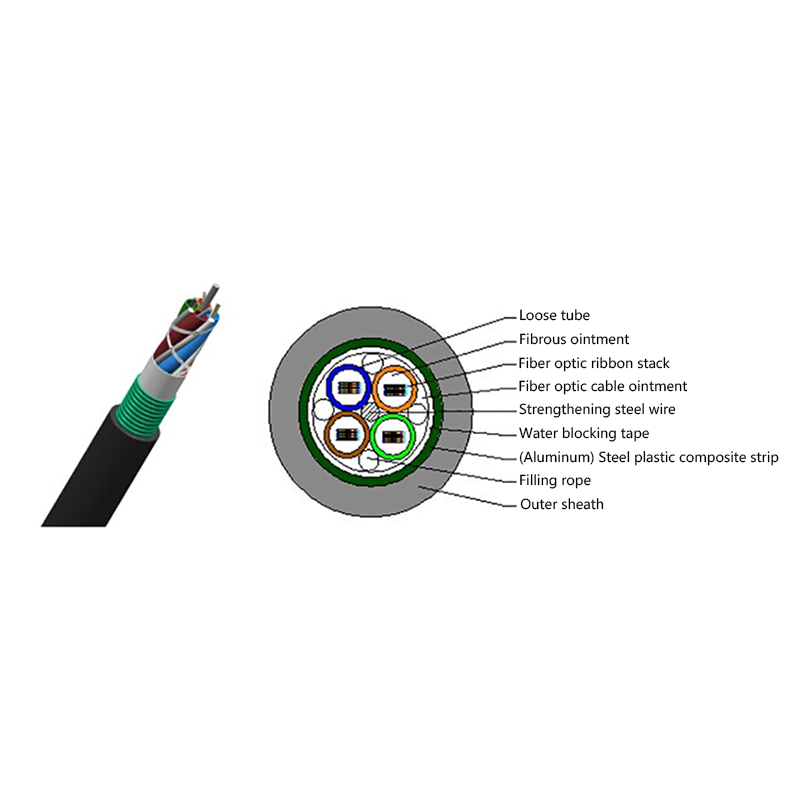
GYDTA(S) Layer Stranded Optical Fiber Ribbon Cable
-
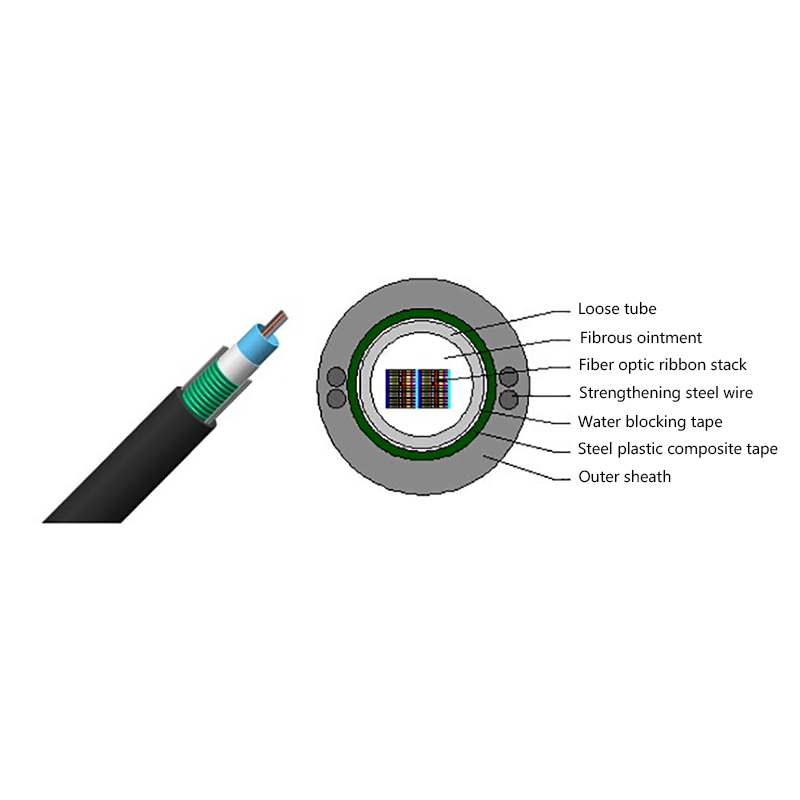
GYDXTW Center Tube Outdoor Optical Fiber Ribbon Cable
-
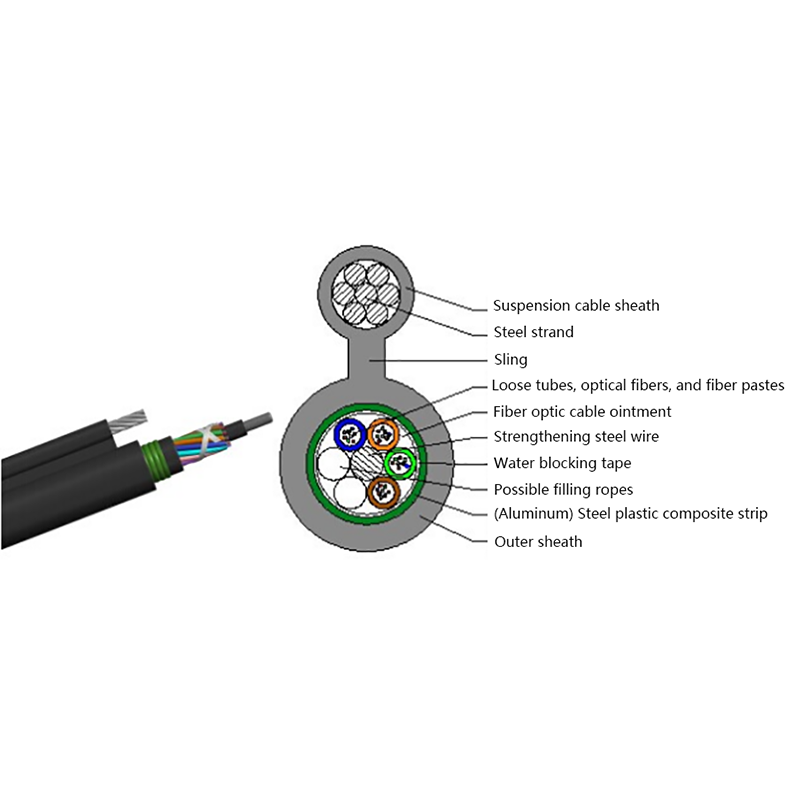
GYTC8A (S) Outdoor layer Stranded 8-shaped Self-Supporting Optical Cable
-
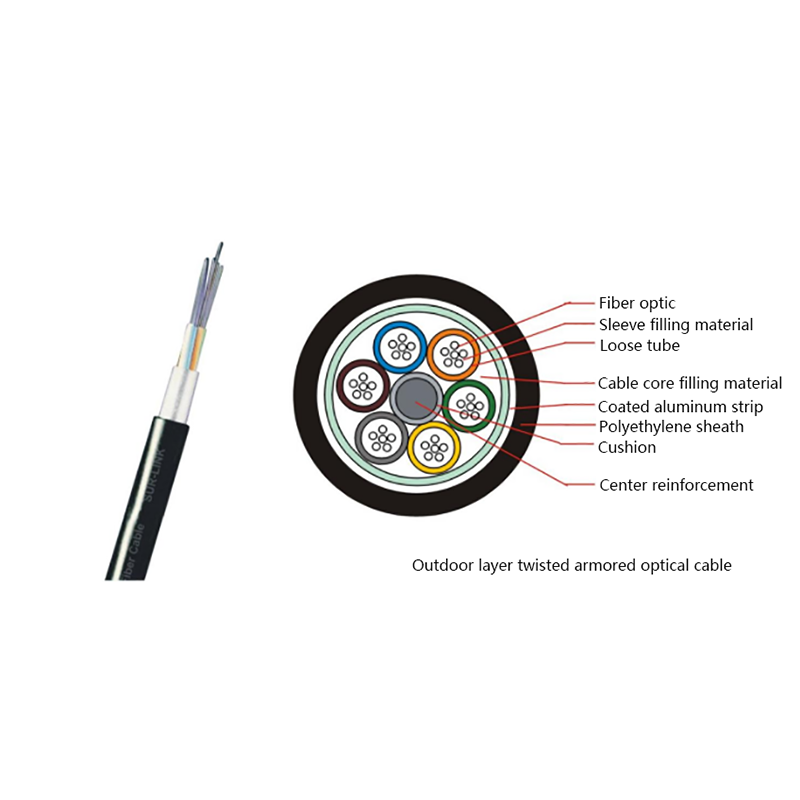
GYTA Layer Stranded Aluminum-Polyethylene Bonded Sheathed Outdoor Optical Cable
-
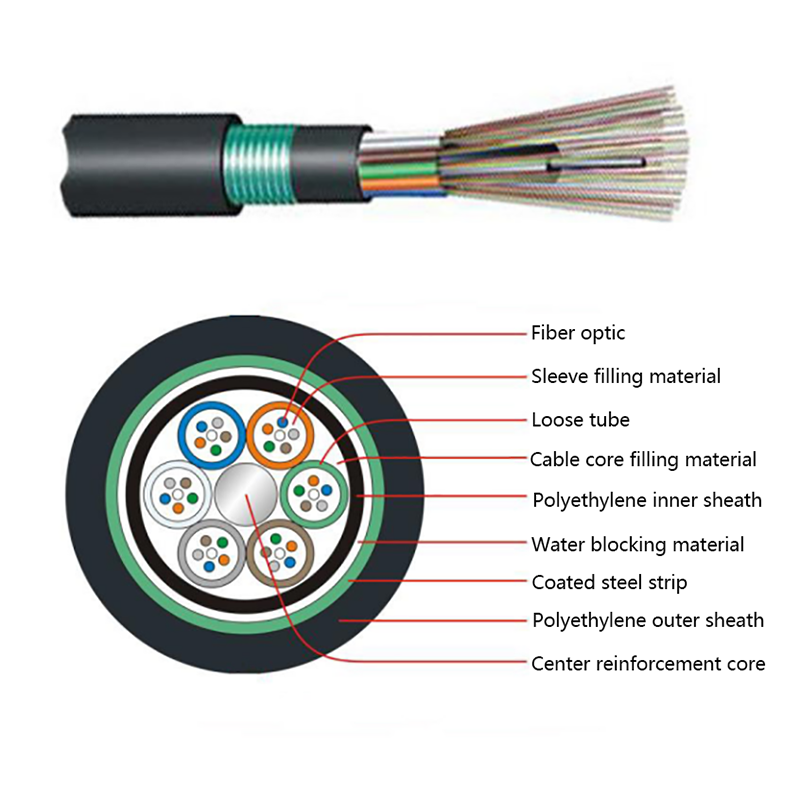
GYTY53 Layer-Stranded PE Inner Sheathed Steel Tape Armored Outer Sheath Optical Cable
-
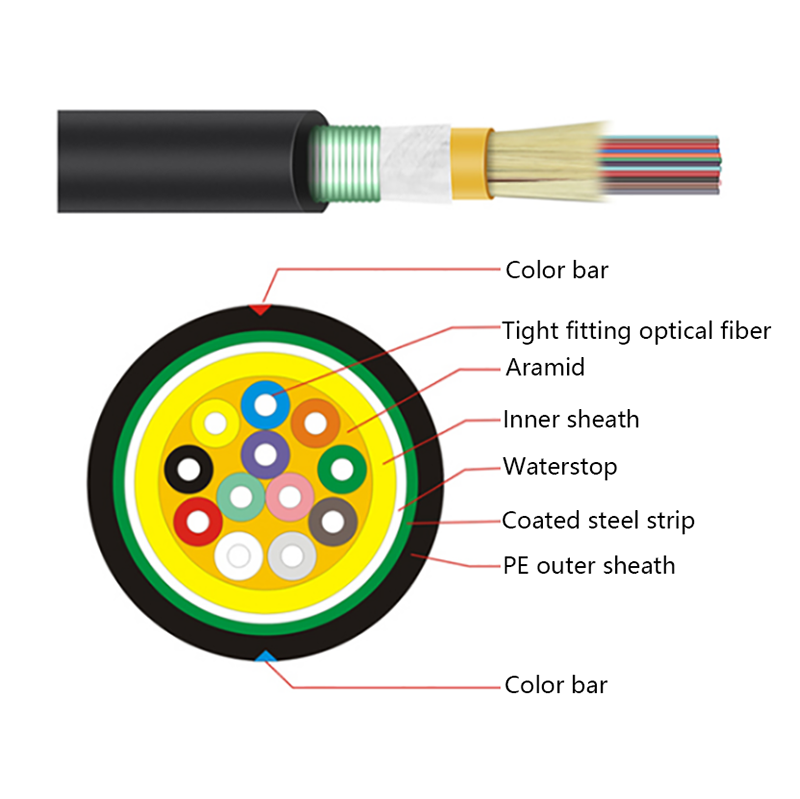
GJFJH53 Indoor Bundled Steel Tape Armored Optical Cable
-

GJPFJV GJFJHV Indoor Branch Optical Cable
-
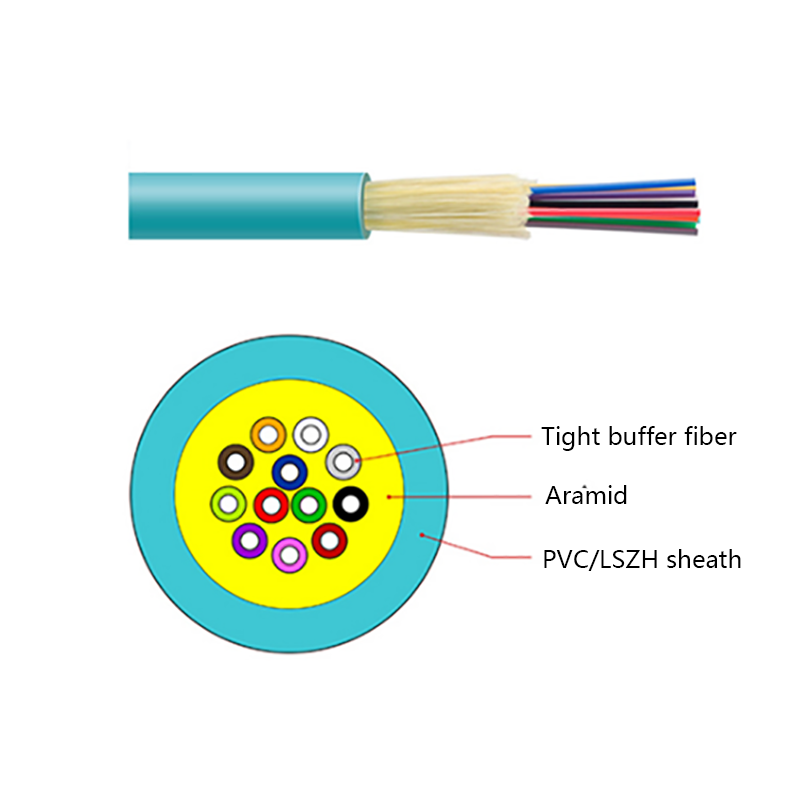
GJFJV Indoor Single Bundle Fiber Optical Cable
-
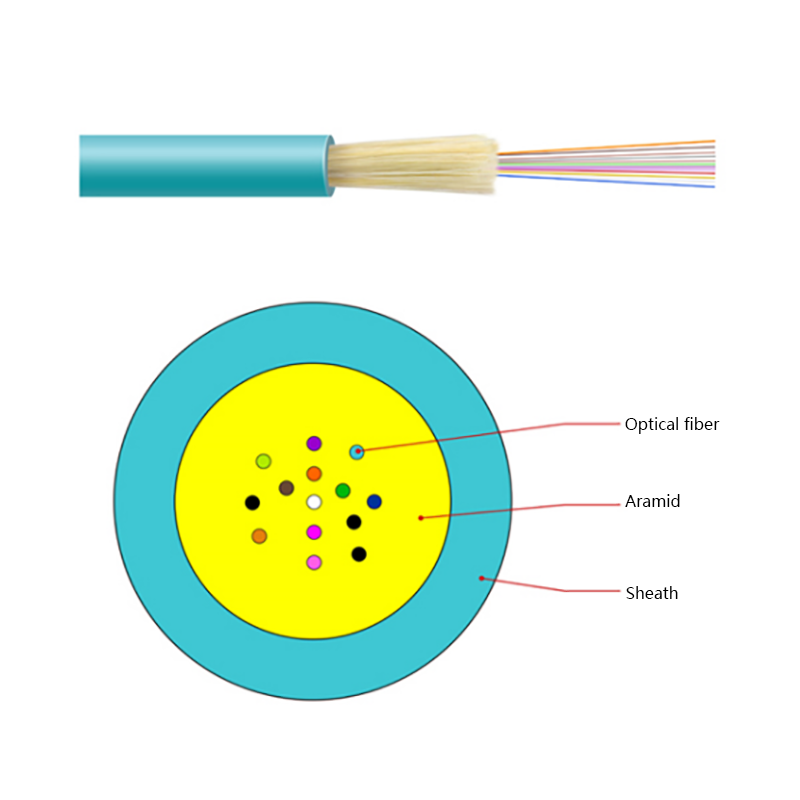
GJFV Indoor Mini Bundle Fiber Optic Cable
-
GJFJV Indoor Single Core Jumper Wire Optical Cable
-
Indoor Tight-Buffered Fibre Optic Cable
-
ADSS—All-Dielectric Self-Supporting Optical Cable
-
Anti-Squirrel ADSS Optical Cable
-
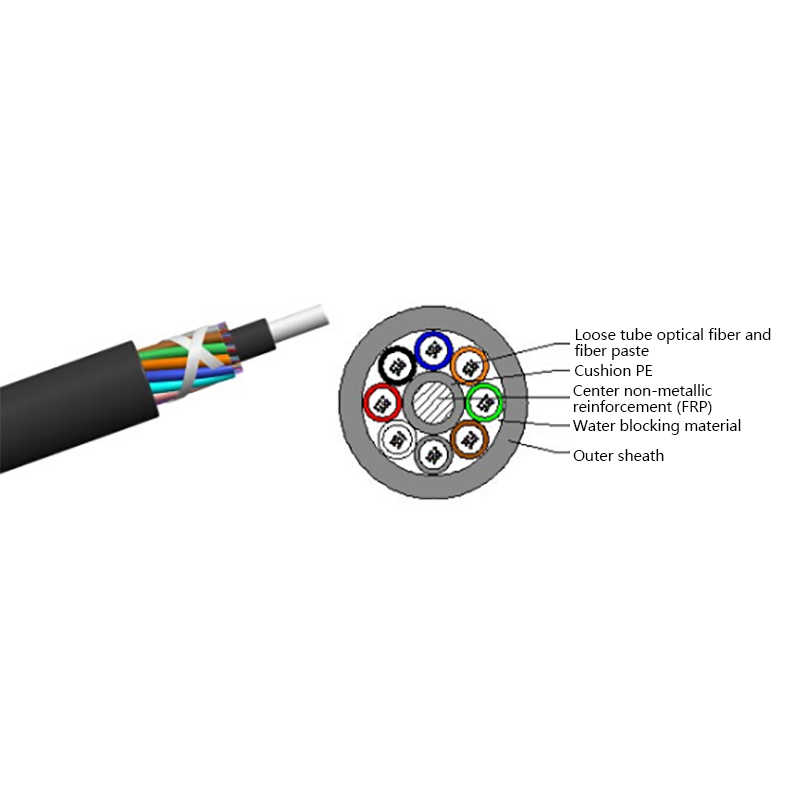
Non-metallic optical cable
Looking For Bussiness Opportunity?
Request for a call today

- Tel: +86-139-6297-6666
- Whatsapp: +86-13962991888
- E-mail: [email protected] / [email protected]
- Add: No.18, Xinjing Road, Nantong Economic and Technological Development Zone, Jiangsu Province, China
Products
Message
Coprright 2023 Jiangsu Hawell Optoelectronic Technology Co., Ltd. All Rights Reserved
 Login
Custom Optical Cables Manufacturers
Login
Custom Optical Cables Manufacturers
Login
Custom Optical Cables Manufacturers