


 English
 русский
 Español
 عربى
عربى 中文简体
中文简体

Air Blown Micro Cables Guide: Speed, Cost & Future-Proof Networks
Content
Air blown micro cables represent the most agile and cost-efficient method for deploying fiber optic networks in congested duct spaces. By decoupling the empty microduct installation from the fiber blowing process, network operators can achieve up to 70% reduction in initial capital expenditure compared to traditional cable pulling, while gaining the ability to upgrade capacity without civil engineering works.
The core advantage lies in the physical installation method. Using compressed air combined with mechanical pushing, these lightweight cables are floated through microducts over distances often exceeding 2000 meters in a single shot. This eliminates the high tensile stress associated with pulling conventional cables, preserving the integrity of the glass fibers and allowing for significantly higher fiber densities in pathways that were previously considered exhausted.
The Economics of Blown Fiber Infrastructure
The financial logic shifts from a high upfront sunk cost to a just-in-time investment model. Traditional dark fiber builds require massive initial outlay to fill ducts with unused fibers. In contrast, micro cables are only installed when revenue-generating demand arises. This dramatically shortens the path to profitability by matching infrastructure investment directly with subscriber growth.
Empty microduct bundles are extremely low-cost to install. The high-cost component, the fiber cable itself, is deferred. For a typical Fiber-to-the-Home deployment scenario, the cost of installing an empty 7-way microduct might be comparable to pulling a single traditional optical ground wire, yet the microduct bundle provides seven independent pathways for future expansion, whereas the traditional cable’s capacity is capped from day one.
System Components Ensuring Performance
A reliable blown fiber system relies on the precise engineering of three interconnected elements. The performance of the assembly is highly dependent on the dimensional tolerances between the cable jacket and the inner wall of the microduct.
Microduct Selection and Pathway Design
Silicon-coated, high-density polyethylene microducts create the fundamental pathway. Sizes typically range from 3 mm to 16 mm outer diameter. The critical property here is the internal friction coefficient. A stable, low-friction surface is required to maximize blowing distances. Variations in altitude and excessive undulating routes must be managed because they create friction points that can halt a blowing piston before the cable reaches the closure point.
Cable Jacket and Fiber Matrix Design
The air blown micro cable typically features a special textured or foamed outer jacket designed to catch the compressed air stream, creating a viscous drag effect. The internal structure forgoes traditional rigid strength members in favor of a fiber matrix that remains flexible. This design allows the cable to navigate tight bends without inducing macrobend signal loss, a crucial feature when navigating congested handhole vaults or riser spaces.
Installation Equipment Calibration
The blowing machine head precisely controls the combination of air pressure and mechanical drive rollers. Effective installations operate on the principle of fluidic drag. By maintaining a balanced air speed and pushing force, the cable core floats within the center of the duct, avoiding wall contact. This technique routinely achieves installation speeds of up to 90 meters per minute, drastically cutting labor hours in long-haul access networks.
Density Comparison: Micro Cables vs. Traditional Cables
The spatial efficiency is the primary driver behind micro technology adoption in city centers where duct space is rented by the millimeter. The table below illustrates the dramatic difference in fiber count per square millimeter of duct cross-section.
| Cable Type | Outer Diameter | Maximum Fiber Count | Cross-Sectional Density |
|---|---|---|---|
| Standard Loose Tube | 12.0 mm | 144 | 1.27 fibers/mm² |
| Air Blown Micro Cable | 6.5 mm | 288 | 8.68 fibers/mm² |
| Central Tube Cable | 8.0 mm | 96 | 1.91 fibers/mm² |
The data shows that switching to micro cables can yield a 6.8 times increase in packing density. This effectively eliminates the need for costly build-out projects in saturated metropolitan distribution networks, allowing legacy 40 mm duct to accommodate thousands of fibers.
Optimizing Route Integrity and Blowing Distance
Maximizing the distance between blowing access points directly reduces splicing closures and labor costs. Achieving a successful 2500-meter blow hinges on route preparation rather than brute machine power.
Maintaining strict geometric control during duct laying is non-negotiable. A route with multiple 90-degree sweeps can reduce the viable blowing distance by over 40%. Using the largest possible bend radius and avoiding serpentine laying patterns preserves the laminar airflow required for the cable to reach terminal velocity. Furthermore, an airtight seal test on the microduct bundle prior to blowing prevents pressure loss, ensuring the viscous drag force remains constant across the entire link length.
Strategies for Legacy Network Migration
Air blown micro cables are not exclusively for greenfield builds. They serve as a critical tool for rehabilitating congested interoffice ducts. Overlay installation involves inserting a microduct bundle into a partially occupied main duct, then blowing in a high-count fiber unit.
This tactic is particularly effective in colocation data center interconnects where physical space inside entry vaults is blocked by thick, legacy copper bundles. A single 14/10 mm microduct can be threaded past these obstacles and then populated with an air blown unit carrying 432 fibers, providing substantial dark fiber capacity for cloud providers without the municipality issuing new excavation permits.
Installation Success Factors
Field failures are rarely a result of defective cable but of improper environmental handling. The following practices separate a high-yield deployment from a stuck cable incident:
- Lubrication application must be controlled. Injected lubricants can cause the cable to hydroplane and tumble inside the duct, leading to dynamic stress that shatters the fiber coating over long hauls.
- Temperature variation matters. Installation in cold ambient temperatures shrinks the microduct inner diameter and hardens the cable jacket, increasing friction. Staging the cable reel in a temperature-controlled environment prior to blowing mitigates this.
- Proper sealing of the blowing cannon head prevents air leakage. A 10% drop in air volume correlates to a significant decrease in the viscous drag force that carries the fiber head.
- Anchoring the microduct at the receiving end prevents the "snake whip" effect, where the escaping air pressure flails the tube and damages the exposed fiber strands.
Cable Removal and Reconfiguration
A distinct operational advantage is reversibility. Applying reversed air pressure allows technicians to safely extract an outdated micro cable and replace it with a new one without any digging or splicing of the main path. This capability is vital for technology refreshes, such as replacing standard single-mode fibers (G.652) with bend-insensitive variants (G.657) to support 5G fronthaul topologies. The ability to physically re-fiber a route in under four hours, without entering any manholes, defines the future-proof nature of the architecture.
Related Products
-
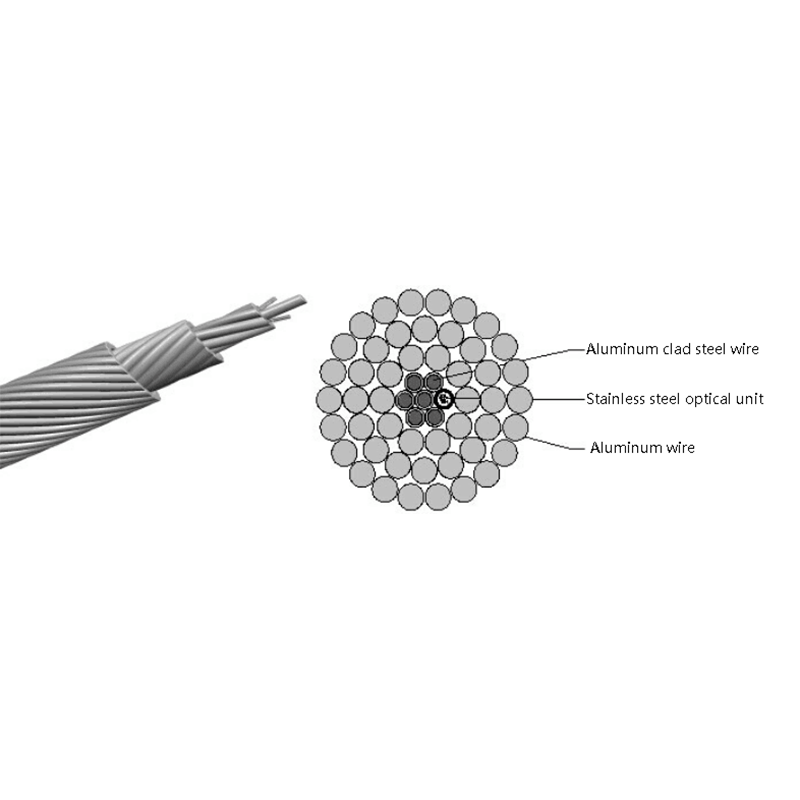
Optical Phase Conductor OPPC Cable
-
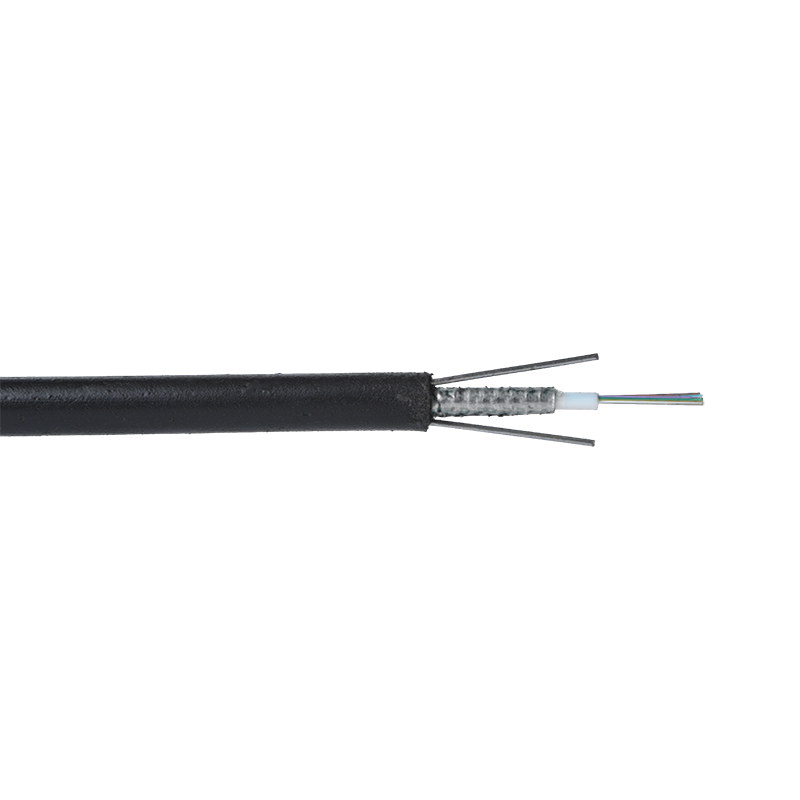
GYXTW Central Tube Armored Outdoor Optical Cable
-
Fiber Optic Patch Cables
-
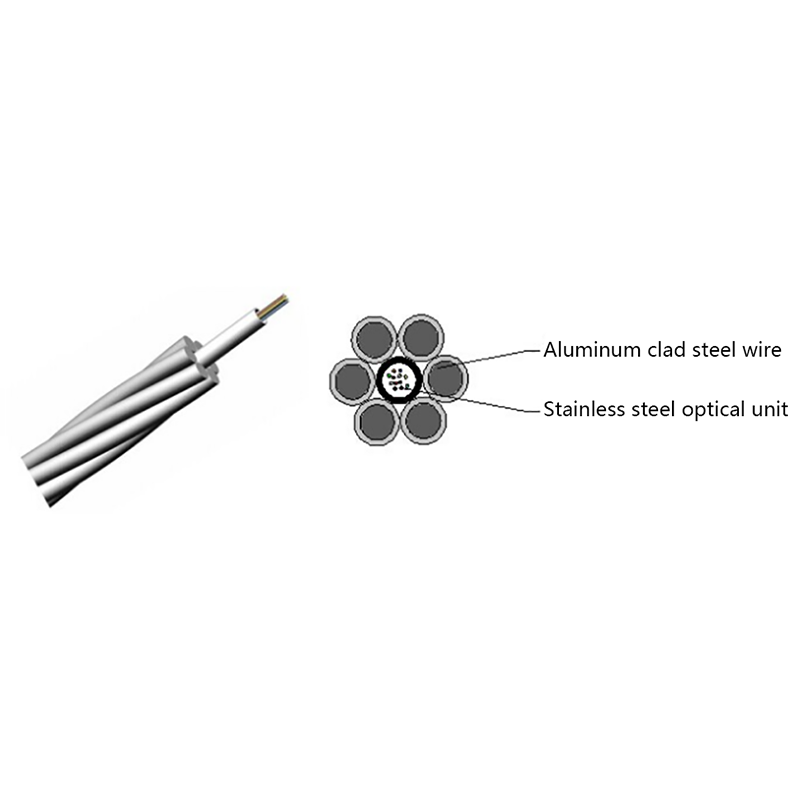
OPGW Optical Fiber Composite Overhead Ground Wire
-
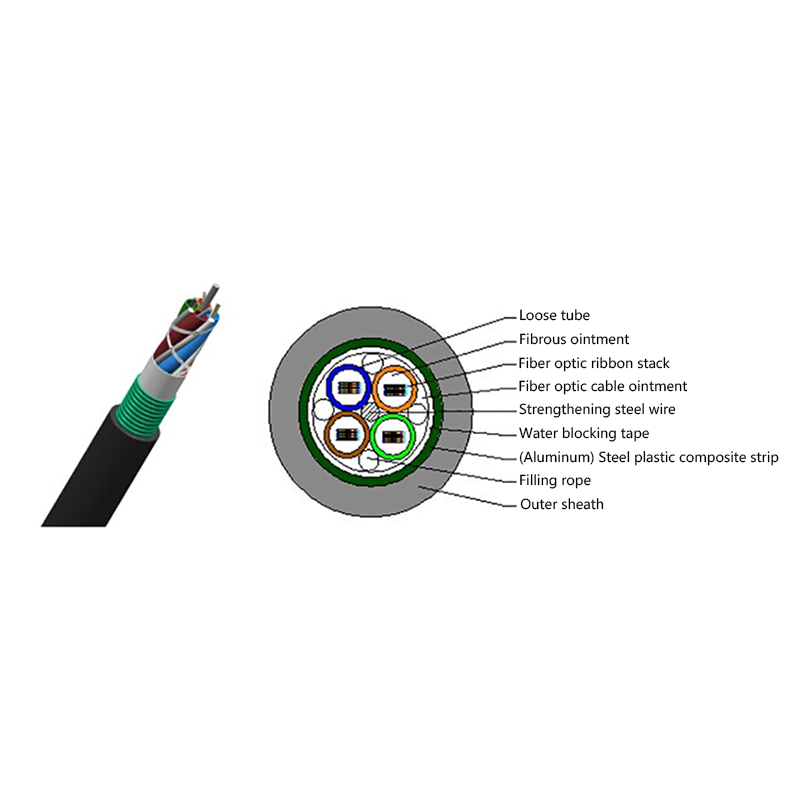
GYDTA(S) Layer Stranded Optical Fiber Ribbon Cable
-
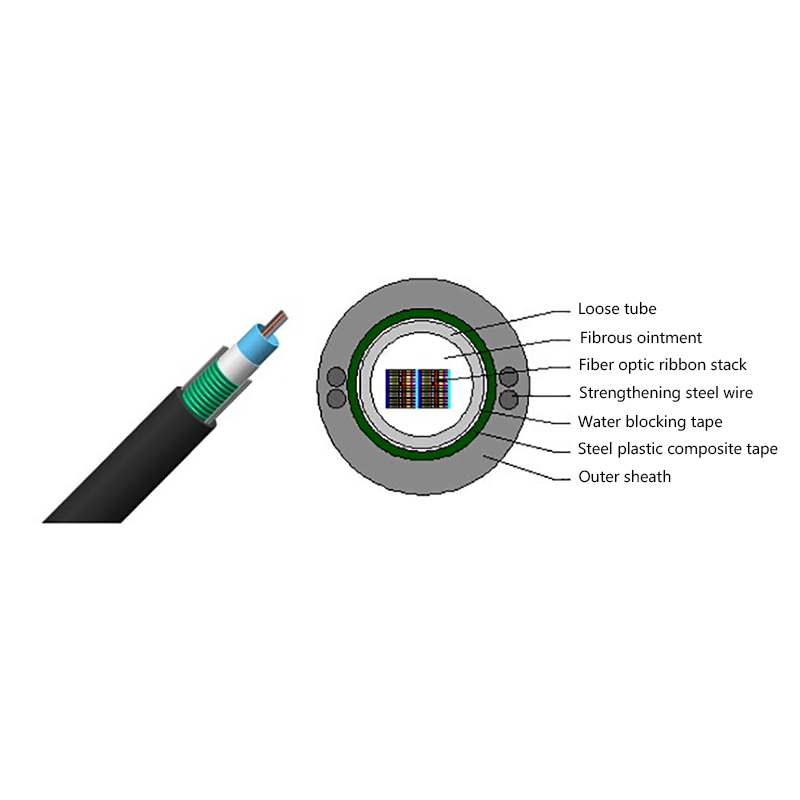
GYDXTW Center Tube Outdoor Optical Fiber Ribbon Cable
-
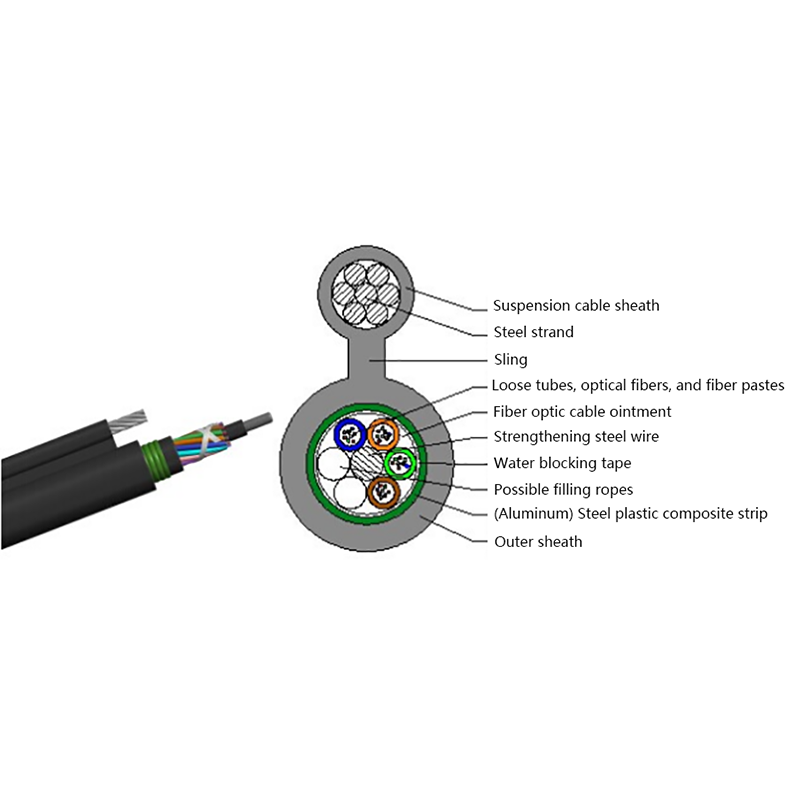
GYTC8A (S) Outdoor layer Stranded 8-shaped Self-Supporting Optical Cable
-
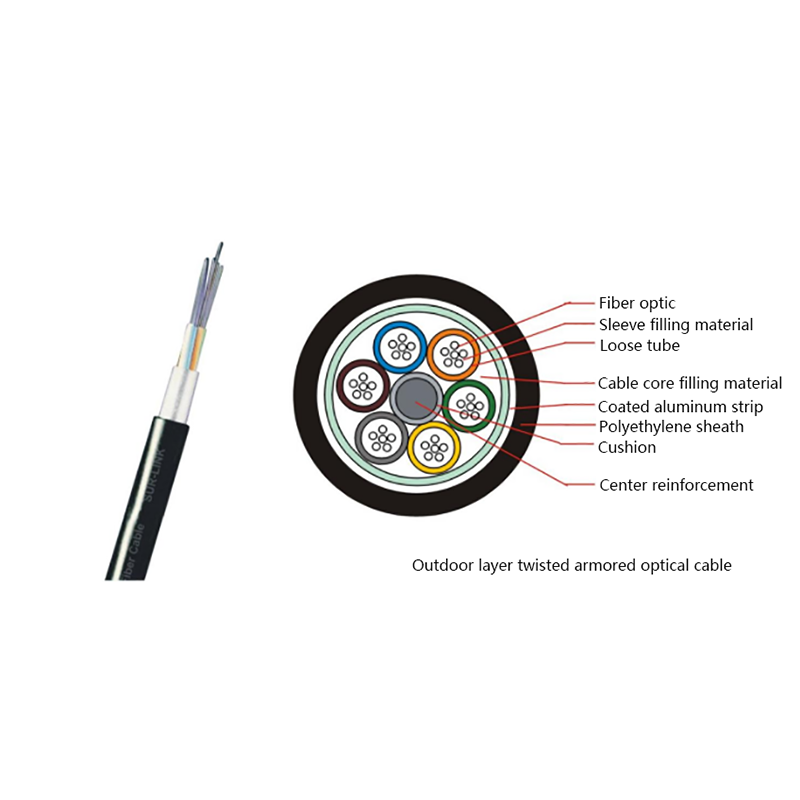
GYTA Layer Stranded Aluminum-Polyethylene Bonded Sheathed Outdoor Optical Cable
-
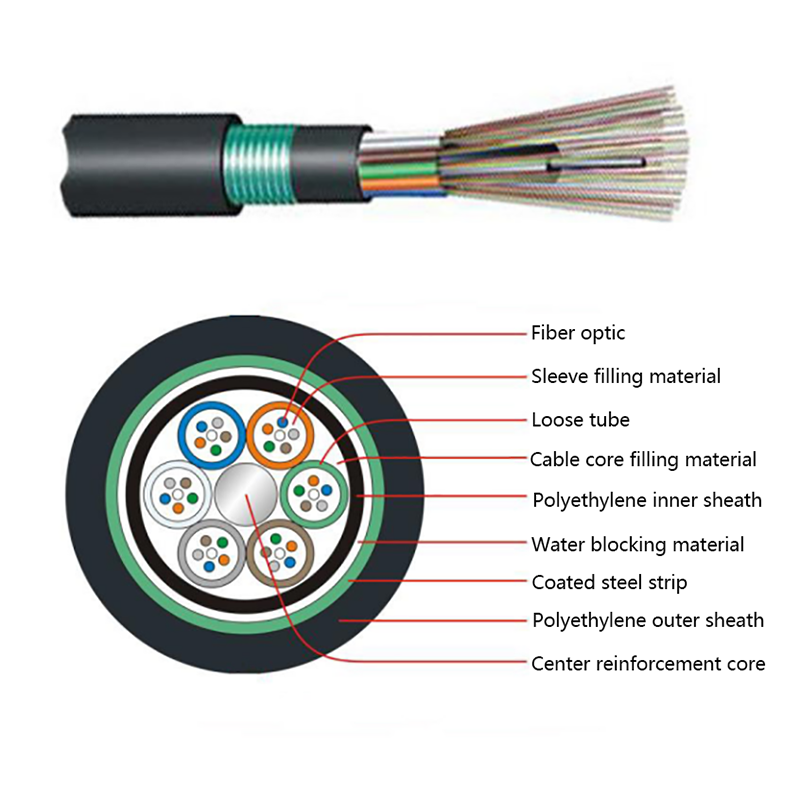
GYTY53 Layer-Stranded PE Inner Sheathed Steel Tape Armored Outer Sheath Optical Cable
-
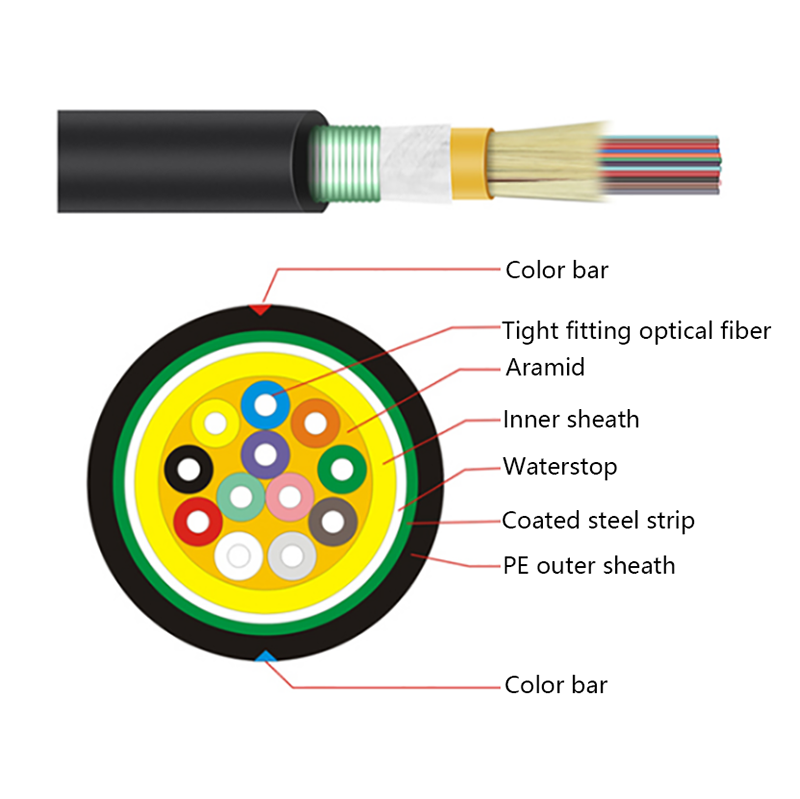
GJFJH53 Indoor Bundled Steel Tape Armored Optical Cable
-

GJPFJV GJFJHV Indoor Branch Optical Cable
-
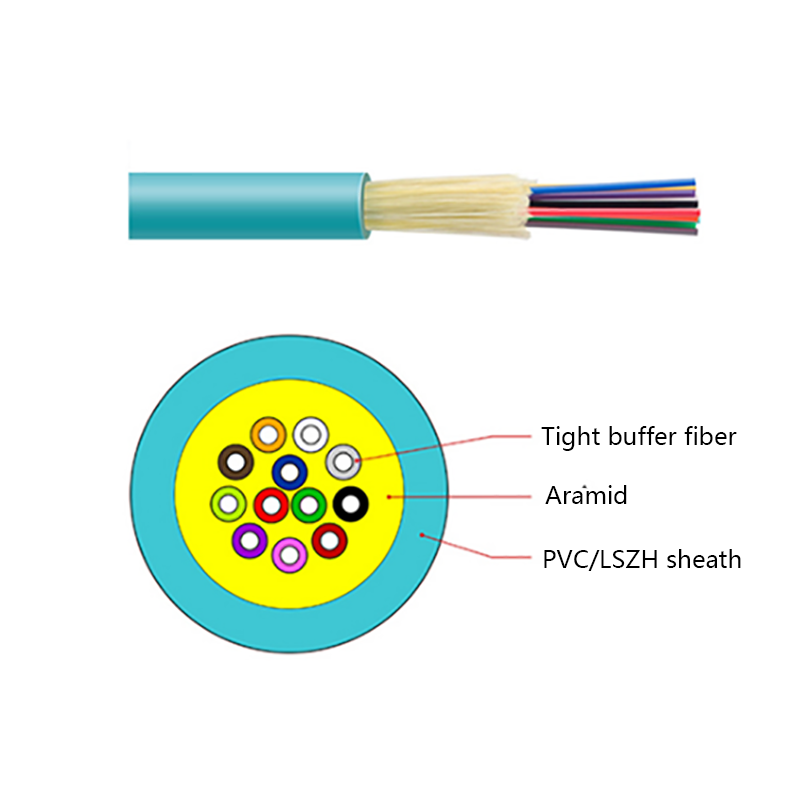
GJFJV Indoor Single Bundle Fiber Optical Cable
-
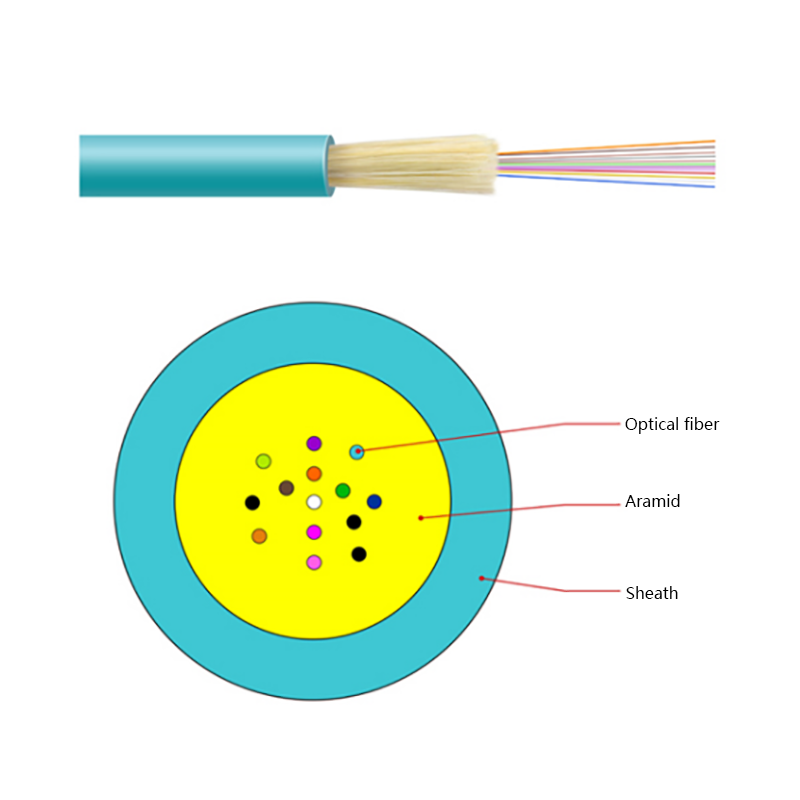
GJFV Indoor Mini Bundle Fiber Optic Cable
-
GJFJV Indoor Single Core Jumper Wire Optical Cable
-
Indoor Tight-Buffered Fibre Optic Cable
-
ADSS—All-Dielectric Self-Supporting Optical Cable
-
Anti-Squirrel ADSS Optical Cable
-
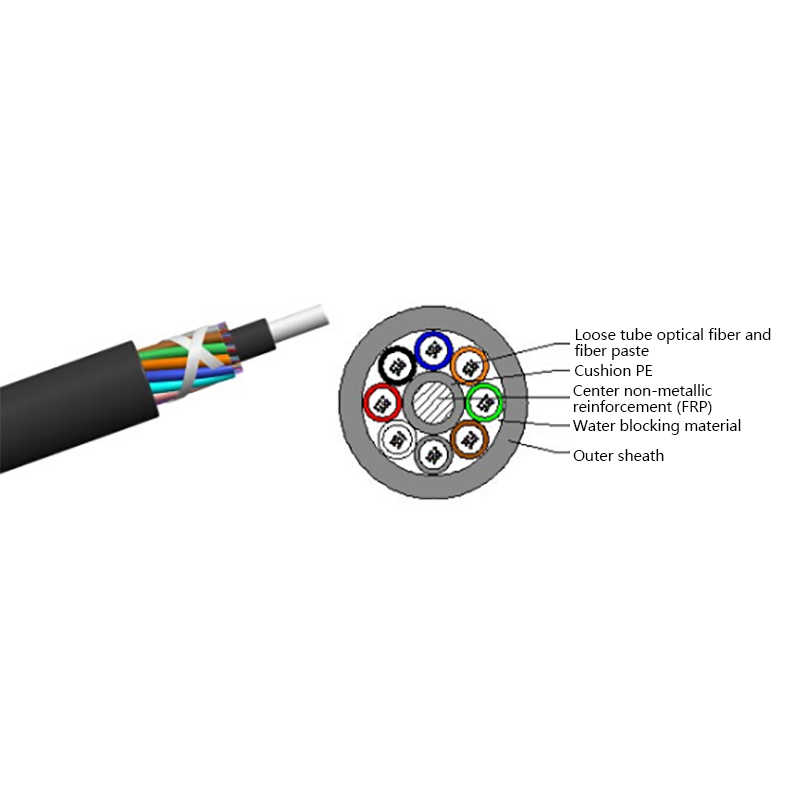
Non-metallic optical cable
Looking For Bussiness Opportunity?
Request for a call today

- Tel: +86-139-6297-6666
- Whatsapp: +86-13962991888
- E-mail: [email protected] / [email protected]
- Add: No.18, Xinjing Road, Nantong Economic and Technological Development Zone, Jiangsu Province, China
Products
Message
Coprright 2023 Jiangsu Hawell Optoelectronic Technology Co., Ltd. All Rights Reserved
 Login
Custom Optical Cables Manufacturers
Login
Custom Optical Cables Manufacturers
Login
Custom Optical Cables Manufacturers