


 English
 русский
 Español
 عربى
عربى 中文简体
中文简体
News
Home / News / Industry news / Fiber vs Ethernet: Speed, Distance, and Cost Compared for Real Networks

Content
A 100 m Cat 6A run and a 100 m OM4 fiber run cost roughly the same in materials. The picture changes at 250 m: copper cannot carry 10 Gbps that far at all, while one multimode fiber pair still does it with passive cabling and no mid-span electronics.
Fiber optic cable carries data as pulses of light through a glass core, while Ethernet cable in everyday use means twisted-pair copper that carries data as changing electrical voltage. Both carry identical Ethernet frames and identical IP traffic. The difference is the physical medium, and every distance, bandwidth, power and interference limit that follows from it.
Copper Ethernet is cheaper and faster to install for runs under 100 m that must also deliver power; fiber is the only practical choice beyond a few hundred meters and the better long-term choice wherever bandwidth demand is still climbing.
| Factor | Fiber optic cable | Ethernet twisted pair |
| Signal carrier | Light pulses in a glass core | Electrical voltage on copper pairs |
| Common link speeds | 1G to 400G per link, higher with WDM | 100M to 10G, plus 2.5G and 5G tiers |
| Standard reach | 550 m on OM4 multimode, 10 km and beyond on single-mode | 100 m channel limit, about 55 m for 10GBASE-T on Cat 6 |
| Interference | Immune to EMI, crosstalk and ground loops | Sensitive to EMI, alien crosstalk and grounding faults |
| Power delivery | None over glass; hybrid composite cables add copper | PoE up to roughly 90 W on 802.3bt |
| Termination | Fusion splice or pre-terminated assembly, OTDR test | Field crimp or punch-down, certification tester |
| Upgrade path | Change the optics, keep the cable | Often recable to reach the next speed tier |
The 100 m limit is not a suggestion you can stretch. Once a copper channel crosses it, the link either drops to a lower speed or fails certification, and no amount of switch tuning fixes a physics problem.
Both media deliver the same Ethernet frames at the same line rates today, so the useful question is which one still has room when the next upgrade lands. Mainstream copper stops at 10 Gbps per channel, while fiber moves from 10G to 100G or 400G by swapping transceivers at each end.
On a cost-per-port basis, 10GBASE-T looks attractive until the supporting costs arrive. Copper 10G physical layer chips draw noticeably more power than optical equivalents, so a fully populated copper switch rack needs more cooling and a larger UPS than the same port count behind SFP+ or SFP28 cages. In dense racks that difference is often the deciding factor, not the cable price.
Bandwidth is rarely the first limit people hit. Rack power, heat and cable diameter usually bite first, and fiber is ahead on all three.
The 100 m channel limit on twisted-pair copper is the constraint that pushes most projects onto fiber, and it usually appears as a single long span that forces the whole topology to change.
Link budget, not marketing reach, sets the real limit. This walkthrough of fiber optic cable run distance limits covers splice loss, connector loss and dispersion in practical terms.
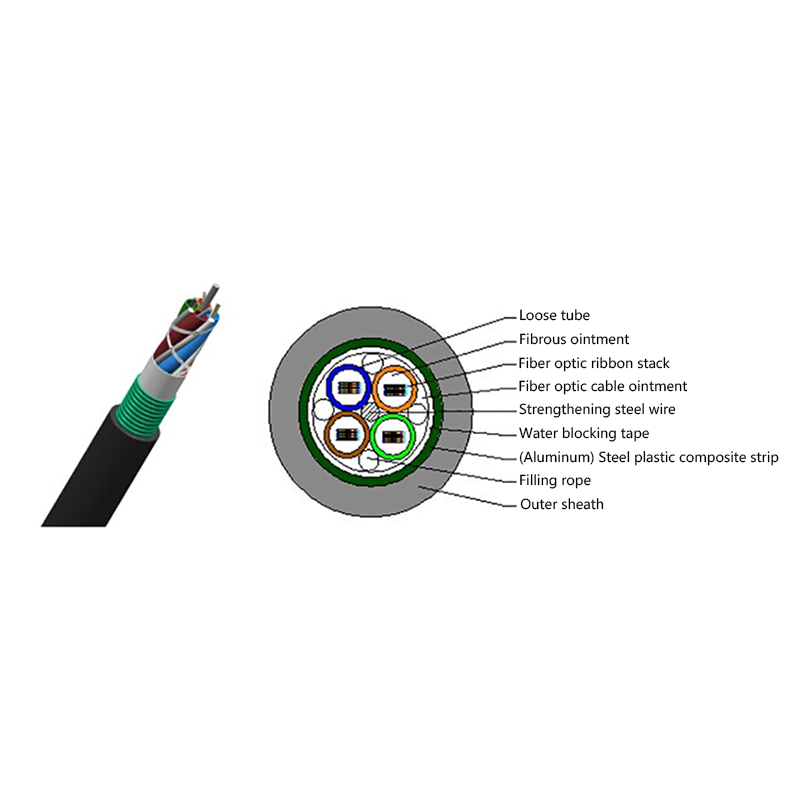
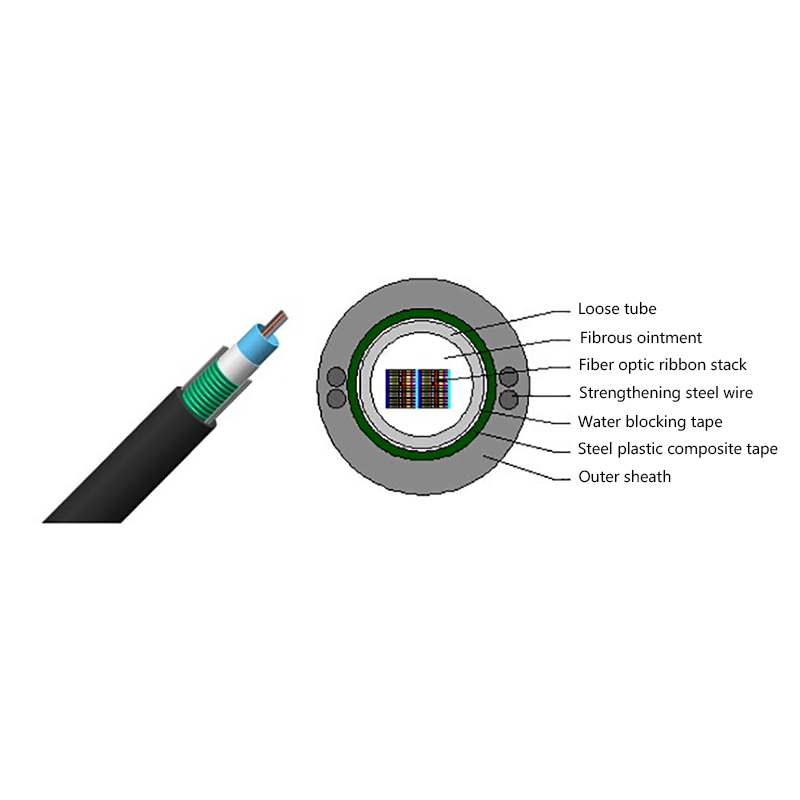
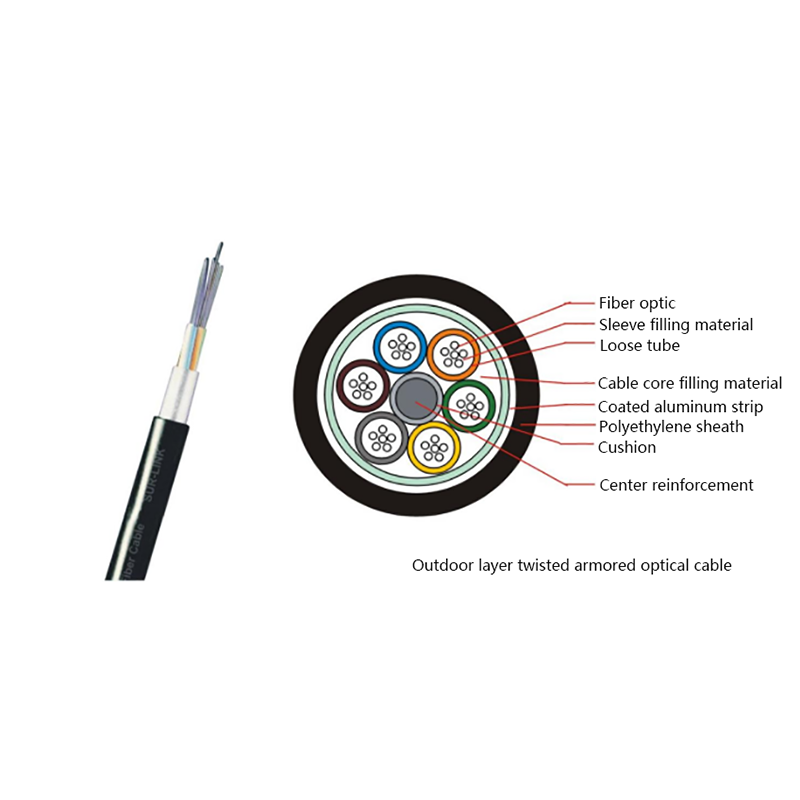
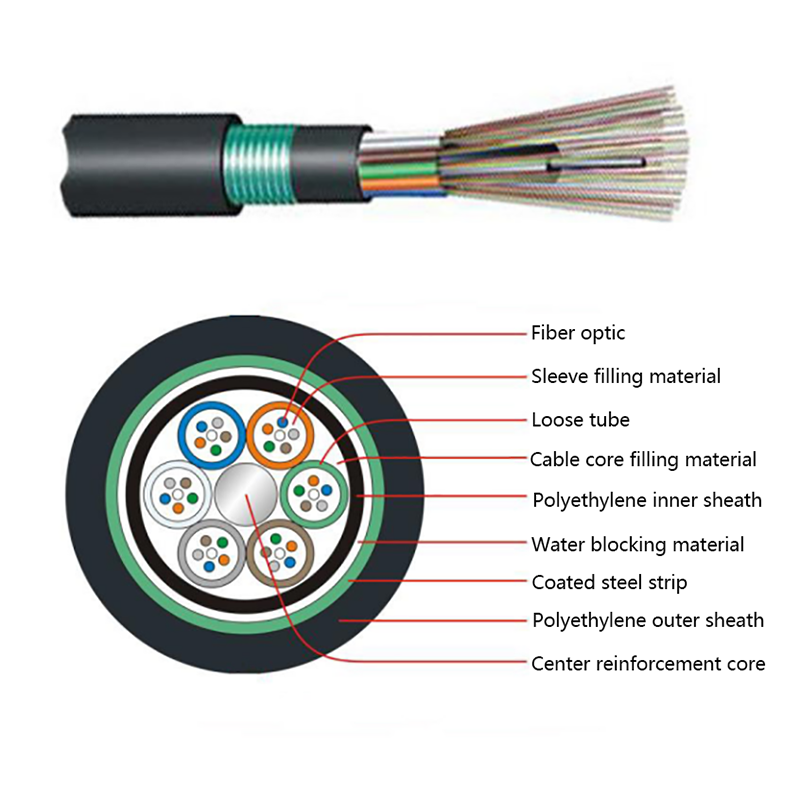
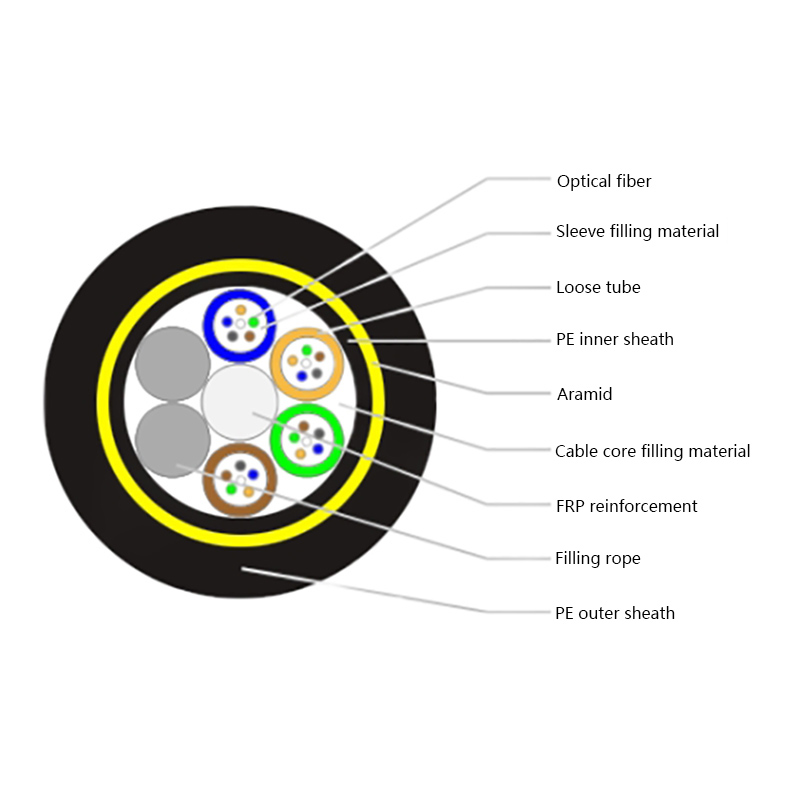
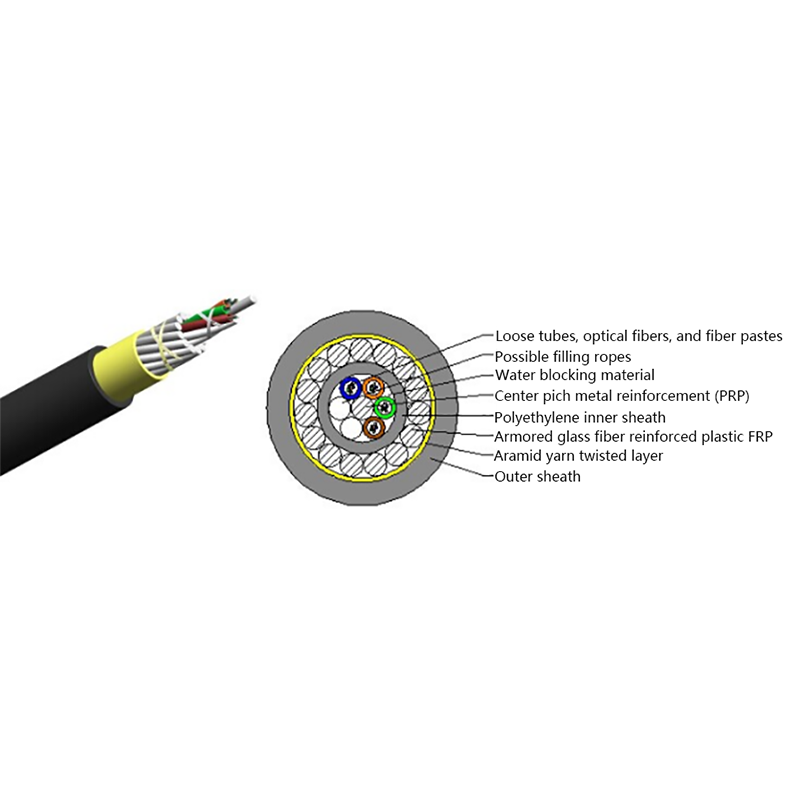
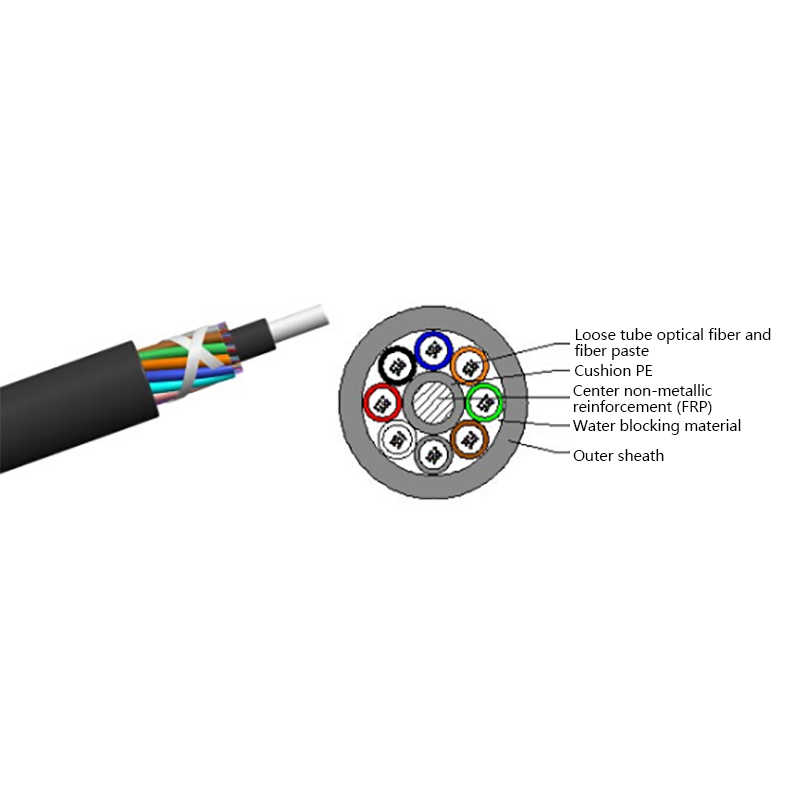
Construction matters as much as the optics on long outdoor spans. An outdoor layer-stranded design such as GYTS places loose tubes in a water-blocked core with armor and a polyethylene sheath, which protects the fiber through duct pulls and aerial tension.
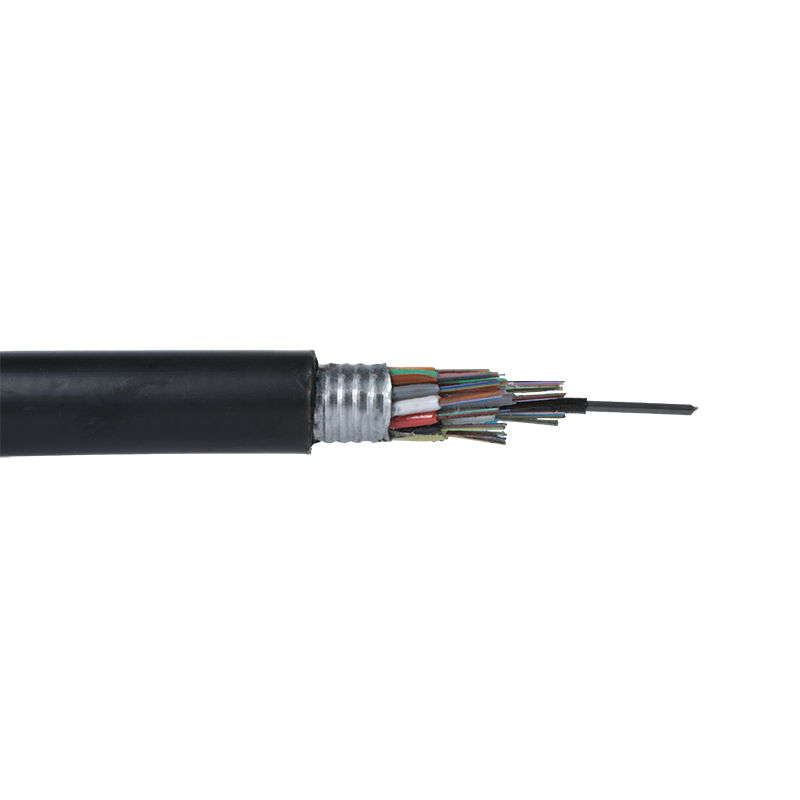 GYTS Outdoor Layer Stranded Steel-Polyethylene Bonded Sheath Optical CableOutdoor layer-stranded cable with water-blocking grease, corrugated steel strip, and polyethylene sheath, built for duct pulls and aerial spans.View Product →
Measure the longest channel first. A campus with one 400 m span is a fiber project even if every other run is 40 m, and discovering that span after the conduit is poured is an expensive way to learn it.
Copper wins on first cost for short, low-count, powered links. Fiber wins once you count distance, conduit space, cooling load and the cost of recabling a building five years from now.
Fiber optic cable
Twisted-pair Ethernet
Installation labour is where the two often converge. A copper run needs a pull, a termination and a certification test; a fiber run needs a pull, a splice or a pre-terminated end, and a loss measurement. On long routes the fiber pull is frequently faster because the cable is lighter and smaller, which matters when conduit is half full or the tray is already at capacity.
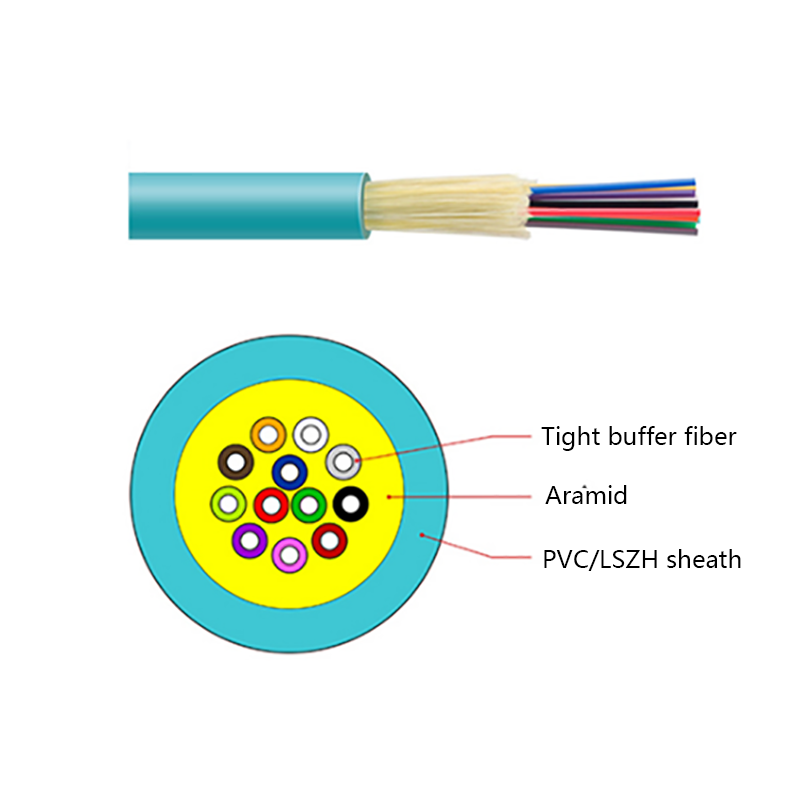
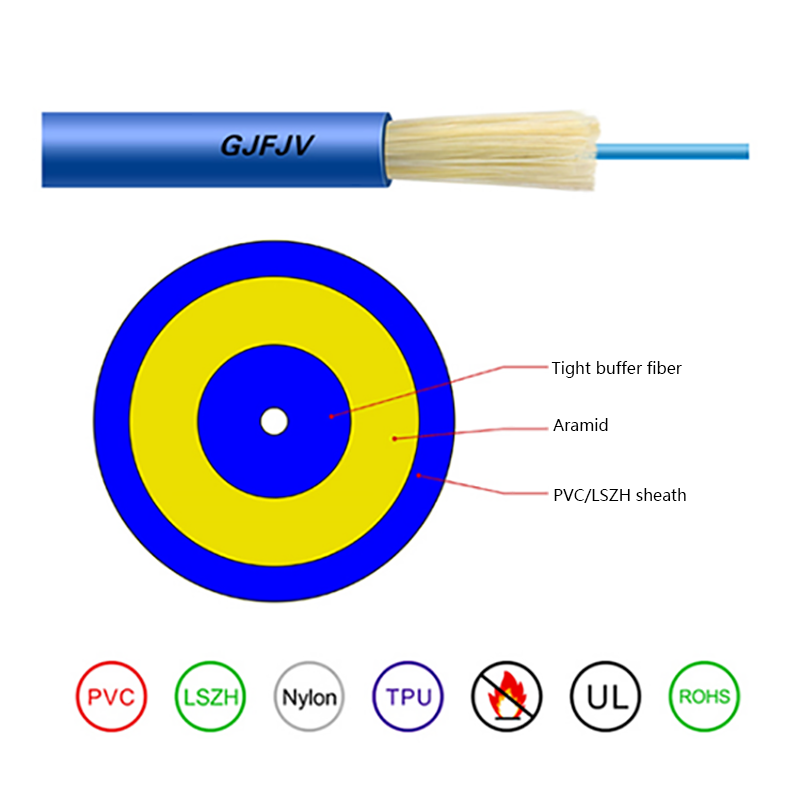
Indoor backbone and rack-to-rack links are usually handled with factory-polished assemblies, since a known insertion loss removes the need for a splicer and keeps the loss budget predictable.
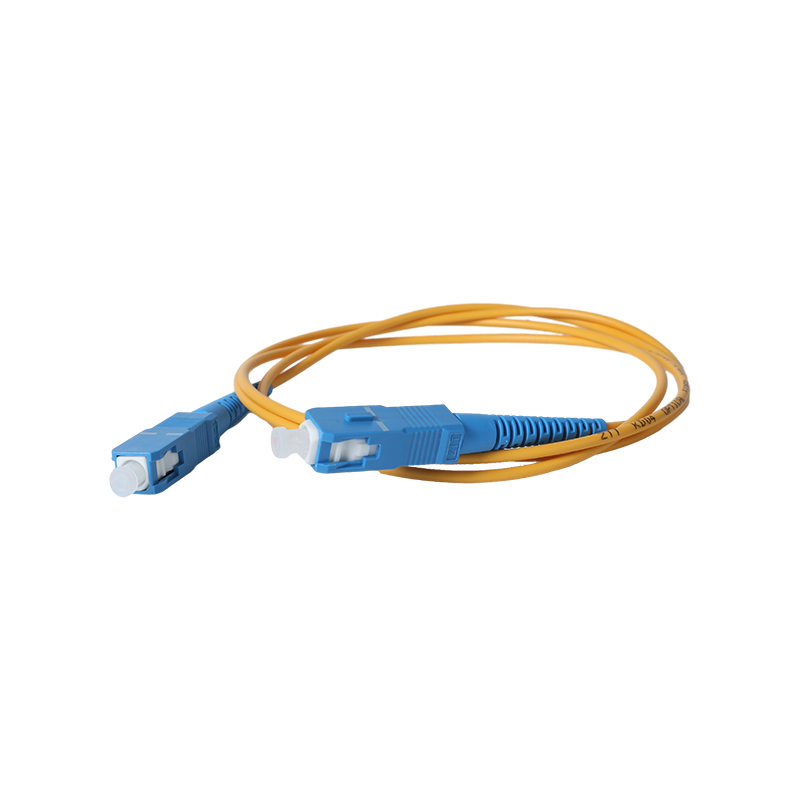 Fiber Optic Patch Cables with FC, SC, ST, and LC ConnectorsFactory-polished assemblies for indoor backbone and rack links, with FC, SC, ST, and LC options for wiring, sensing, and termination.View Product →
Cost rule of thumb: under 100 m, under 10 Gbps and powering a device means copper. Fail any one of those three and fiber is usually the cheaper answer over the life of the link.
Match the medium to the run length and the power requirement, not to a general preference. Nearly every real network ends up using both, and that hybrid result is the correct design.
Home and small office, runs under 30 m
Cat 6 or Cat 6A is enough. Keep PoE for cameras and access points, and expect one fiber uplink where the provider enters the building.
In-building riser up to 90 m
Cat 6A handles 10G at 100 m. Switch to pre-terminated fiber when the conduit is tight, shared with power, or the riser serves more than two floors.
Campus or industrial span from 300 m to a few kilometers
Single-mode fiber is the default. Multimode stays inside a single building where short, cheap optics make sense.
Fiber to the home and last-drop links
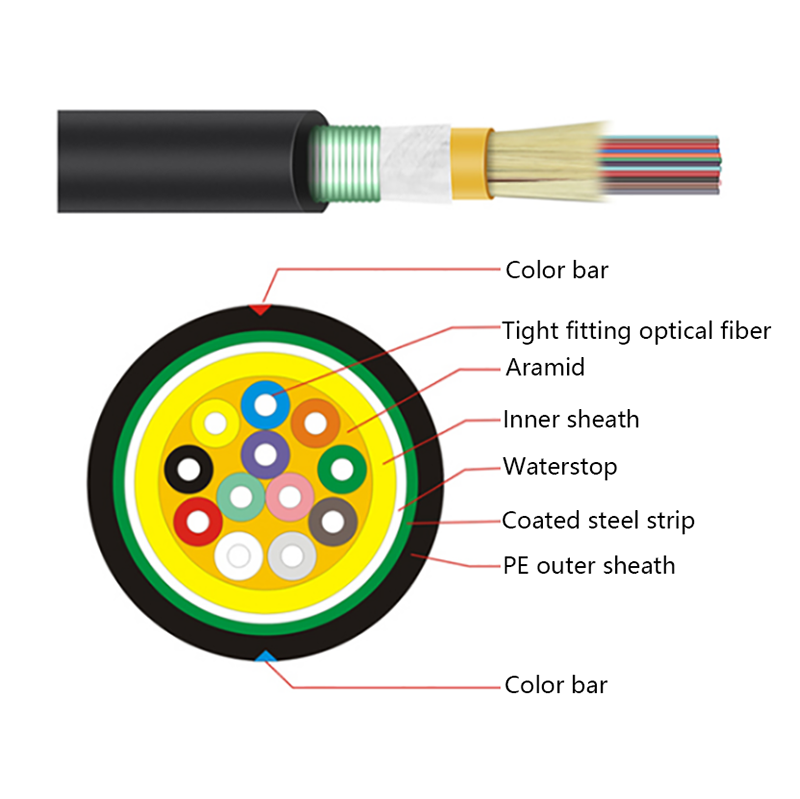
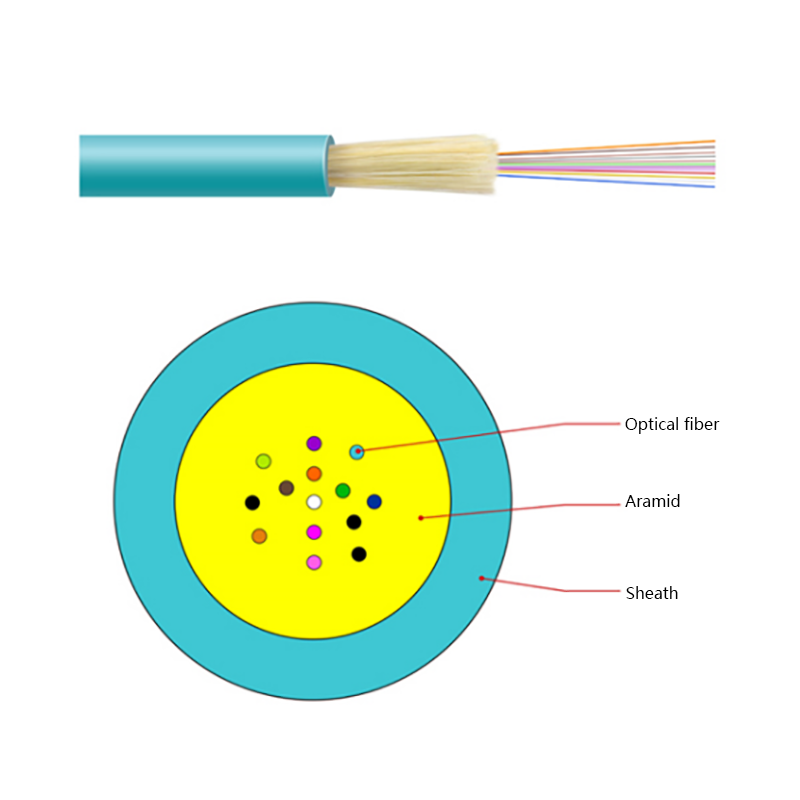
A reinforced drop cable with aramid strength members and a small bend radius routes around corners, through ducts and into an ONT without a field splice.
 GJYXCH FTTH Fiber Drop Cable with FRP or Steel ReinforcementsFTTH drop cable with central fiber, parallel FRP or steel wire, low-smoke halogen-free sheath, 1-12 fiber counts, and YD/T/IEC compliance.View Product →
Design the fiber layer once and reuse it. Swapping optics for the next speed tier costs far less than reopening walls and trays to replace cable.
Fiber is not a competing protocol. Ethernet runs over both media, and at 1 Gbps they deliver identical speed. Fiber supports higher line rates today, from 10G to 400G, which is why it dominates backbones and data centers.
Yes. Fiber Ethernet is standard, using the same frames and the same switches with optical ports. The medium changes; the protocol does not.
Use OM4 multimode inside a building for runs under about 500 m where optics cost matters. Use single-mode OS2 for anything longer, for campus links, and wherever you want an upgrade path that lasts decades.
Not through the glass itself. Power travels on copper conductors, so powered fiber links use hybrid or composite cable that combines copper and fiber in one jacket.
If you remember one thing: copper is a distance decision, fiber is a lifetime decision.


Request for a call today

 Login
Custom Optical Cables Manufacturers
Login
Custom Optical Cables Manufacturers