


 English
 русский
 Español
 عربى
عربى 中文简体
中文简体

FTTH Butterfly Optic Cables: Types, Specs & Installation Guide 2026
Content
- 1 Why FTTH Butterfly Optic Cables Dominate Last-Mile Fiber Deployments
- 2 The Structural Advantage: Why "Butterfly" Works
- 3 Two Main Variants: Match the Cable to the Environment
- 4 Fiber Specification: G.657.A1 vs G.657.A2 — and Why It Matters
- 5 Key Specs to Verify Before You Buy
- 6 Installation: Three Rules That Prevent Most Failures
- 7 Completing the End-to-End Picture
Why FTTH Butterfly Optic Cables Dominate Last-Mile Fiber Deployments
Most fiber network failures don't happen in the backbone — they happen in the last few meters inside a building. Tight corners, narrow conduits, and tricky wall routes are where standard round cables buckle under pressure. FTTH Butterfly Optic Cables were engineered specifically for this problem. Their flat, wing-shaped cross-section puts the optical fiber at the center, flanked by two parallel FRP (fiberglass reinforced plastic) strength members on either side — a geometry that handles the real-world demands of residential and commercial fiber access.
This article breaks down how these cables are structured, which variant to choose for your installation environment, what specs to verify before purchasing, and how to avoid the most common installation mistakes.
The Structural Advantage: Why "Butterfly" Works
The flat profile isn't just a shape — it's a functional design choice. Bending a butterfly cable in the flat plane (along walls, around door frames, through cable trays) places minimal stress on the fiber core. Trying to bend it edge-on takes considerably more force, which acts as a built-in mechanical safeguard against accidental sharp kinks during pulling and routing.
The outer sheath is typically LSZH (Low Smoke Zero Halogen) or PVC, selected based on fire safety requirements of the installation environment. LSZH is standard for indoor deployments in public or commercial buildings where fire codes are strict. The standard cable profile sits at approximately 2.0×3.0 mm, keeping the overall footprint minimal for tight spaces.
Two Main Variants: Match the Cable to the Environment
Choosing the wrong variant is one of the most common procurement mistakes. Here's a direct comparison:
| Variant | Type Code | Best For | Key Feature |
|---|---|---|---|
| Indoor Drop Cable | GJXH | In-building wiring, ONT termination | LSZH sheath, lightweight, flexible |
| Self-Supporting Aerial | GJXFH | Pole-to-building spans, outdoor aerial runs | Integrated steel or FRP messenger wire |
The GJXH indoor variant is the right choice for routing inside walls, through conduit, or directly to the ONT. For spans from a distribution point on a pole to the subscriber's building entry, the GJXFH self-supporting design carries its own tensile load — no additional messenger wire needed. Mismatching these two in an outdoor aerial scenario is a reliability risk; the indoor sheath degrades under UV exposure within one to two years.
Fiber Specification: G.657.A1 vs G.657.A2 — and Why It Matters
The ITU-T G.657 standard defines bend-insensitive single-mode fiber specifically for FTTH access networks. Both G.657.A1 and G.657.A2 are backward compatible with G.652.D, which means they splice seamlessly into existing infrastructure without signal penalty — a significant cost saver for operators upgrading legacy networks.
The practical difference comes down to minimum bend radius:
- G.657.A1 — Minimum bend radius of 10 mm. Suitable for most residential routes where installers can plan cable paths with moderate curves.
- G.657.A2 — Minimum bend radius of 7.5 mm. The right call for dense urban buildings, multi-tenant units, or any routing path with tight corners and limited maneuvering space.
Review your actual routing path before specifying. If there's any section where the cable must navigate a 90-degree turn inside a narrow junction box, G.657.A2 eliminates the guesswork.
Key Specs to Verify Before You Buy
Not all butterfly cables are built to the same standard. When evaluating suppliers, request documented performance data on these parameters — not just a datasheet, but test reports:
- Tensile strength: Minimum 600 N for standard indoor drop; higher for self-supporting aerial models under wind/ice load
- Operating temperature range: –40°C to +70°C for outdoor variants; indoor models typically –20°C to +60°C
- Attenuation: ≤0.4 dB/km at 1310 nm, ≤0.3 dB/km at 1550 nm (ITU-T G.657.A1/A2 compliant)
- Crush resistance: Rated to at least 1000 N/100 mm for in-duct applications
- Fiber count: 1–2 cores for most residential drops; up to 12 cores for MDU (multi-dwelling unit) or small commercial applications
Suppliers who can't provide third-party test documentation for tensile strength and macrobend performance are worth avoiding, regardless of price.
Installation: Three Rules That Prevent Most Failures
Field failures with butterfly cables are almost always installation errors, not product defects. Following three practices eliminates the majority of them:
- Use a dedicated drop cable stripper. The slotted groove design makes stripping fast, but a generic wire cutter nicks the fiber coating. Each nick adds insertion loss that compounds across splices and connectors.
- Test before pulling, not after. An OTDR trace on a cable reel before installation confirms the fiber is intact. Testing after the pull tells you where the problem is; testing before tells you whether you have one. Two minutes of pre-installation testing avoids hours of fault tracing.
- Maintain the minimum bend radius at terminations. The most common stress point is right at the ONT entry or the wall outlet. Use flat-cable-compatible clamps and avoid forcing the cable into sharp angles at these termination points.
Completing the End-to-End Picture
FTTH butterfly cables handle the critical last-drop segment — but a reliable network requires a coherent cable strategy from the distribution point back to the backbone. For outdoor feeder segments feeding into your butterfly drops, outdoor fiber options designed for duct, aerial, and direct-burial applications provide the structural protection needed for longer exposed runs. For in-building distribution before the final subscriber drop, indoor optical cables built for riser and plenum environments maintain fire compliance while handling the branching distribution load.
The full FTTH butterfly optic cable range covers indoor single-fiber drops through self-supporting aerial variants — with specifications matched to residential, MDU, and light commercial deployment scenarios. Match the variant to the environment, verify the fiber grade against your actual bend constraints, and hold suppliers to documented performance figures. Those three decisions determine whether the cable becomes a liability or a non-issue in your deployment.
Related Products
-
Optical Phase Conductor OPPC Cable
-
GYXTW Central Tube Armored Outdoor Optical Cable
-
Fiber Optic Patch Cables
-
OPGW Optical Fiber Composite Overhead Ground Wire
-
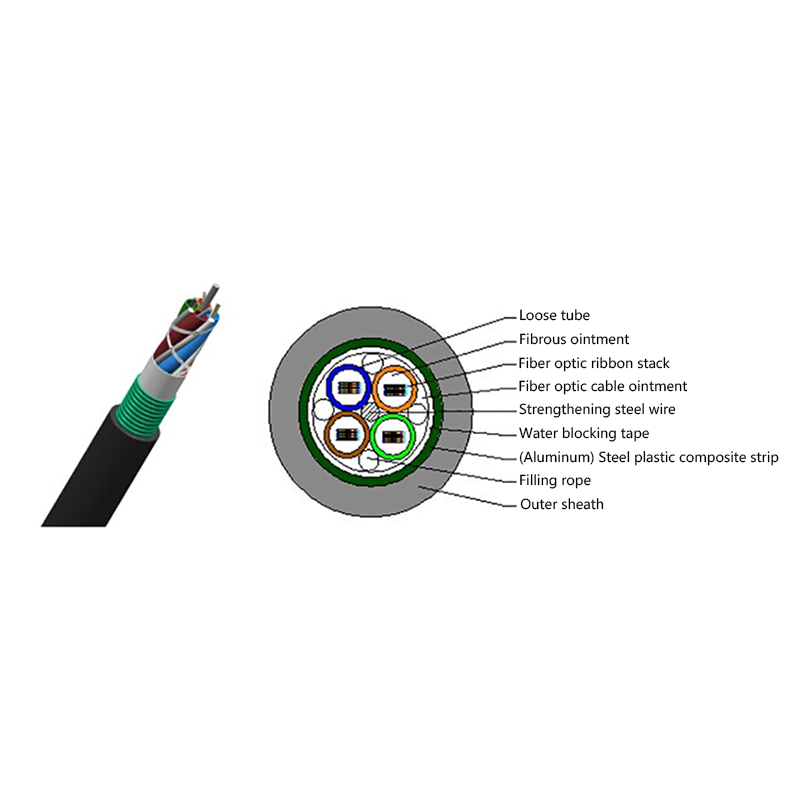
GYDTA(S) Layer Stranded Optical Fiber Ribbon Cable
-
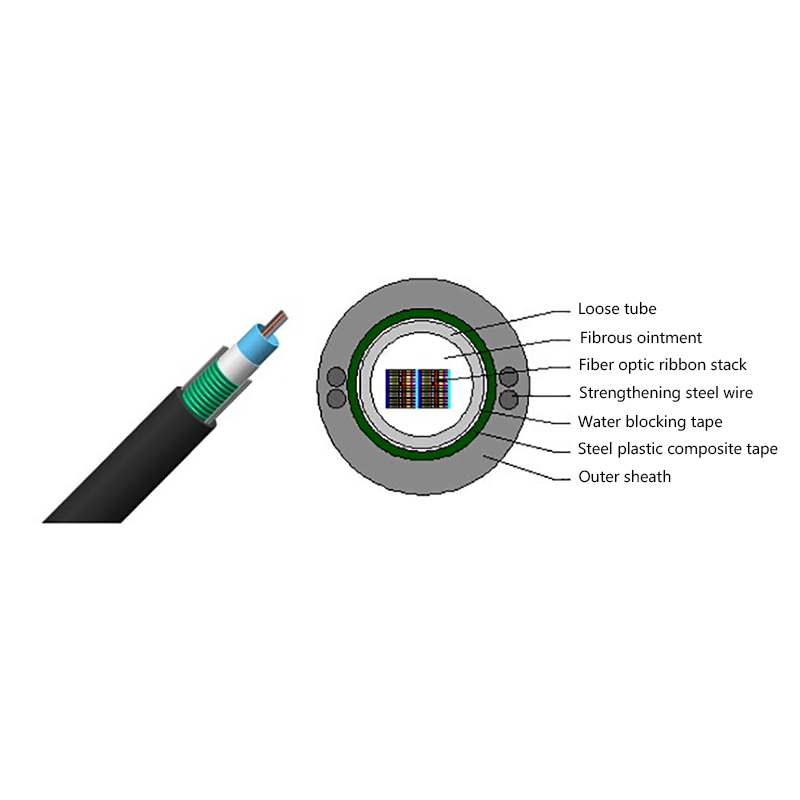
GYDXTW Center Tube Outdoor Optical Fiber Ribbon Cable
-
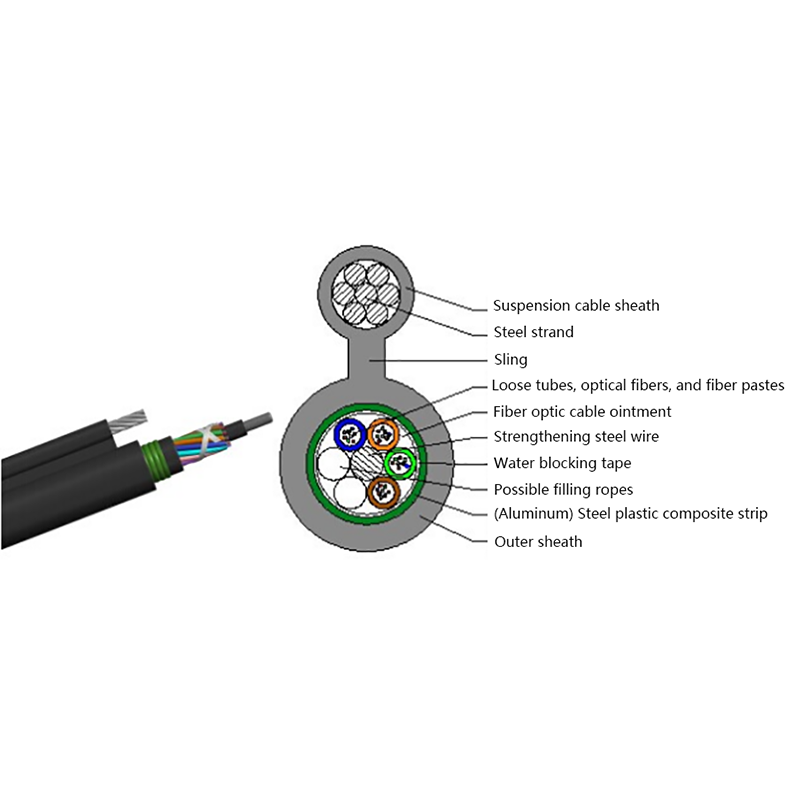
GYTC8A (S) Outdoor layer Stranded 8-shaped Self-Supporting Optical Cable
-
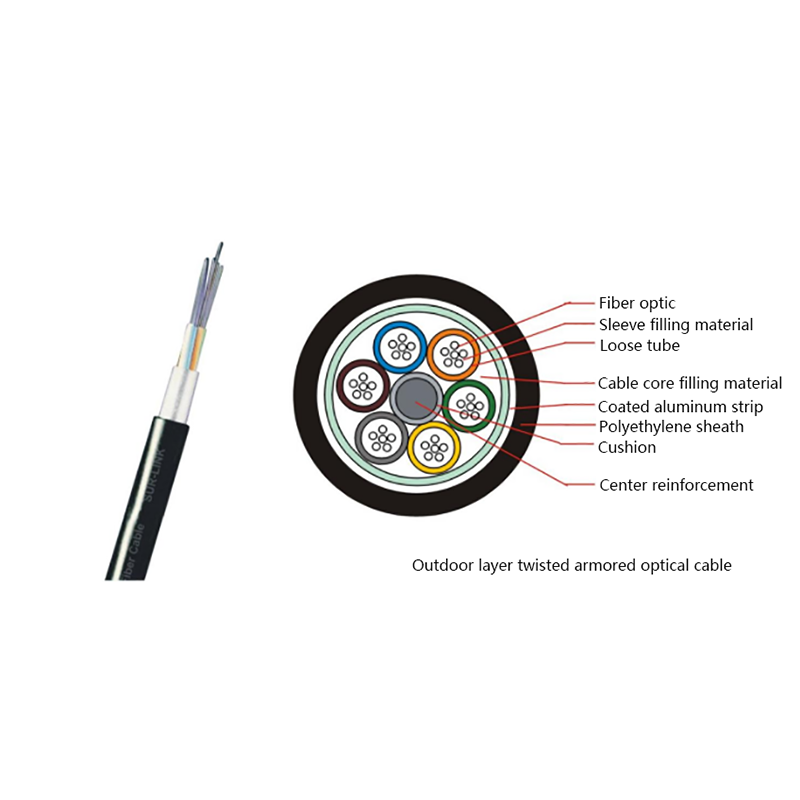
GYTA Layer Stranded Aluminum-Polyethylene Bonded Sheathed Outdoor Optical Cable
-
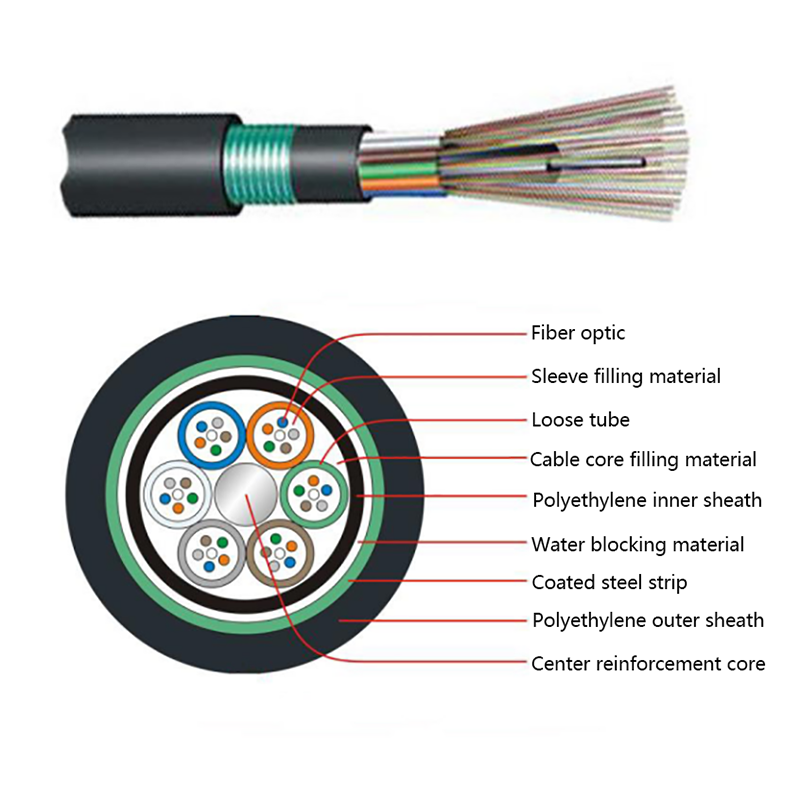
GYTY53 Layer-Stranded PE Inner Sheathed Steel Tape Armored Outer Sheath Optical Cable
-
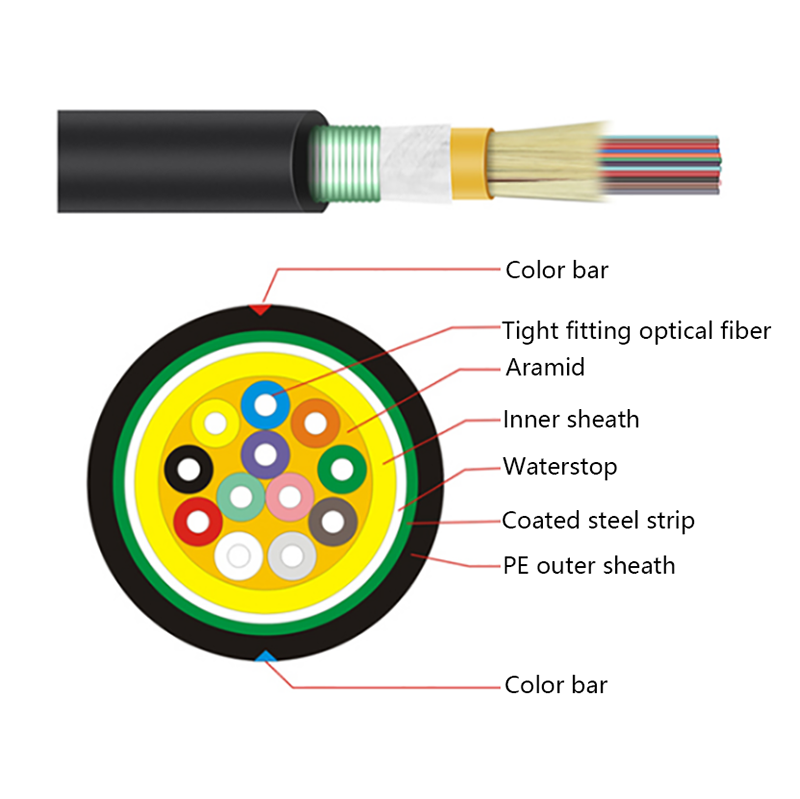
GJFJH53 Indoor Bundled Steel Tape Armored Optical Cable
-

GJPFJV GJFJHV Indoor Branch Optical Cable
-
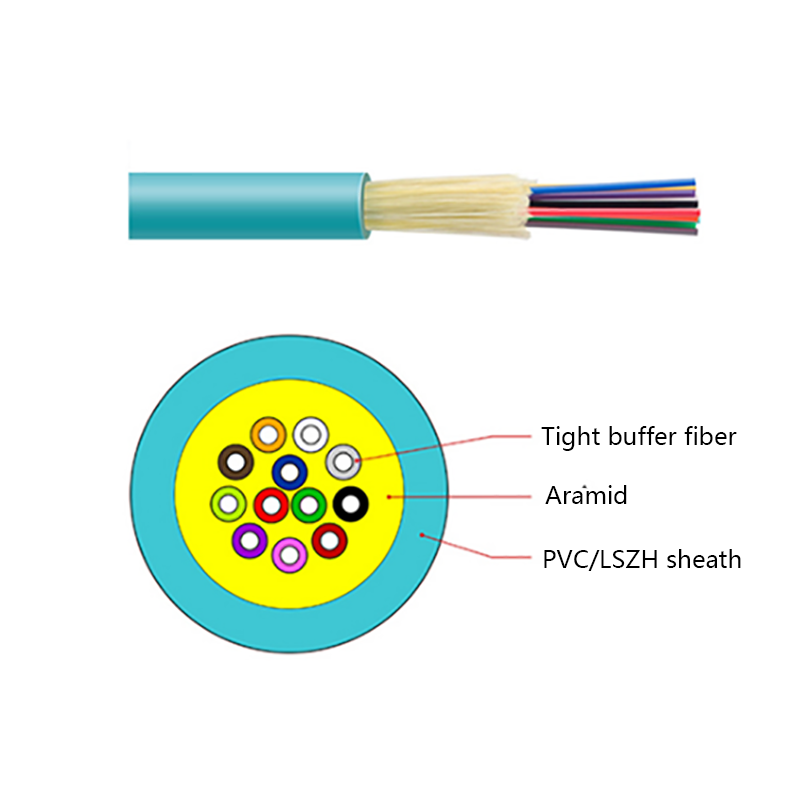
GJFJV Indoor Single Bundle Fiber Optical Cable
-
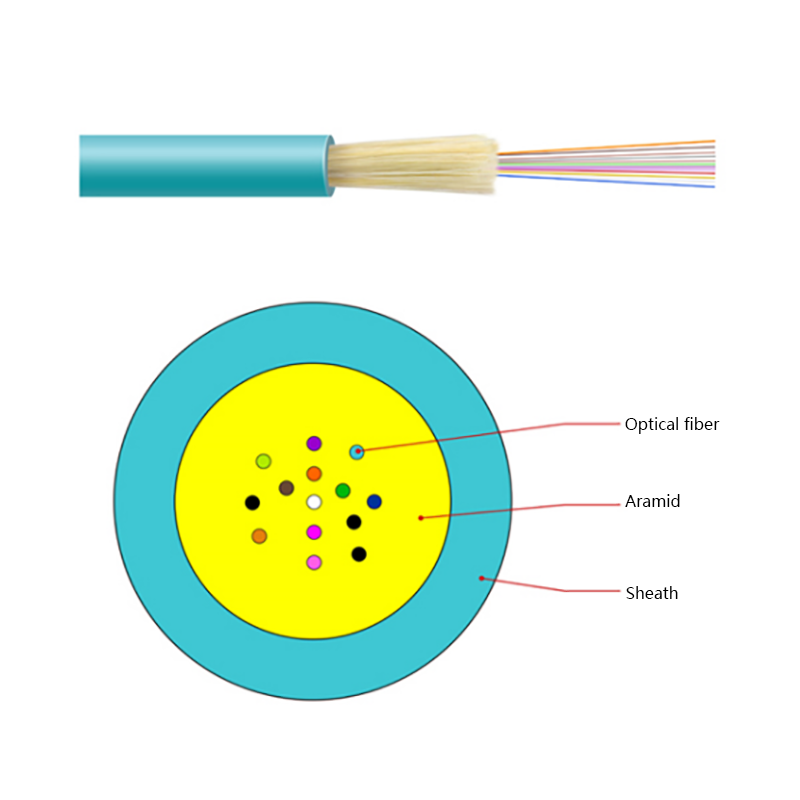
GJFV Indoor Mini Bundle Fiber Optic Cable
-
GJFJV Indoor Single Core Jumper Wire Optical Cable
-
Indoor Tight-Buffered Fibre Optic Cable
-
ADSS—All-Dielectric Self-Supporting Optical Cable
-
Anti-Squirrel ADSS Optical Cable
-
Non-metallic optical cable
Looking For Bussiness Opportunity?
Request for a call today

- Tel: +86-139-6297-6666
- Whatsapp: +86-13962991888
- E-mail: [email protected] / [email protected]
- Add: No.18, Xinjing Road, Nantong Economic and Technological Development Zone, Jiangsu Province, China
Products
Message
Coprright 2023 Jiangsu Hawell Optoelectronic Technology Co., Ltd. All Rights Reserved
 Login
Custom Optical Cables Manufacturers
Login
Custom Optical Cables Manufacturers
Login
Custom Optical Cables Manufacturers