


 English
 русский
 Español
 عربى
عربى 中文简体
中文简体
News
Home / News / Industry news / Optoelectronic Composite Cable: The Practical Buyer's and Engineer's Guide

Content
Every 5G small cell installed on a rooftop or street pole faces the same engineering challenge: it needs both high-speed data and a reliable power supply — often in a single conduit. Running separate fiber and power cables doubles the installation work, doubles the conduit requirements, and compounds maintenance headaches for years. Optoelectronic Composite Cable solves this by fusing both functions into one compact structure. Here is what engineers and procurement teams need to know before specifying or sourcing it.
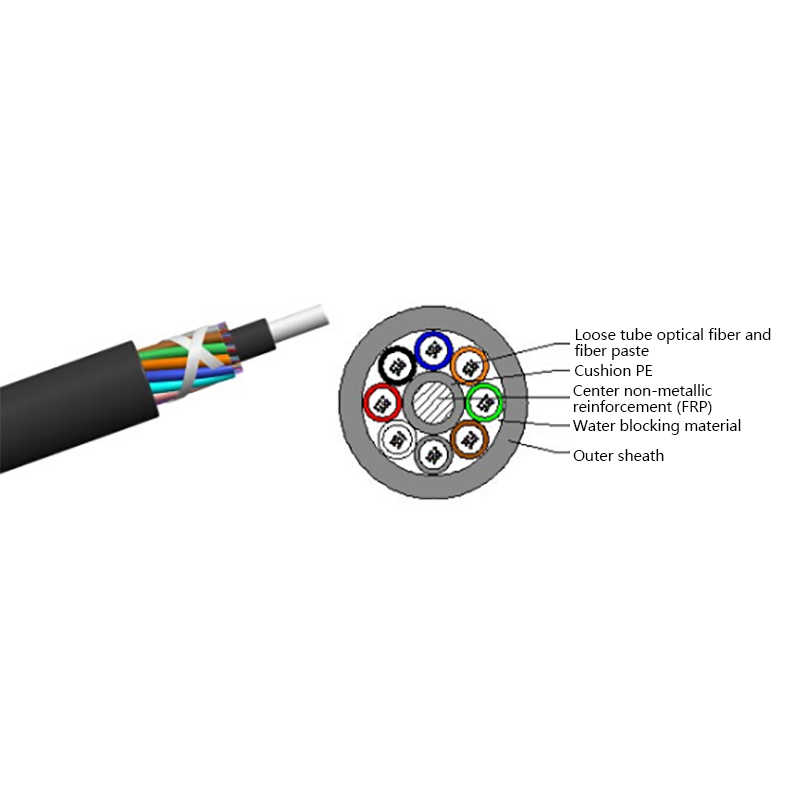
An optoelectronic composite cable bundles optical fibers and copper power conductors within a single sheath. The fiber units — typically 250 µm single-mode fibers seated in loose tubes filled with waterproof gel — handle signal transmission at gigabit-class speeds. The copper conductors carry DC power, usually at voltages ranging from 48 V up to 400 V DC, depending on the remote supply architecture.
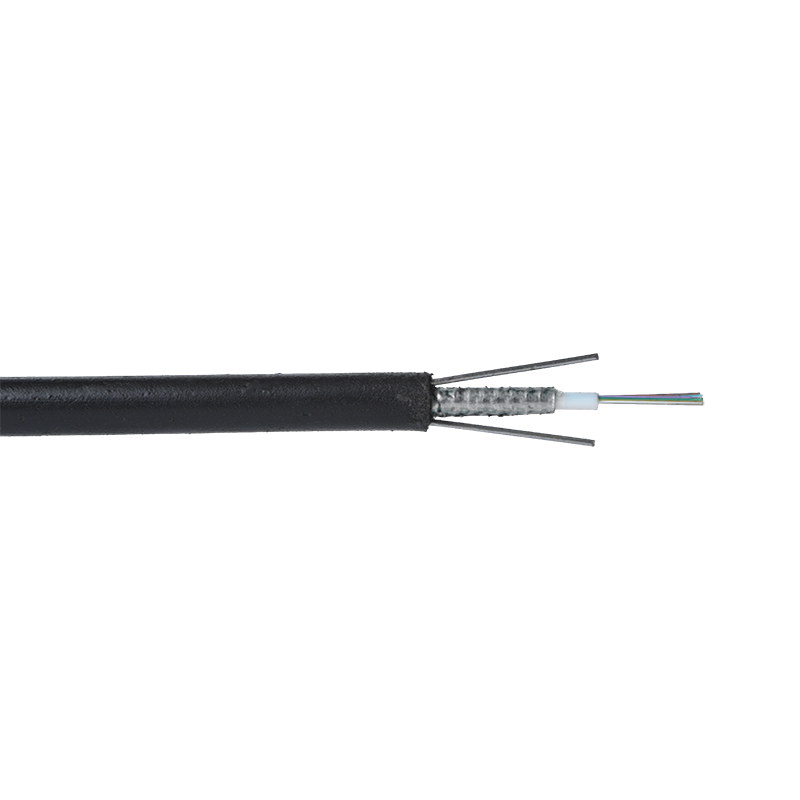
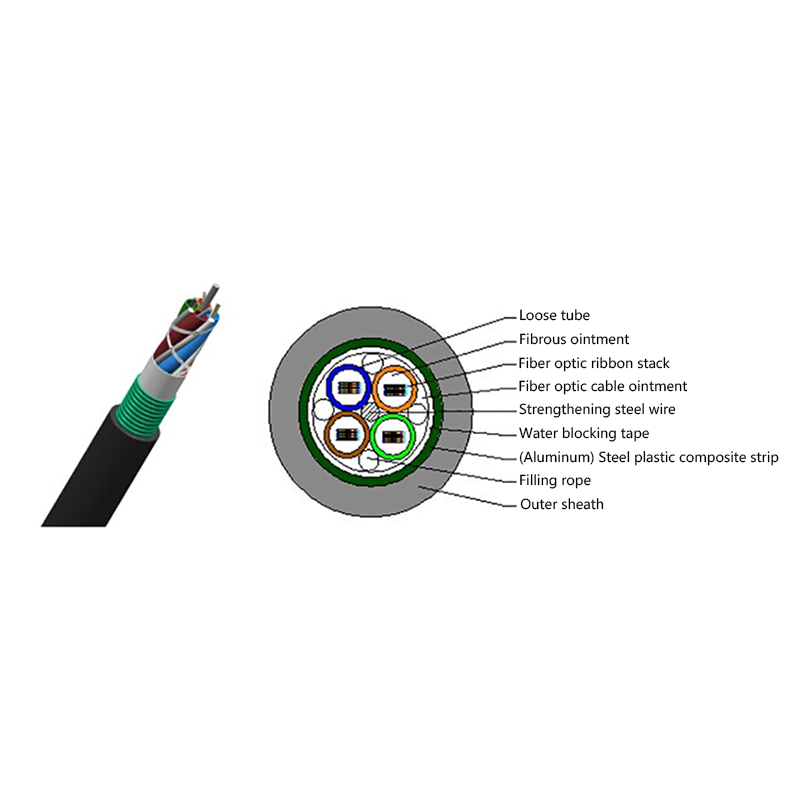
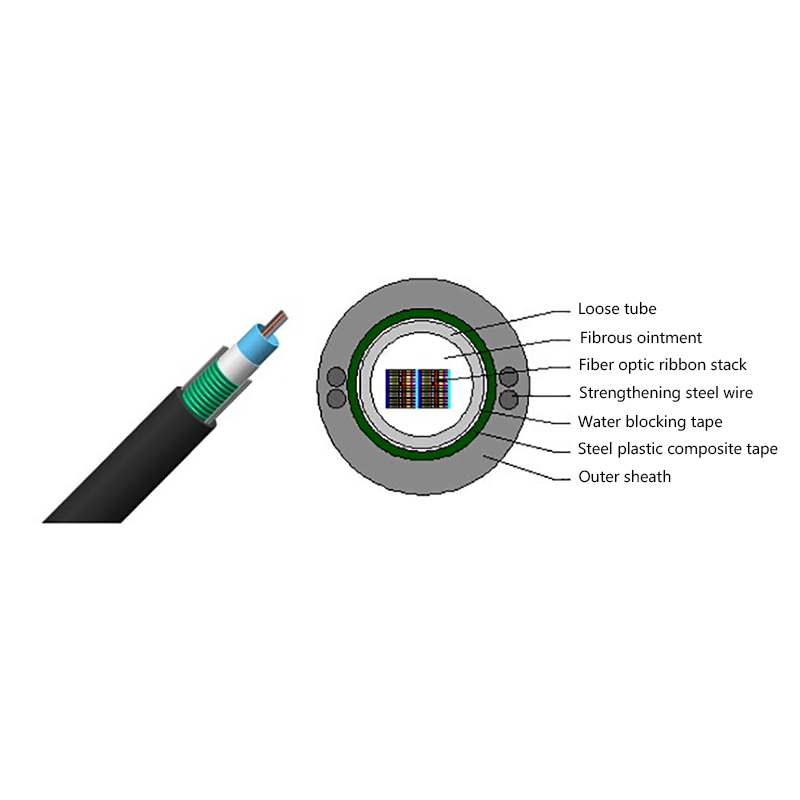
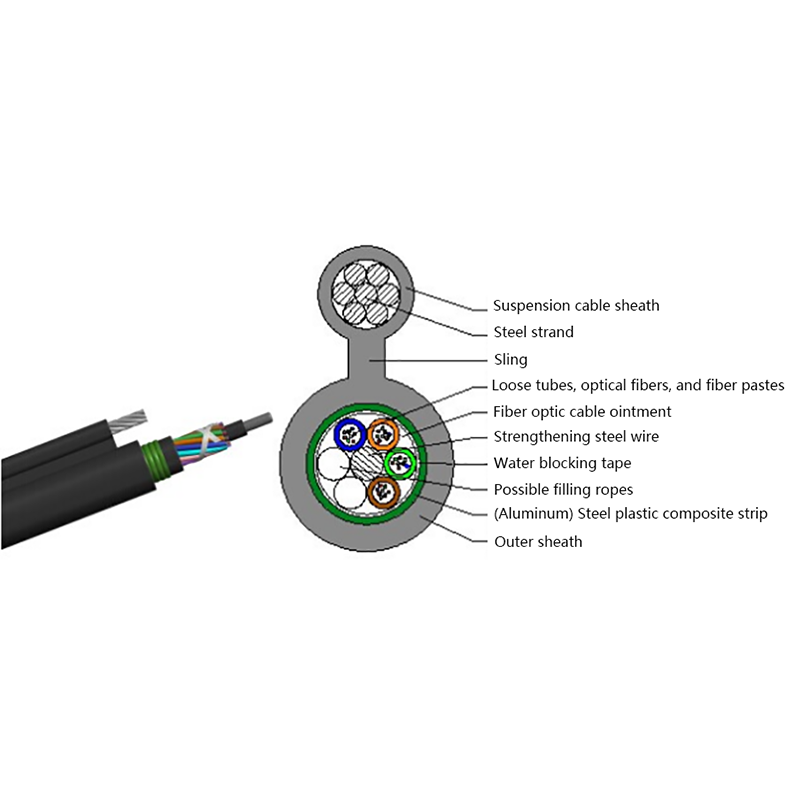
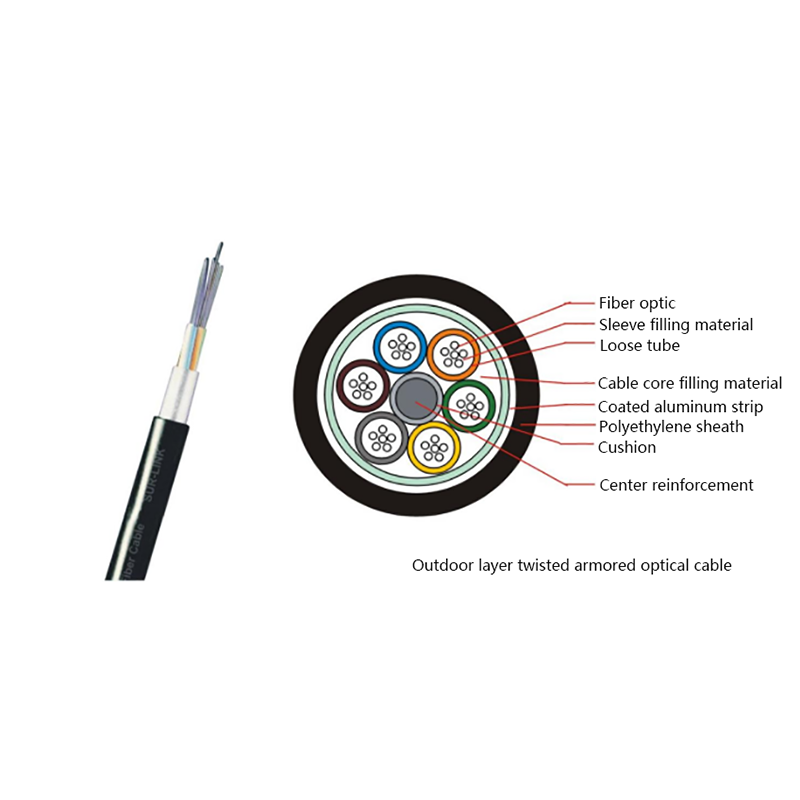
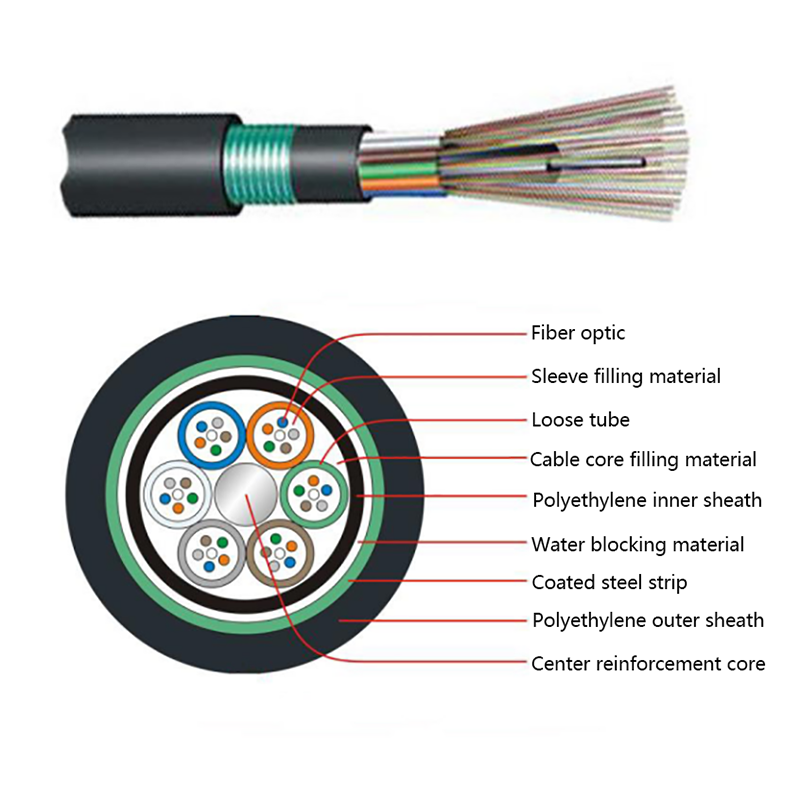
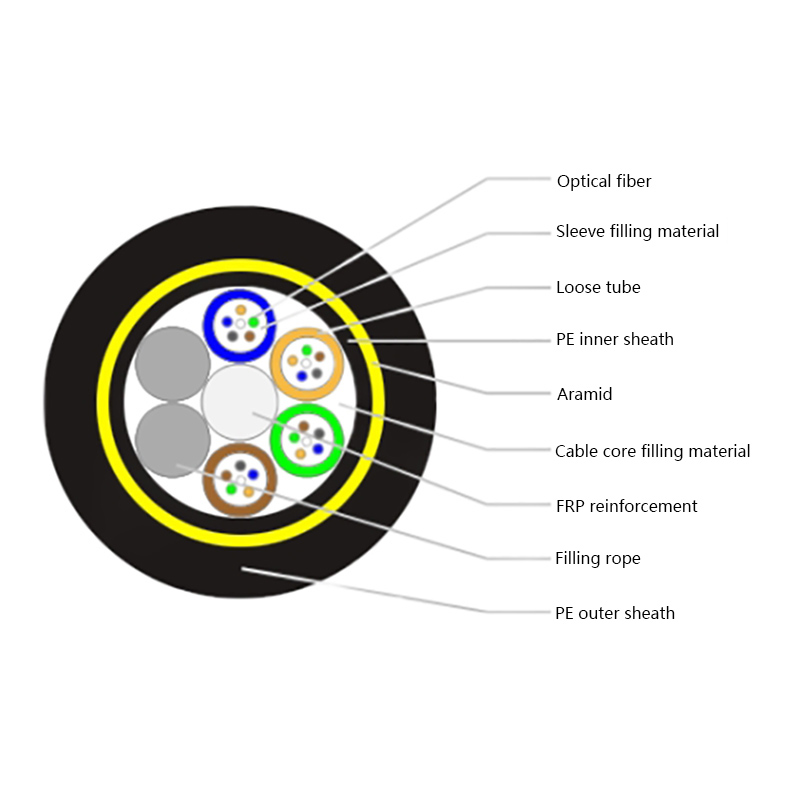
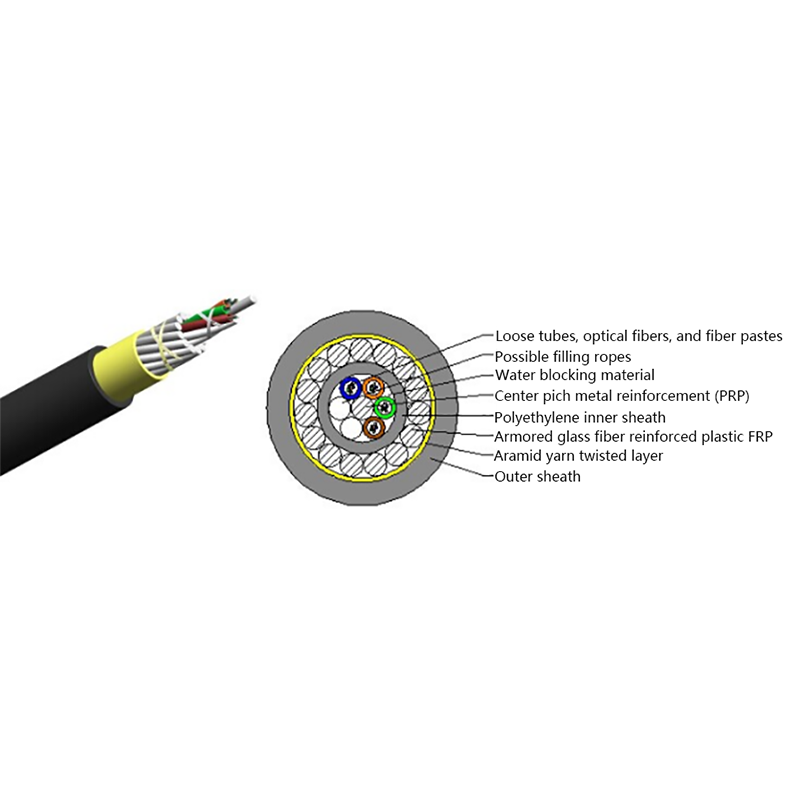
The cable's core uses an FRP (fiberglass-reinforced plastic) or steel central strength member. Loose tubes and power conductors are stranded around it to form a round, compact cross-section. A layer of water-blocking filler closes the gaps, a double-sided laminated steel tape (PSP) wraps the assembly, and the whole structure is finished with a PE or LSZH outer jacket. The result is a mechanically robust cable that handles the rigors of outdoor installation while protecting precision optical fibers inside.
The dominant use case is wireless fronthaul — specifically, connecting the Baseband Unit (BBU) to Remote Radio Units (RRU) in distributed base station architectures. In a DC remote power supply system, the central equipment room boosts 48 V DC to roughly 200–400 V, transmits it via the cable's copper conductors to the remote site, then steps it back down to power the RRU. The optical fibers in the same cable carry CPRI or eCPRI data between the BBU and RRU simultaneously. One cable pull replaces what would otherwise be two separate runs.
Beyond wireless infrastructure, common deployment environments include:
The industrial use case deserves particular attention. Unlike copper data cables, the optical fiber component is immune to electromagnetic interference — a major advantage in environments with heavy machinery, high-voltage switchgear, or variable-frequency drives. Learn more about how optoelectronic composite cables enhance reliability in industrial environments.
Not all composite cables are interchangeable. These are the parameters that materially affect system performance:
For reference, the IEC 60794 series governs the mechanical, transmission, and environmental test procedures for fiber optic cables including hybrid composite types — a useful benchmark when reviewing supplier datasheets.
Composite cables introduce a dual-discipline requirement on site: the crew needs both fiber splicing competency and electrical termination skills. These are often handled by different trade teams, and poor coordination between them is a common source of delay.
Minimum bend radius is non-negotiable. Composite cables tend to have larger minimum bend radii than pure fiber cables because of the added copper conductors. Exceeding it during pulling — even momentarily around a conduit bend — can crack fibers and produce insertion loss spikes that only show up during OTDR testing after installation is complete. Mark bend radii on conduit entry points before the pull begins.
Strain relief at termination points matters more than it does with copper-only cable. At each end, the mechanical load on the strength member must be separated from the fiber connections and the power terminations. Use the manufacturer's specified cable gland or entry box — improvised arrangements are a reliable source of long-term reliability problems.
Finally, test both the optical and electrical paths independently before commissioning. OTDR the fiber end-to-end to confirm splice and connector losses are within spec. Megger-test the conductor insulation to rule out any nicks in the jacket during installation. Problems found before equipment is powered up are far cheaper to fix than faults traced after the fact.
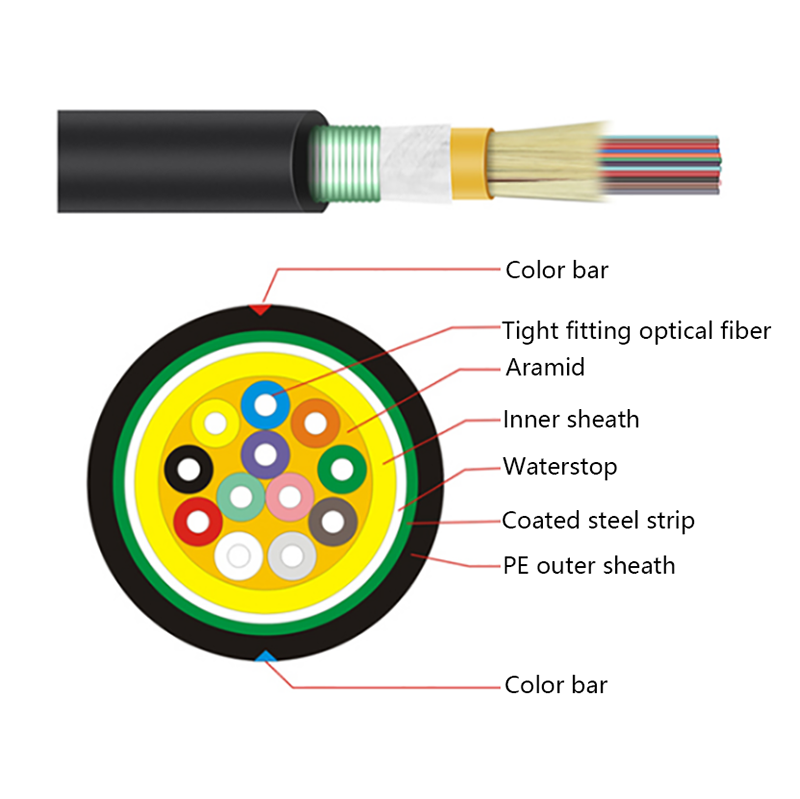
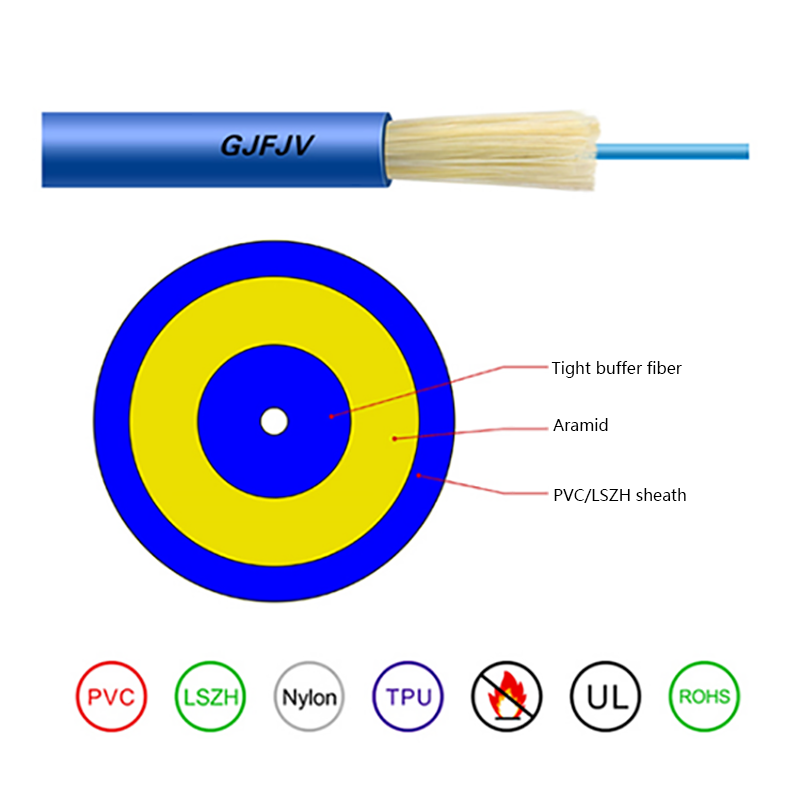
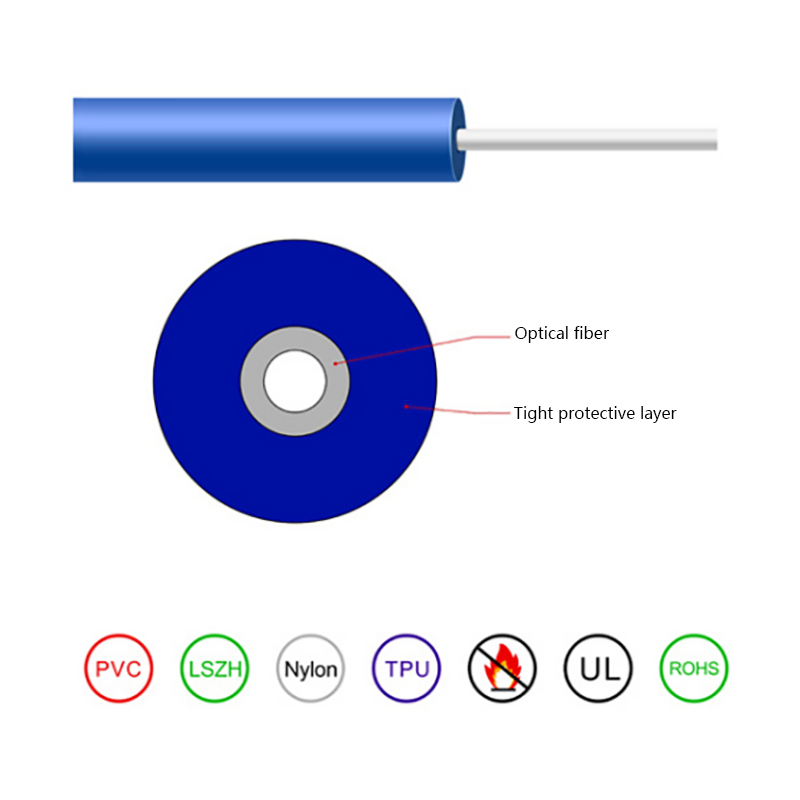
Two common variants appear in most supplier catalogs for outdoor composite applications. The GYTS-type uses a corrugated steel tape armor and is suited for direct burial, conduit installation, and environments with mechanical hazard exposure. The GYXTY-type uses a non-metallic or lighter armor configuration, making it lighter and easier to handle for aerial or indoor-outdoor transition runs where armor weight is a constraint. Both are available from manufacturers such as Hawell in standard and custom fiber-count configurations — see the outdoor optical cable product range for related specifications.
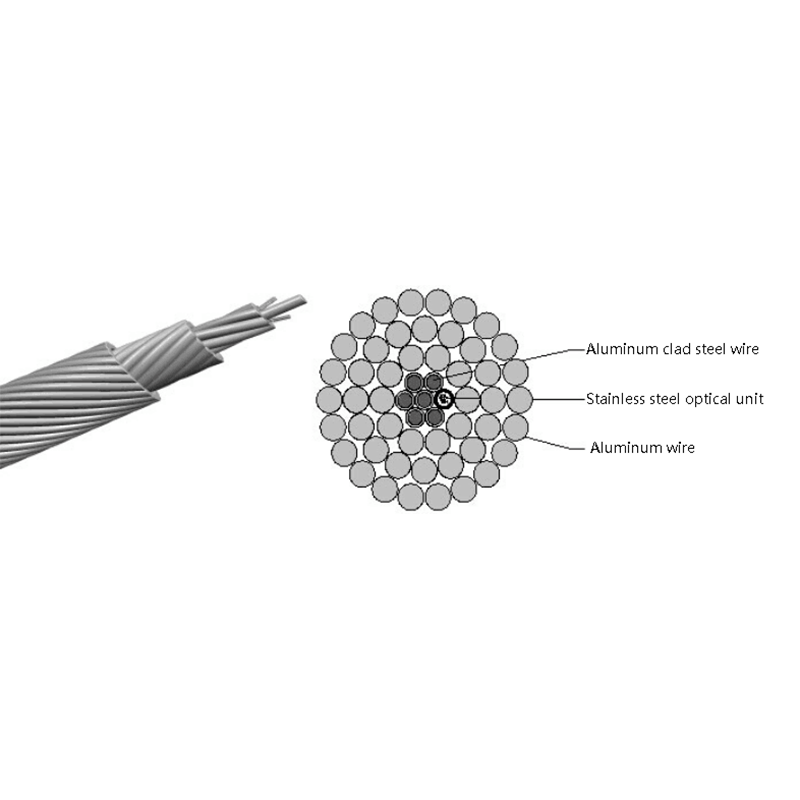
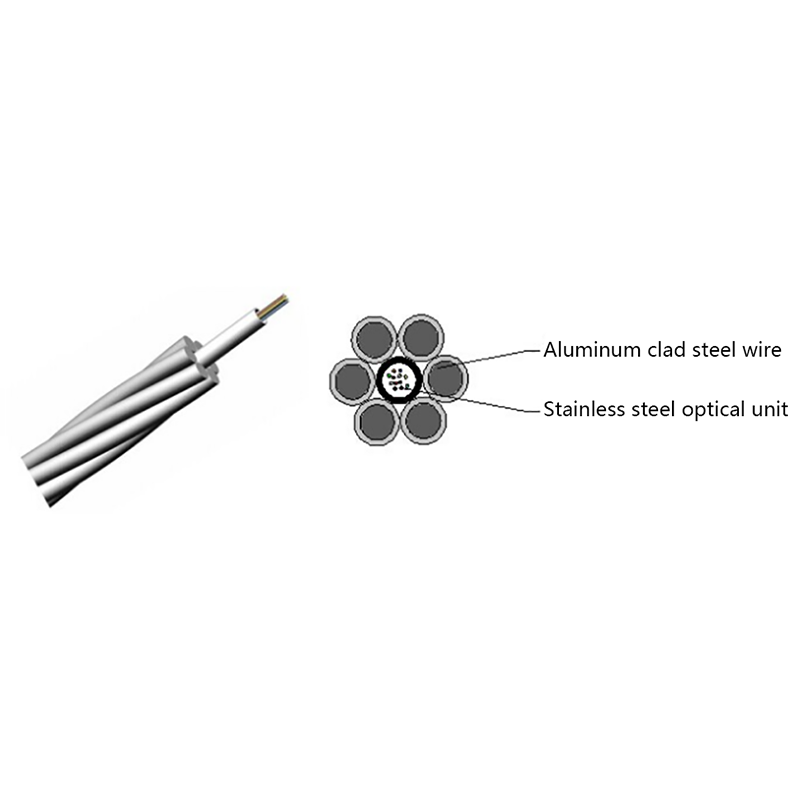
If the project also involves power line infrastructure, it is worth noting that optical ground wire solutions that integrate fiber into overhead power conductors address a different but related need — specifically for high-voltage transmission line communications.
Optoelectronic composite cable is not the right solution for every project. If power and data already run through different pathways, or if the power voltage is too high for the cable's insulation rating, separate cables remain the correct answer. But for 5G fronthaul, FTTR, remote surveillance, and industrial monitoring where a single integrated run is feasible, it consistently reduces installation cost, conduit usage, and long-term maintenance complexity. Specify it correctly — matching fiber type, conductor cross-section, sheath, and armor to the actual deployment environment — and it performs reliably for the 20-year-plus service life these infrastructure installations demand.

Request for a call today

 Login
Custom Optical Cables Manufacturers
Login
Custom Optical Cables Manufacturers