


 English
 русский
 Español
 عربى
عربى 中文简体
中文简体

Indoor Optical Cable: Types, Specs & How to Choose the Right One
Content
Most fiber network problems inside a building aren't about bandwidth—they're about the wrong cable in the wrong place. A cable sized for a riser run doesn't belong in a desktop patch panel. A jumper wire isn't the right call for a 12-core horizontal distribution run. Getting this right starts with understanding indoor optical cable as a category with real sub-types, distinct specs, and specific applications—not a single commodity product.
How Indoor Optical Cable Differs from Outdoor Cable
The distinction goes beyond where the cable is installed. Indoor cables are optimized for controlled environments: stable temperatures, no UV exposure, and limited moisture. That freedom allows manufacturers to prioritize flexibility, compact diameter, and flame safety over ruggedness.
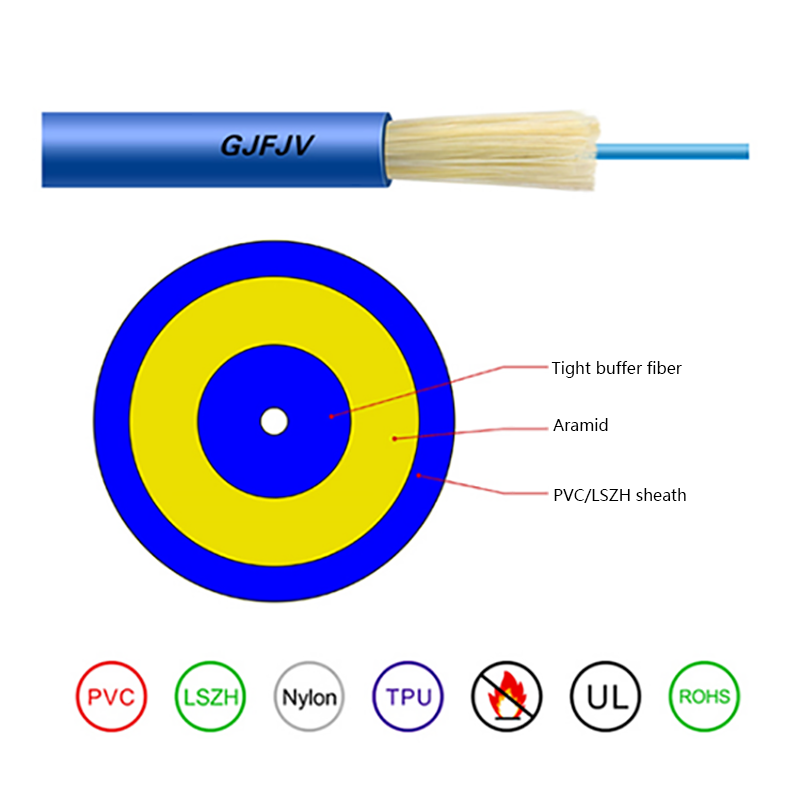
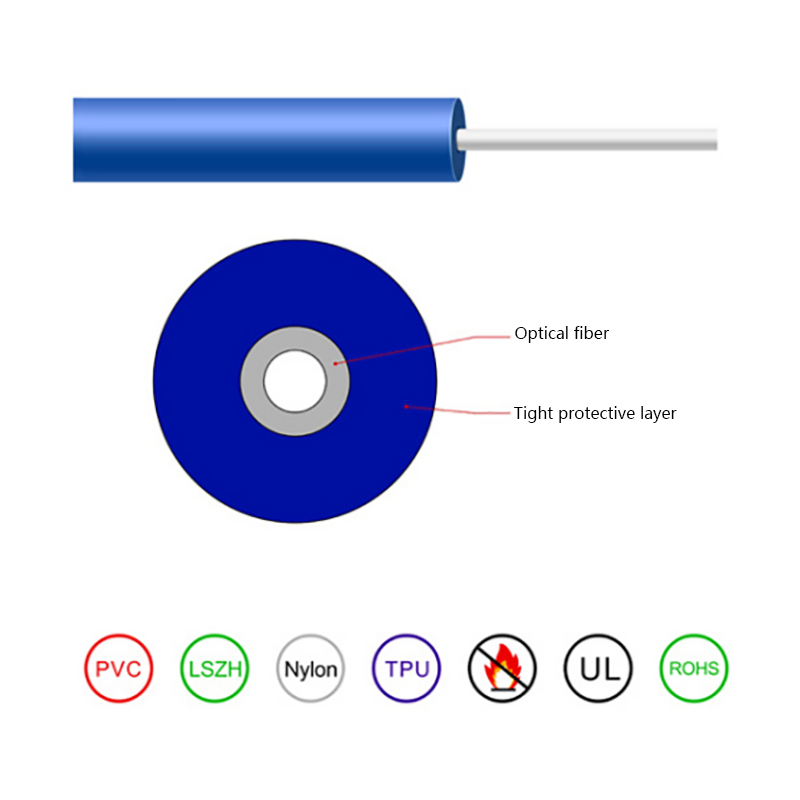
The key trade-off: indoor cables use tight-buffered construction—a protective layer applied directly to each fiber—instead of the gel-filled loose tubes found in most outdoor designs. Tight buffering makes the cable easier to terminate without transition joint boxes or pigtails, and eliminates the need to clean waterproof gel before splicing. This directly lowers installation cost on projects where dozens of connections need to be made inside a building.
Jacket materials reflect a different set of priorities too. Where outdoor cables prioritize polyethylene for UV and moisture resistance, indoor cables use PVC or LSZH (Low Smoke Zero Halogen) sheaths. LSZH is the preferred choice in enclosed spaces—tunnels, plenum ceilings, server rooms—because in a fire it produces significantly less toxic smoke than standard PVC.
The Main Types of Indoor Optical Cable
Choosing the right type requires matching cable architecture to the actual routing and termination requirements of the job. Here are the most commonly deployed variants:
Single Bundle (GJFJV) — Multiple tight-buffered fibers at 900 μm or 600 μm are bundled with aramid yarn reinforcement and covered by a PVC or LSZH sheath. The GJFJV single bundle fiber optical cable is the standard workhorse for indoor distribution: small outside diameter (4.1 mm for 2-core, up to 6.8 mm for 12-core), light weight (12–35 kg/km), and easy to route through conduit or cable trays. It can be terminated directly without splicing hardware, which makes it efficient for floor-to-floor connections and equipment room wiring.
Mini Bundle (GJFV) — A more compact variant for high-density installations where space in cable ducts is limited. The smaller form factor suits horizontal cabling runs with multiple bends.
Tight-Buffered Distribution Cable — Specifically engineered for data centers, LANs, and backbone cabling. The indoor tight-buffered fibre optic cable handles frequent flex and movement without fiber stress, making it a practical choice in active environments where cables are regularly re-routed.
Steel Tape Armored (GJFJH53) — Where physical protection matters—exposed runs in industrial facilities, under raised flooring with heavy foot traffic, or areas with rodent risk—the steel tape armored indoor optical cable adds a corrugated steel layer beneath the outer sheath without sacrificing the flame-retardant properties required for indoor use.
Branch Cable (GJPFJV / GJFJHV) — Designed for multi-point distribution within a building, branch cables allow fibers to fan out to individual rooms or floors from a single trunk, reducing the need for passive splitters in structured cabling projects.
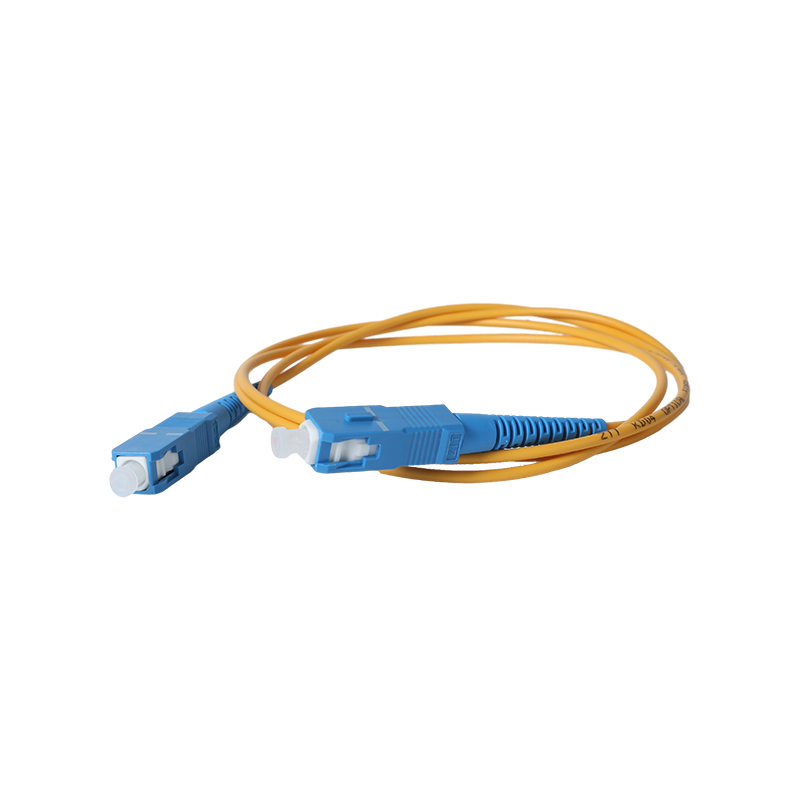
Single Core Jumper / Patch Cord — The connection point between active equipment and the distribution system. Single-core jumper cables support direct device-to-device links in optical communication equipment and instruments, with tight dimensional tolerances for consistent connector performance.
FTTH Indoor Drop — For fiber-to-the-room and fiber-to-the-desk deployments, FTTH indoor optical cable combines a flat, low-profile design with bend insensitivity (G.657A compliant) to handle the tight corners and staple routing common in residential and office last-meter installations.
Key Specs to Verify Before You Buy
| Model | Fiber Count | Cable Diameter (mm) | Cable Weight (kg/km) | Tight Sleeve Diameter |
|---|---|---|---|---|
| MPC-02 | 2 | 4.1 ± 0.25 | 12 | 900 ± 50 μm |
| MPC-04 | 4 | 4.8 ± 0.25 | 20 | 900 ± 50 μm |
| MPC-06 | 6 | 5.1 ± 0.25 | 24 | 900 ± 50 μm |
| MPC-08 | 8 | 6.2 ± 0.25 | 29 | 900 ± 50 μm |
| MPC-10 | 10 | 6.5 ± 0.25 | 32 | 900 ± 50 μm |
| MPC-12 | 12 | 6.8 ± 0.25 | 35 | 900 ± 50 μm |
Beyond physical dimensions, four spec areas determine whether a cable will perform reliably over its service life:
- Attenuation: Single-mode fiber (ITU-T G.652D) should deliver ≤0.4 dB/km at 1310 nm and ≤0.3 dB/km at 1550 nm. Higher attenuation values mean signal degradation—critical in longer building runs exceeding 50 meters.
- Jacket material: LSZH is mandatory for plenum spaces and wherever building codes require low-smoke materials. PVC is acceptable in open areas with adequate ventilation.
- Standards compliance: Look for cables certified to IEC 60794-2 indoor fiber optic cable specifications alongside YD/T1258.4, ICEA-596, and GR-409. For North American projects, UL OFNR (riser) or OFNP (plenum) ratings are typically required by fire code.
- Bend radius: Tight-buffered designs with aramid yarn reinforcement offer the best combination of flexibility and fiber protection—important in ceiling voids and equipment racks where routing angles are steep.
Matching Cable Type to Application
The fastest way to select the right cable is to start with where it terminates, not where it starts:
- Equipment rooms and data centers: Tight-buffered distribution cable or single bundle GJFJV, terminated directly to patch panels. No gel, no joint boxes, fast deployment.
- Vertical riser between floors: Single bundle or branch cable routed through fire-rated conduit. Confirm LSZH rating if the riser serves as a return air plenum.
- Industrial or exposed environments: Steel tape armored GJFJH53 where crush resistance or rodent deterrence is required.
- Last-meter residential/office drops: FTTH indoor optical cable for low-profile, bend-insensitive routing along baseboards and door frames.
- Active equipment connections: Single core jumper or patch cord, matched to the connector type (LC, SC, FC) used by the equipment.
One practical note: tight-buffered cables can be terminated directly without transition hardware—a meaningful advantage when labor cost is a factor in large deployments. Loose-tube designs, if mistakenly specified for indoor use, require gel cleaning and additional splicing enclosures that add both time and material cost.
Final Checklist Before Specifying
Run through these before placing an order:
- How many fibers are needed, and is the count likely to increase within 5 years?
- Is the routing through a plenum, riser, or general-use space? (determines OFNP vs OFNR vs OFN rating)
- Are there physical protection requirements—foot traffic, rodents, tight conduit?
- What fiber standard does the end equipment require—G.652D single mode or OM3/OM4 multimode?
- Will cables be terminated on-site, or are pre-terminated assemblies more practical for the install team?
Indoor fiber wiring is a long-term infrastructure decision. Choosing the right cable architecture from the start avoids costly re-pulls and performance shortfalls as building networks scale.
Related Products
-
Optical Phase Conductor OPPC Cable
-
GYXTW Central Tube Armored Outdoor Optical Cable
-
Fiber Optic Patch Cables
-
OPGW Optical Fiber Composite Overhead Ground Wire
-
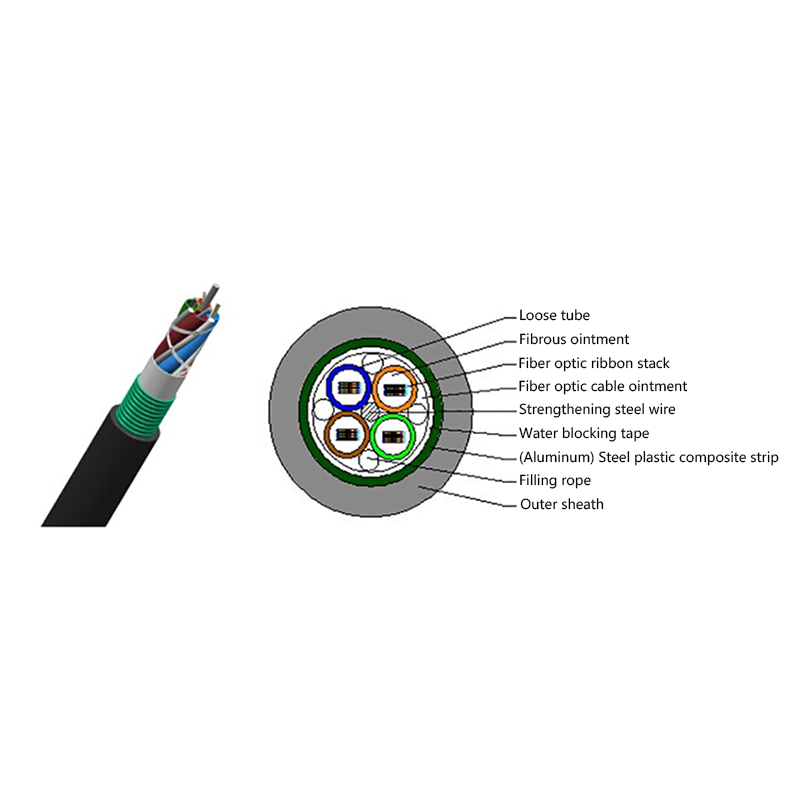
GYDTA(S) Layer Stranded Optical Fiber Ribbon Cable
-
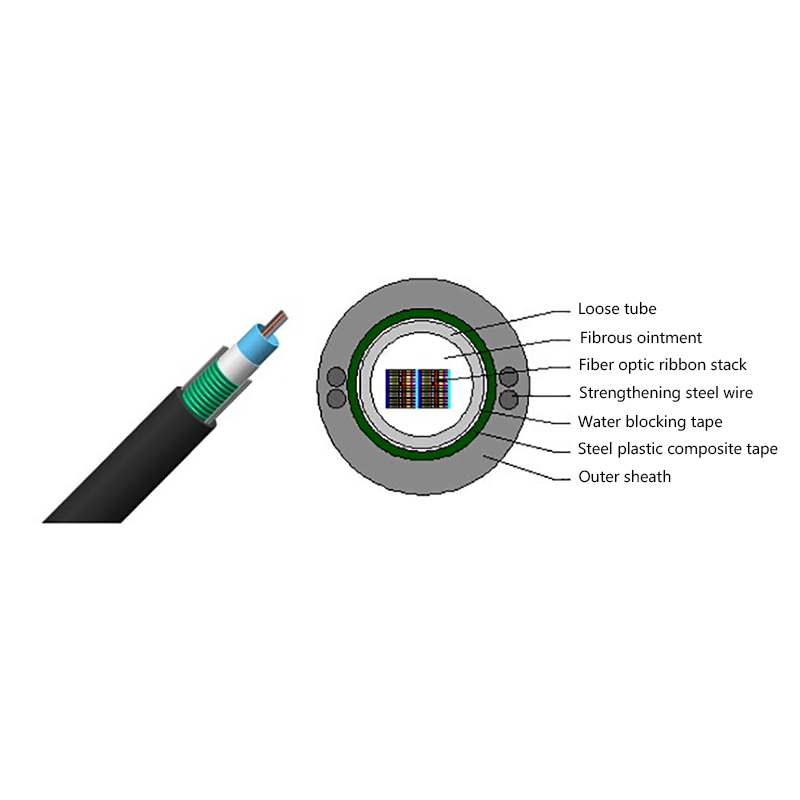
GYDXTW Center Tube Outdoor Optical Fiber Ribbon Cable
-
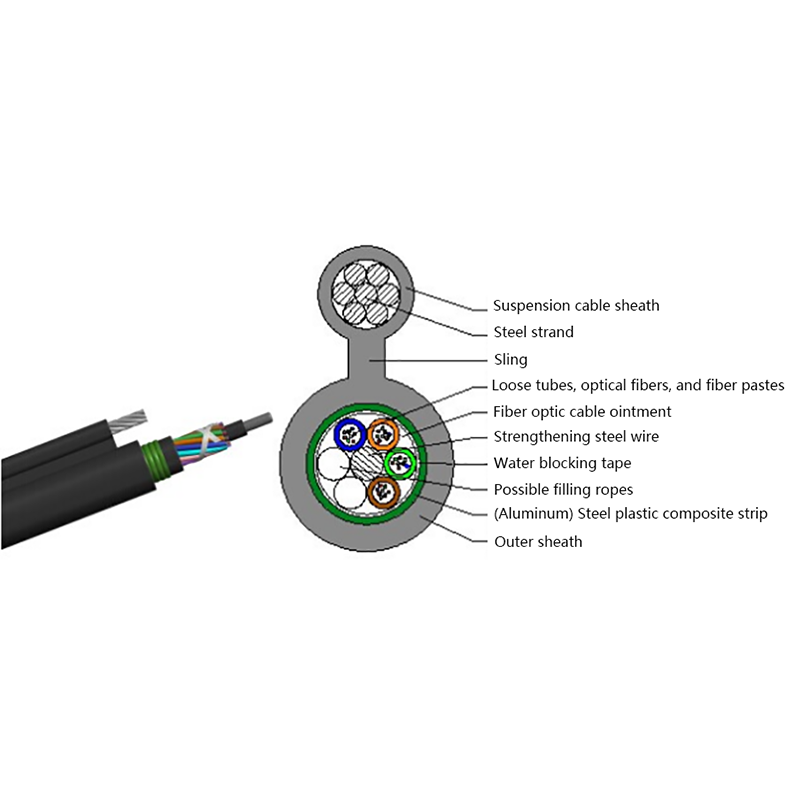
GYTC8A (S) Outdoor layer Stranded 8-shaped Self-Supporting Optical Cable
-
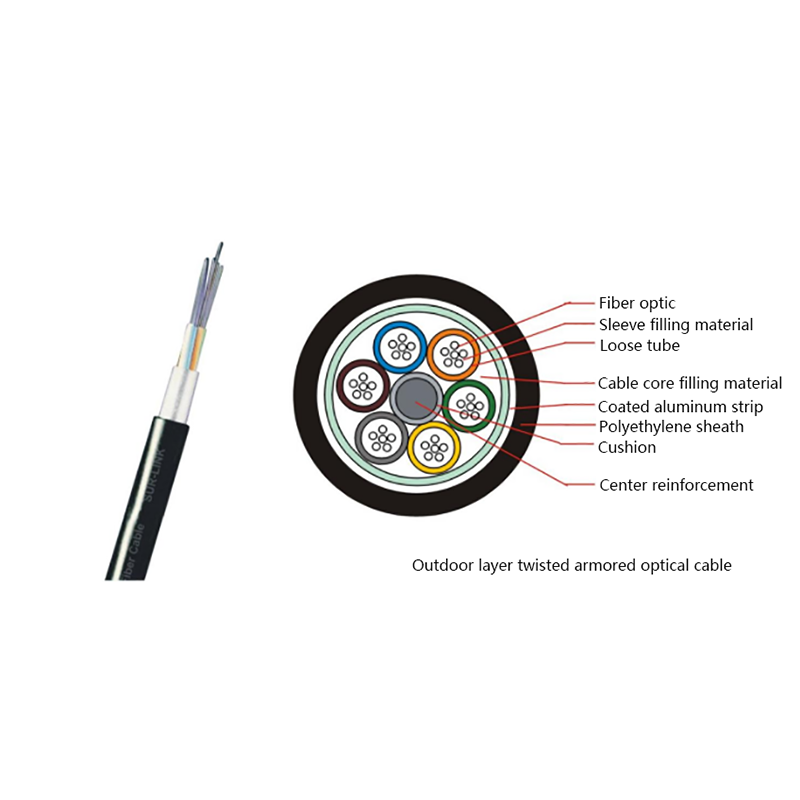
GYTA Layer Stranded Aluminum-Polyethylene Bonded Sheathed Outdoor Optical Cable
-
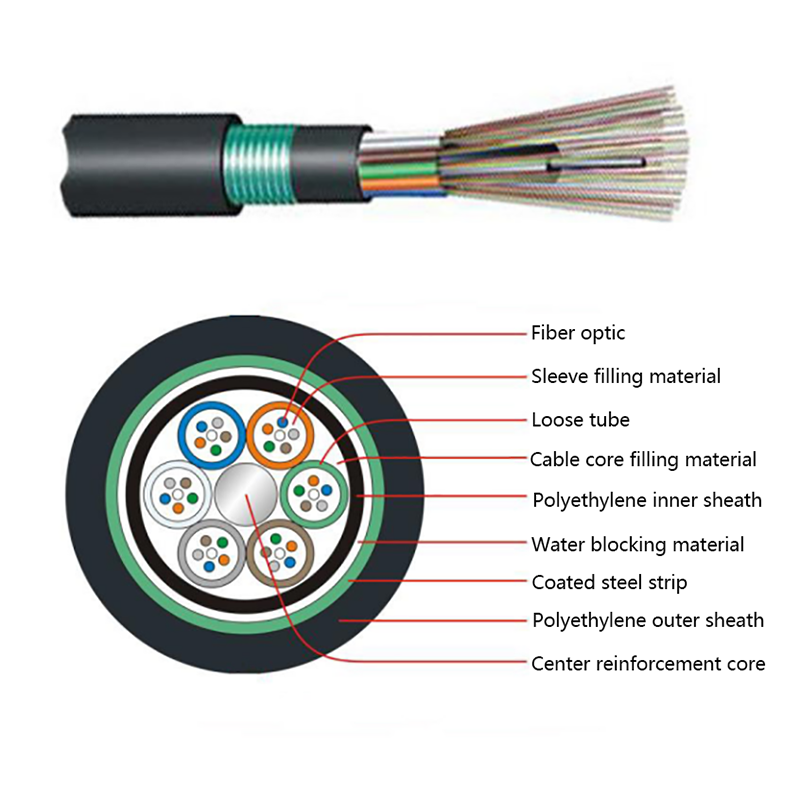
GYTY53 Layer-Stranded PE Inner Sheathed Steel Tape Armored Outer Sheath Optical Cable
-
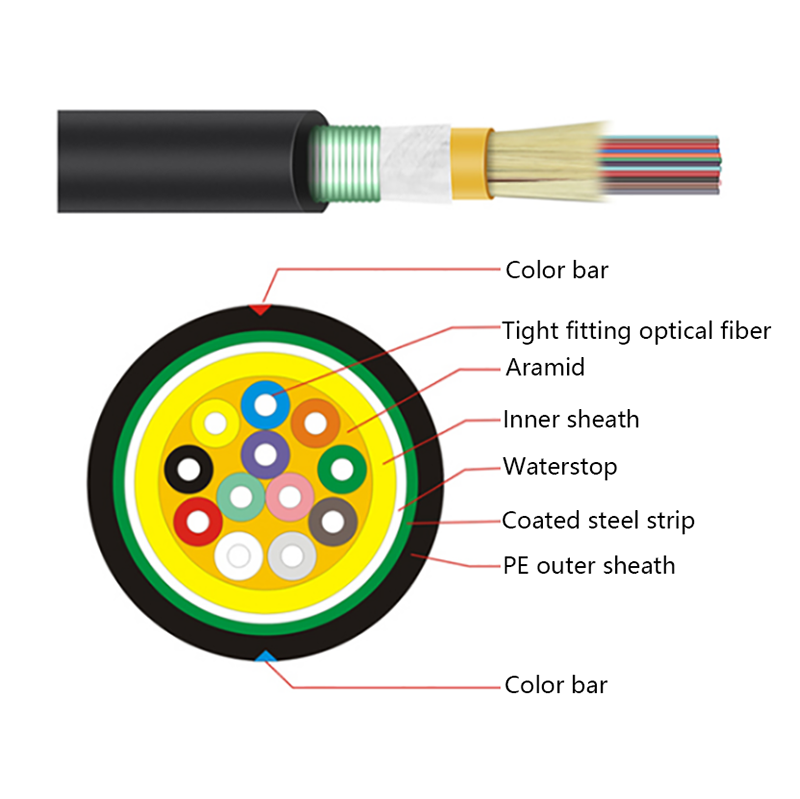
GJFJH53 Indoor Bundled Steel Tape Armored Optical Cable
-

GJPFJV GJFJHV Indoor Branch Optical Cable
-
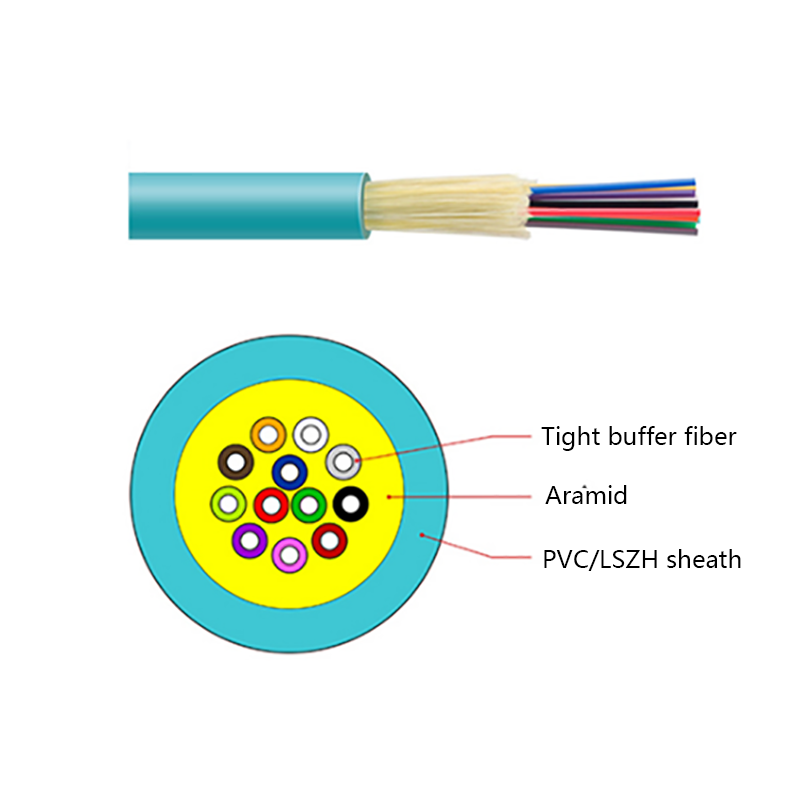
GJFJV Indoor Single Bundle Fiber Optical Cable
-
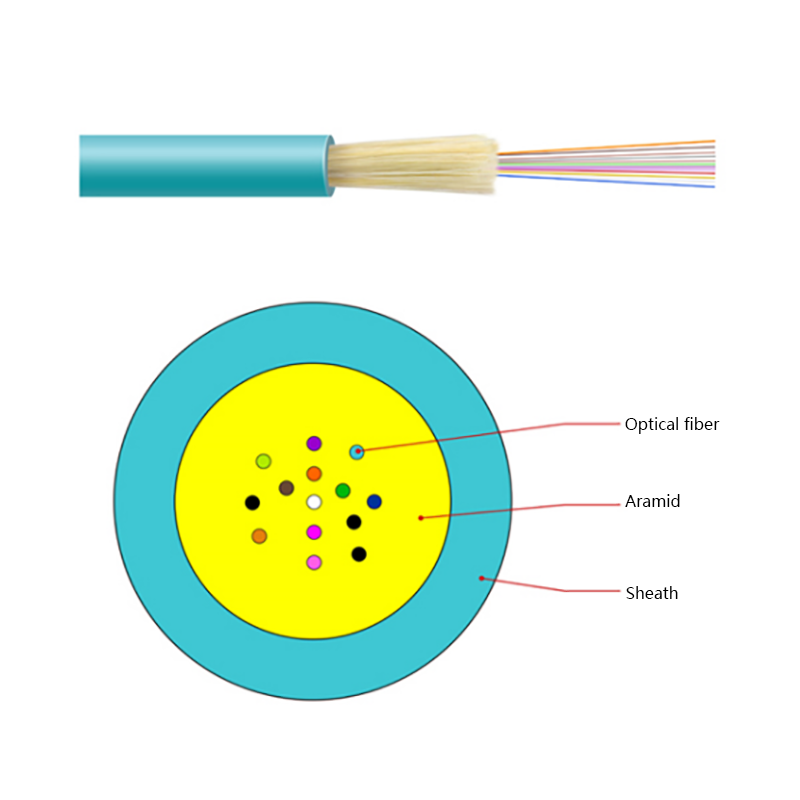
GJFV Indoor Mini Bundle Fiber Optic Cable
-
GJFJV Indoor Single Core Jumper Wire Optical Cable
-
Indoor Tight-Buffered Fibre Optic Cable
-
ADSS—All-Dielectric Self-Supporting Optical Cable
-
Anti-Squirrel ADSS Optical Cable
-
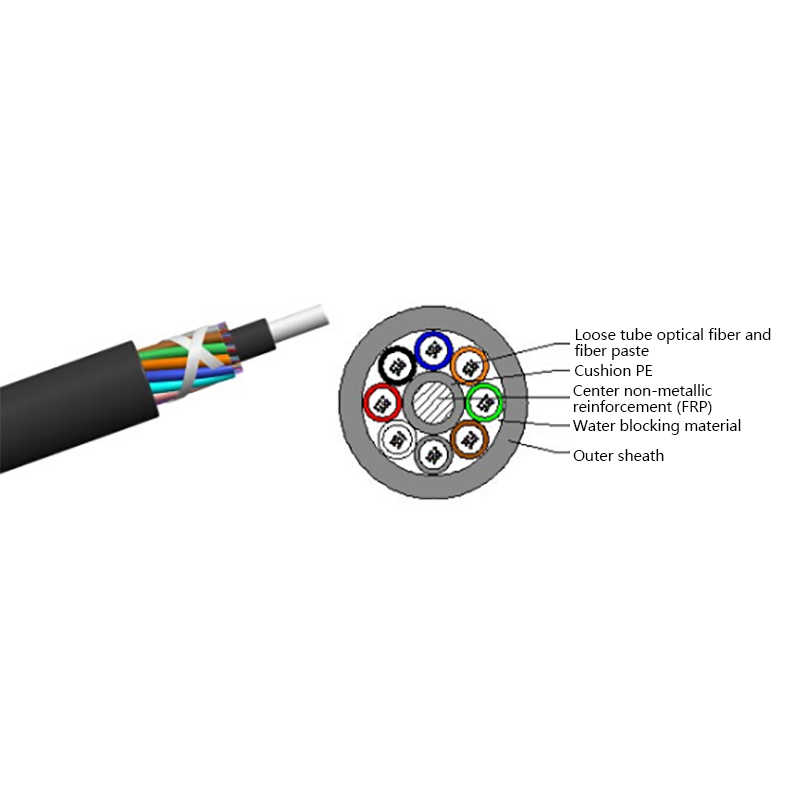
Non-metallic optical cable
Looking For Bussiness Opportunity?
Request for a call today

- Tel: +86-139-6297-6666
- Whatsapp: +86-13962991888
- E-mail: [email protected] / [email protected]
- Add: No.18, Xinjing Road, Nantong Economic and Technological Development Zone, Jiangsu Province, China
Products
Message
Coprright 2023 Jiangsu Hawell Optoelectronic Technology Co., Ltd. All Rights Reserved
 Login
Custom Optical Cables Manufacturers
Login
Custom Optical Cables Manufacturers
Login
Custom Optical Cables Manufacturers