


 English
 русский
 Español
 عربى
عربى 中文简体
中文简体

FTTH Butterfly Optic Cables: Types, Specs & Installation Guide
Content
Fiber runs at gigabit speeds — yet the last few meters inside a building can bring an entire FTTH deployment to a halt. Tight corners, narrow cable trays, and the sheer awkwardness of routing inside walls have historically forced installers into painful compromises. FTTH Butterfly Optic Cables were designed to eliminate those compromises.
What Makes a Butterfly Cable Different
The name comes from the cross-section: a flat, wing-shaped profile with the optical fiber sitting in the center and two parallel strength members flanking it on either side. This geometry gives the cable its distinctive look — and its core advantages.
Unlike round drop cables, the butterfly form is inherently directional. Bending it in the flat plane (the natural direction of routing along walls and around door frames) produces minimal stress on the fiber core. Bending it edge-on takes more force, which acts as a built-in safeguard against accidental sharp kinks during installation.
The strength members are typically Fiber Reinforced Plastic (FRP) — non-metallic, meaning no lightning risk and full immunity to electromagnetic interference. Some variants replace or supplement FRP with a steel wire messenger for aerial self-supporting runs. This single structural difference separates indoor butterfly cables (FRP only) from their outdoor, self-supporting counterparts.
The Fiber Inside: Why G.657 Matters
Butterfly cables almost universally use bend-insensitive single-mode fiber — specifically types covered by the ITU-T G.657 standard for bending-loss insensitive optical fibre. Here's what the subtypes mean in practice:
| Fiber Type | Min. Bend Radius | G.652.D Compatible | Best For |
|---|---|---|---|
| G.657.A1 | 10 mm | Yes | Standard FTTH indoor routing |
| G.657.A2 | 7.5 mm | Yes | Tight corners, dense wiring closets |
| G.657.B3 | 5 mm | Partial | Extreme bend-radius applications |
For most residential and light commercial deployments, G.657.A1 is the practical choice: it tolerates 10 mm bend radii, fully splices with legacy G.652.D infrastructure already in the ground, and costs less than A2 or B3 variants. Upgrade to A2 when routing through conduit with 90-degree elbows or stapling cable across irregular surfaces.
Indoor vs. Self-Supporting Outdoor: Picking the Right Variant
Butterfly cables split cleanly into two families based on deployment environment.
Indoor butterfly cables (type GJXH) carry FRP strength members, an LSZH (Low Smoke Zero Halogen) sheath, and nothing else. They are lightweight, flexible, and designed to travel from the building entry point to the subscriber's ONT. Fiber counts run from 1 to 4 cores for single-unit residential use, up to 12 cores for multi-tenant buildings sharing a riser.
Self-supporting outdoor butterfly cables (type GJYXFCH/GJXFH) add a steel messenger wire alongside the indoor butterfly structure. This transforms the cable into an aerial drop that spans from the utility pole to the building without external support — spans up to 50 meters are common. The same G.657 fiber sits inside; only the jacket material shifts to PE or dual-layer LSZH/PE for UV and moisture resistance.
A key decision point: if your run transitions from outdoor to indoor within a single cable, choose an indoor optical cable rated for both environments, or terminate the outdoor section at a wall entry point and splice to a dedicated indoor drop. Mixing sheath types in a single continuous run is a common mistake that creates compliance issues in fire-rated building penetrations.
Installation: Where Most Problems Actually Occur
The cable itself is rarely the source of field failures. Technique is. Four rules cover the majority of installation errors:
- Respect the flat plane. Route butterfly cables so bends occur in the wide dimension, not the edge. Edge bending can crack the fiber even within the rated bend radius on paper.
- Don't over-staple. Fixing staples too tightly crushes the cable profile and introduces microbending losses that only appear weeks later as the sheath deforms. Use saddle clips sized to the cable width.
- Strip carefully. The slotted groove design on most butterfly cables is there to make stripping fast — use a dedicated drop cable stripper, not a generic wire cutter. Nicking the fiber coating adds loss at every nick.
- Test before terminating. An OTDR trace on a reel of cable before installation takes two minutes and confirms the glass is intact. Testing after pulling through conduit tells you where the problem is; testing before tells you whether you need to worry.
Choosing the Right Supplier: What Specs to Demand
The market for FTTH butterfly cable is crowded. Asking for ITU-T G.657 compliance is necessary but not sufficient — insist on documentation for these four parameters:
- Macrobending loss at the specified bend radius and wavelength (1550 nm and 1625 nm)
- Tensile strength — typically ≥80 N for indoor, ≥600 N for self-supporting outdoor
- Crush resistance — FRP members should withstand ≥1000 N/100 mm
- Flame retardancy — LSZH sheath should meet IEC 60332-1 as a minimum for indoor use
Suppliers who publish these figures openly — and can back them with third-party test reports — are generally the ones producing cable that performs in the field. FTTH butterfly optic cables built to these specifications consistently outperform uncertified alternatives in long-term signal stability.
For larger projects, also verify reel length consistency. Receiving twelve reels of varying length when you planned continuous pulls creates waste and splices you didn't budget for. A manufacturer with rigorous production controls ships what was ordered. Pair your cable procurement with the right fiber optic patch cables and accessories from the same quality tier to avoid weak points at termination points.
The Bottom Line for Network Planners
FTTH Butterfly Optic Cables solve a specific, real problem: delivering fiber through the architecturally chaotic last segment of an access network. The flat butterfly profile, bend-insensitive G.657 fiber, and FRP strength members combine to make indoor routing genuinely manageable — not just theoretically possible.
Match the cable variant to the environment (indoor GJXH or outdoor self-supporting GJXFH), specify G.657.A1 or A2 based on actual bend radii in your routing path, and hold suppliers to documented performance figures. Do those three things, and the cable stops being the variable that keeps field engineers up at night.
For outdoor backbone segments feeding into your FTTH drops, explore complementary outdoor optical cable options designed for duct, aerial, and direct-burial applications — a coherent end-to-end cable strategy consistently delivers lower total installation cost than mixing incompatible product families.
Related Products
-
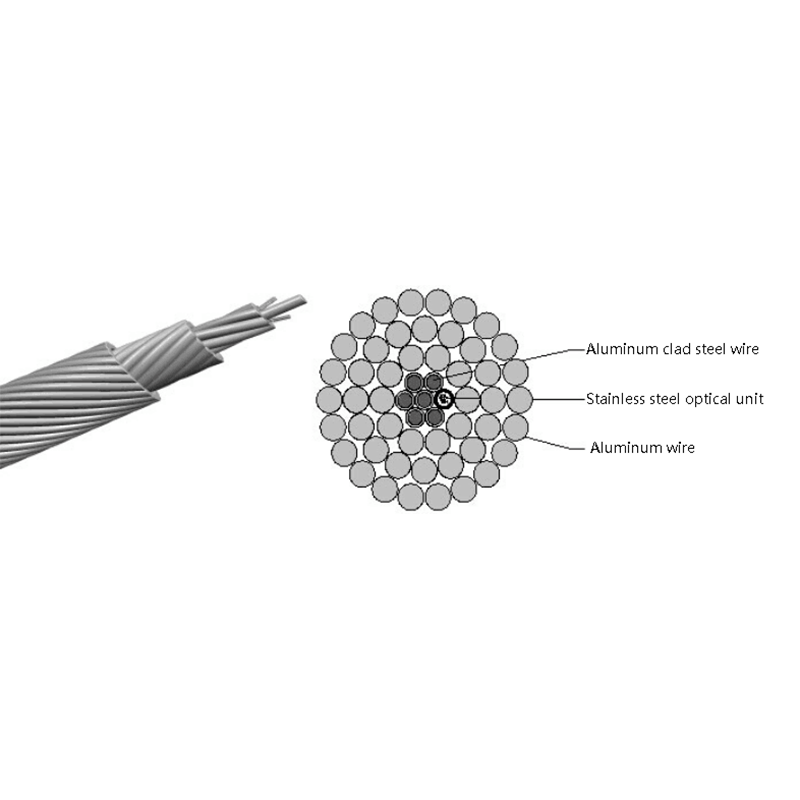
Optical Phase Conductor OPPC Cable
-
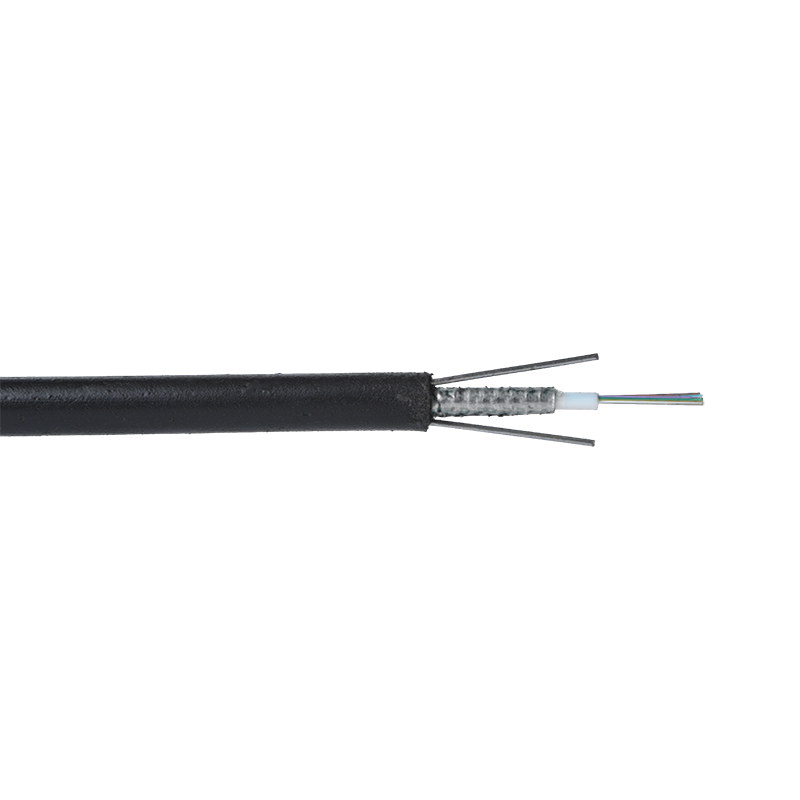
GYXTW Central Tube Armored Outdoor Optical Cable
-
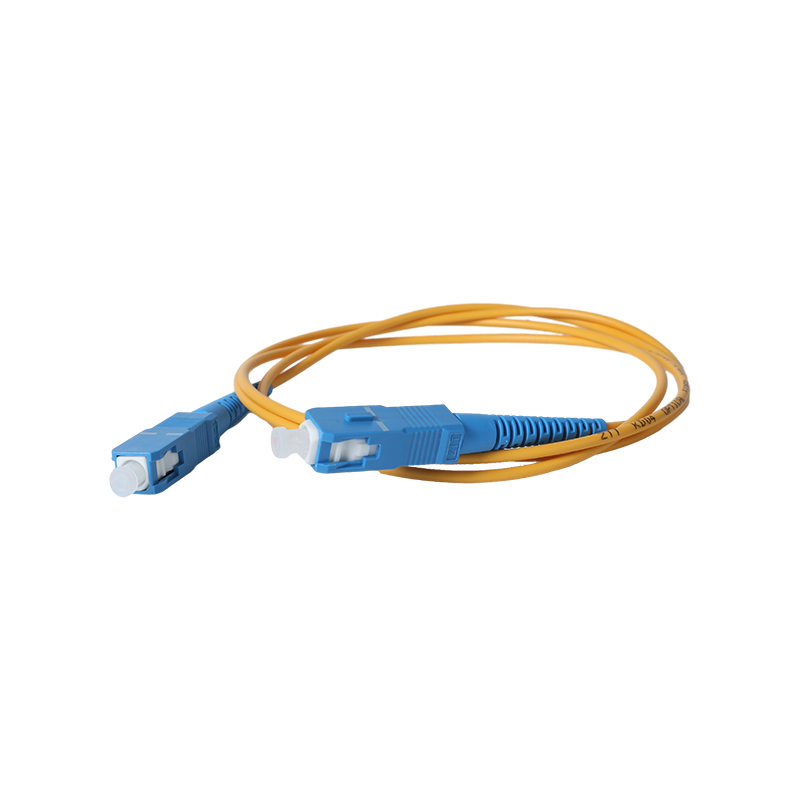
Fiber Optic Patch Cables
-
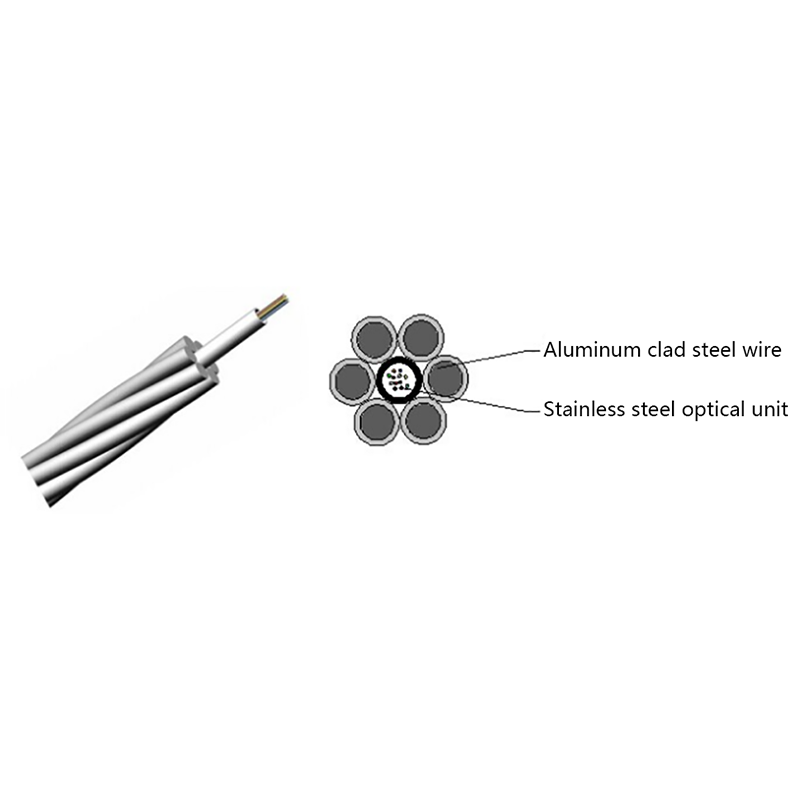
OPGW Optical Fiber Composite Overhead Ground Wire
-
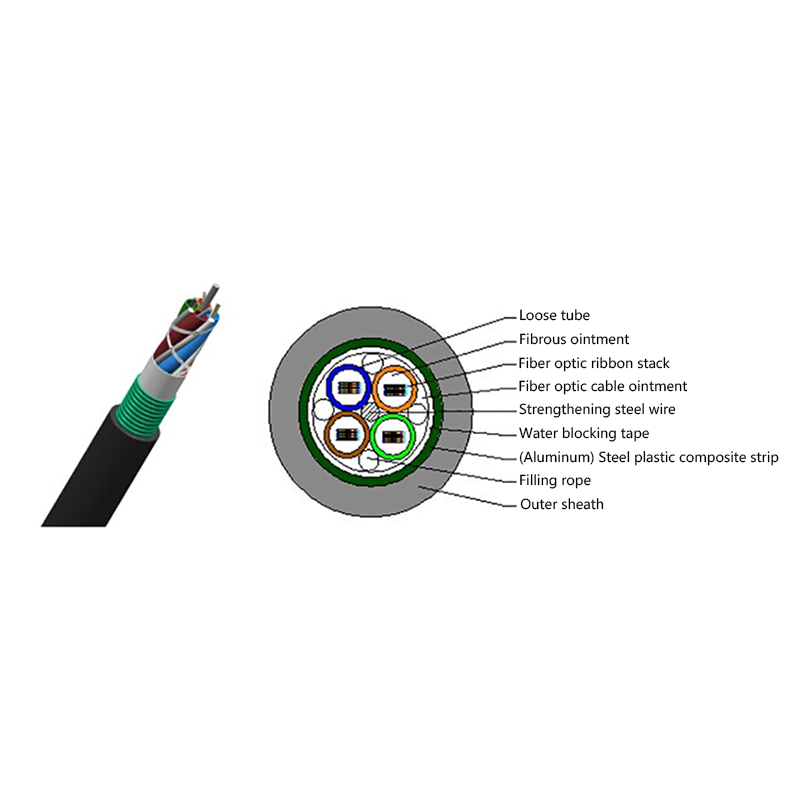
GYDTA(S) Layer Stranded Optical Fiber Ribbon Cable
-
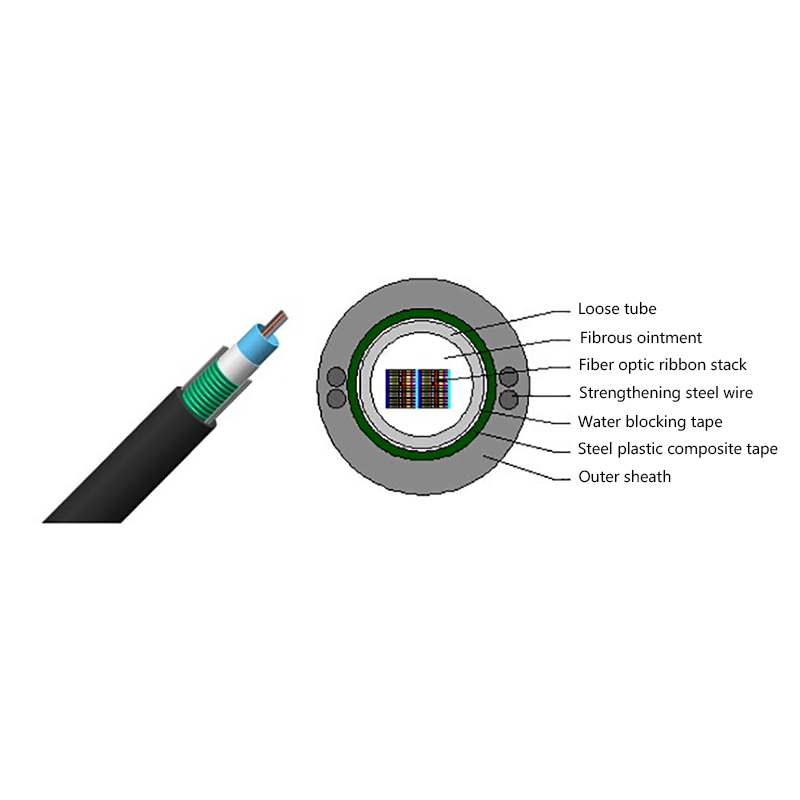
GYDXTW Center Tube Outdoor Optical Fiber Ribbon Cable
-
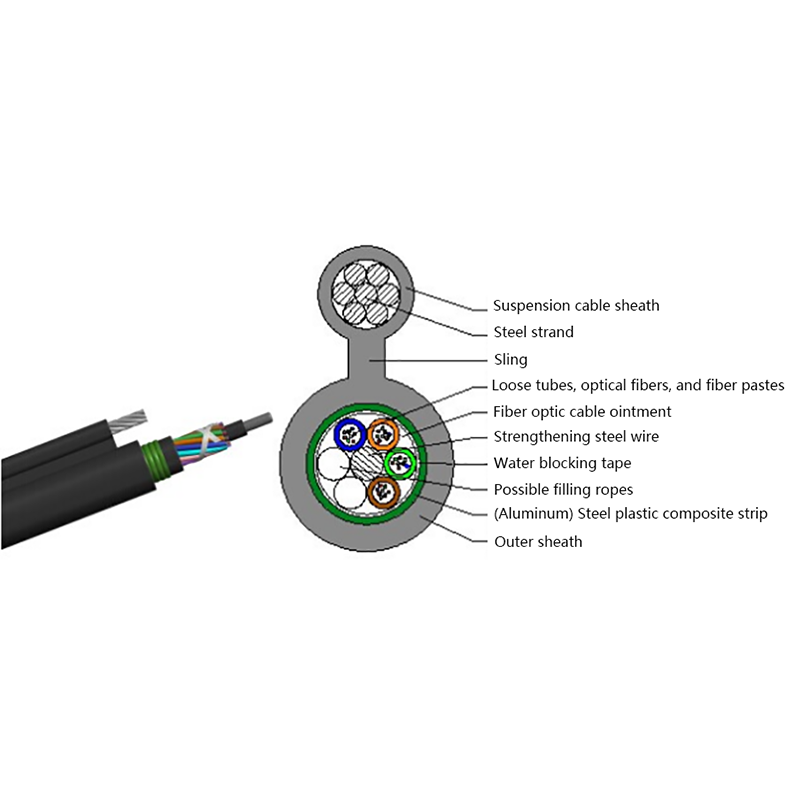
GYTC8A (S) Outdoor layer Stranded 8-shaped Self-Supporting Optical Cable
-
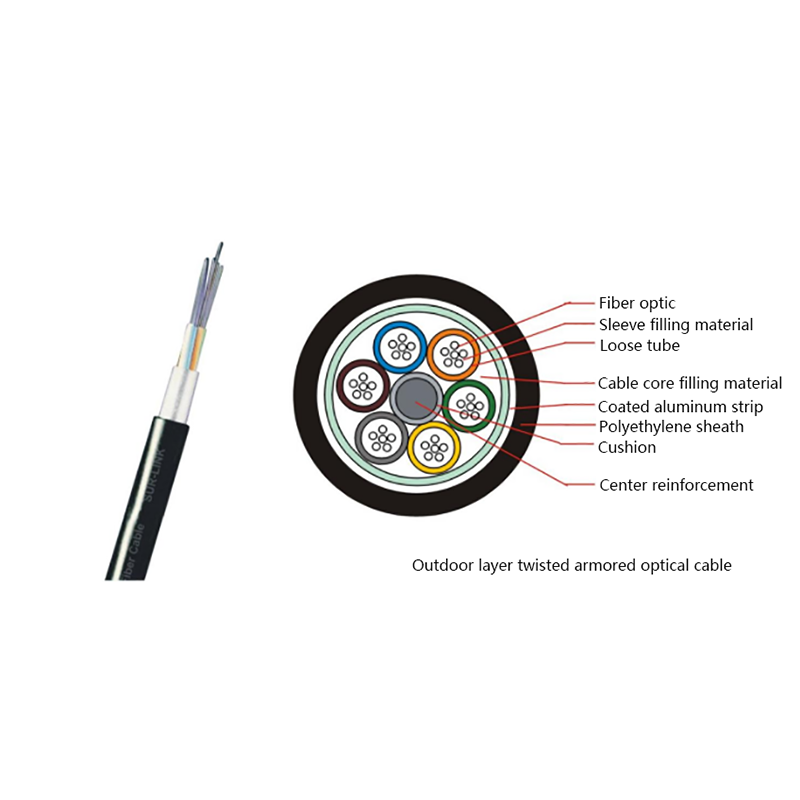
GYTA Layer Stranded Aluminum-Polyethylene Bonded Sheathed Outdoor Optical Cable
-
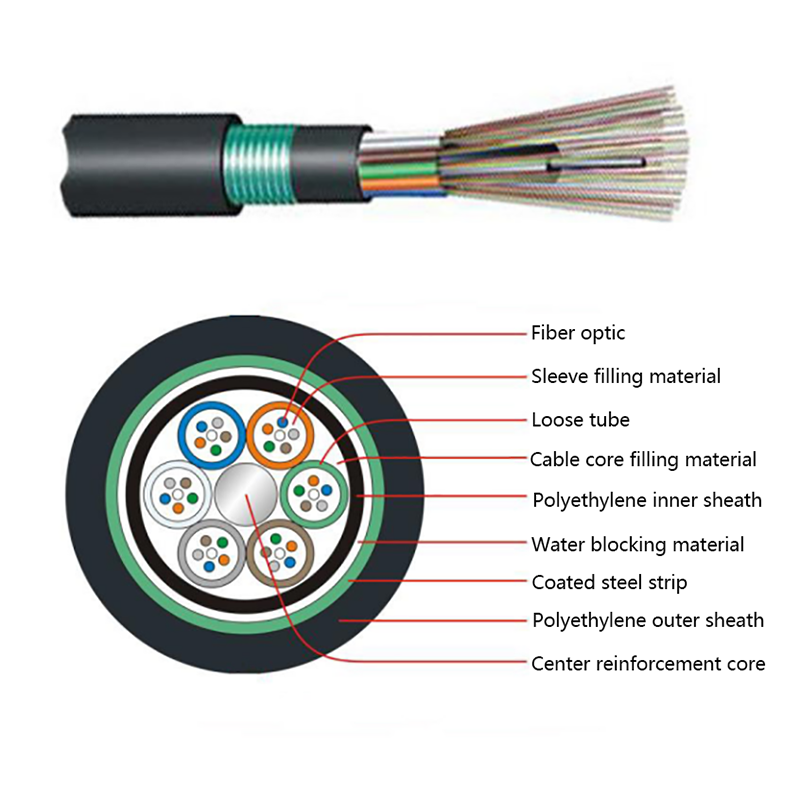
GYTY53 Layer-Stranded PE Inner Sheathed Steel Tape Armored Outer Sheath Optical Cable
-
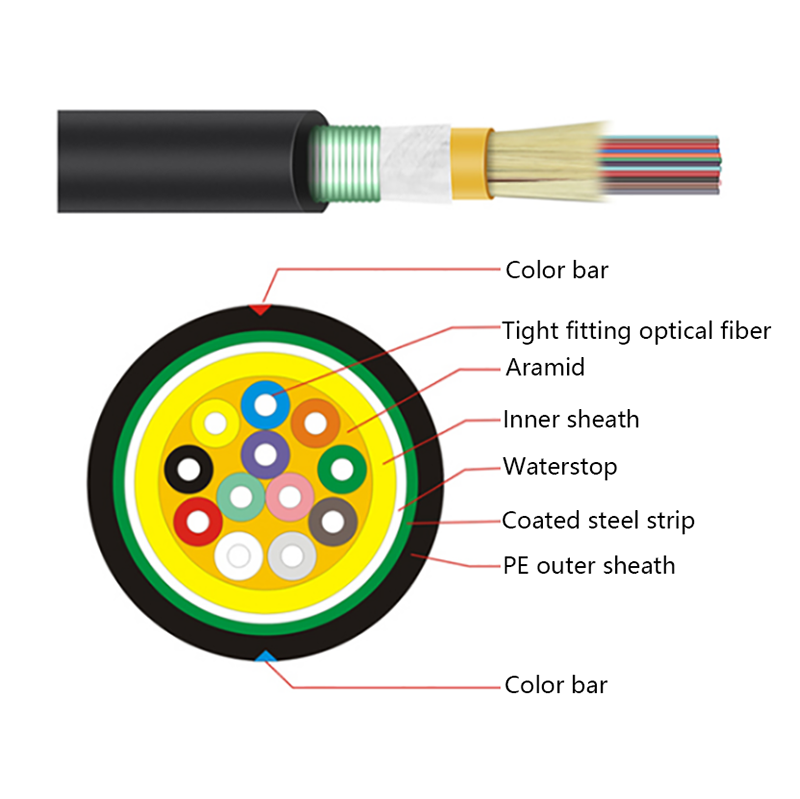
GJFJH53 Indoor Bundled Steel Tape Armored Optical Cable
-

GJPFJV GJFJHV Indoor Branch Optical Cable
-
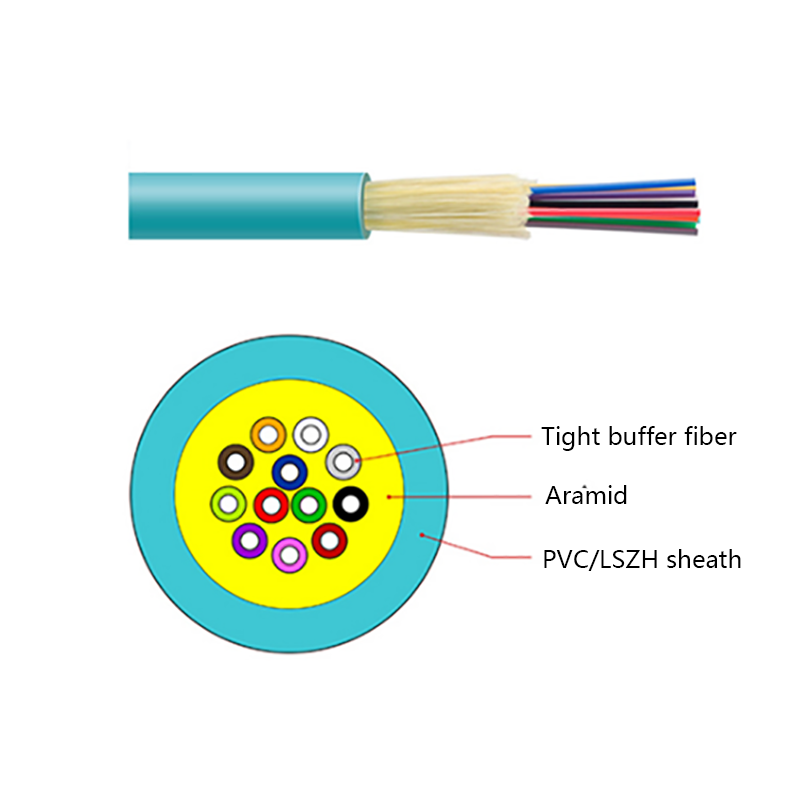
GJFJV Indoor Single Bundle Fiber Optical Cable
-
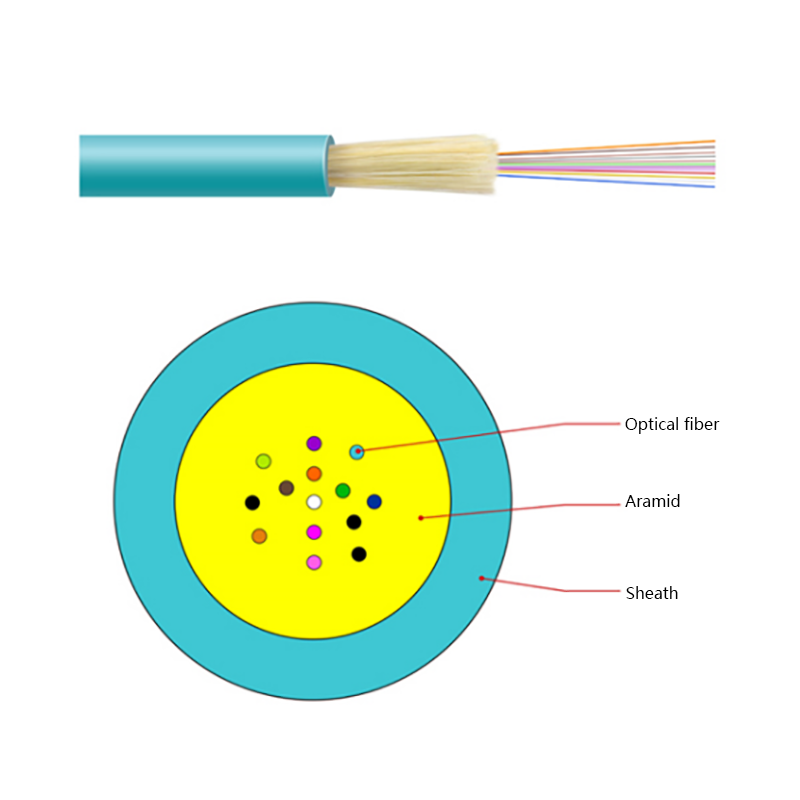
GJFV Indoor Mini Bundle Fiber Optic Cable
-
GJFJV Indoor Single Core Jumper Wire Optical Cable
-
Indoor Tight-Buffered Fibre Optic Cable
-
ADSS—All-Dielectric Self-Supporting Optical Cable
-
Anti-Squirrel ADSS Optical Cable
-
Non-metallic optical cable
Looking For Bussiness Opportunity?
Request for a call today

- Tel: +86-139-6297-6666
- Whatsapp: +86-13962991888
- E-mail: [email protected] / [email protected]
- Add: No.18, Xinjing Road, Nantong Economic and Technological Development Zone, Jiangsu Province, China
Products
Message
Coprright 2023 Jiangsu Hawell Optoelectronic Technology Co., Ltd. All Rights Reserved
 Login
Custom Optical Cables Manufacturers
Login
Custom Optical Cables Manufacturers
Login
Custom Optical Cables Manufacturers