


 English
 русский
 Español
 عربى
عربى 中文简体
中文简体
News
Home / News / Industry news / Optical Cables & Fiber Optic Cables: Types, Structures & Selection Guide

Content
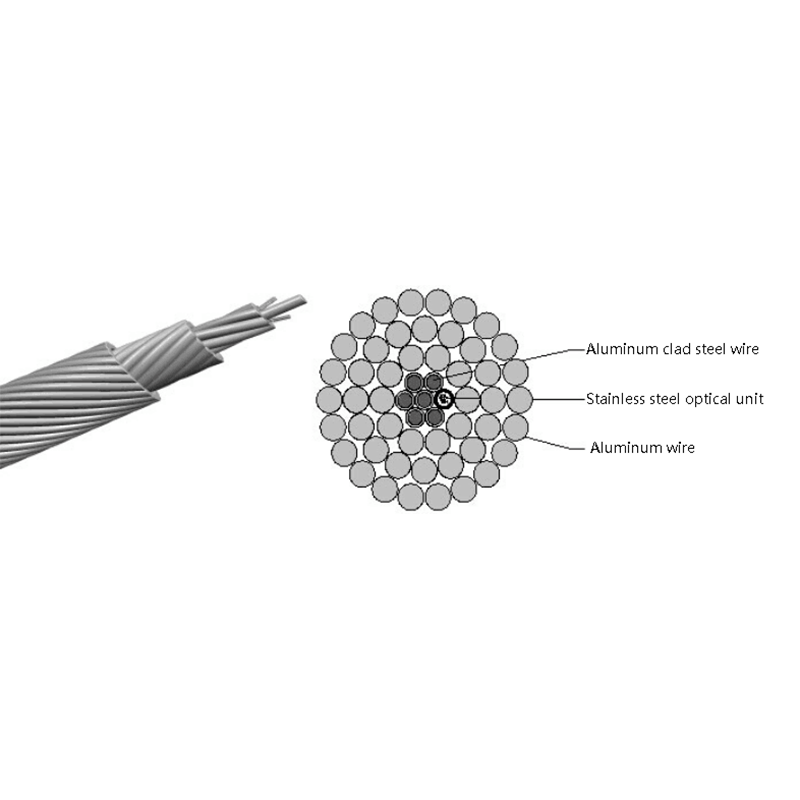
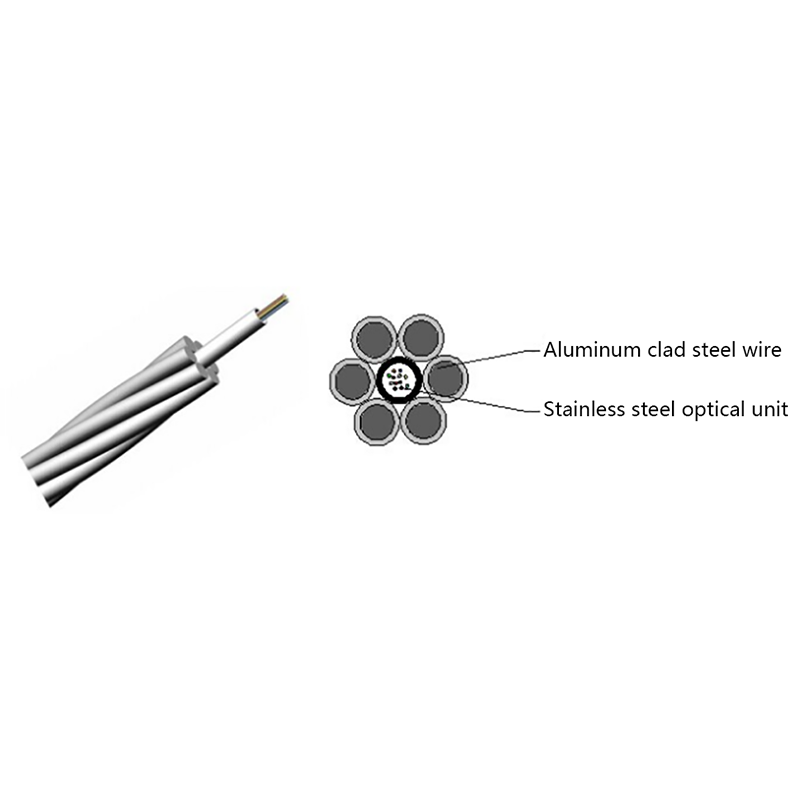
Many buyers use "optical cable" and "fiber optic cable" interchangeably — and in most contexts, they mean the same thing. Technically, an optical cable is the complete assembly: fiber strands, buffer layers, strength members, and outer jacket. The fiber optic strands inside are what actually carry light signals. Understanding the full structure helps you spec the right product and avoid costly mismatches on site.
Before choosing any cable model, lock in your fiber type. This one choice affects transceivers, connectors, and long-term upgrade costs.
| Parameter | Single-Mode (OS2) | Multimode (OM3/OM4) |
|---|---|---|
| Core diameter | 8–9 µm | 50 µm |
| Typical reach | 40 km+ (DWDM capable) | 300–550 m at 10G–100G |
| Light source | Laser (1310/1550 nm) | VCSEL (850 nm) |
| Best for | Outdoor backbone, telecom trunk | Data center intra-rack, campus IDF-MDF |
If your link distance is uncertain or you're planning multi-site expansion, single-mode is almost always the safer bet. The optics cost more upfront, but the cable plant lasts decades and never hits a distance wall.
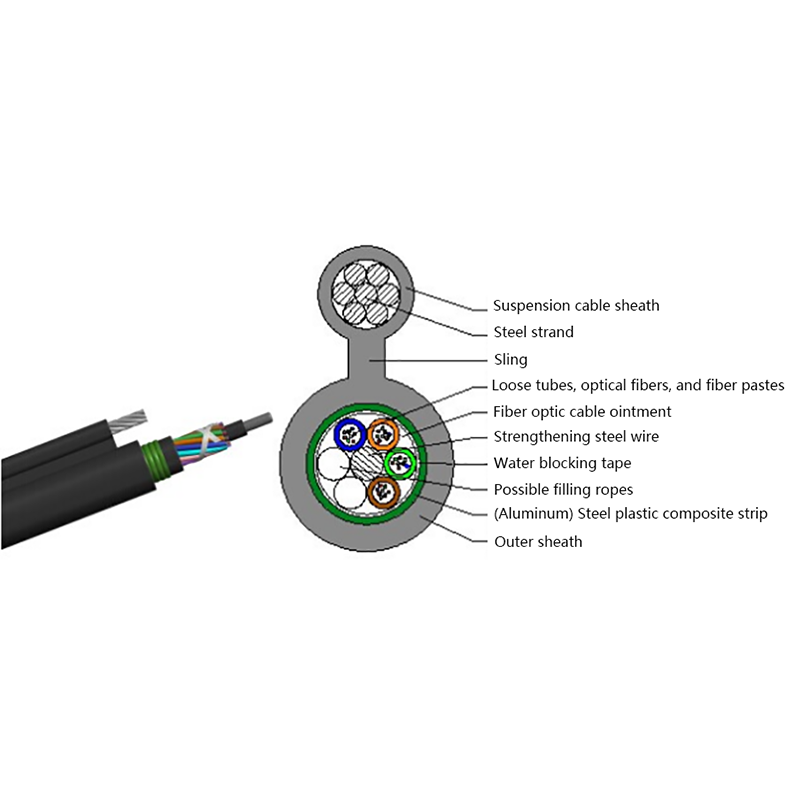
For outdoor deployments, the internal structure determines how the cable handles tension, moisture, and temperature swings — not just how many fibers it holds.
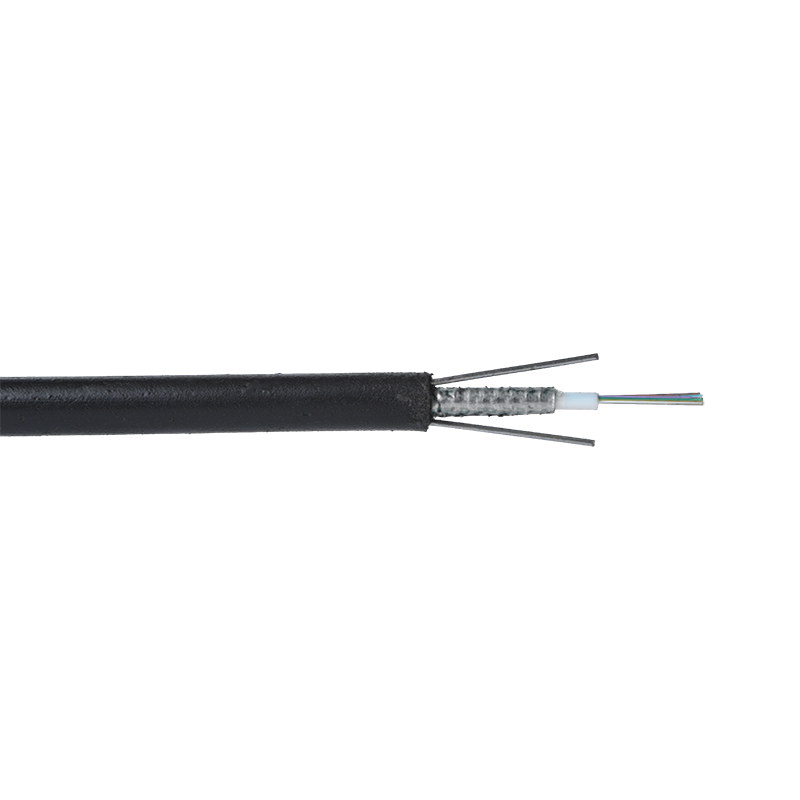
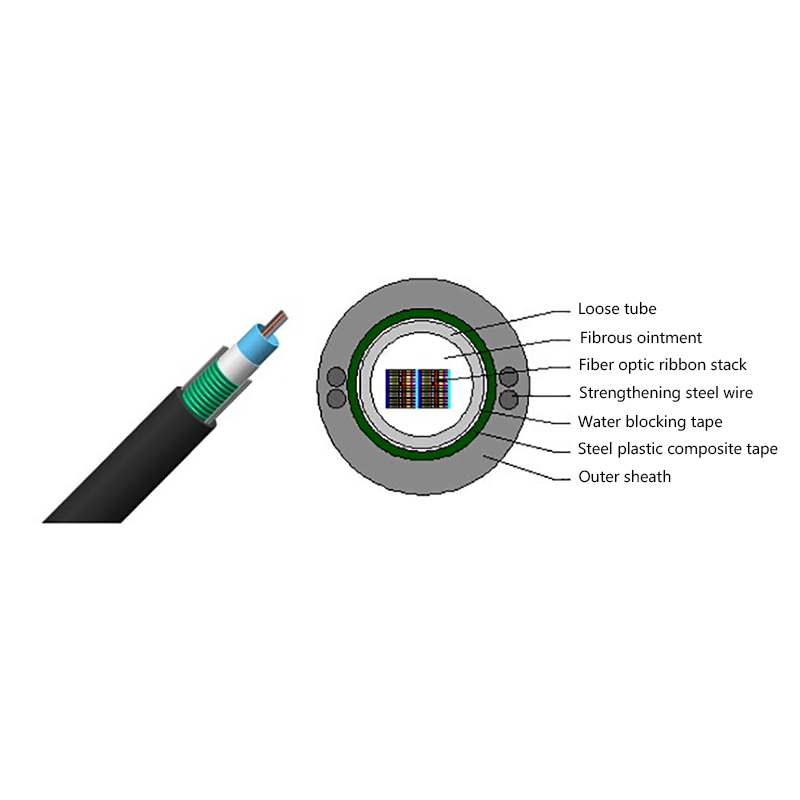
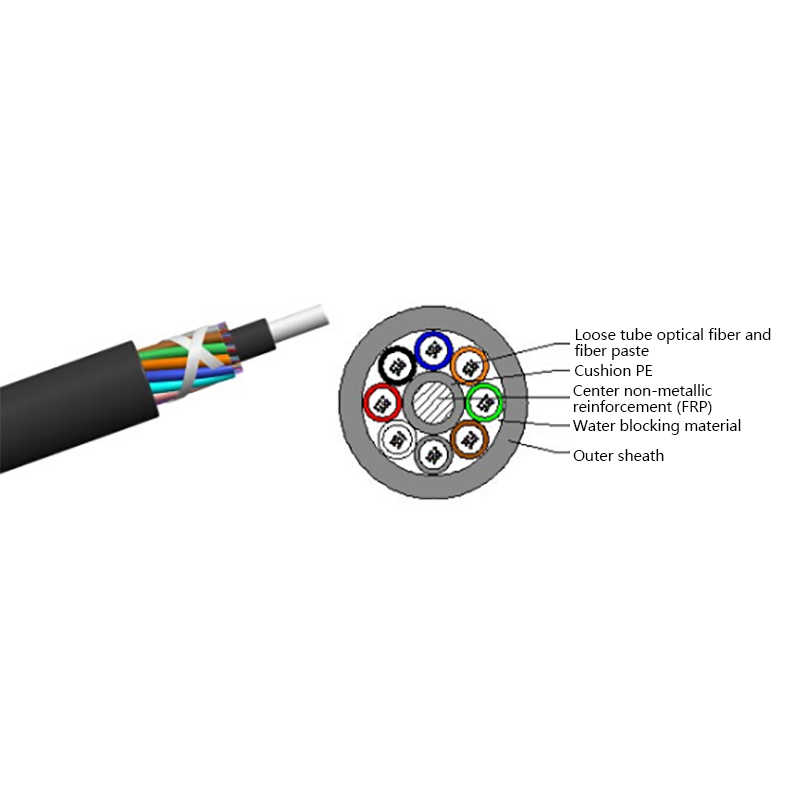
Central tube cables (e.g., GYXTW) pack all fibers into a single gel-filled tube at the core. This design is compact, lightweight, and fast to splice — ideal for duct or direct-burial runs up to 12 cores. The outdoor central tube optical cables in this category offer excellent longitudinal water-blocking performance thanks to the gel filling and PE outer sheath.
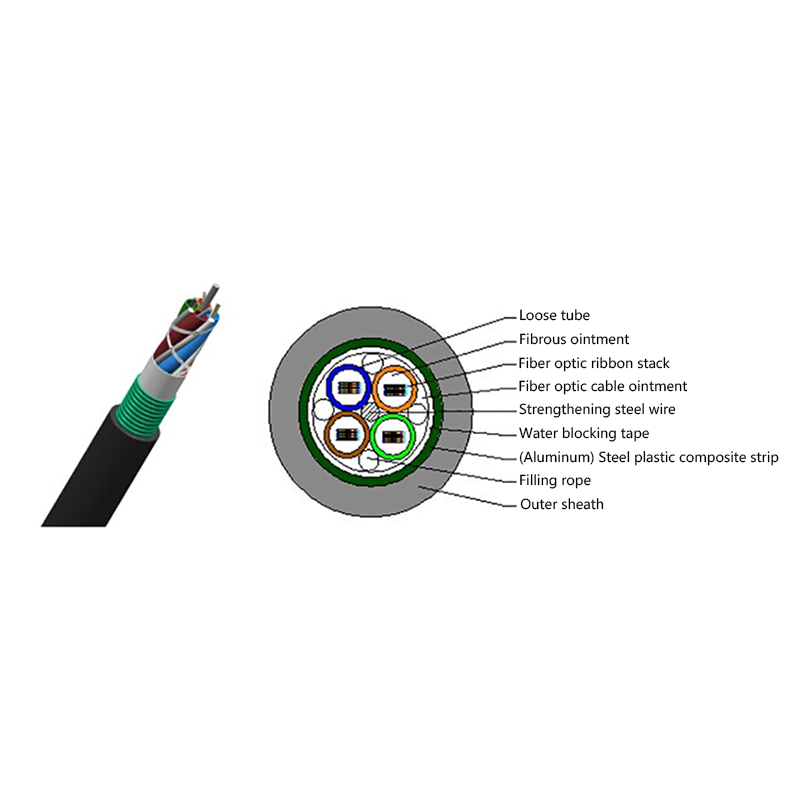
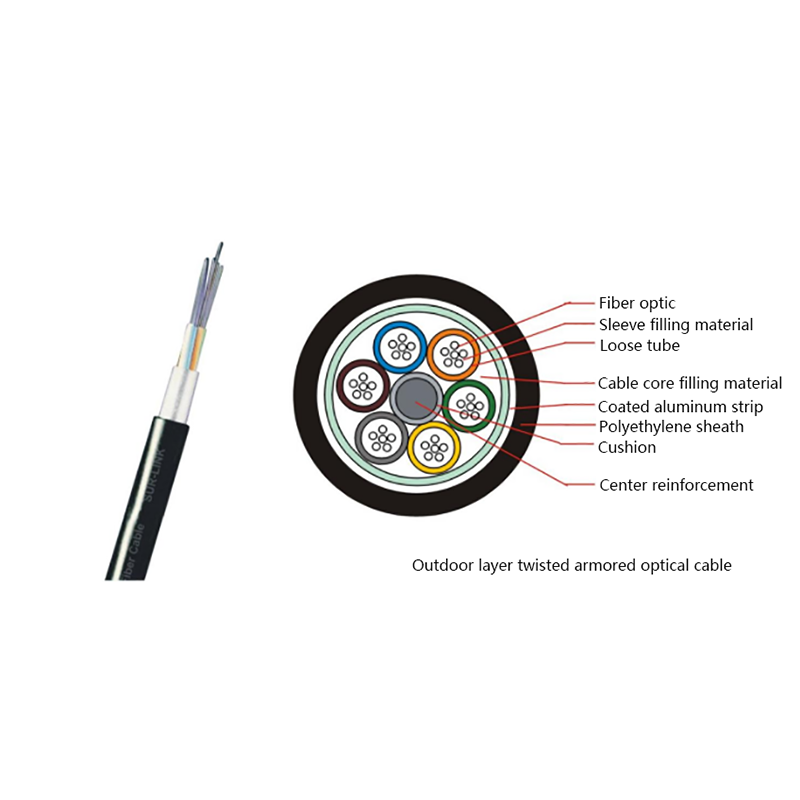
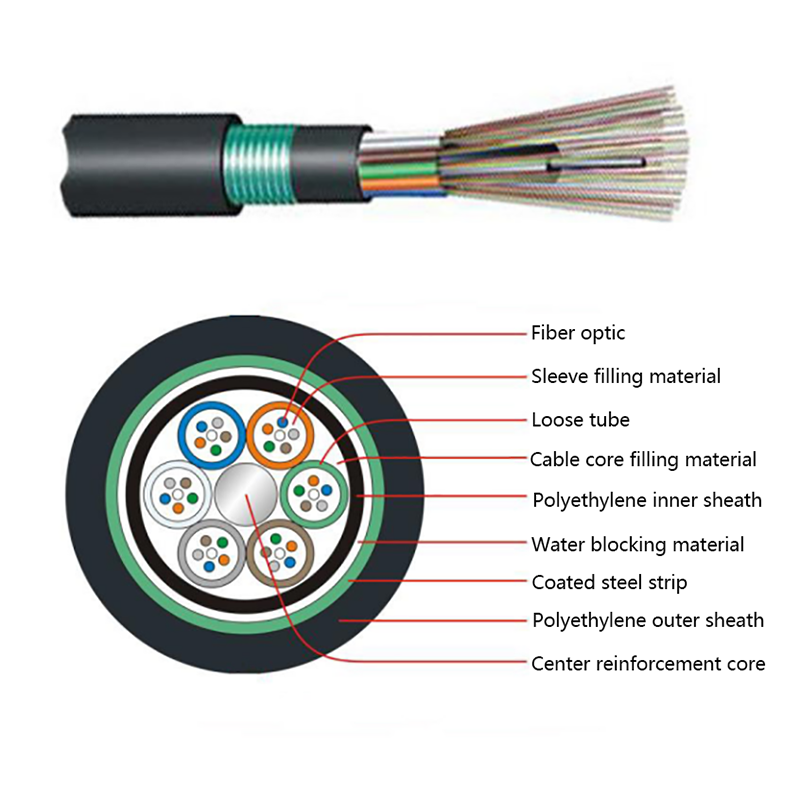
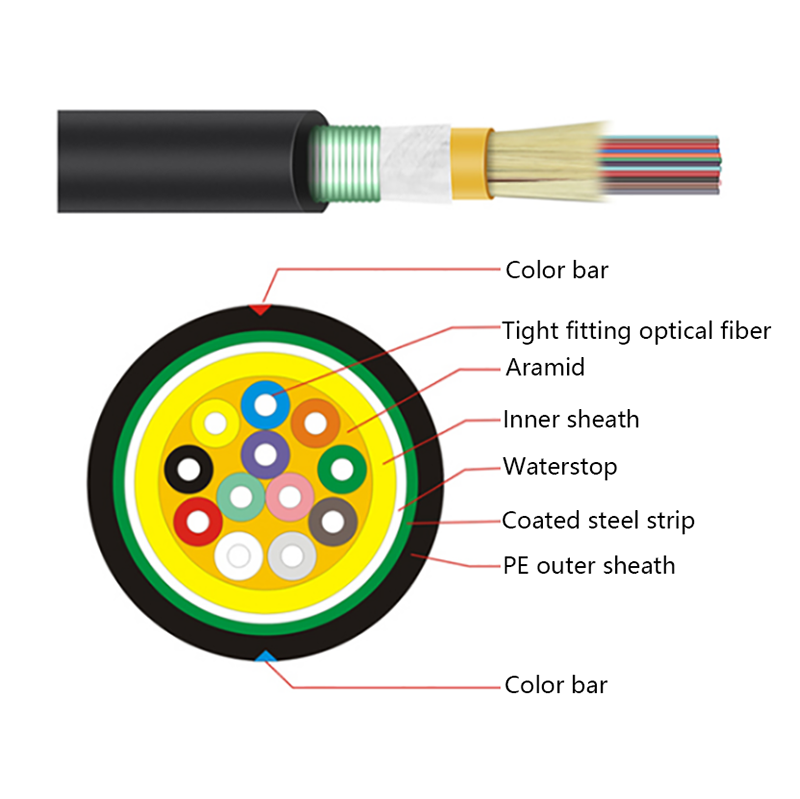
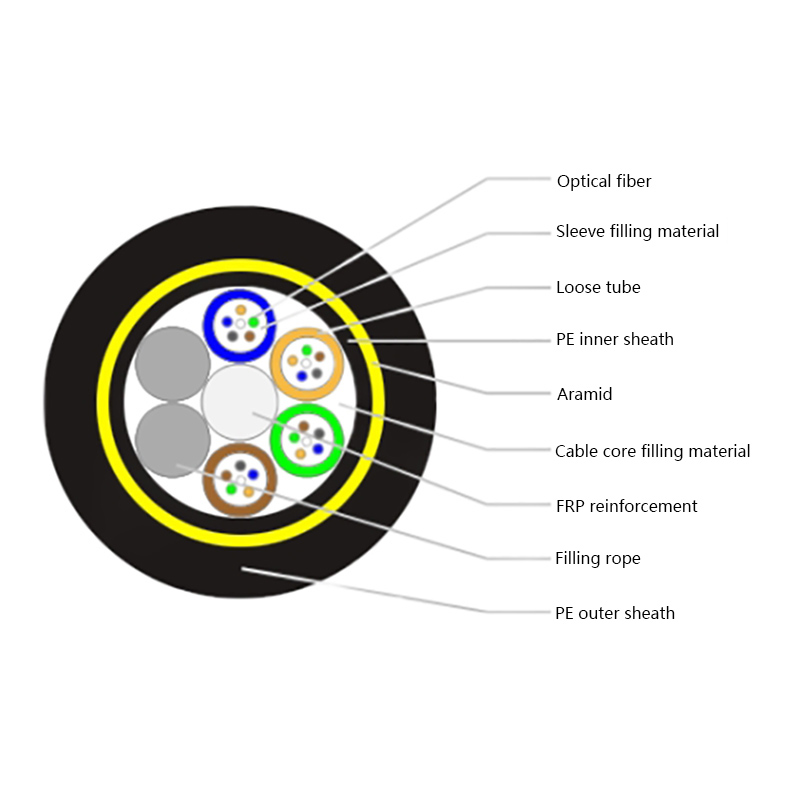
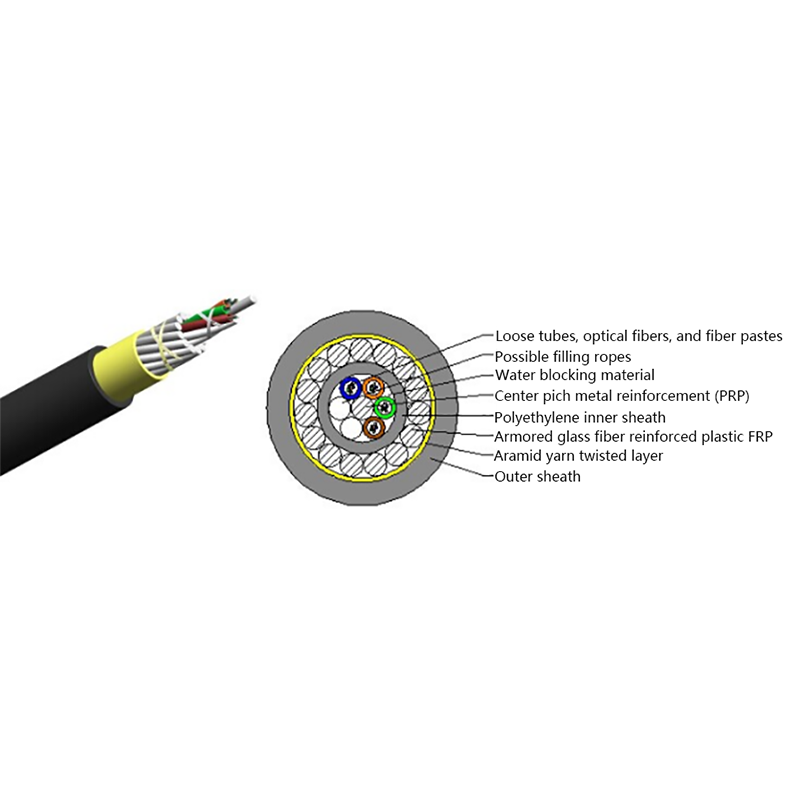
Layer stranded cables (e.g., GYTS, GYTA, GYTY53) arrange multiple loose tubes helically around a central steel or FRP strength member. They scale easily from 24 to 288+ cores and handle high tensile loads — the right call for long aerial spans, underground trunk routes, and submarine shallow-water sections. The outdoor layer stranded optical cables in the GYTA53 and GYTY53 series add double-sided steel tape armoring for direct-burial crush resistance.
General outdoor and indoor cables cover most projects, but a handful of scenarios demand specialized designs:
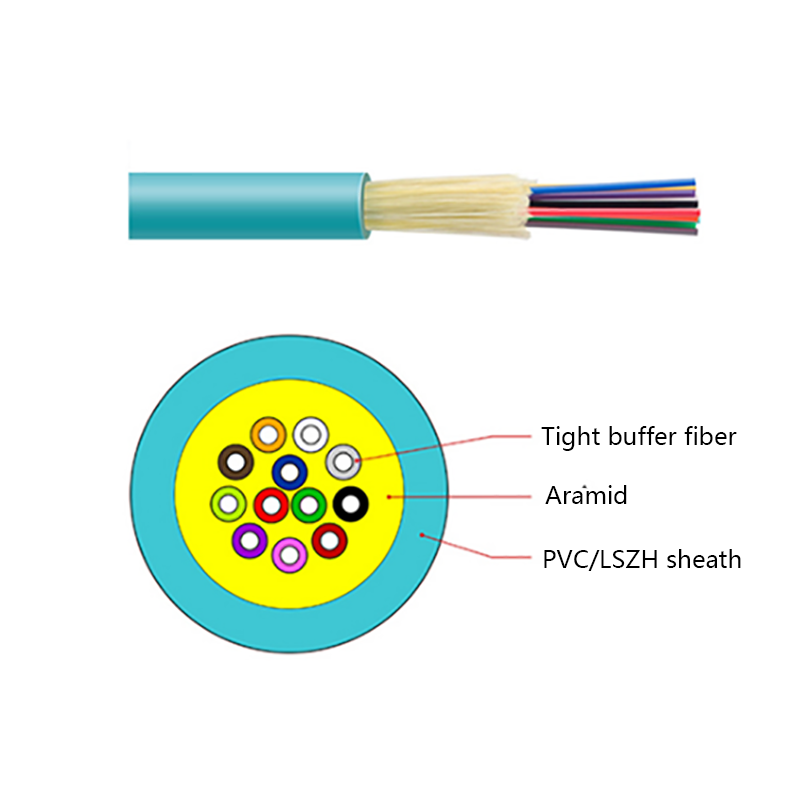
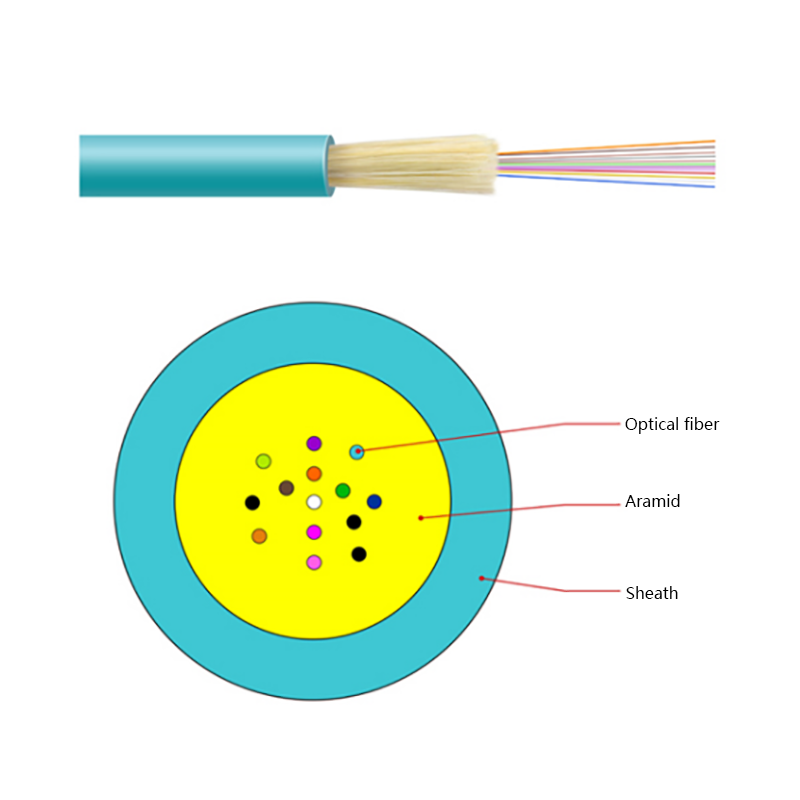
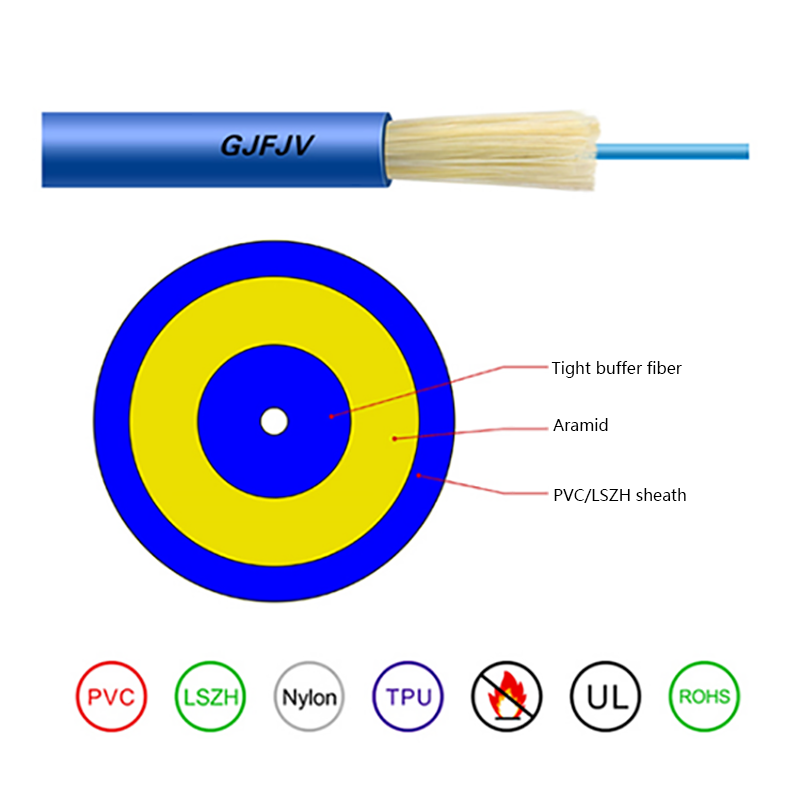
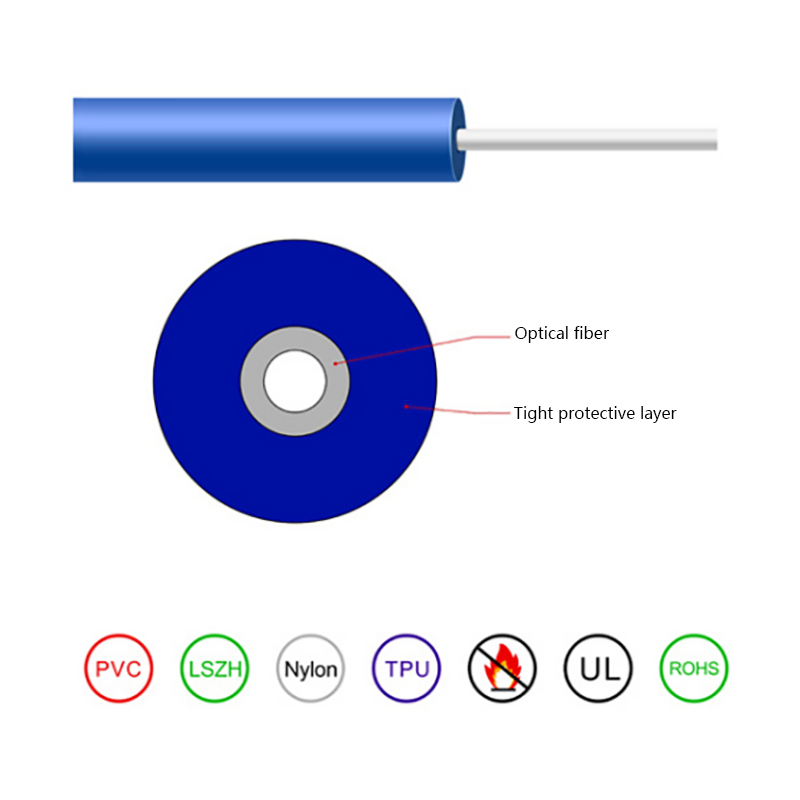
Indoor cables must pass fire safety codes that outdoor cables don't face. Jacket ratings — LSZH (Low Smoke Zero Halogen), riser (CMR), or plenum (CMP) — are mandated by building codes in most markets, and getting them wrong means failing inspection. Per ITU-T L.103 (2024) guidance on indoor optical fibre cables, cables deployed inside buildings must comply with mechanical and fire-resistance standards referenced in IEC 60794-2. The indoor optical cable range — covering tight-buffered single-core, mini-bundle, branch, and armored variants — addresses each of these requirements.
Skipping any of these steps typically shows up later as signal loss, failed inspections, or a premature cable replacement. The cable is the lowest-cost line item in a network project — and the most expensive one to redo.

Request for a call today

 Login
Custom Optical Cables Manufacturers
Login
Custom Optical Cables Manufacturers