


 English
 русский
 Español
 عربى
عربى 中文简体
中文简体

Fibre Optic Cable vs Copper Cable: Which Should You Use
Content
- 1 Which Cable Should You Choose
- 2 How Each Cable Type Works
- 3 Speed and Bandwidth Comparison
- 4 Transmission Distance
- 5 Signal Interference and Reliability
- 6 Security Differences
- 7 Installation and Cost Considerations
- 8 Physical Durability and Installation Conditions
- 9 Power Over Cable
- 10 Best Use Cases for Each Cable Type
- 11 Side-by-Side Summary
- 12 Final Recommendation
Which Cable Should You Choose
For most modern networking needs, fibre optic cable is the superior choice. It delivers faster speeds, longer transmission distances, and greater resistance to interference than copper cable. However, copper cable remains a practical and cost-effective option for short-range connections, existing infrastructure, and budget-sensitive installations. The right choice depends on your specific distance requirements, bandwidth demands, and budget.
How Each Cable Type Works
Understanding the physical principles behind each cable helps clarify why their performance characteristics differ so dramatically.
Fibre Optic Cable
Fibre optic cable transmits data as pulses of light through a thin strand of glass or plastic called the core. The core is surrounded by a cladding layer that reflects light back inward through a phenomenon called total internal reflection, keeping the signal contained and travelling at near light speed over long distances. A protective outer jacket holds the assembly together.
Copper Cable
Copper cable carries data as electrical signals through one or more conductive copper wires. The most common forms used in networking are twisted pair cables (such as Cat5e, Cat6, and Cat6a) and coaxial cables. Twisting the wire pairs reduces electromagnetic interference, but copper is still inherently susceptible to signal degradation over distance and from nearby electrical sources.
Speed and Bandwidth Comparison
Speed is one of the most decisive factors when comparing these two cable types.
- Standard single-mode fibre optic cable supports speeds exceeding 100 Gbps, and with wavelength-division multiplexing, a single fibre strand can carry multiple signals simultaneously, pushing theoretical capacity into the terabit range.
- Cat6a copper cable, one of the more advanced twisted pair standards, tops out at 10 Gbps over distances up to 100 metres. Beyond that distance, performance drops sharply.
- Cat5e, still widely found in older buildings, is limited to 1 Gbps, which is increasingly inadequate for high-demand environments.
For data centres, enterprise networks, and high-speed internet backbones, fibre optic cable is the clear winner on this metric alone.
Transmission Distance
Distance is where the difference between fibre and copper becomes most striking.
| Cable Type | Standard | Max Distance | Max Speed at That Distance |
|---|---|---|---|
| Copper | Cat5e | 100 m | 1 Gbps |
| Copper | Cat6a | 100 m | 10 Gbps |
| Fibre (Multimode) | OM4 | 400 m | 100 Gbps |
| Fibre (Single-mode) | OS2 | up to 80 km | 100 Gbps+ |
Single-mode fibre can carry signals over 80 kilometres without a repeater, compared to a hard limit of 100 metres for copper twisted pair. This makes fibre the only viable option for campus networks, metropolitan area connections, and any installation where runs exceed a few hundred metres.
Signal Interference and Reliability
Copper cable is vulnerable to two main forms of interference: electromagnetic interference (EMI) from nearby motors, lighting, and other cables, and radio frequency interference (RFI) from wireless devices. In environments like factories, hospitals, or buildings with dense electrical infrastructure, this can cause packet loss and unreliable connections.
Fibre optic cable is immune to both EMI and RFI because it carries light rather than electrical signals. It also does not produce its own electromagnetic field, which means fibre cables can be run parallel to power lines or through electrically noisy environments without signal degradation. This reliability advantage is one of the primary reasons industrial and medical settings favour fibre optic installations.
Additionally, fibre is not susceptible to ground loop issues or voltage spikes that can damage copper-based equipment, reducing the risk of hardware failure in lightning-prone areas.
Security Differences
Copper cable emits a small electromagnetic field as it carries electrical current. With specialised equipment, it is technically possible to intercept copper-based signals without making physical contact with the cable, a technique sometimes referred to as electromagnetic eavesdropping.
Fibre optic cable does not radiate detectable signals, making passive interception extremely difficult. Tapping a fibre cable physically requires bending or breaching it, which introduces measurable signal loss that network monitoring tools can detect. For organisations handling sensitive data, this security characteristic is a meaningful advantage.
Installation and Cost Considerations
Cost is often the deciding factor in cable selection, and here copper holds a genuine advantage for short-range deployments.
Upfront Costs
- Copper Cat6a cable costs roughly 0.20 to 0.50 per metre, while standard single-mode fibre patch cable runs approximately 0.50 to 2.00 per metre depending on quality and quantity.
- Fibre optic transceivers and compatible switches are substantially more expensive than standard copper network switches, often by a factor of two to five times for equivalent port counts.
- Fibre termination requires precision equipment and trained technicians, increasing labour costs. Pre-terminated fibre assemblies can offset this but add to material costs.
Long-Term Value
Despite higher initial costs, fibre often delivers better long-term value in large or growing networks. A single fibre strand can support multiple generations of speed upgrades simply by replacing the transceiver hardware, whereas copper infrastructure often requires complete recabling when moving from 1 Gbps to 10 Gbps or beyond. Over a 10-year lifecycle in a large building, fibre installations frequently prove more economical when factoring in recabling avoidance and lower maintenance costs.
Physical Durability and Installation Conditions
Copper cable is heavier and more flexible than most fibre optic assemblies, making it easier to handle in tight conduit runs and patch panels. It tolerates rough handling better during installation and can be re-terminated more easily on-site with basic tools.
Fibre optic cable, particularly the glass core variants, can crack if bent below its minimum bend radius, which is typically around 30 mm for standard cables. However, modern armoured and bend-insensitive fibre options have significantly narrowed this gap. Armoured fibre is now commonly installed in outdoor, underground, and high-traffic areas where mechanical stress is a concern.
Both cable types are available in outdoor-rated variants with UV-resistant jackets and moisture barriers, making either suitable for external runs when specified correctly.
Power Over Cable
One area where copper cable has a clear and irreplaceable advantage is Power over Ethernet (PoE). Copper twisted pair cables can deliver electrical power alongside data, allowing devices such as IP phones, wireless access points, security cameras, and smart building sensors to be powered directly from the network switch without a separate power supply.
Fibre optic cable cannot carry electrical power, meaning any fibre-connected device requires its own power source or a media converter with a separate power feed. In environments where PoE is central to the design, this is a fundamental limitation of fibre that no technical workaround can fully address at the cable level.
Best Use Cases for Each Cable Type
When Fibre Optic Cable is the Better Choice
- Runs longer than 100 metres, including inter-building or campus connections
- High-bandwidth environments such as data centres, server rooms, and broadcast facilities
- Electrically noisy environments including factories, hospitals, and industrial plants
- Security-sensitive installations where signal interception is a concern
- Future-proofed infrastructure intended to support increasing bandwidth demands over a decade or more
When Copper Cable is the Better Choice
- Short in-building runs under 100 metres where 1 to 10 Gbps speeds are sufficient
- Deployments requiring Power over Ethernet for cameras, phones, or access points
- Budget-constrained projects where upfront hardware costs are a limiting factor
- Environments where in-house staff will be maintaining and re-terminating cabling regularly
- Retrofitting existing copper infrastructure where performance requirements are already met
Side-by-Side Summary
| Feature | Fibre Optic Cable | Copper Cable |
|---|---|---|
| Maximum Speed | 100 Gbps and beyond | Up to 10 Gbps (Cat6a) |
| Maximum Distance | Up to 80 km (single-mode) | 100 m |
| Interference Resistance | Immune to EMI and RFI | Susceptible to EMI and RFI |
| Security | Very difficult to tap undetected | Vulnerable to eavesdropping |
| Power over Cable | Not supported | Supported (PoE) |
| Upfront Cost | Higher | Lower |
| Installation Complexity | Requires skilled technicians | Easier, more forgiving |
| Long-term Scalability | Excellent | Limited by speed ceiling |
Final Recommendation
There is no universal winner between fibre optic cable and copper cable because the two technologies serve overlapping but distinct purposes. If your runs exceed 100 metres, your bandwidth needs are growing rapidly, or your environment involves significant electrical interference, fibre is the right investment. If you need to power devices over the cable, are working within a tight budget, or are connecting equipment within a single floor or room, copper remains a perfectly capable and cost-effective solution.
Many modern networks use a hybrid approach: fibre optic cabling for backbone and inter-floor runs, and copper for the final connection to individual devices. This strategy captures the strengths of both technologies while managing costs and preserving PoE functionality where it is needed.
Related Products
-
Optical Phase Conductor OPPC Cable
-
GYXTW Central Tube Armored Outdoor Optical Cable
-
Fiber Optic Patch Cables
-
OPGW Optical Fiber Composite Overhead Ground Wire
-
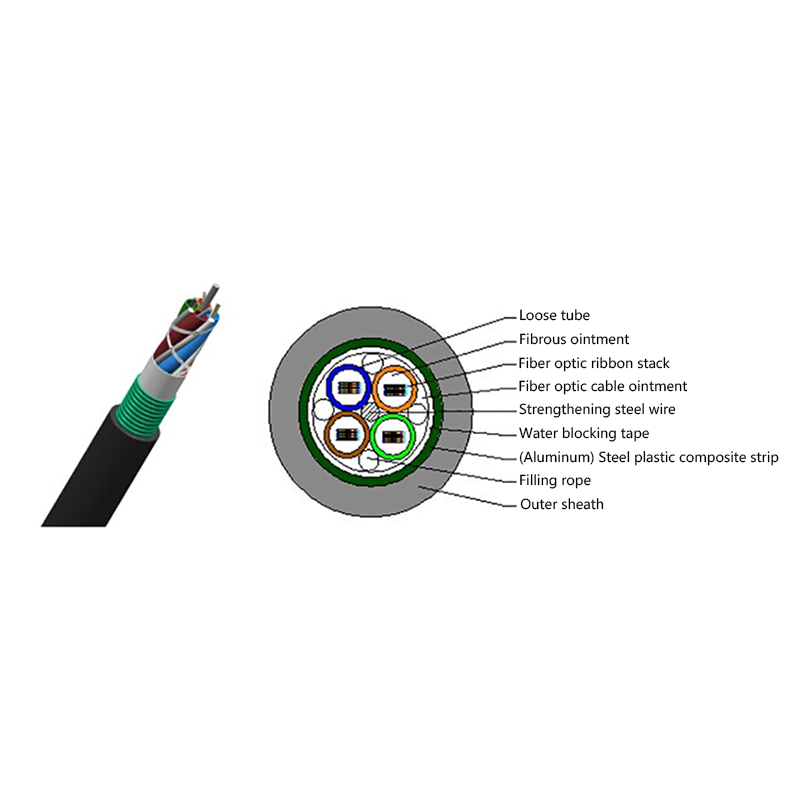
GYDTA(S) Layer Stranded Optical Fiber Ribbon Cable
-
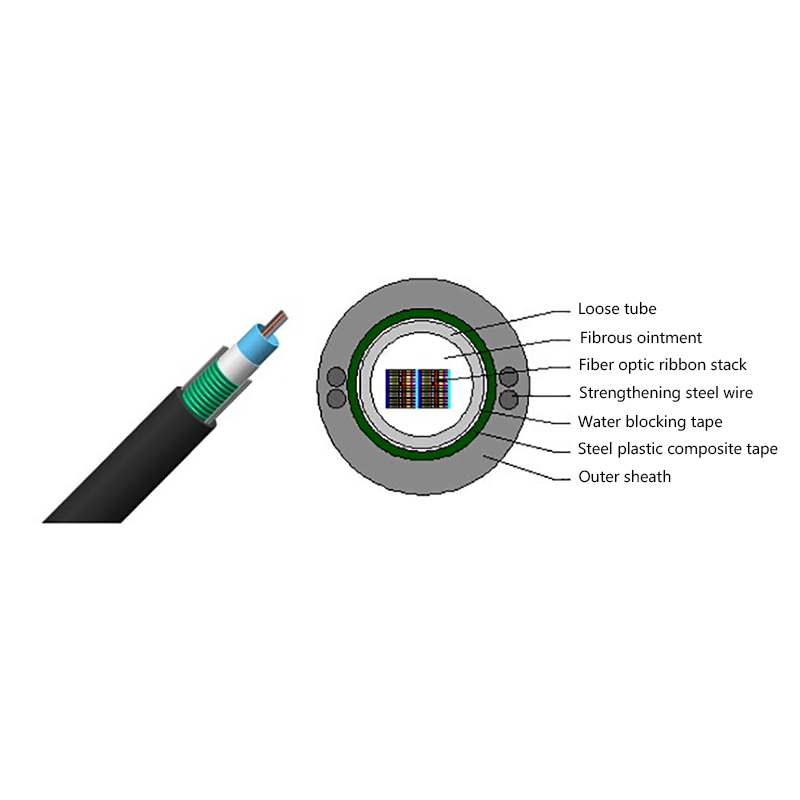
GYDXTW Center Tube Outdoor Optical Fiber Ribbon Cable
-
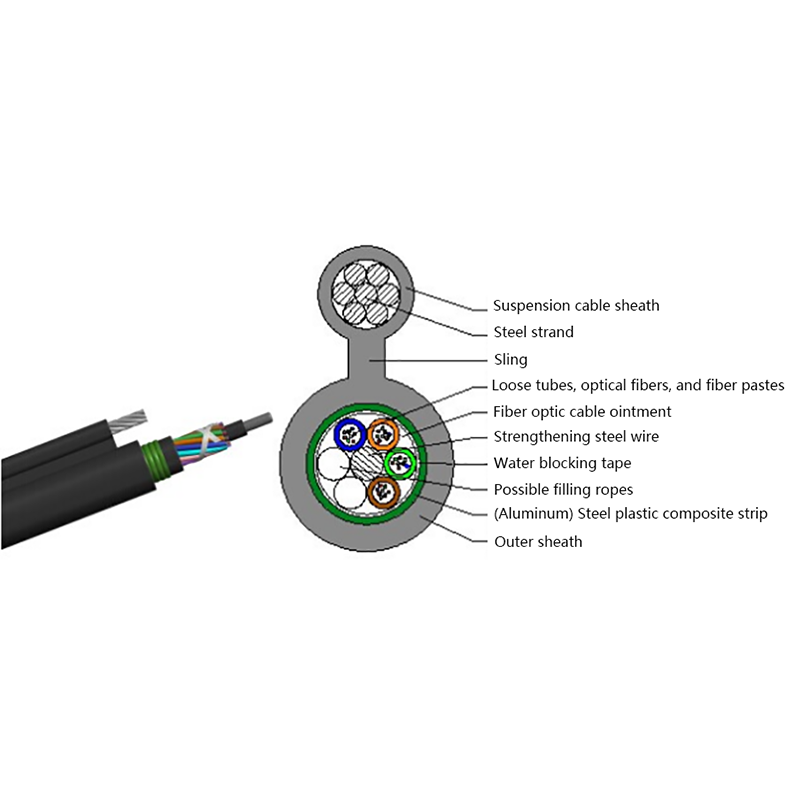
GYTC8A (S) Outdoor layer Stranded 8-shaped Self-Supporting Optical Cable
-
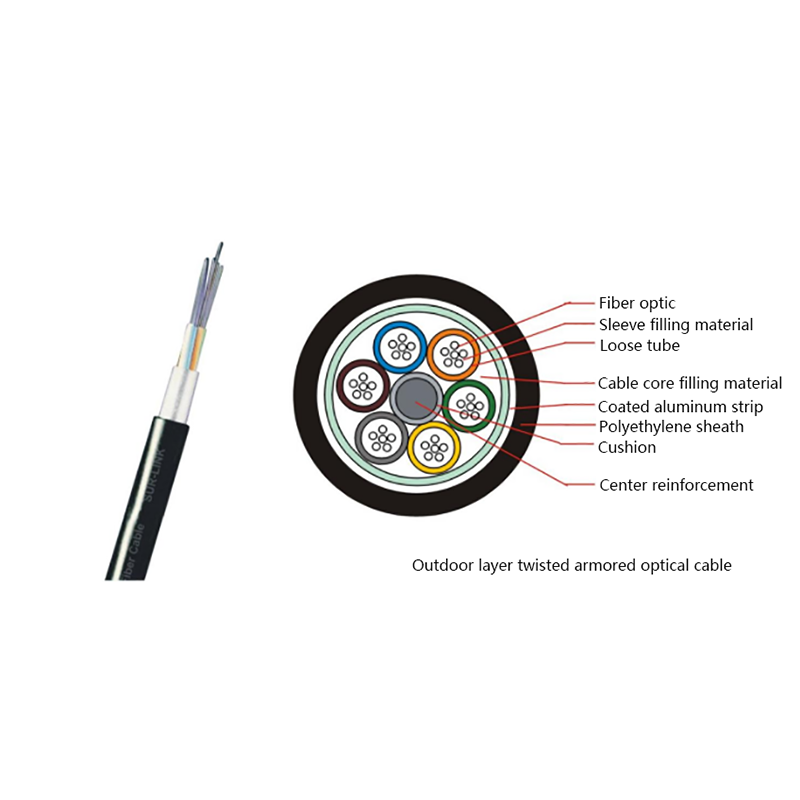
GYTA Layer Stranded Aluminum-Polyethylene Bonded Sheathed Outdoor Optical Cable
-
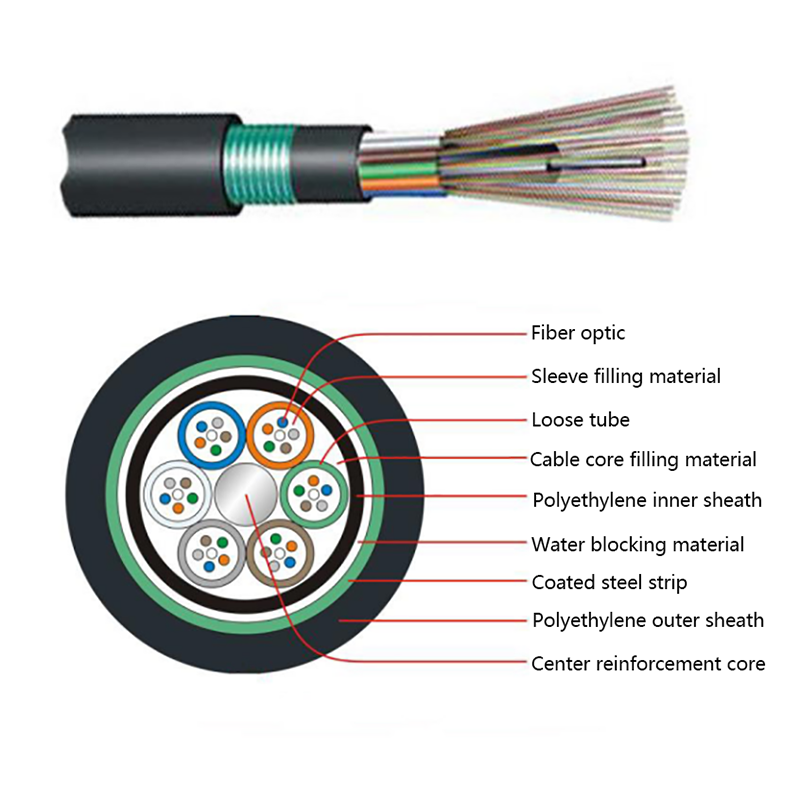
GYTY53 Layer-Stranded PE Inner Sheathed Steel Tape Armored Outer Sheath Optical Cable
-
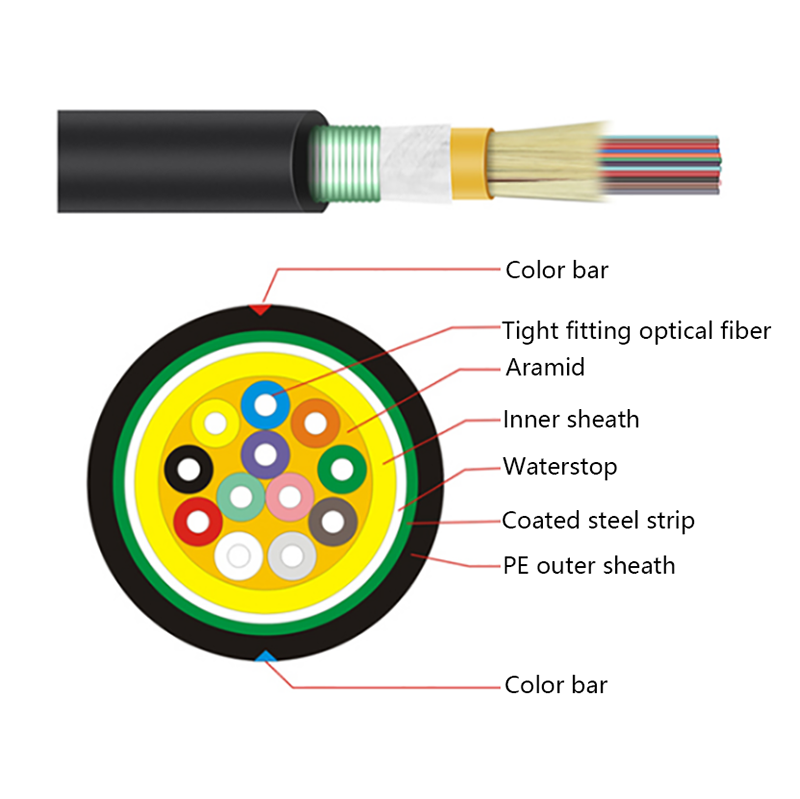
GJFJH53 Indoor Bundled Steel Tape Armored Optical Cable
-

GJPFJV GJFJHV Indoor Branch Optical Cable
-
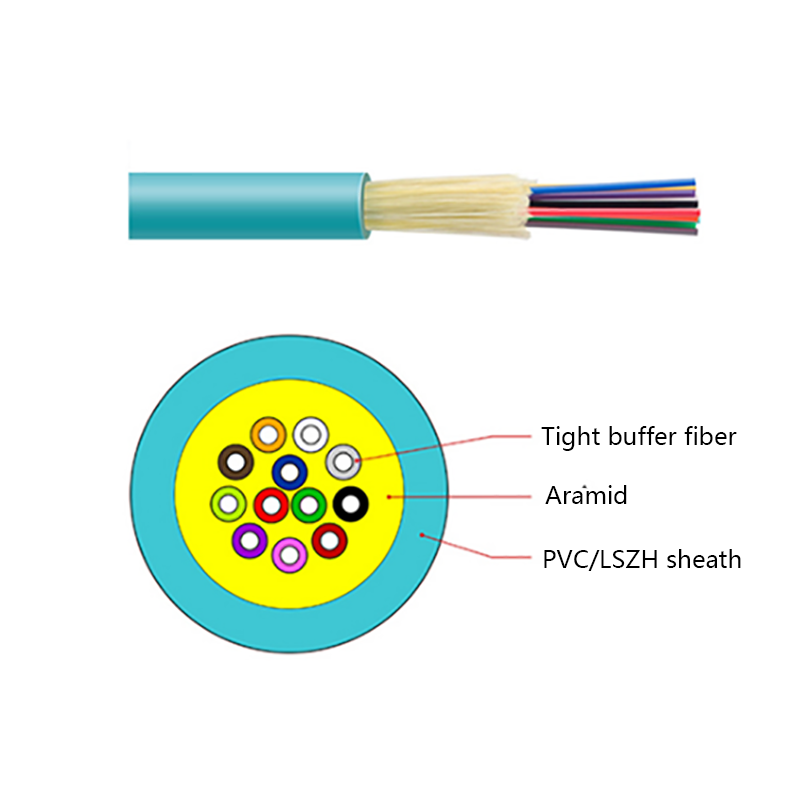
GJFJV Indoor Single Bundle Fiber Optical Cable
-
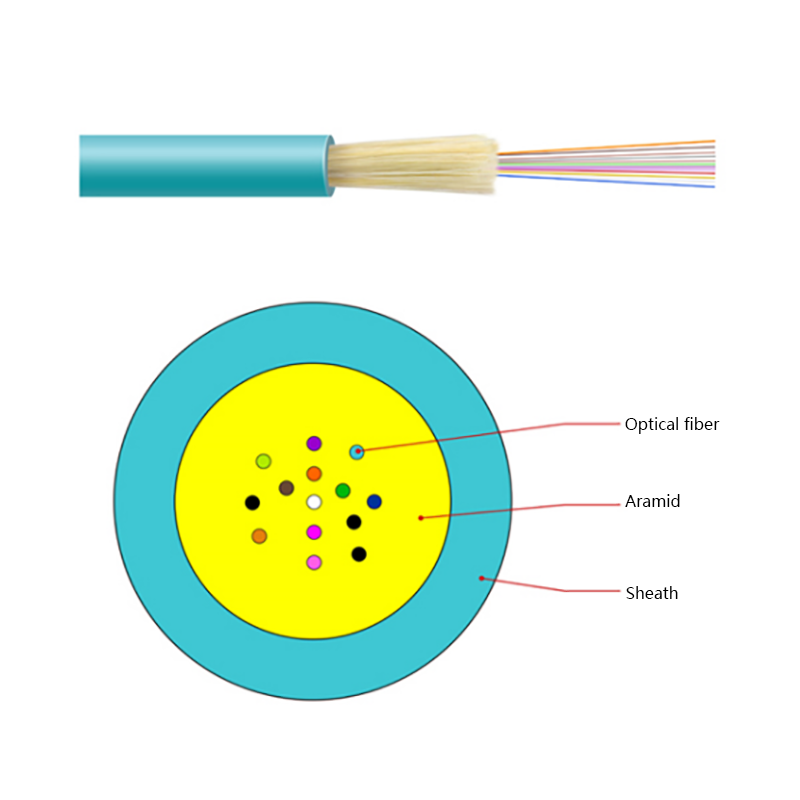
GJFV Indoor Mini Bundle Fiber Optic Cable
-
GJFJV Indoor Single Core Jumper Wire Optical Cable
-
Indoor Tight-Buffered Fibre Optic Cable
-
ADSS—All-Dielectric Self-Supporting Optical Cable
-
Anti-Squirrel ADSS Optical Cable
-
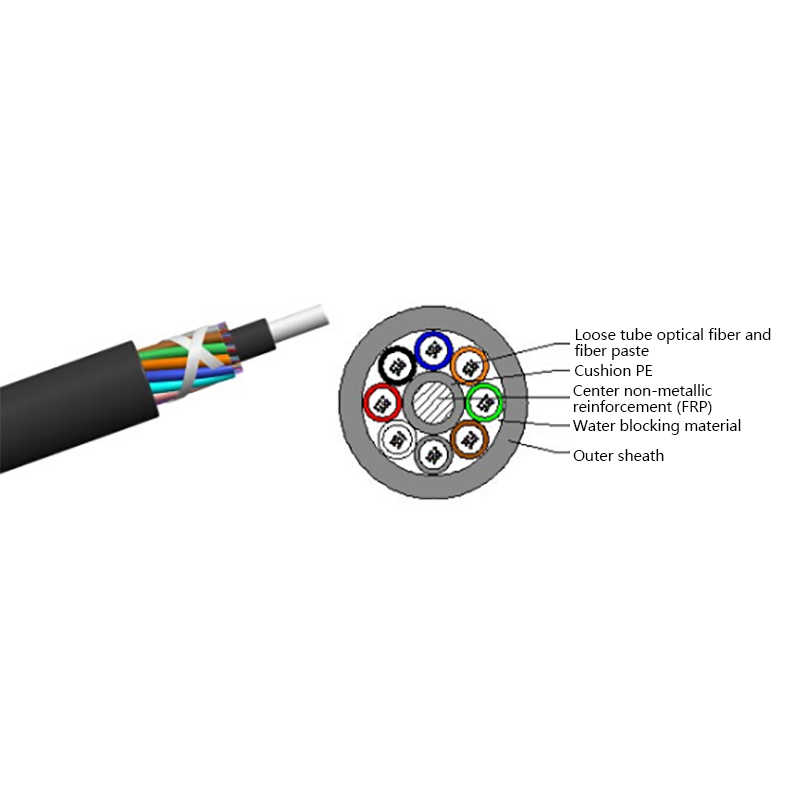
Non-metallic optical cable
Looking For Bussiness Opportunity?
Request for a call today

- Tel: +86-139-6297-6666
- Whatsapp: +86-13962991888
- E-mail: [email protected] / [email protected]
- Add: No.18, Xinjing Road, Nantong Economic and Technological Development Zone, Jiangsu Province, China
Products
Message
Coprright 2023 Jiangsu Hawell Optoelectronic Technology Co., Ltd. All Rights Reserved
 Login
Custom Optical Cables Manufacturers
Login
Custom Optical Cables Manufacturers
Login
Custom Optical Cables Manufacturers