


 English
 русский
 Español
 عربى
عربى 中文简体
中文简体
News
Home / News / Industry news / How do All Dielectric Self Supporting Cables Perform in High Wind or Ice Load Conditions?

Content
In the field of modern telecommunications, the reliability of infrastructure often depends on how well it withstands environmental challenges. All Dielectric Self Supporting Cables (ADSS) are a critical part of fiber optic networks, especially where overhead installations are necessary. These cables are designed without metallic components, making them ideal for installation near high-voltage power lines and in areas where electromagnetic interference (EMI) could affect performance. However, one of the most important questions for engineers and network planners is: How do ADSS cables perform under high wind or ice load conditions?
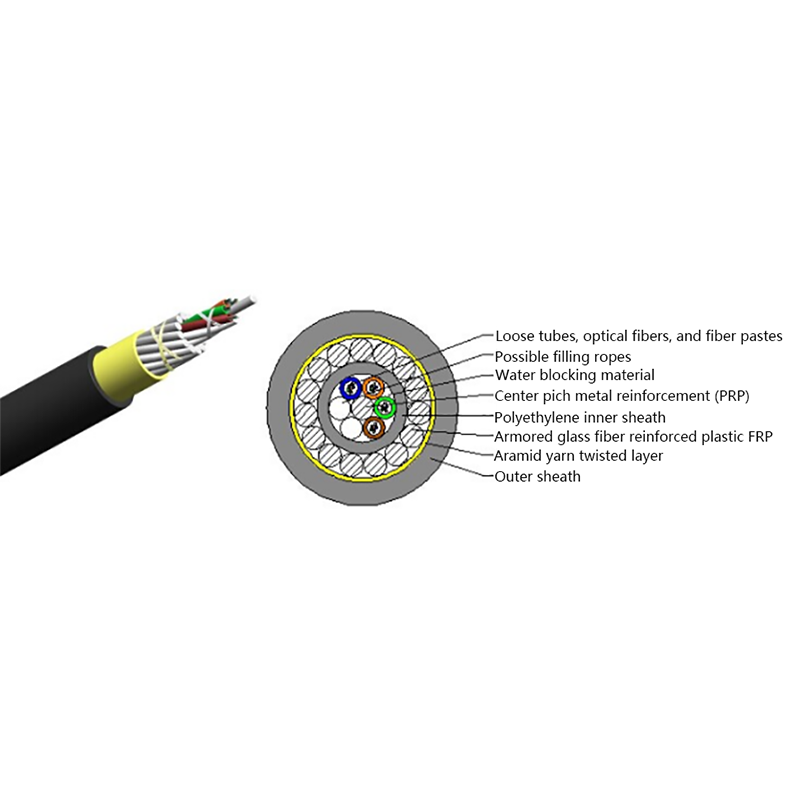
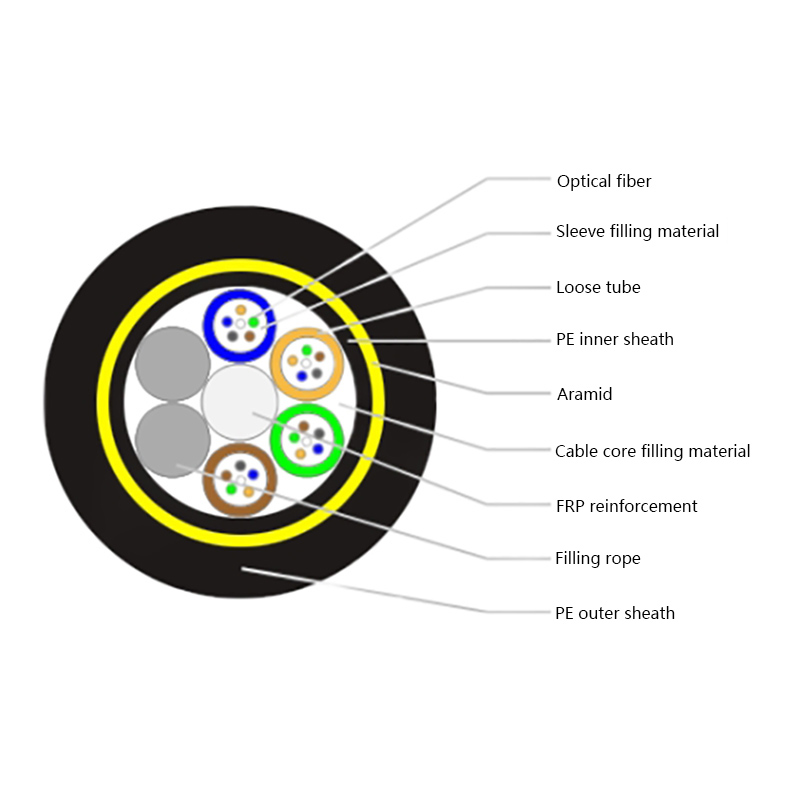
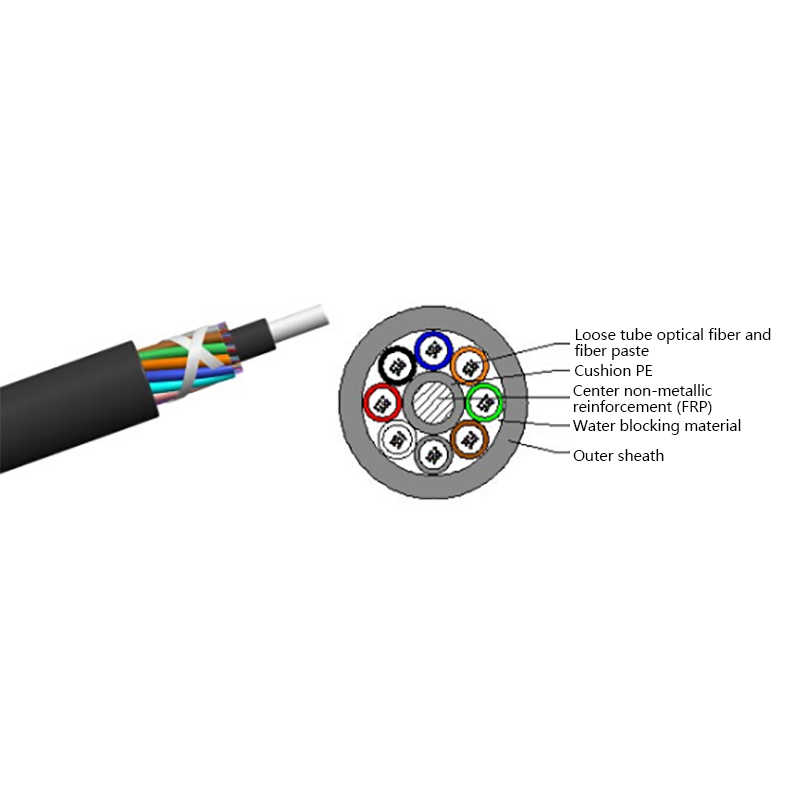
Before exploring their performance in extreme conditions, it is helpful to understand what makes ADSS cables unique. These cables are composed entirely of non-metallic materials, typically including:
This “all-dielectric” design allows ADSS cables to be lightweight, corrosion-resistant, and free from electrical conductivity — all essential for aerial deployment near power lines.
In outdoor aerial installations, two of the most severe mechanical stresses that cables face are wind pressure and ice accumulation.
The combined effect of wind and ice can amplify stress levels, as wind applies dynamic forces while ice increases static load. Therefore, the ability of ADSS cables to withstand these combined conditions is essential for their successful long-term operation.
One of the key advantages of ADSS cables is their high tensile strength-to-weight ratio, achieved through the use of aramid yarns. These synthetic fibers distribute mechanical stress evenly along the cable and allow it to remain stable even under heavy ice loads.
Engineers typically calculate the maximum allowable span length based on the expected wind and ice conditions of a region. Shorter spans are often recommended in regions with heavy icing to reduce tension and the risk of mechanical failure.
The outer diameter and smoothness of the cable surface directly affect how much ice accumulates and how wind acts upon it. A smaller-diameter cable presents less surface area for wind drag and ice buildup. Some manufacturers also apply low-friction or hydrophobic coatings that reduce ice adhesion, helping to minimize extra weight during winter conditions.
The outer jacket of ADSS cables is designed to resist cracking and abrasion under fluctuating temperatures. In high wind areas, the jacket must also prevent wear caused by vibration or contact with support structures. UV stabilization is equally important since long-term exposure to sunlight can weaken the material and increase the risk of damage during high-stress conditions.
One of the subtle but significant challenges faced by ADSS cables in high wind environments is aeolian vibration—a phenomenon caused by steady, low-speed winds (typically 3–25 mph). These winds can generate small, repetitive oscillations in the cable, leading to long-term fatigue damage in both the cable and its fittings.
To mitigate this effect, vibration dampers or spiral vibration control devices are commonly installed near attachment points. Proper tensioning during installation also plays a major role in reducing vibration amplitude and preventing premature wear. In particularly windy regions, double-layer protection or specialized clamp designs can further enhance stability.
When ice begins to accumulate on an ADSS cable, several changes occur:
Modern ADSS cables are engineered to handle these situations through optimized mechanical strength and flexibility. Aramid yarn reinforcement ensures that even with additional ice weight, the optical fibers remain well-protected and continue to transmit signals without attenuation.
In extremely cold environments, cold-resistant jacket materials—often made from low-temperature polyethylene—are used to prevent brittleness and cracking. The use of proper cable geometry and support hardware designed for ice-prone regions helps maintain stability even under severe icing conditions.
Even a well-designed ADSS cable can perform poorly if not properly installed. Installation practices have a direct impact on how the cable reacts to environmental loads. Some key considerations include:
Routine inspection after severe weather is also essential to detect potential damage before it leads to service interruptions.
ADSS cables are tested under standardized conditions to simulate real-world environmental loads. Industry standards such as IEC 60794 and IEEE 1222 specify mechanical, environmental, and electrical requirements for these cables.
Tests may include:
Compliance with these standards ensures that ADSS cables are capable of withstanding demanding outdoor environments for decades.
The use of All Dielectric Self Supporting Cables in regions with extreme climates has proven their resilience. In northern countries with heavy snowfall, ADSS cables maintain connectivity despite ice buildup due to their lightweight yet strong construction. In coastal and mountainous regions, their non-metallic composition prevents corrosion and mitigates damage from salt or wind-driven debris.
Utilities and telecom operators often choose ADSS cables for power line communication systems, where both high wind and ice are frequent. Their ability to maintain consistent optical performance, even under mechanical strain, makes them a dependable solution for aerial installations.
While ADSS cables are designed for minimal maintenance, preventive measures can enhance their longevity:
With proper care, ADSS cables can operate reliably for 25 to 30 years even in areas prone to wind and ice.
All Dielectric Self Supporting Cable are engineered to endure some of the most challenging environmental conditions encountered in fiber optic network installations. Their combination of lightweight construction, high tensile strength, and non-conductive materials allows them to perform effectively under both high wind and ice load conditions.
While environmental stresses can never be entirely eliminated, careful selection of cable design, precise installation techniques, and adherence to maintenance best practices can ensure long-term performance and reliability. Whether deployed across open fields, mountain ridges, or coastal power corridors, ADSS cables continue to prove that robust engineering and thoughtful design make it possible to achieve both strength and stability in demanding environments.

Request for a call today

 Login
Custom Optical Cables Manufacturers
Login
Custom Optical Cables Manufacturers