


 English
 русский
 Español
 عربى
عربى 中文简体
中文简体

How to Ground a Fiber Optic Cable: A Complete Safety Guide
Content
Does Fiber Optic Cable Actually Need Grounding?
Fiber optic cable transmits data as light through glass or plastic strands, which means the fiber core itself carries no electrical current and requires no grounding. However, this does not mean every fiber optic installation is exempt from grounding requirements.
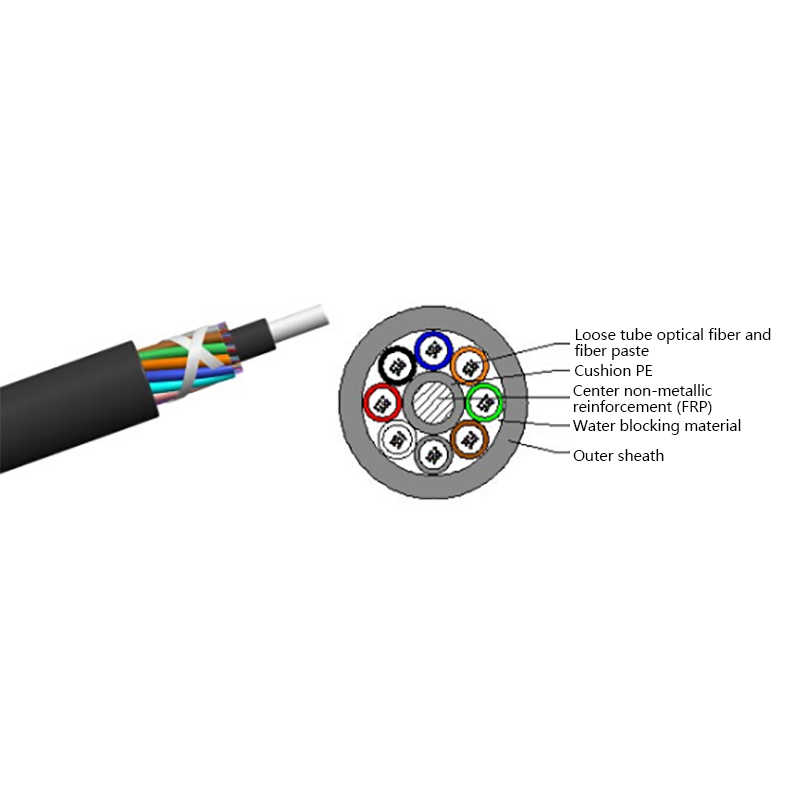
The critical distinction lies in the cable's construction. Many fiber optic cables include metallic components — such as steel armoring, aluminum moisture barriers, copper strength members, or metallic messenger wires — that absolutely must be grounded to prevent electric shock, equipment damage, and fire hazards. In contrast, fully dielectric cables with no metal content require no electrical grounding at all.
Before beginning any installation, always check the cable's datasheet or jacket markings to confirm whether metallic elements are present. Industry standards such as the NEC (National Electrical Code) Article 770 and NFPA 70 provide binding requirements, while standards from IEEE and TIA offer additional guidance.
Which Components Must Be Grounded
When a fiber optic cable contains any of the following metallic elements, each must be bonded and grounded according to applicable codes:
- Metallic armor or sheathing — corrugated steel or aluminum armor used for rodent protection or mechanical strength
- Metallic strength members — central steel wire or stranded steel used for tensile load bearing
- Conductive moisture barriers — laminated aluminum foil or flooding gel compounds with metallic content
- Messenger wires — steel lashing wire or self-supporting ADSS figure-8 cables used in aerial installations
- Splice enclosures and patch panels with metal housings connected to the cable
Additionally, any conduit or tray carrying fiber optic cable that is metallic must be grounded under standard electrical codes, independent of whether the cable itself contains metal.
Step-by-Step: How to Ground a Fiber Optic Cable
Follow these steps at each cable entry point and termination location to achieve a compliant, safe ground bond:
- Identify metallic components. Strip back approximately 6–8 inches of the outer jacket using a cable slitter or ringing tool. Visually identify armor, strength members, or foil layers.
- Clean the bonding surface. Use a wire brush or fine sandpaper to remove oxidation or coating from the metallic element where the bonding clamp will attach. A clean, oxide-free contact point is essential for low-resistance bonding.
- Attach a listed bonding clamp. Secure a UL-listed cable bonding clamp or grounding kit directly to the exposed metallic component. Manufacturer-supplied grounding kits are recommended, especially for armored cables, to ensure proper torque and contact area.
- Connect the grounding conductor. Run a minimum 14 AWG copper grounding wire (or as specified by local code) from the bonding clamp to the nearest grounding electrode or equipment grounding bus. Keep this conductor as short and direct as possible — avoid sharp bends that increase impedance.
- Bond at both ends. For runs longer than a single building span, ground the metallic components at each building entry point and at each end of the cable run to prevent induced voltage buildup from lightning or power-line faults.
- Verify continuity. Use a low-resistance ohmmeter to verify that the metallic component is bonded to the grounding system with a resistance of less than 1 ohm. Document results for inspection records.
- Seal and protect. After grounding, apply a weatherproof sealant or heat-shrink sleeve over the stripped jacket area to prevent moisture ingress, especially for outdoor and direct-burial installations.
Grounding Requirements for Aerial and Direct-Buried Installations
Installation environment significantly affects grounding strategy:
| Installation Type | Grounding Requirement | Key Standard |
|---|---|---|
| Aerial (lashed to strand) | Ground steel strand every pole or every 300 m | NESC / NEC 770 |
| Direct-buried armored | Ground armor at both termination points | NEC 770.93 |
| Indoor riser / plenum | Ground at building entry point (primary protector location) | NEC 770.100 |
| Fully dielectric (no metal) | No grounding required for cable; conduit still must be grounded | NEC 770.100(B) |
For aerial installations, the steel messenger or lashing strand is the primary lightning-current path. Grounding it at each pole structure is standard practice in utility and campus deployments, and significantly reduces the risk of induced surge reaching sensitive electronics at both ends of the link.
Common Mistakes That Compromise Fiber Optic Cable Grounding
Even experienced installers encounter grounding failures that cause repeated equipment damage or code violations. Watch for these common errors:
- Grounding only one end of a long cable run — This leaves induced voltage free to accumulate between the ungrounded end and the system ground, creating a potential difference that can arc across equipment ports during a fault event.
- Using undersized ground wire — A conductor smaller than code-minimum AWG will not safely carry surge current and may burn open, destroying the ground path at exactly the moment it is needed most.
- Skipping continuity verification — A clamp that is not fully tightened or a corroded contact can show physical connection while presenting several ohms of resistance, rendering the ground largely ineffective.
- Connecting to a floating or isolated ground bar — The ground electrode must ultimately tie back to the building's main bonding network. Isolated ground bars in IT closets are not a substitute for a proper earth ground connection.
- Assuming dielectric cable never needs any grounding — While the cable itself may be fully dielectric, the metallic conduit, tray, or duct carrying it still requires grounding per NEC Article 300.
Related Products
-
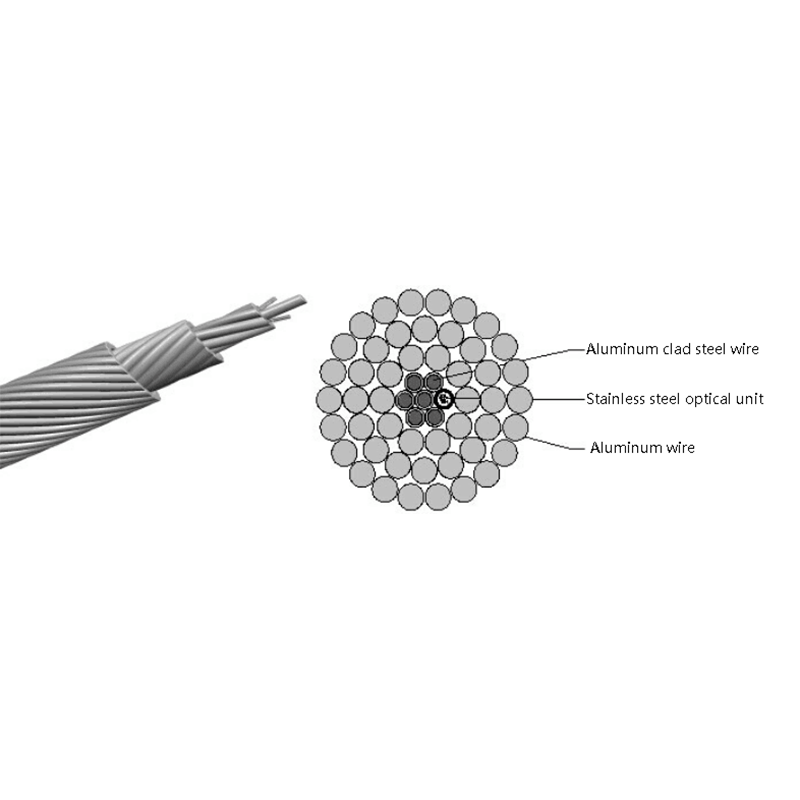
Optical Phase Conductor OPPC Cable
-
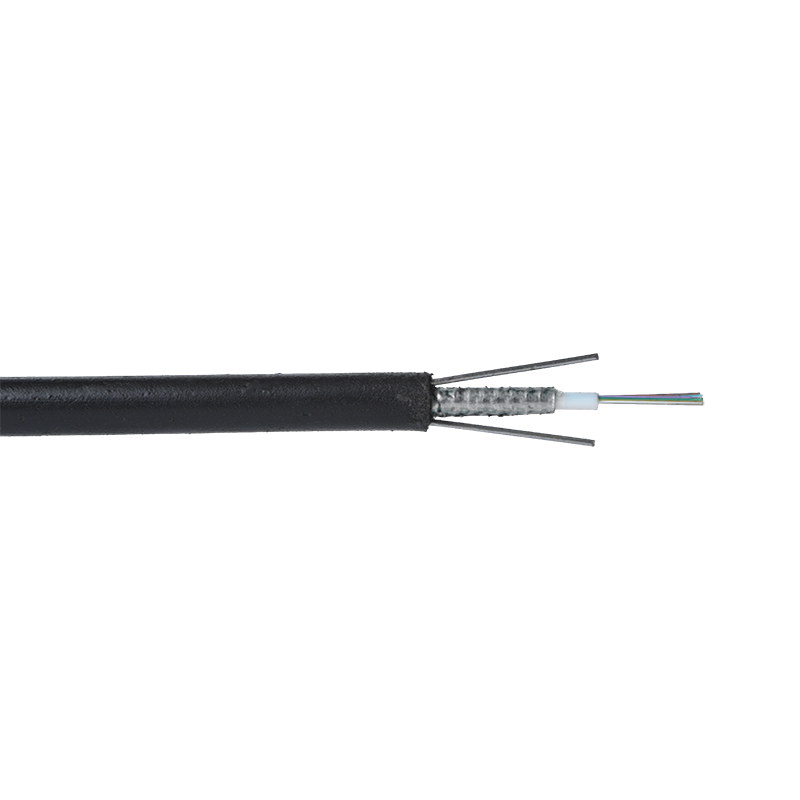
GYXTW Central Tube Armored Outdoor Optical Cable
-
Fiber Optic Patch Cables
-
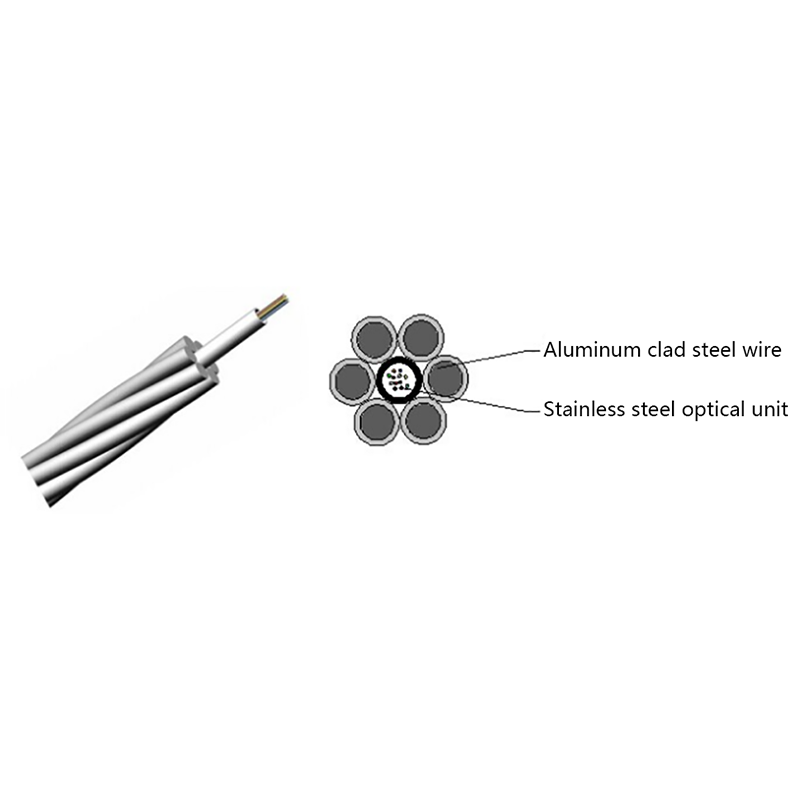
OPGW Optical Fiber Composite Overhead Ground Wire
-
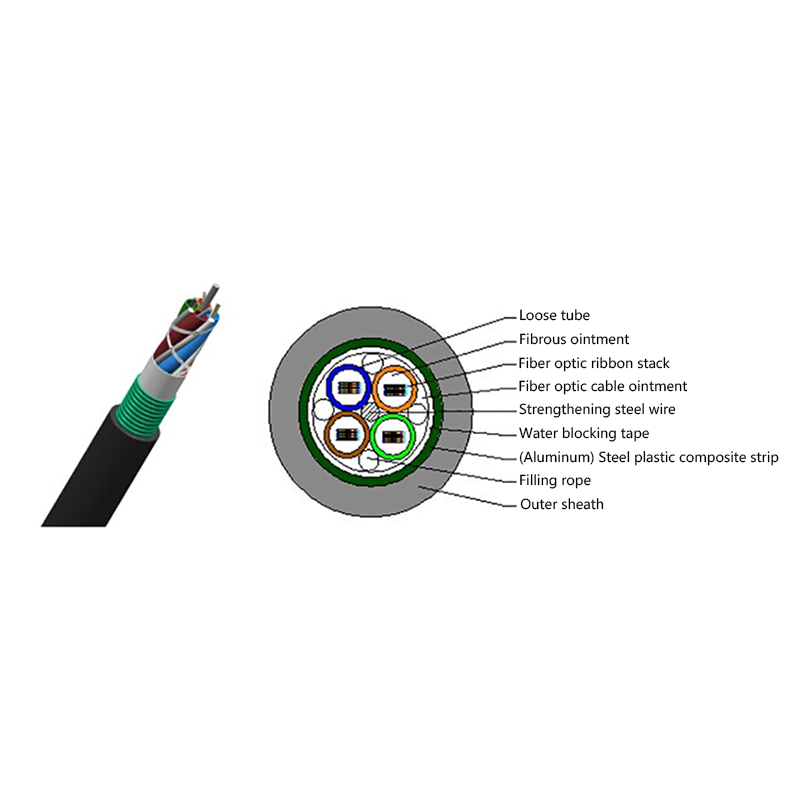
GYDTA(S) Layer Stranded Optical Fiber Ribbon Cable
-
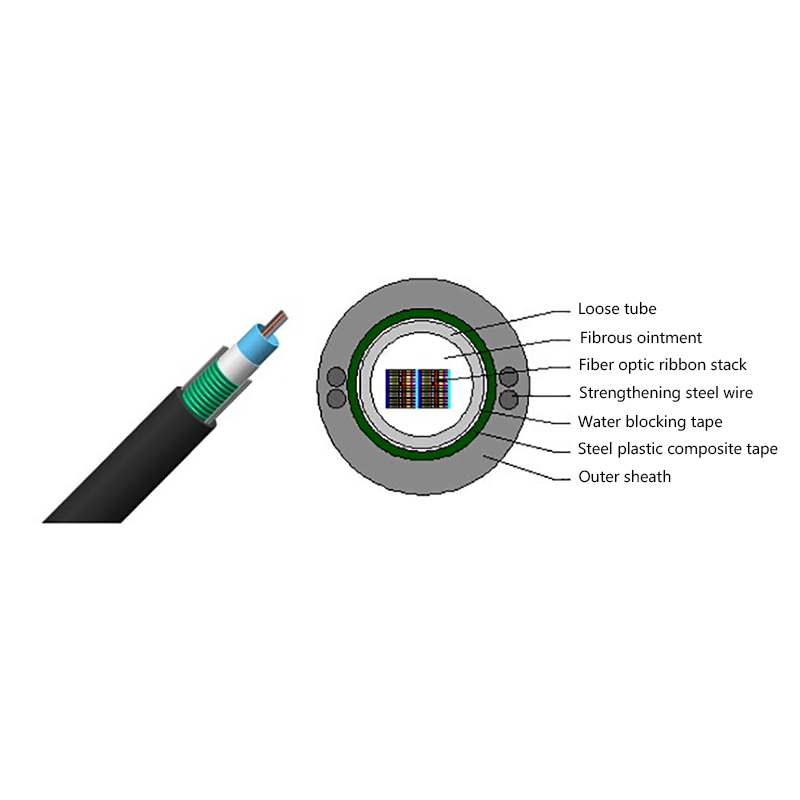
GYDXTW Center Tube Outdoor Optical Fiber Ribbon Cable
-
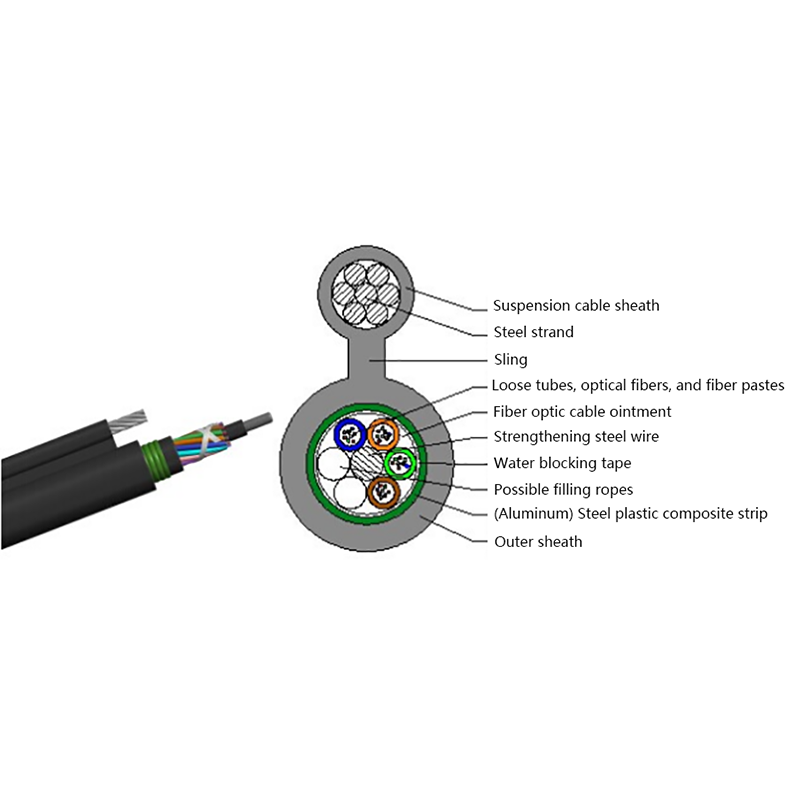
GYTC8A (S) Outdoor layer Stranded 8-shaped Self-Supporting Optical Cable
-
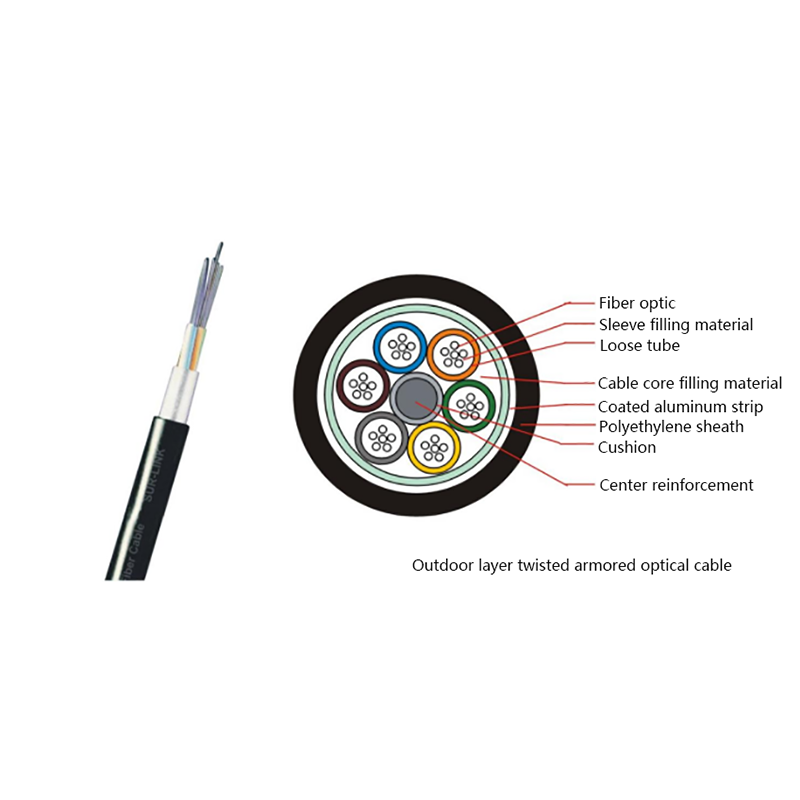
GYTA Layer Stranded Aluminum-Polyethylene Bonded Sheathed Outdoor Optical Cable
-
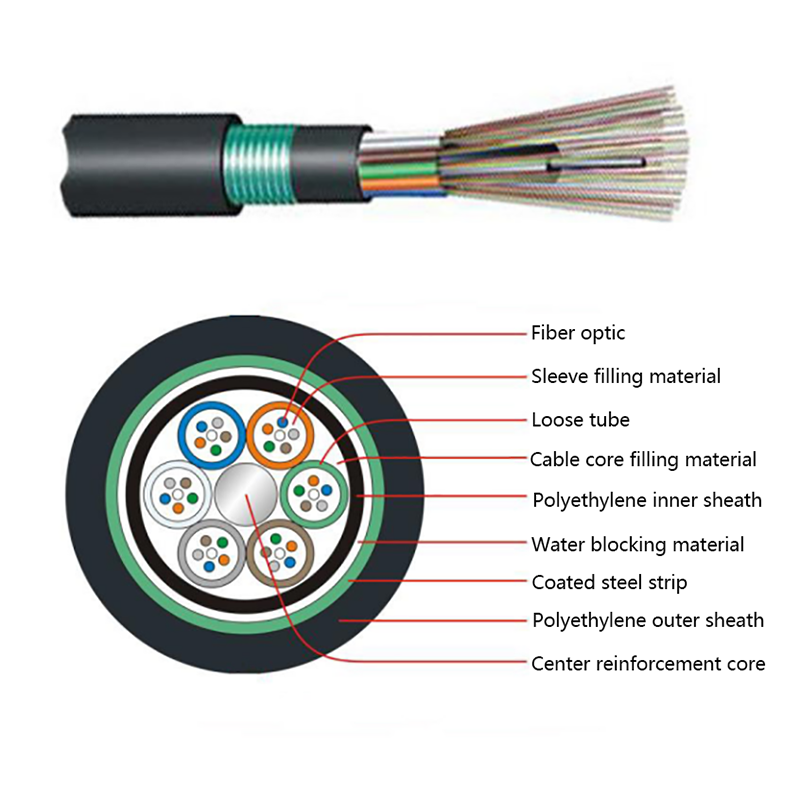
GYTY53 Layer-Stranded PE Inner Sheathed Steel Tape Armored Outer Sheath Optical Cable
-
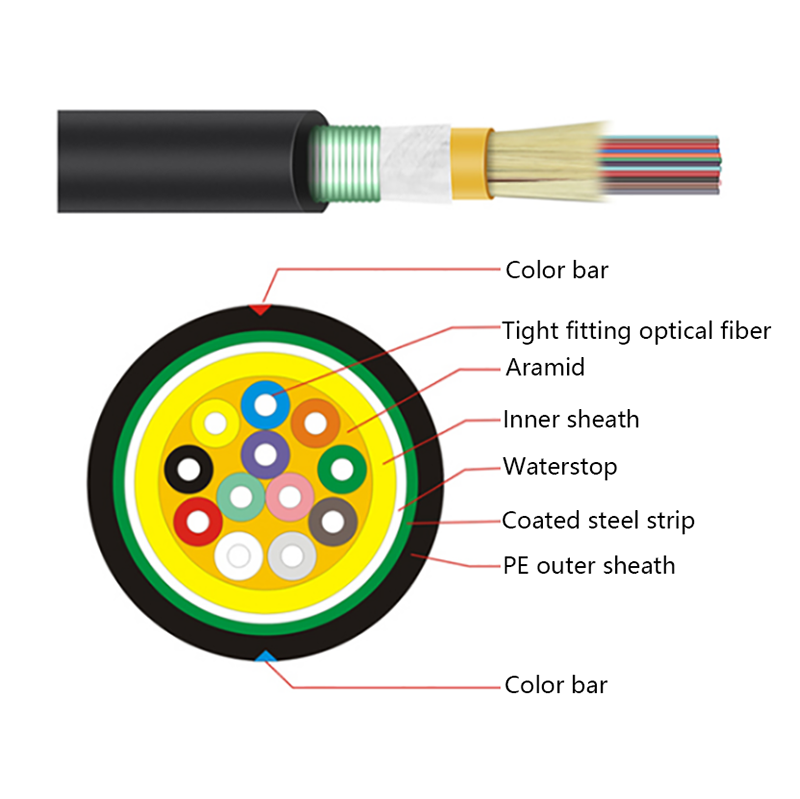
GJFJH53 Indoor Bundled Steel Tape Armored Optical Cable
-

GJPFJV GJFJHV Indoor Branch Optical Cable
-
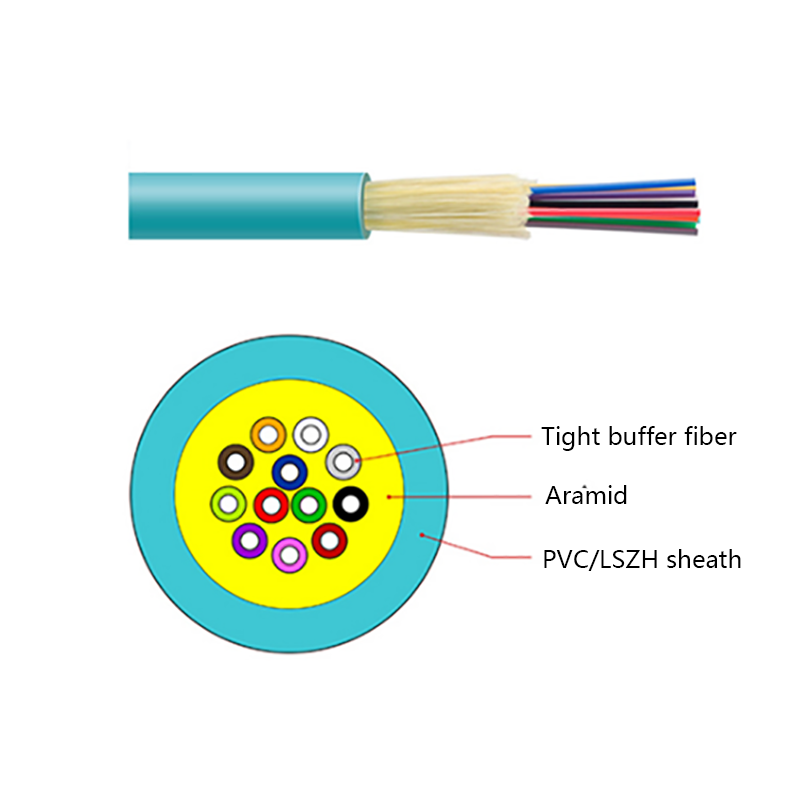
GJFJV Indoor Single Bundle Fiber Optical Cable
-
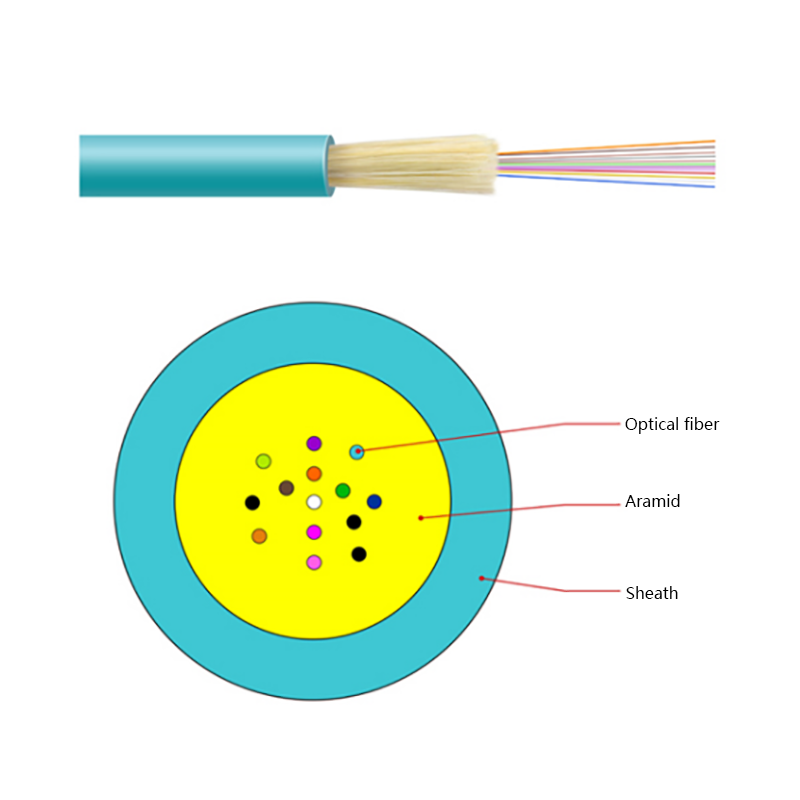
GJFV Indoor Mini Bundle Fiber Optic Cable
-
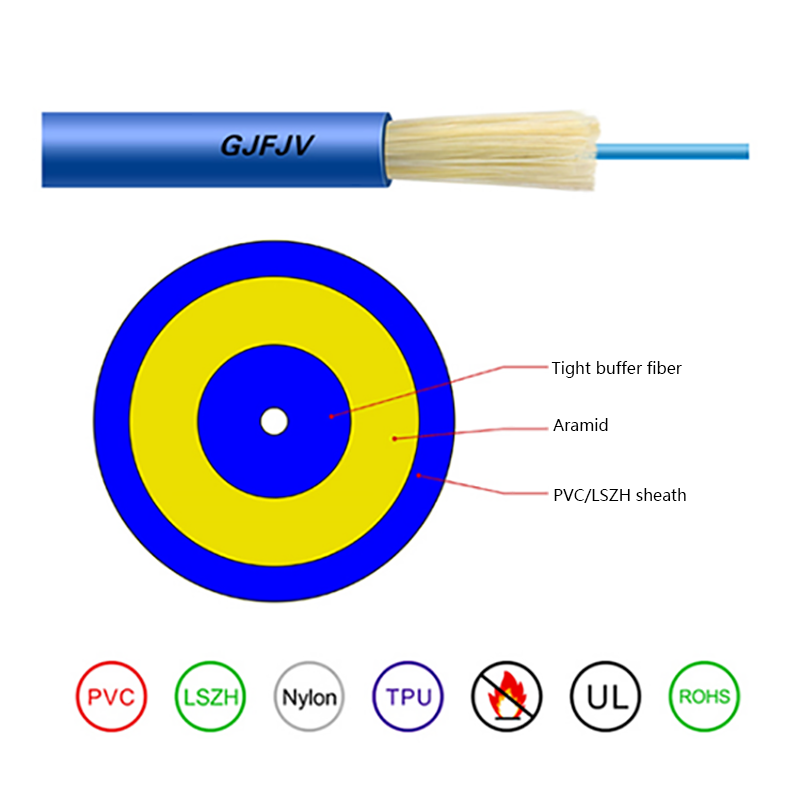
GJFJV Indoor Single Core Jumper Wire Optical Cable
-
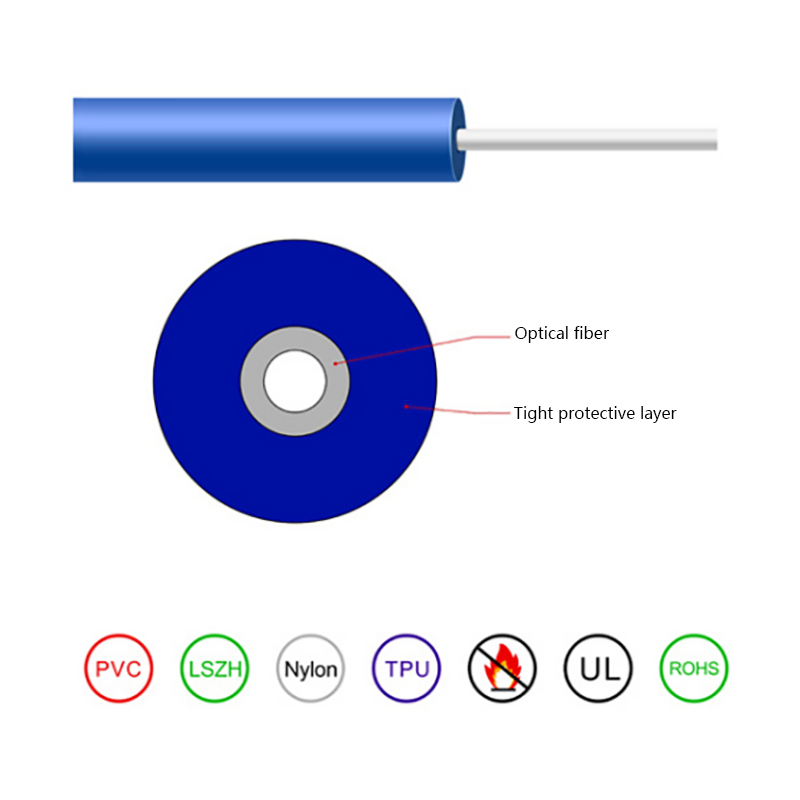
Indoor Tight-Buffered Fibre Optic Cable
-
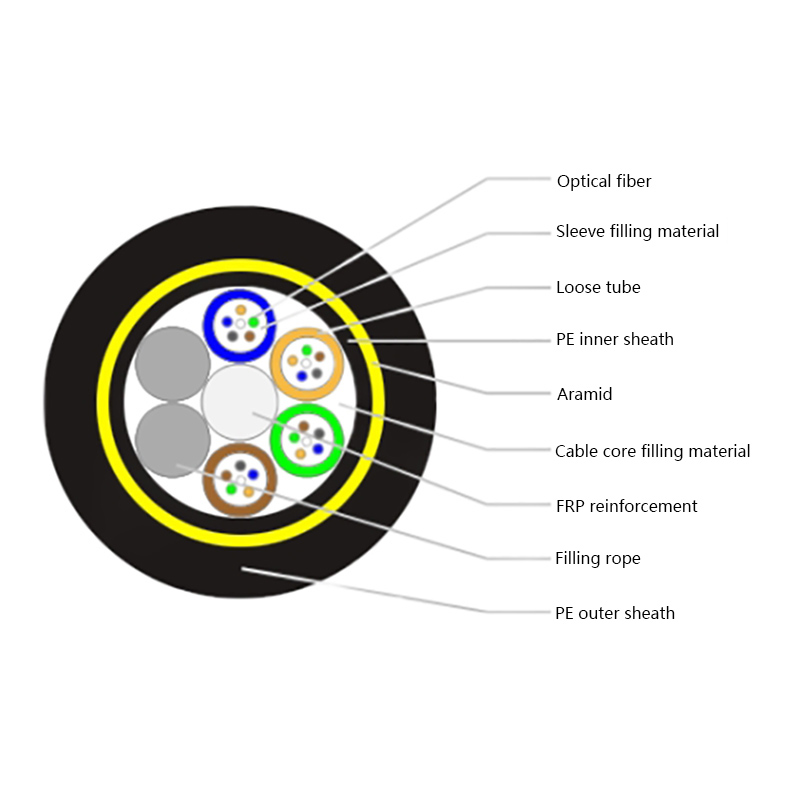
ADSS—All-Dielectric Self-Supporting Optical Cable
-
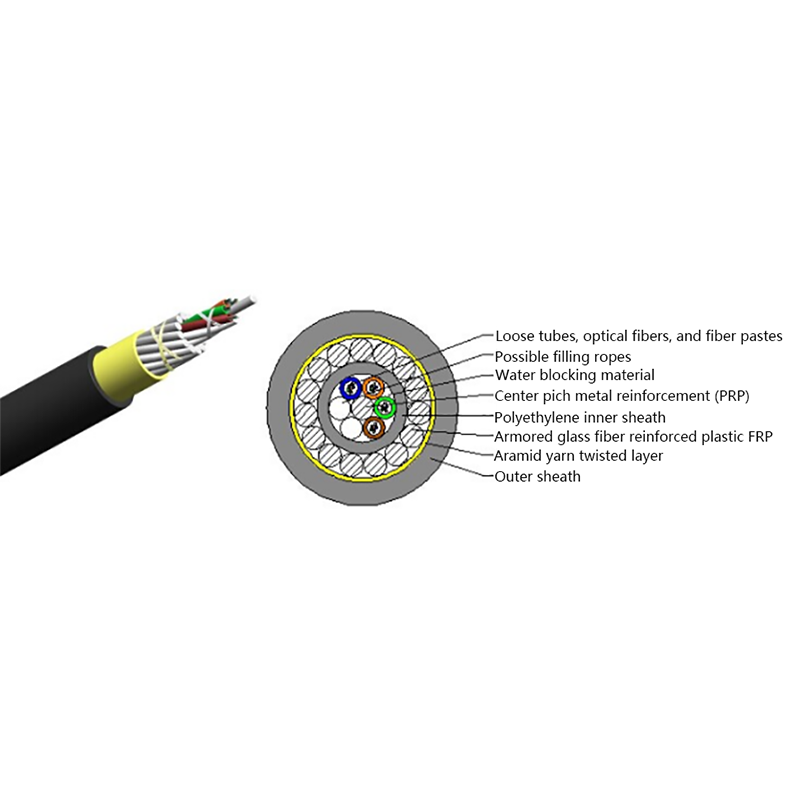
Anti-Squirrel ADSS Optical Cable
-
Non-metallic optical cable
Looking For Bussiness Opportunity?
Request for a call today

- Tel: +86-139-6297-6666
- Whatsapp: +86-13962991888
- E-mail: [email protected] / [email protected]
- Add: No.18, Xinjing Road, Nantong Economic and Technological Development Zone, Jiangsu Province, China
Products
Message
Coprright 2023 Jiangsu Hawell Optoelectronic Technology Co., Ltd. All Rights Reserved
 Login
Custom Optical Cables Manufacturers
Login
Custom Optical Cables Manufacturers
Login
Custom Optical Cables Manufacturers