


 English
 русский
 Español
 عربى
عربى 中文简体
中文简体
News
Home / News / Industry news / Choosing the Right Optical Cable: Performance, Distance & Environment Guide

Content
Selecting an optical cable is not simply a matter of picking the most commonly used model on a specification sheet. For engineers, procurement specialists, and network designers, the wrong choice can mean premature signal degradation, unexpected downtime, failed safety inspections, or costly rip-and-replace work months after deployment. Getting the decision right from the start requires a structured approach that accounts for three core dimensions: performance requirements, transmission distance, and deployment environment. This guide walks professionals through each factor with the precision that real-world projects demand.
Every optical cable selection begins with one fundamental question: single-mode fiber (SMF) or multimode fiber (MMF)? The answer shapes every downstream choice, from connector type to transceiver cost.
Single-mode fiber features a core diameter of approximately 8–10 µm. Because it carries only a single light path, modal dispersion is eliminated, enabling transmission distances of 10 km to well over 100 km depending on the transceiver and wavelength used. SMF is the dominant choice for telecommunications backbones, inter-building campus links, and any application where the cable run exceeds 2 km.
Multimode fiber uses a larger core of 50 µm or 62.5 µm, allowing multiple light modes to propagate simultaneously. This makes it easier and less expensive to terminate and connect, but modal dispersion limits its useful range. Modern OM4 multimode fiber supports 100 Gigabit Ethernet up to 150 meters, while OM5 extends wideband wavelength-division multiplexing capability across the 850–950 nm range. MMF is the standard choice for intra-building data center interconnects and short-haul campus segments where high speed over short distances is the priority.
For a detailed breakdown of fiber categories and construction standards, refer to the main types of fiber optic cable covered in our complete guide.
| Parameter | Single-Mode (SMF) | Multimode (MMF) |
|---|---|---|
| Core Diameter | 8–10 µm | 50 µm / 62.5 µm |
| Typical Max Distance | 10–100+ km | 300 m – 2 km |
| Bandwidth | Very high (essentially unlimited) | High (grade-dependent) |
| Transceiver Cost | Higher | Lower |
| Primary Use Case | Telecom backbones, long-haul, campus | Data centers, intra-building LANs |
Distance is not simply a matter of measuring cable length on a floor plan. Professionals must calculate the full optical power budget — the total allowable signal loss between transmitter and receiver — and verify that the cable run, including every connector, splice, and bend, stays within that budget.
Attenuation in standard OS2 single-mode fiber runs approximately 0.2 dB/km at 1550 nm, making it highly efficient over long distances. Multimode OM4 fiber has a significantly higher attenuation of around 3.5 dB/km at 850 nm. Every passive component in the link adds insertion loss: a typical connector contributes 0.3–0.5 dB, and a fusion splice adds roughly 0.1 dB. Poor installation practices — excessive bending, dirty end-faces, and mechanical stress — can add 0.5–3 dB per connection point, rapidly eroding the power budget.
The table below summarizes practical distance limits across common deployment scenarios. For a comprehensive analysis of transmission distance parameters by cable grade and transceiver type, see our guide on how far fiber optic cable can be run.
| Fiber Type / Grade | Typical Distance Limit | Common Application |
|---|---|---|
| OM3 Multimode | Up to 300 m (10G) | Intra-datacenter |
| OM4 Multimode | Up to 400 m (10G) / 150 m (100G) | High-density datacenter |
| OM5 Multimode | Up to 400 m (100G SWDM4) | Future-ready datacenter |
| OS1 Single-Mode | Up to 10 km | Indoor long-distance |
| OS2 Single-Mode | Up to 40–100+ km | Telecom backbone, campus, FTTH |
When a run exceeds the rated limit of the chosen fiber, professionals have three practical options: switch to a longer-reach transceiver (for example, upgrading from SFP+ LR to ER or ZR), add optical amplifiers (EDFAs) for long-haul single-mode links, or implement signal regenerators for spans requiring full electrical reconditioning of the signal.
The deployment environment determines cable construction far more than fiber type alone. A cable that performs flawlessly in a controlled server room may fail within months in an outdoor conduit or industrial automation environment. Professionals must define the operating environment precisely before specifying a cable.
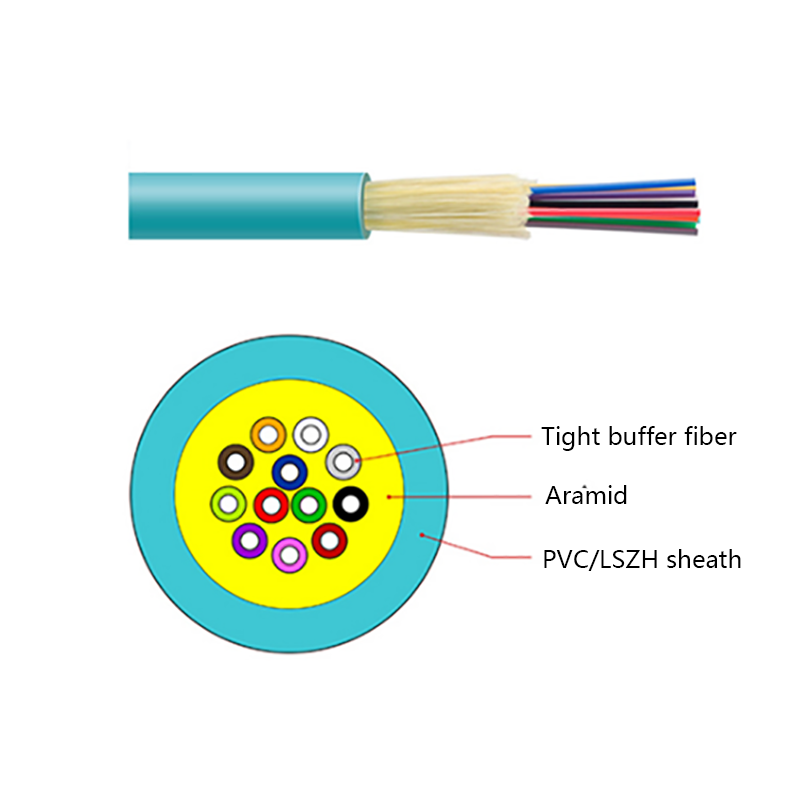
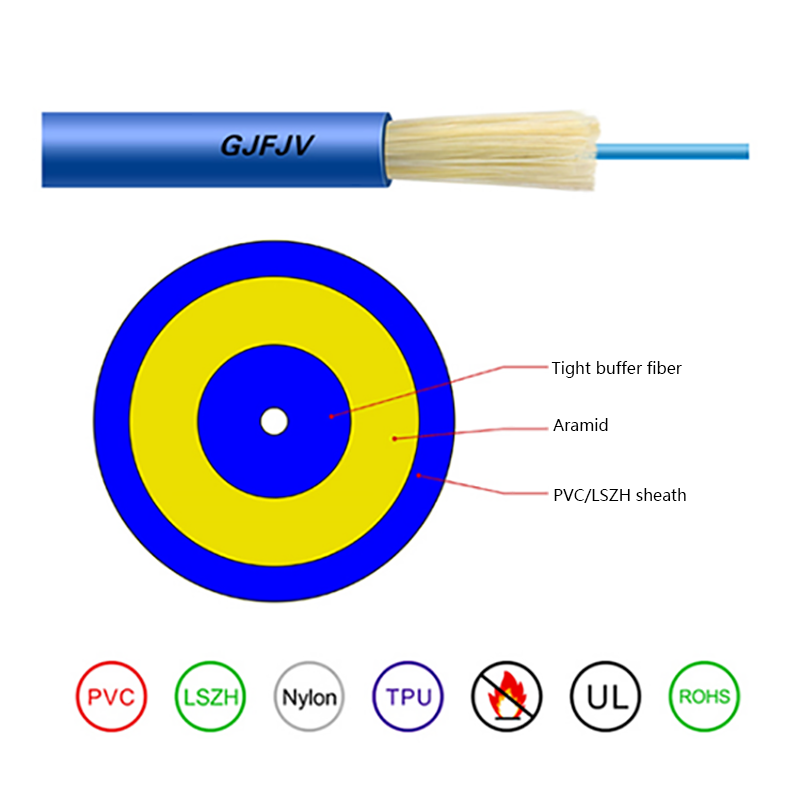
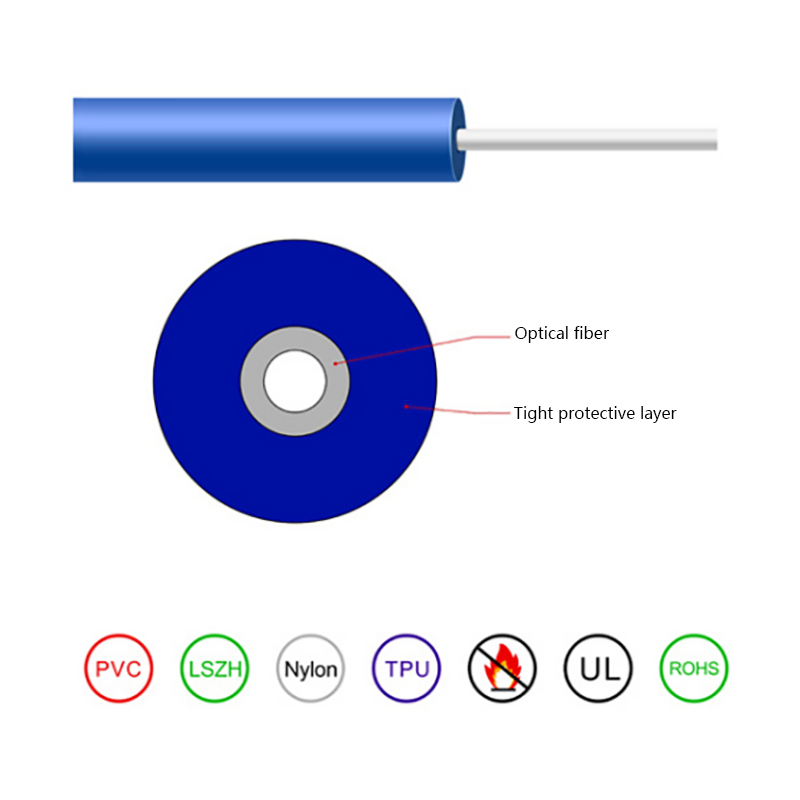
Indoor cables must comply with building fire codes. The three principal ratings are OFNR (riser-rated, suitable for vertical shafts between floors), OFNP (plenum-rated, mandatory in air-handling spaces such as above suspended ceilings and inside HVAC ducts), and LSZH (Low Smoke Zero Halogen, required in enclosed public spaces such as hospitals, transportation hubs, and schools where toxic fumes from burning cable jackets pose a life-safety risk). Tight-buffered construction is standard for indoor runs due to its ease of handling and direct termination capability.
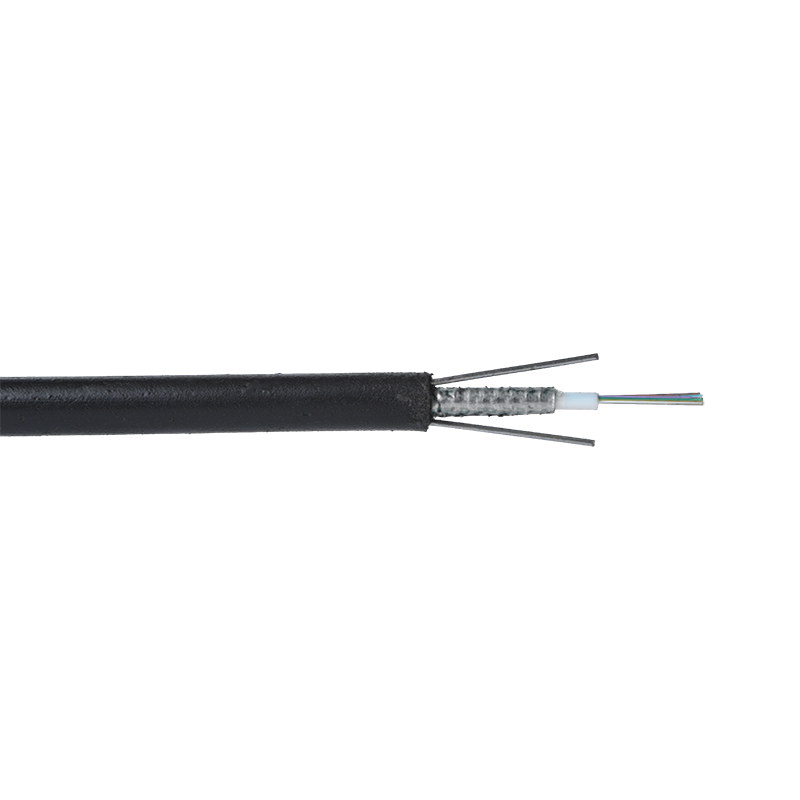
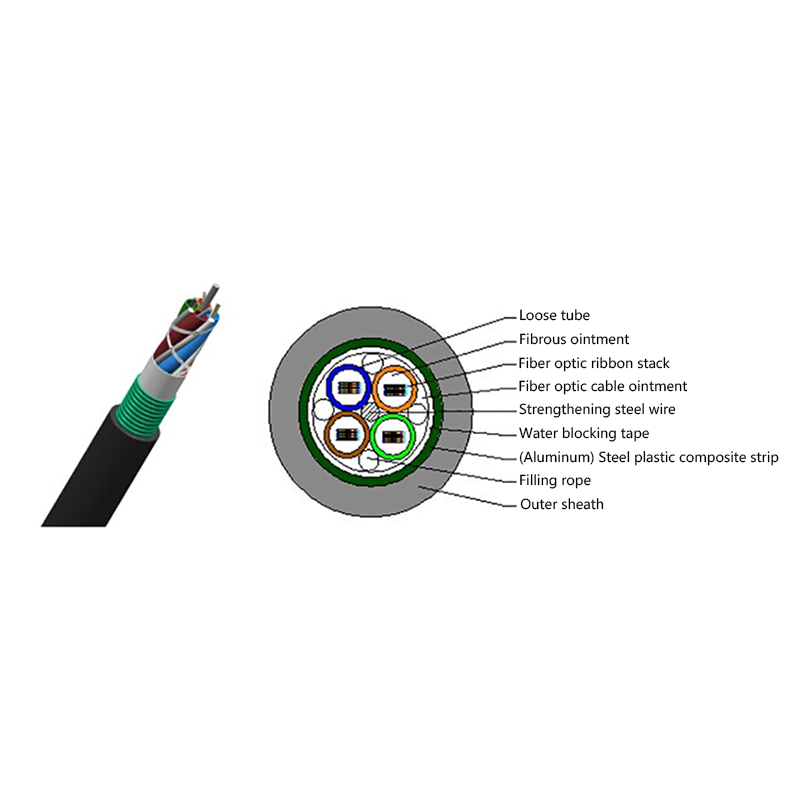
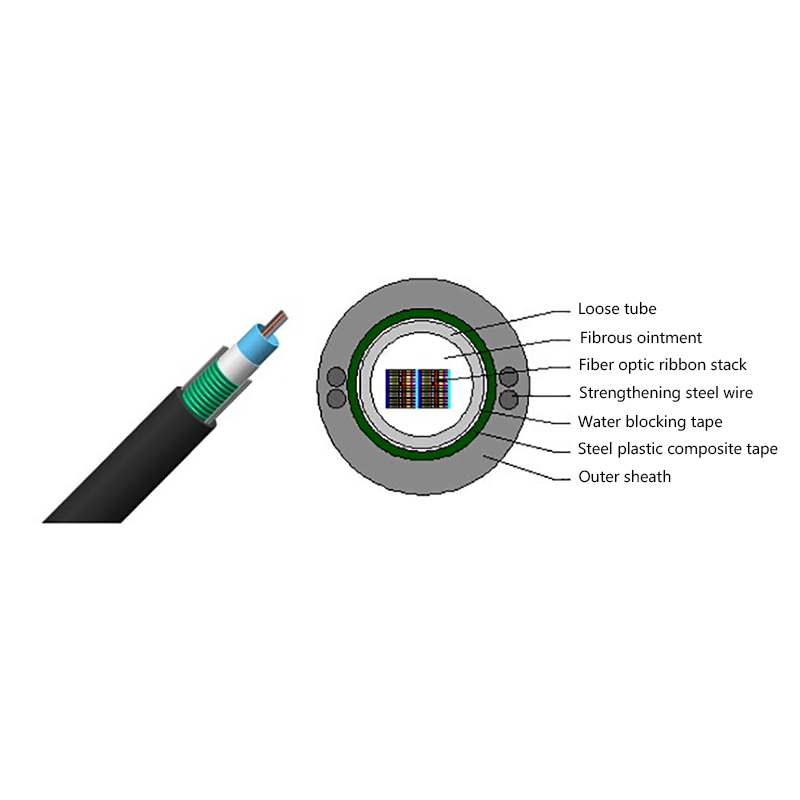
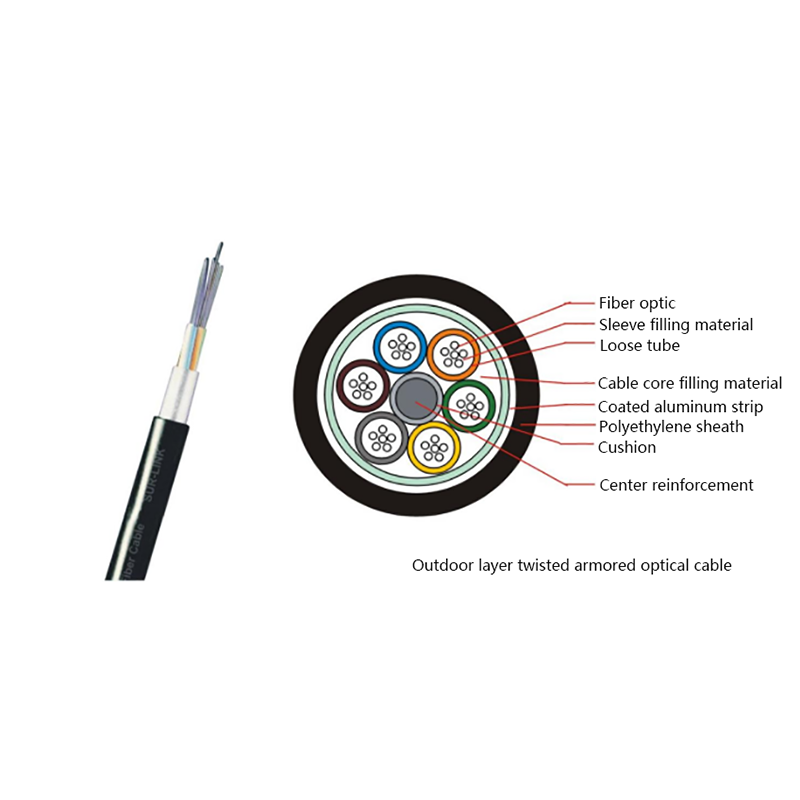
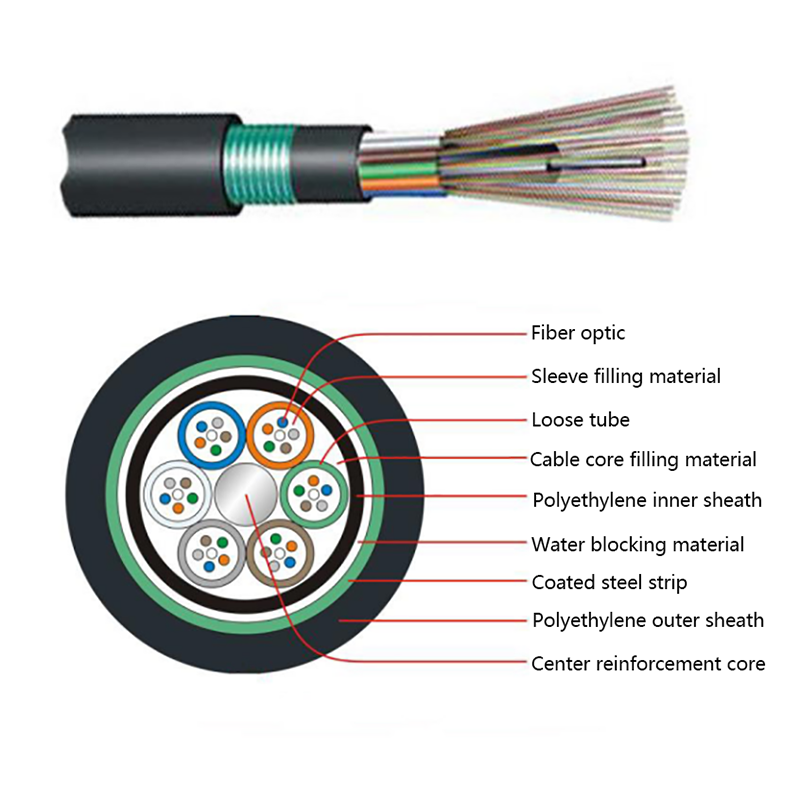
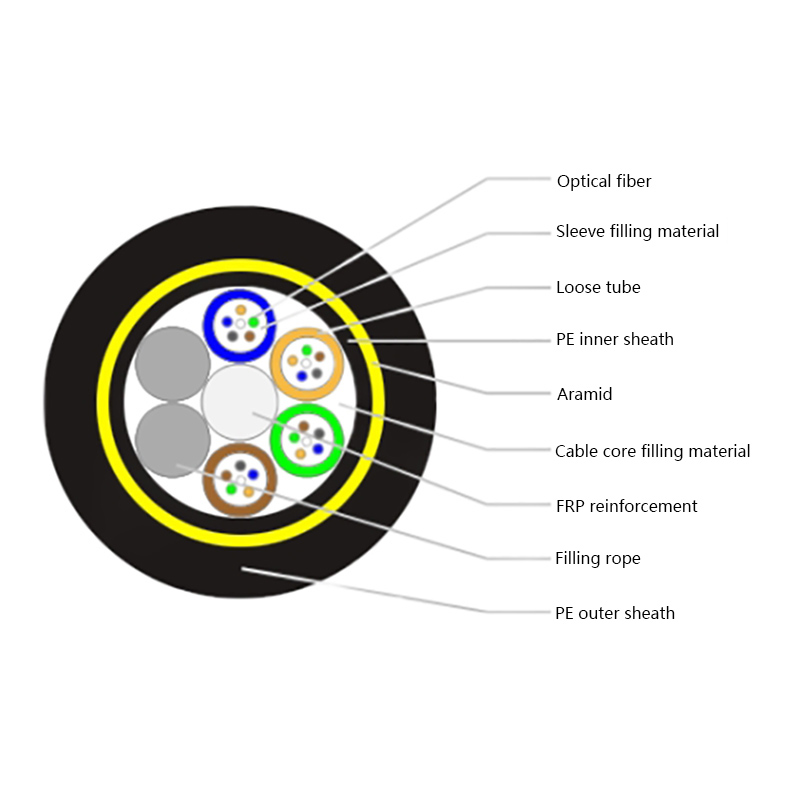
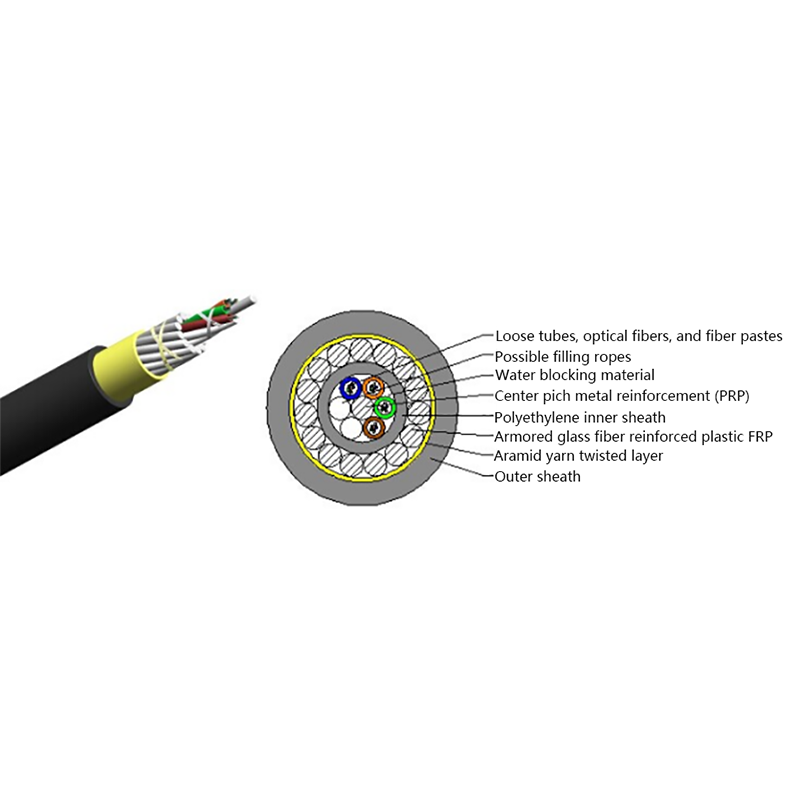
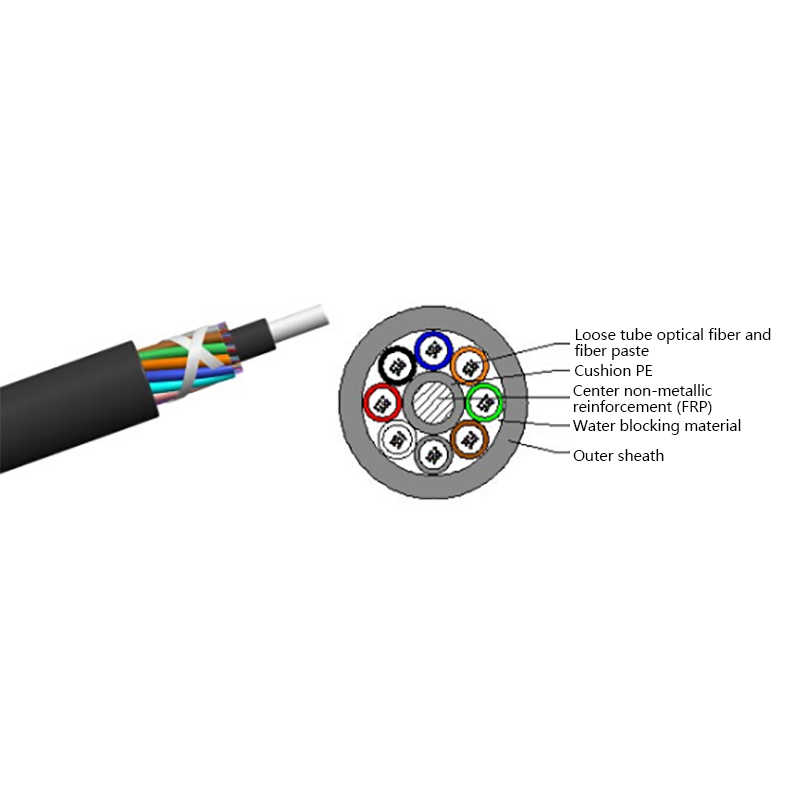
Outdoor cables use loose-tube construction, which suspends fibers in gel or dry water-blocking yarn within protective tubes. This design accommodates thermal expansion and contraction, resists moisture ingress, and isolates the fibers from mechanical stress applied to the outer jacket. For direct burial or underground conduit applications, an additional corrugated steel tape armor layer provides protection against crushing forces, ground movement, and rodent damage. Gel-filled tubes offer proven moisture protection, while dry-blocked alternatives using water-swellable yarn are increasingly preferred for cleaner field termination.
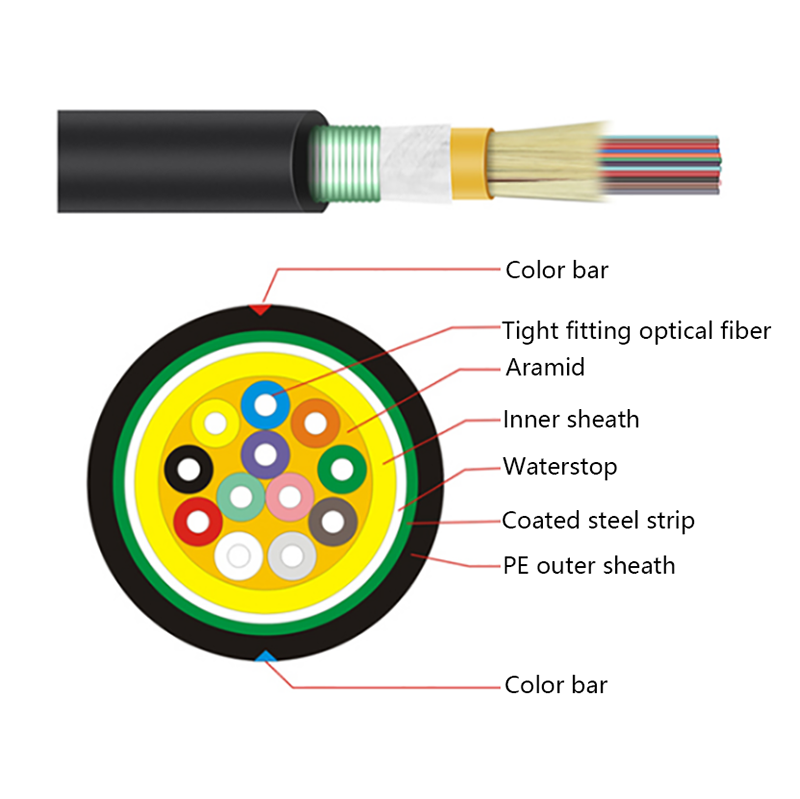
Factory floors, energy facilities, and outdoor industrial sites impose challenges that standard cables cannot withstand: extreme temperatures, oil and chemical exposure, vibration, and high mechanical loads. Industrial-grade cables address these conditions through reinforced jacket materials — TPU (Thermoplastic Polyurethane) offers strong resistance to oils, chemicals, and abrasion — combined with aramid yarn or fiberglass strength members to manage tensile stress. Interlocking armored cables provide the flexibility needed for indoor-to-outdoor transitions, while corrugated steel tape armor is the appropriate specification for buried or heavily loaded applications.
Temperature ratings deserve specific attention: standard cables typically operate within 0°C to +70°C, while tactical and industrial variants extend the range to -40°C to +85°C or beyond. Always verify that the rated operating temperature covers both installation conditions (cold weather pulling) and long-term service conditions (proximity to heat sources or direct sunlight).
Once fiber mode and environmental class have been determined, professionals should confirm the following specifications against project requirements before finalizing a cable specification:
Abstract specifications become meaningful only when mapped to real deployment contexts. The following scenario-based guidance helps professionals translate requirements into specific cable selections.
Within a modern hyperscale or enterprise data center, OM4 remains the prevailing standard for 10G and 40G rack-to-rack connections, with OM5 gaining adoption where 100G over a single fiber pair is required. MPO trunk cables with MTP connectors handle high-density row-to-row links efficiently. Armored distribution cables protect high-traffic pathways from accidental crushing or foot traffic in raised-floor environments.
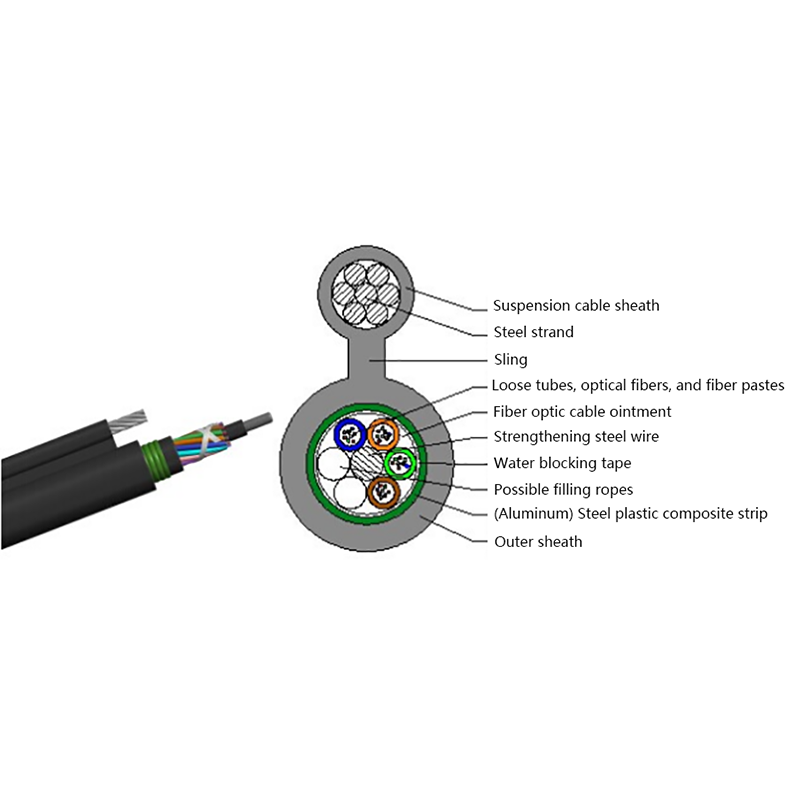
Inter-building campus links spanning 500 m to 5 km are the natural domain of OS2 single-mode fiber in outdoor-rated loose-tube construction. Direct burial between buildings requires gel-filled or dry-blocked cables with corrugated steel armor. Where aerial installation between poles is necessary, All-Dielectric Self-Supporting (ADSS) cables eliminate grounding requirements and can span up to 200 m per pole section.
Fiber-to-the-Home deployments demand lightweight, bend-insensitive single-mode cable that can be routed through tight building entry points and along walls without excessive skill requirements. For installations requiring rapid, scalable rollout in dense urban environments, air blown micro cables offer a compelling advantage: microducts are installed first, and fiber is blown in as demand grows, eliminating over-provisioning costs and minimizing service disruption during network expansion.
Environments combining electromagnetic interference, mechanical vibration, chemical exposure, and extreme temperature ranges demand industrial-grade cables with TPU jackets, metallic or Kevlar armor, and verified IP-rated connectors. In installations where simultaneous data and power delivery is operationally necessary — such as remote sensors, outdoor surveillance systems, or smart grid monitoring nodes — optoelectronic composite cables integrate optical fibers and electrical conductors within a single sheath, reducing conduit space requirements and simplifying installation management.
Before submitting a cable specification for procurement or installation, confirm the following:
Methodical selection against these criteria eliminates the most common causes of field failures and avoids the high cost of corrective work after installation. When project requirements fall outside standard product ranges — unusual fiber counts, specialized jacket materials, non-standard outer diameters, or hybrid optical-electrical construction — working directly with an experienced manufacturer to develop a custom specification is the most reliable path to long-term network performance.

Request for a call today

 Login
Custom Optical Cables Manufacturers
Login
Custom Optical Cables Manufacturers