


 English
 русский
 Español
 عربى
عربى 中文简体
中文简体

Main Types of Fiber Optic Cable: Complete Guide to Fiber Cables
Content
Fiber optic cables primarily fall into two categories: single-mode fiber (SMF) and multimode fiber (MMF). Single-mode fiber features a small core diameter of 8-10 microns and transmits light in a single path, making it ideal for long-distance communications up to 100 kilometers or more. Multimode fiber has a larger core of 50-62.5 microns, allowing multiple light paths, and is designed for shorter distances typically under 2 kilometers. Beyond this fundamental classification, these cables subdivide into specific types based on construction, application, and performance characteristics.
Single-Mode Fiber Optic Cable Types
OS1 and OS2 Single-Mode Cables
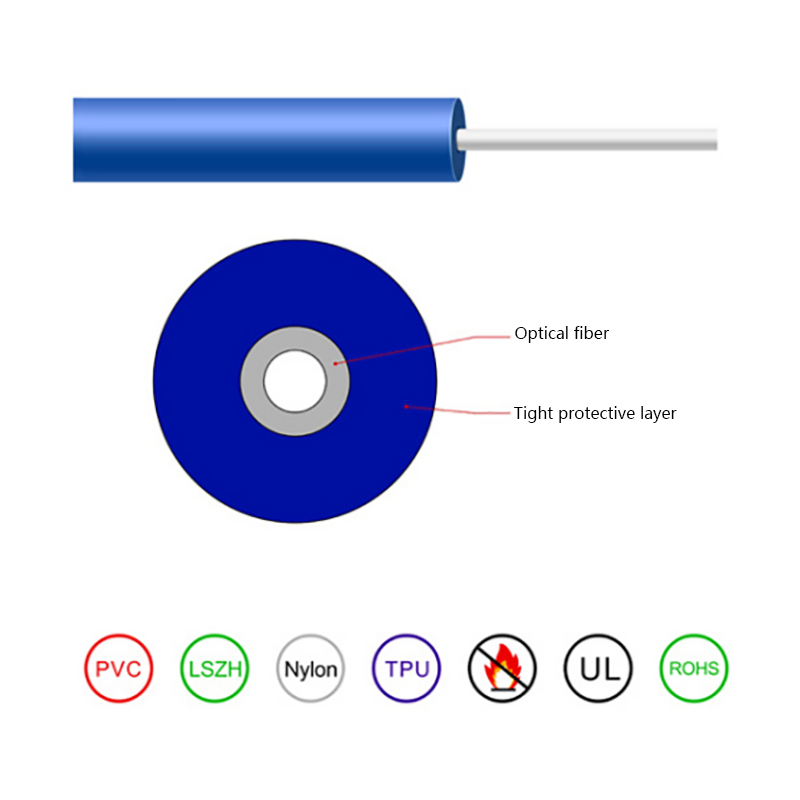
OS1 cables are designed for indoor applications with a maximum attenuation of 1.0 dB/km at 1310nm and 1.0 dB/km at 1550nm. These cables typically feature tight-buffered construction that provides physical protection in building environments. OS2 cables, engineered for outdoor and longer-distance applications, offer superior performance with attenuation of 0.4 dB/km at 1310nm and 0.3 dB/km at 1550nm. Telecommunications providers commonly deploy OS2 fiber for metropolitan area networks spanning 40-80 kilometers.
Specialty Single-Mode Variants
Bend-insensitive single-mode fiber (G.657) addresses installation challenges in tight spaces by maintaining signal integrity with bend radii as small as 7.5mm without significant loss. This specification makes it particularly valuable for fiber-to-the-home deployments and data center applications where space constraints exist. Non-zero dispersion-shifted fiber (NZDSF) optimizes performance for dense wavelength division multiplexing systems operating across the C-band and L-band spectrum.
Multimode Fiber Optic Cable Categories
| Fiber Type | Core Size | Bandwidth @ 850nm | Max Distance (10Gb/s) |
|---|---|---|---|
| OM1 | 62.5 µm | 200 MHz·km | 33 meters |
| OM2 | 50 µm | 500 MHz·km | 82 meters |
| OM3 | 50 µm | 2000 MHz·km | 300 meters |
| OM4 | 50 µm | 4700 MHz·km | 550 meters |
| OM5 | 50 µm | 4700 MHz·km | 550 meters |
OM1 and OM2 represent legacy multimode standards primarily found in existing installations. Modern data centers overwhelmingly select OM3 or OM4 fiber, with OM4 supporting 100 Gigabit Ethernet transmission up to 150 meters using parallel optics. OM5 fiber introduces wideband multimode capability, optimizing performance across the 850-950nm wavelength range to support shortwave wavelength division multiplexing technologies.
Cable Construction Classifications
Simplex and Duplex Configurations
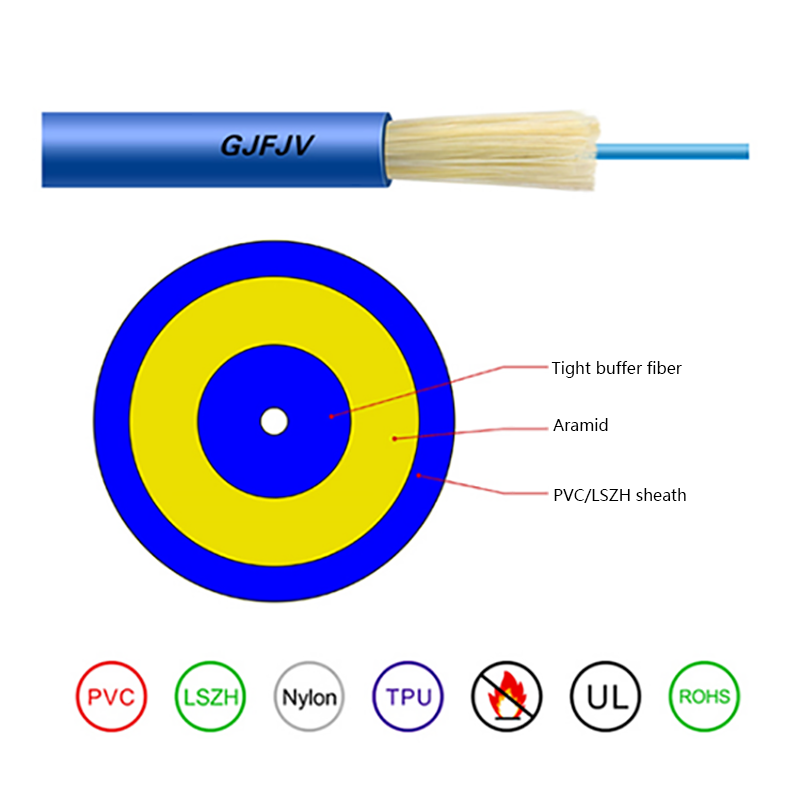
Simplex cables contain a single fiber strand and serve specialized applications requiring unidirectional transmission. Duplex cables bundle two fibers within one jacket, enabling bidirectional communication essential for most networking applications. The standard duplex configuration uses a zipcord design where two tight-buffered fibers sit side-by-side, facilitating easy separation when terminating connectors.
Distribution and Breakout Cables
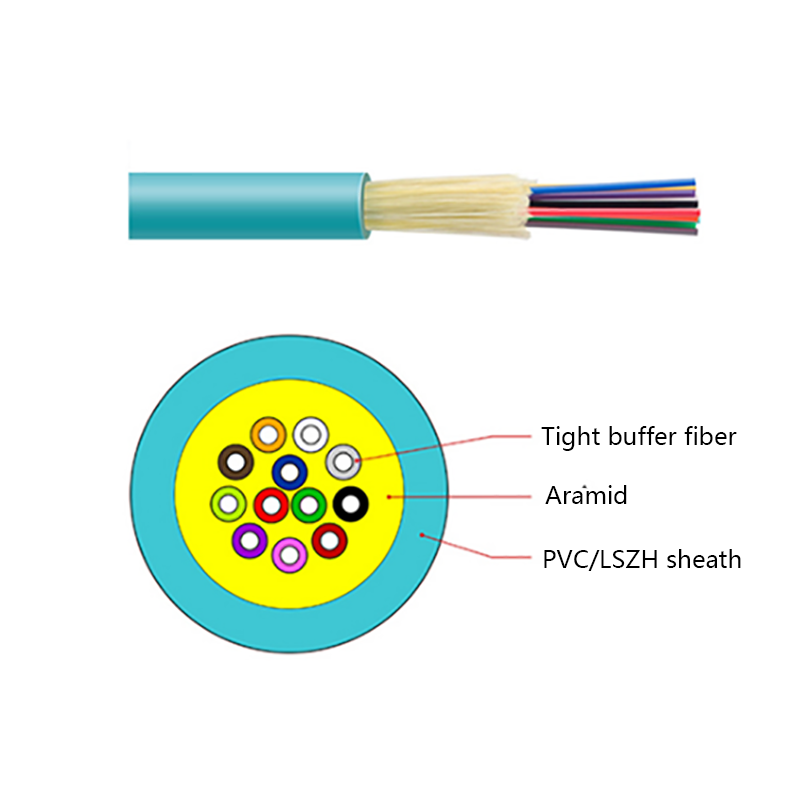
Distribution cables package multiple fibers under a single protective jacket with individual 900-micron tight buffers around each fiber. A 12-fiber distribution cable typically measures 6-8mm in outer diameter, making it suitable for indoor routing through conduits and cable trays. Breakout cables feature individually jacketed fibers within an outer sheath, providing 3mm diameter protection for each fiber, which simplifies direct termination without requiring a breakout kit.
Loose Tube and Ribbon Cable Designs
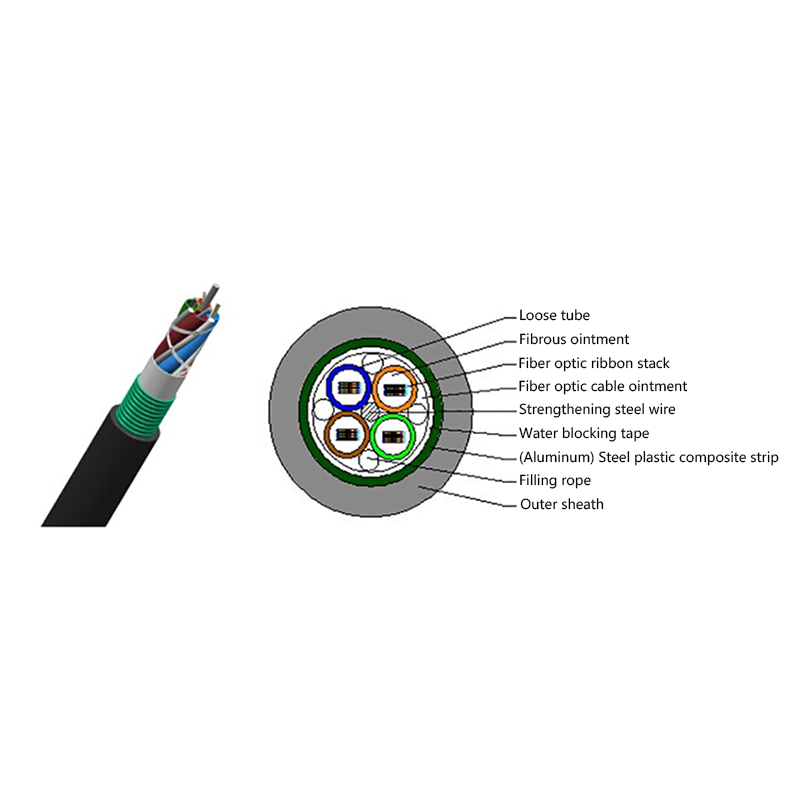
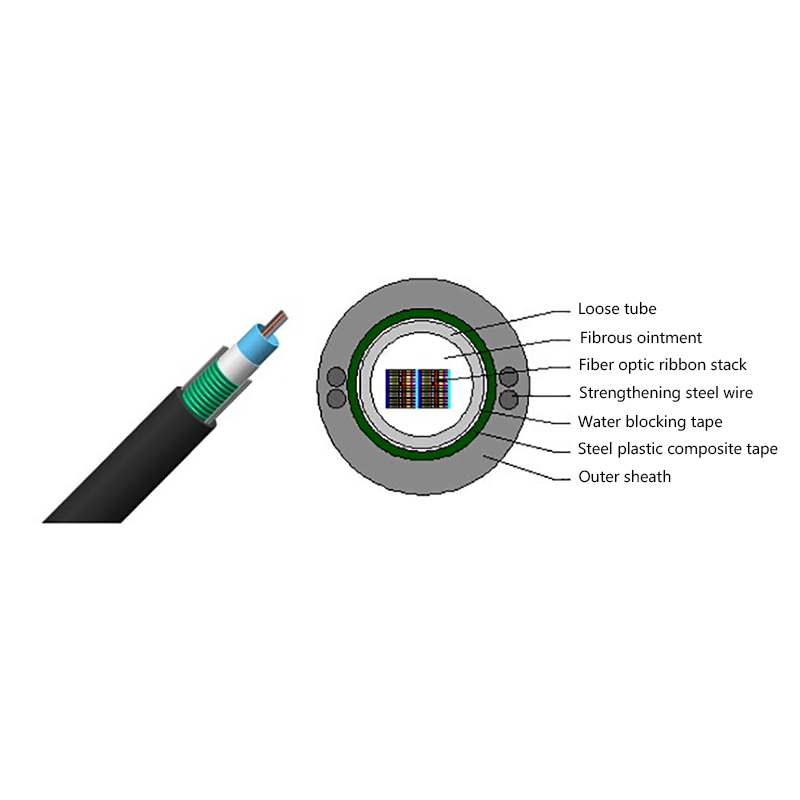
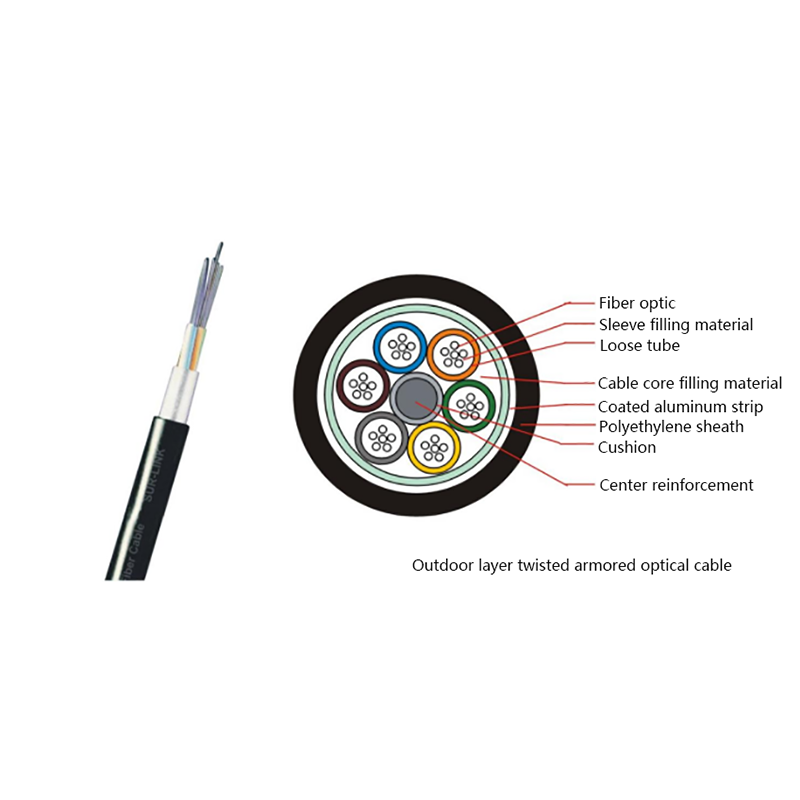
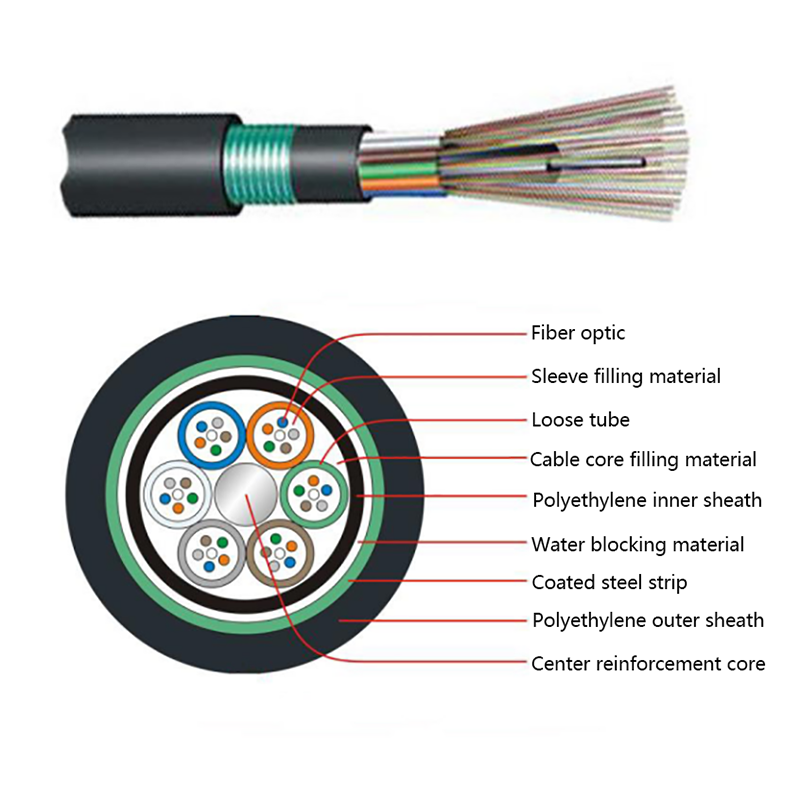
Loose tube cables protect fibers within gel-filled or dry buffer tubes, accommodating thermal expansion and contraction in outdoor environments. Each buffer tube contains 6-12 color-coded fibers with ample space for movement. Ribbon cables arrange fibers in flat matrices of 4, 8, or 12 strands, enabling mass fusion splicing where technicians can splice an entire 12-fiber ribbon in approximately the same time required for a single fiber splice.
Application-Specific Cable Types
Armored Fiber Optic Cables
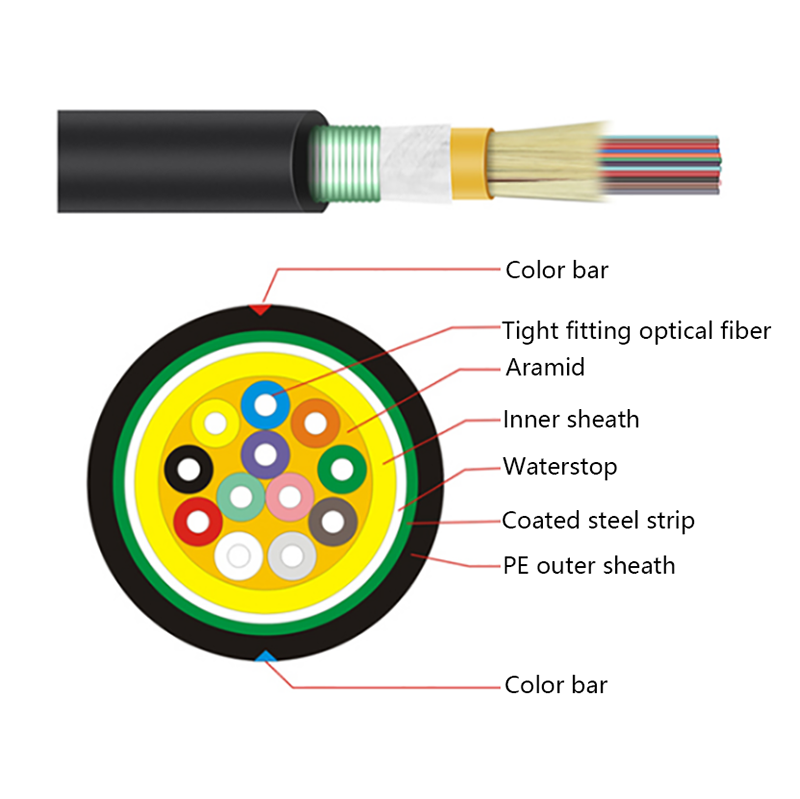
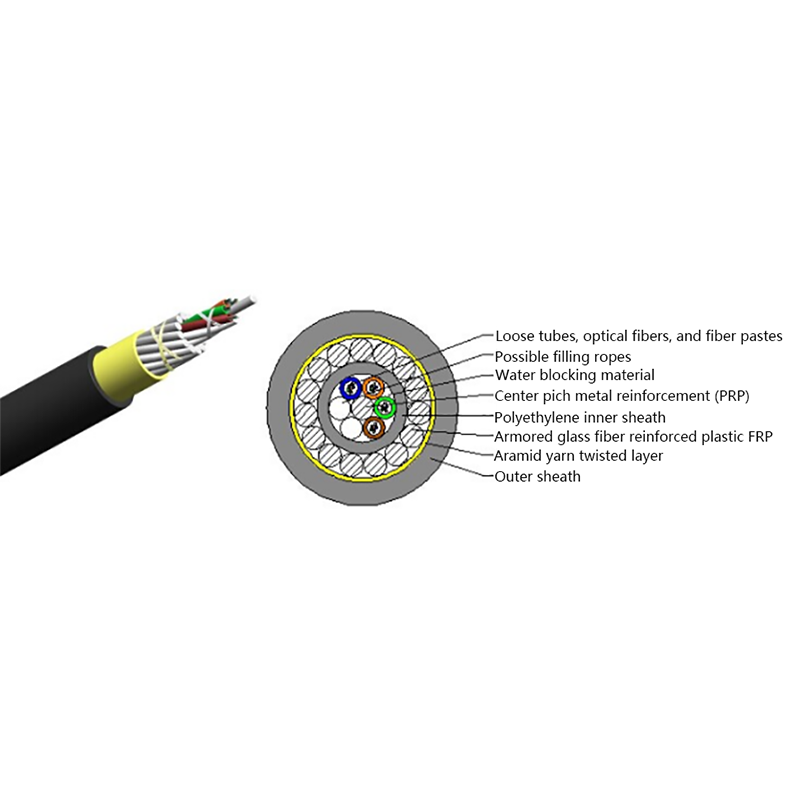
Armored cables incorporate metallic or aramid protection layers to withstand harsh environmental conditions and rodent damage. Interlocking aluminum armor provides crush resistance up to 1000 pounds per square inch, while corrugated steel tape armor serves outdoor direct-burial applications. These cables find extensive use in industrial facilities, underground installations, and areas with significant rodent populations.
Tactical and Portable Field Cables
Tactical fiber cables feature ruggedized construction with polyurethane jackets rated for -40°C to +80°C operation. Military and broadcast applications utilize these cables for rapid deployment scenarios where standard cables would fail. The enhanced flexibility allows installation over short-radius pathways while maintaining optical performance under field conditions.
Aerial and ADSS Cables
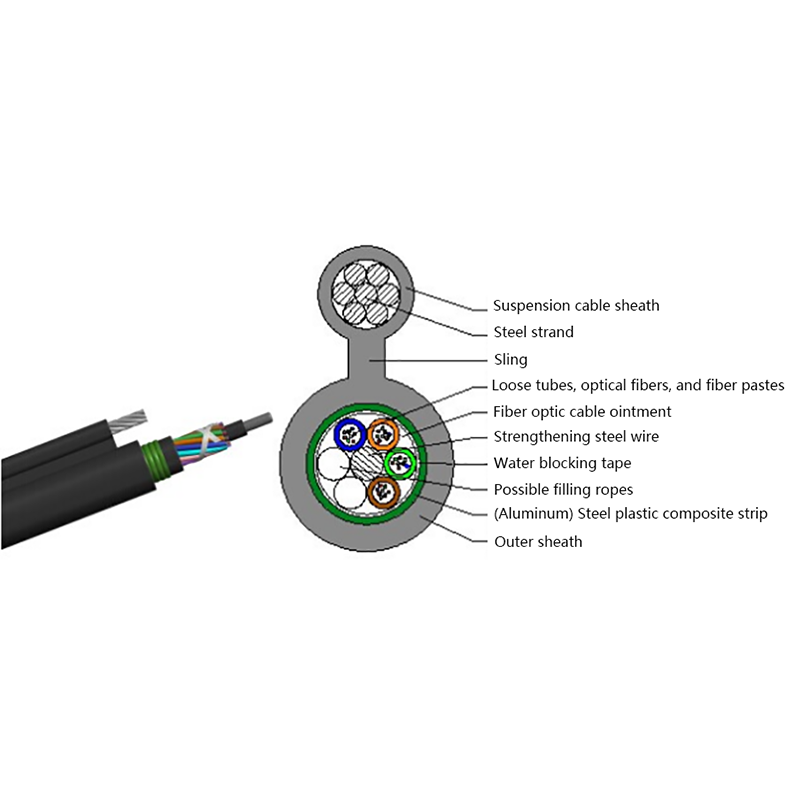
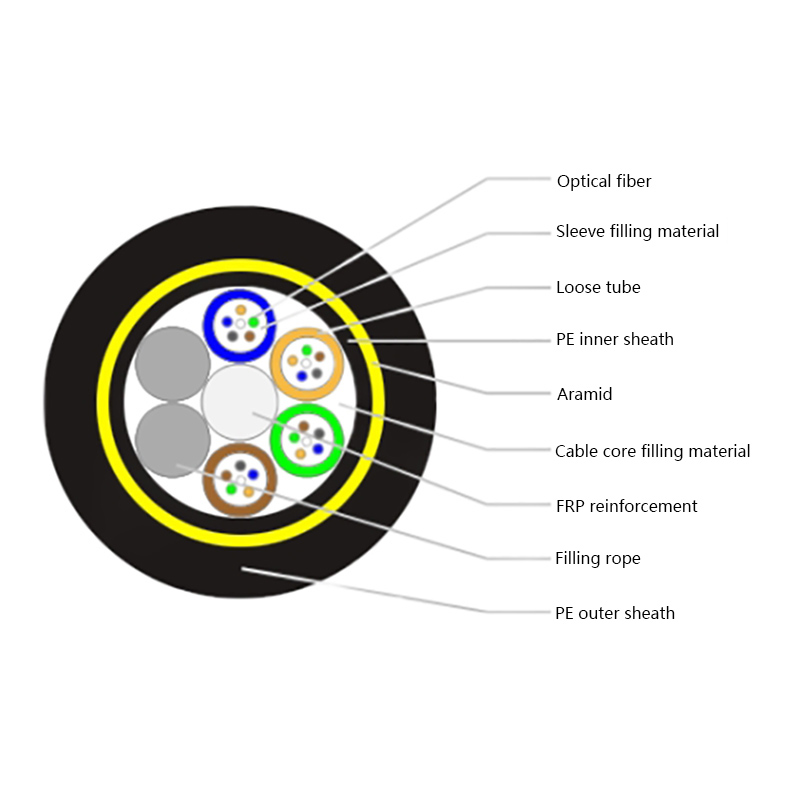
All-dielectric self-supporting (ADSS) cables eliminate metallic components, allowing installation on electrical utility poles without grounding requirements. These cables incorporate aramid yarn strength members capable of supporting spans up to 200 meters while resisting electrical tracking from high-voltage lines. The dielectric design prevents induced currents that could damage electronics or create safety hazards.
Selecting the Right Fiber Optic Cable Type
Distance requirements serve as the primary selection criterion. Applications requiring transmission beyond 1000 meters consistently demand single-mode fiber, while multimode fiber provides cost advantages for campus networks and data centers where runs remain under 550 meters. A financial services firm connecting buildings across a 5-kilometer campus would specify OS2 single-mode fiber, whereas a manufacturing facility with server rooms 300 meters apart might choose OM4 multimode for equipment compatibility and lower transceiver costs.
Bandwidth demands influence multimode fiber selection. Legacy 1 Gigabit Ethernet networks function adequately on OM1 fiber, but organizations planning 40 or 100 Gigabit upgrades must install OM4 or OM5 to avoid costly cable replacement. Data centers commonly deploy OM4 as their standard, providing future bandwidth scalability up to 400 Gigabit Ethernet over parallel optics within typical row-to-row distances.
Environmental factors determine construction type. The following guidelines apply to common scenarios:
- Indoor plenum spaces require cables with flame-retardant jackets rated OFNP for air circulation areas
- Outdoor direct burial demands gel-filled loose tube cables with moisture barriers and rodent protection
- Aerial installations between poles necessitate ADSS cables with appropriate span ratings
- Industrial environments benefit from armored cables resistant to mechanical damage and chemical exposure
- Data center raised floors typically use distribution cables for backbone runs and breakout cables for equipment connections
Connector compatibility and termination methods also influence cable selection. Tight-buffered distribution cables accept direct connector termination, while loose tube cables require fusion splicing to pigtails or connection to fiber panels. Organizations with limited splicing expertise often prefer pre-terminated assemblies or cables supporting mechanical splice connectors, accepting slightly higher material costs to reduce installation labor and eliminate the need for specialized fusion splicing equipment.
Related Products
-
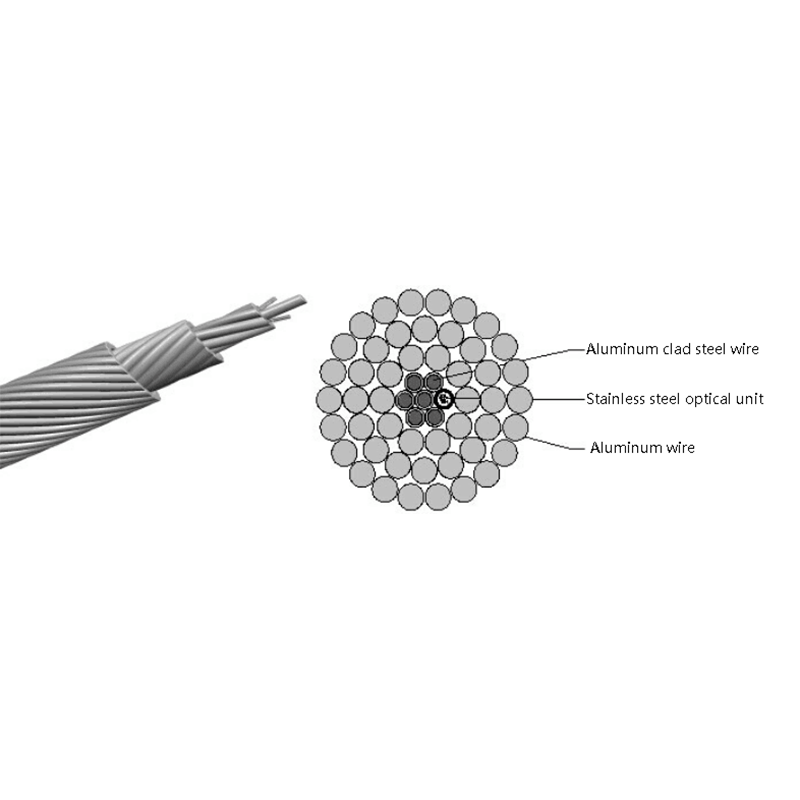
Optical Phase Conductor OPPC Cable
-
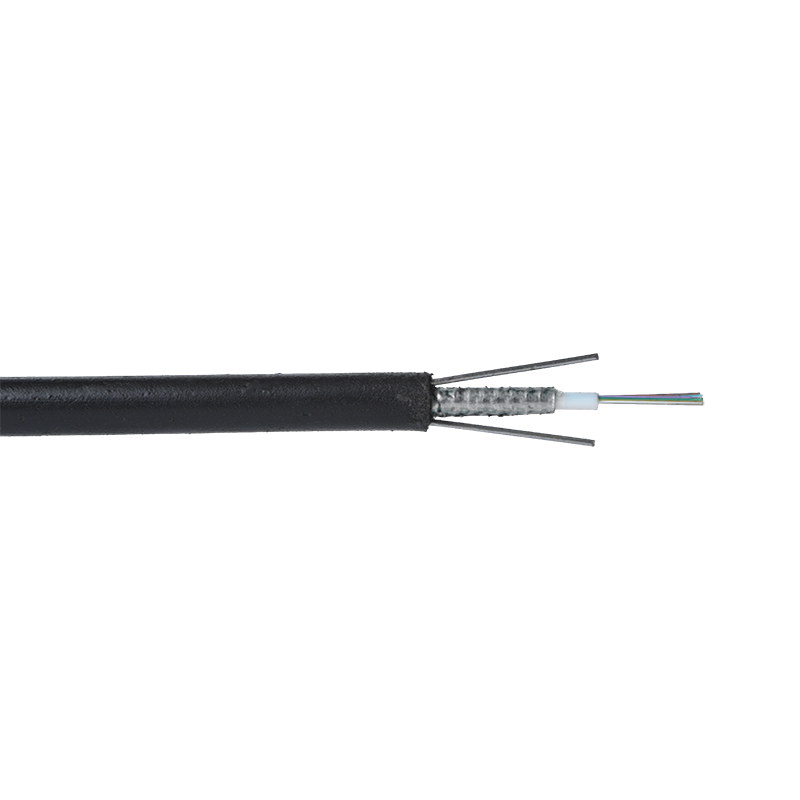
GYXTW Central Tube Armored Outdoor Optical Cable
-
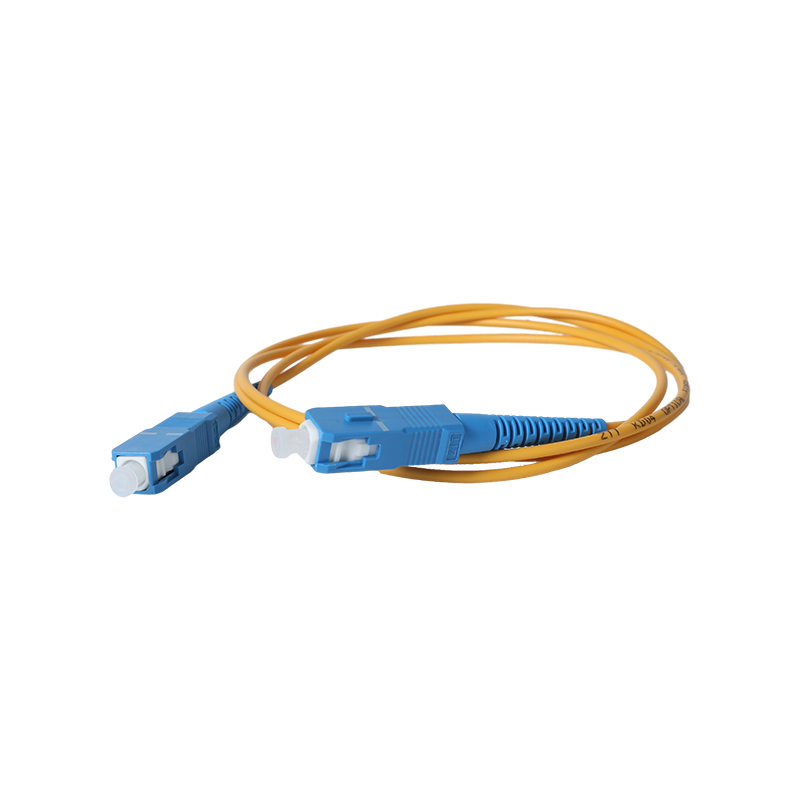
Fiber Optic Patch Cables
-
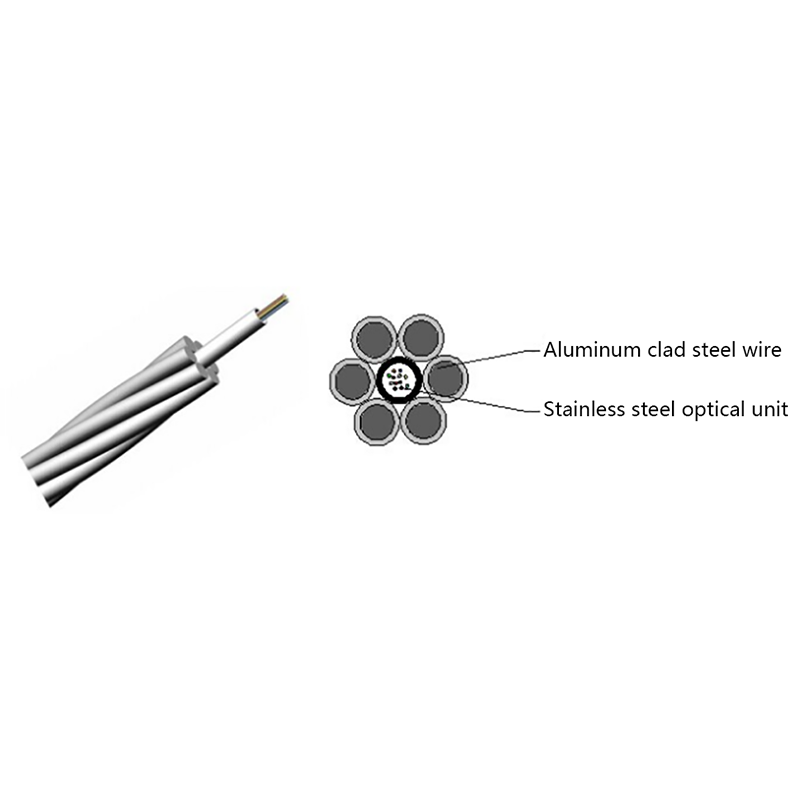
OPGW Optical Fiber Composite Overhead Ground Wire
-
GYDTA(S) Layer Stranded Optical Fiber Ribbon Cable
-
GYDXTW Center Tube Outdoor Optical Fiber Ribbon Cable
-
GYTC8A (S) Outdoor layer Stranded 8-shaped Self-Supporting Optical Cable
-
GYTA Layer Stranded Aluminum-Polyethylene Bonded Sheathed Outdoor Optical Cable
-
GYTY53 Layer-Stranded PE Inner Sheathed Steel Tape Armored Outer Sheath Optical Cable
-
GJFJH53 Indoor Bundled Steel Tape Armored Optical Cable
-

GJPFJV GJFJHV Indoor Branch Optical Cable
-
GJFJV Indoor Single Bundle Fiber Optical Cable
-
GJFV Indoor Mini Bundle Fiber Optic Cable
-
GJFJV Indoor Single Core Jumper Wire Optical Cable
-
Indoor Tight-Buffered Fibre Optic Cable
-
ADSS—All-Dielectric Self-Supporting Optical Cable
-
Anti-Squirrel ADSS Optical Cable
-
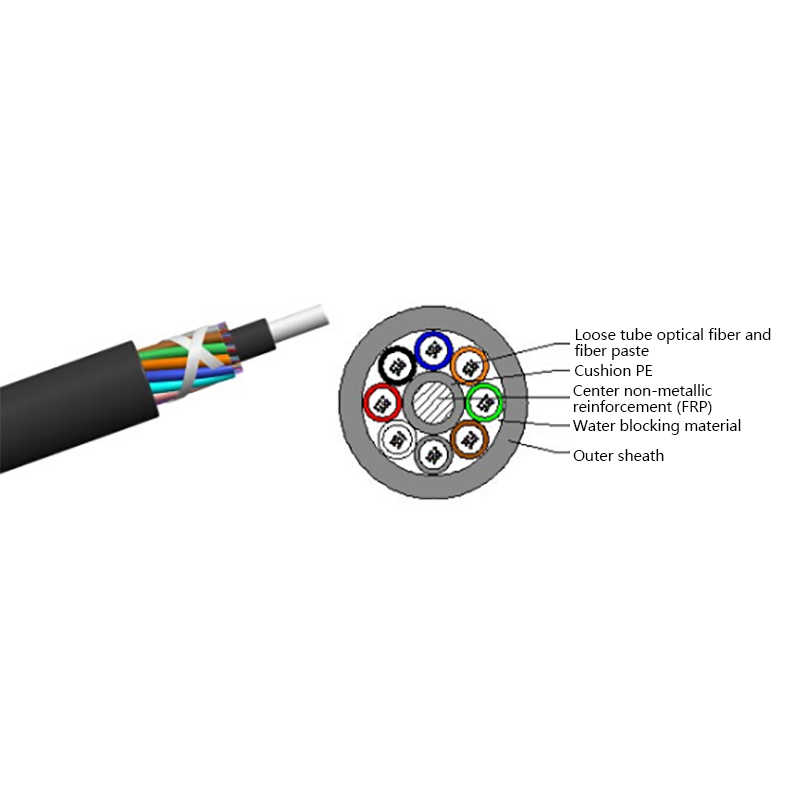
Non-metallic optical cable
Looking For Bussiness Opportunity?
Request for a call today

- Tel: +86-139-6297-6666
- Whatsapp: +86-13962991888
- E-mail: [email protected] / [email protected]
- Add: No.18, Xinjing Road, Nantong Economic and Technological Development Zone, Jiangsu Province, China
Products
Message
Coprright 2023 Jiangsu Hawell Optoelectronic Technology Co., Ltd. All Rights Reserved
 Login
Custom Optical Cables Manufacturers
Login
Custom Optical Cables Manufacturers
Login
Custom Optical Cables Manufacturers