


 English
 русский
 Español
 عربى
عربى 中文简体
中文简体

FTTH Butterfly Optic Cables: Deployment & Selection Guide
Content
- 1 The Last-Mile Challenge: Why Flat Drop Cables Excel
- 2 Anatomy of an FTTH Butterfly Optic Cable
- 3 Installation Advantages That Cut Deployment Time
- 4 Selecting the Right Butterfly Cable for Your Environment
- 5 Performance Factors and Testing Standards
- 6 Common Deployment Mistakes to Avoid
- 7 Specifying the Right Cable for Your Network
The Last-Mile Challenge: Why Flat Drop Cables Excel
A technician arrives at a multi-dwelling unit with a single distribution point tucked behind a cramped utility closet. The path to each apartment involves routing fiber through narrow conduits, around sharp corners, and behind baseboards. Standard round drop cables kink, jam, and risk microbending losses at every turn. This is exactly where the flat, bend-insensitive FTTH butterfly optic cable reshapes feasibility. Unlike round cables, the butterfly design uses a self-supporting flat geometry that resists kinking, strips cleanly in seconds, and maintains signal integrity at bend radii as low as 5 mm. For last-mile fiber-to-the-home deployments where installation speed and reliability directly determine project costs, this cable has become the default choice.
The evolution from bulky copper to fiber has pushed network engineers to rethink how fiber enters a home. Butterfly optic cables, also called drop cables or flat drop cables, answer three critical demands: rapid field termination, mechanical robustness in tight spaces, and easy concealment along walls or inside molding. In the following sections we break down what makes this cable unique, how to match its variants to specific indoor and outdoor environments, and which installation practices prevent the most common failures.
Anatomy of an FTTH Butterfly Optic Cable
At the core of every butterfly cable is a single-mode optical fiber compliant with ITU-T G.657 standards—most often G.657.A2 or B3 for enhanced bend performance. The fiber sits in a tight-buffer or semi-tight buffer, surrounded by two parallel strength members that give the cable its distinctive flat profile. These strength members are typically KFRP (Kevlar fiber-reinforced plastic) rods, or sometimes steel wires for outdoor self-supporting versions. A V-groove in the jacket material allows installers to split the cable precisely by hand, exposing the fiber without any specialized cutting tool.
The outer sheath is usually a flame-retardant LSZH (low-smoke zero-halogen) compound for indoor use, or a UV-stabilized polyethylene for outdoor drops. The sheath’s low friction coefficient helps the cable slide through microducts or under carpet with minimal pulling force. All these elements—buffer, strength members, and sheath—are engineered to withstand lateral crush loads that frequently exceed 1000 N per 10 cm, making the cable resilient against accidental compression behind furniture or when stapled (if done correctly). The overall dimensions typically range from 2.0 mm × 3.0 mm for miniaturized indoor versions up to 2.0 mm × 5.0 mm for outdoor-rated models with additional water-blocking measures.
Installation Advantages That Cut Deployment Time
Time on the ladder or in a customer’s living room is the largest variable cost in FTTH rollouts. Butterfly optic cables address this with several design features that how butterfly cables simplify on-site installation. First, the flat design naturally resists coiling memory; the cable lies flat against walls and can be routed with adhesive clips or narrow raceways without springing loose. Second, the jacket can be notched and split by hand—the V-groove fracture path is so reliable that many technicians can prepare a connector-ready fiber end in under 20 seconds without a razor blade. This eliminates the risk of nicking the glass that plagues round cable stripping.
Another underappreciated advantage is mid-span access. For multi-dwelling buildings, a single butterfly cable can be daisy-chained without cutting the fiber, simply by peeling back a section of jacket at each floor and attaching a pre-polished connector. The parallel strength members maintain overall tensile integrity during and after branching. Combined with its small diameter, the cable fits through existing PVC conduits that were originally sized for copper telephone lines, drastically reducing civil works. The reduction in splice points and connectorized factory terminations accelerates subscriber activation by up to 40% compared with field-splicing round drop cables.
Selecting the Right Butterfly Cable for Your Environment
Not all butterfly cables are interchangeable. Choosing the wrong jacket material or strength member can lead to premature cracking, rodent damage, or non-compliance with local fire codes. Before ordering, consult the types and specs of butterfly optic cables to confirm the exact variant your project requires. The decision tree below matches common deployment scenarios to the appropriate cable construction.
| Scenario | Recommended Cable | Key Advantage |
|---|---|---|
| Indoor apartment riser, concealed behind molding | LSZH butterfly (GJXFH or similar) | UL-rated for riser use, clean hand-stripping |
| Indoor-to-outdoor transition without a splice box | UV-resistant PE butterfly (GYXTPY type) | Continuous jacket, no transition splice |
| Aerial self-supporting span up to 80 m | Steel wire strength member butterfly | Integrated messenger, eliminates separate lashing |
| High fiber count (4–12 fibers) for MDU backbone | Double-butterfly or bundled flat ribbon | Compact flat profile with separate subunits |
| Existing microduct infrastructure | Miniature butterfly or air-blown micro-cable | Ultra-low diameter, high jetting distance |
Indoor and Indoor/Outdoor Parallel Drop Cables
For the most common home entry—running fiber from an exterior wall to an ONT inside a living room—a cable that behaves indoors and outdoors without interruption is invaluable. The GYXTPY standard butterfly drop cable uses a polyethylene outer sheath that withstands UV exposure and moisture, yet remains flexible enough to be tacked along skirting boards. Its dual KFRP strength members provide enough tensile stiffness to be pulled through a 10 mm conduit without a separate pulling tape. This single-cable approach eliminates the outdoor-to-indoor splice box, removing a common failure point and saving roughly 15–20 minutes per installation.
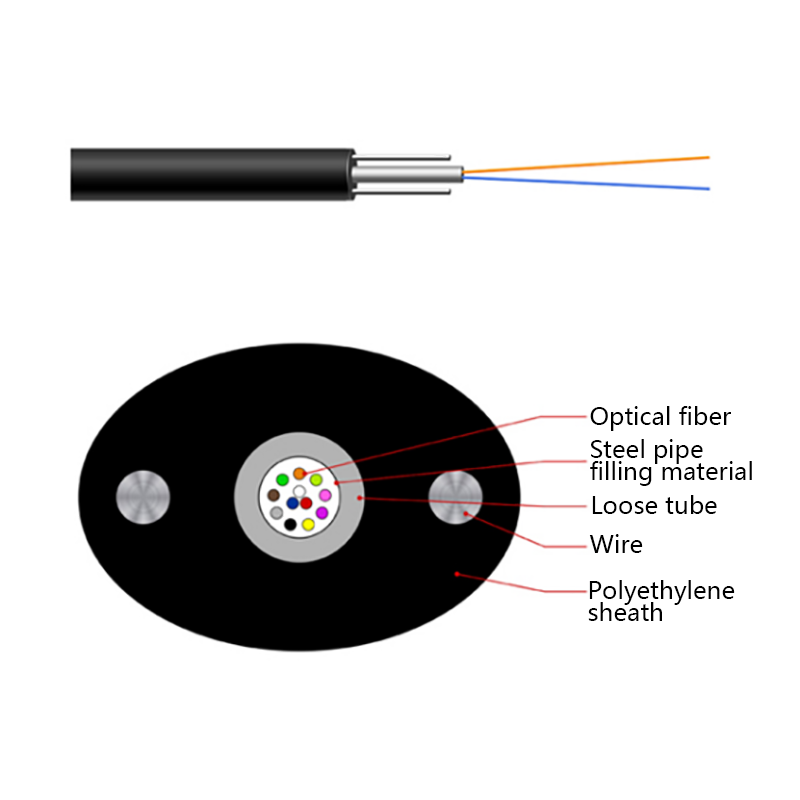 FTTH Normal home optical cable GYXTPY Air Blown Micro Cables Suppliers, Factory Jiangsu Hawell is China FTTH Normal home optical cable GYXTPY Air Blown Micro Cables Suppliers and Factory, Wholesale FTTH Normal home op...View Product →
Multi-Fiber Deployments
In multi-dwelling units where operators want to home-run several fibers back to a single distribution cabinet, a larger flat construction with multiple 250 µm fiber subunits becomes practical. The double-butterfly optic cable for higher fiber count arranges two separate flat profiles under a single common jacket, each with its own V-groove. This lets technicians break out individual fibers at each floor without entering the main buffer, preserving the integrity of fibers destined for upper floors. It handles up to 4 fibers in its standard configuration, keeping the total width under 6 mm to fit existing cable trays.
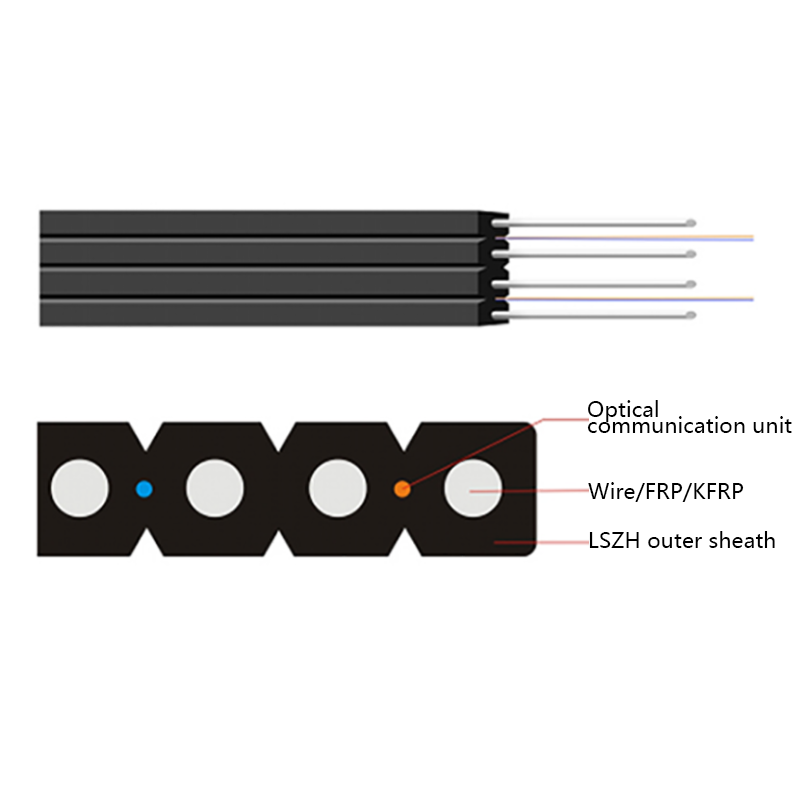 FTTH Double Butterfly Optical Cables Suppliers, Factory - Jiangsu Hawell OptoeleJiangsu Hawell is China FTTH Double Butterfly Optical Cables Suppliers and Factory, Wholesale FTTH Double Butterfly Optical Cable online,...View Product →
Performance Factors and Testing Standards
Any butterfly cable must pass Telcordia GR-20 or IEC 60794 compliance testing to be considered carrier-grade. The three parameters that most directly affect a live network are bend loss, crush resistance, and cyclic temperature endurance. With G.657.A2 fiber, a single 5 mm-radius loop induces less than 0.05 dB attenuation at 1550 nm; even a 180° bend around a 3 mm mandrel stays under 0.15 dB. That margin is essential when a cable is inadvertently folded behind a desk. Crush testing typically applies a 2200 N load over a 100 mm plate without exceeding 0.1 dB additional loss, confirming the cable can survive being stapled too tightly—though best practice still dictates using protective clips.
Temperature cycling from -20 °C to +60 °C is standard for outdoor-rated cables, with attenuation drift kept below 0.05 dB/km. Indoor LSZH versions may be rated for 0 °C to 50 °C, but in unconditioned attics or crawlspaces the outdoor variant’s wider tolerance becomes a safer choice. Water-blocking is another differentiator: outdoor cables incorporate swellable yarns or a gel-filled buffer to prevent longitudinal water migration, critical for underground conduit entries where condensation is unavoidable. Always verify that the cable has passed the IEC 60794-1-22 water penetration test before specifying it for outdoor applications.
Common Deployment Mistakes to Avoid
Even the most forgiving cable cannot compensate for installation shortcuts. The singular most damaging practice is stapling the cable directly with a standard T-25 staple gun. The flat shape invites this abuse, but the staple legs can pierce the jacket and nick the buffer, creating a latent failure that may not appear for months. Use only approved butterfly clips that cradle the cable without compression. Another frequent oversight is burying an indoor-only LSZH cable in a shallow trench. LSZH absorbs moisture and becomes brittle at sub-zero temperatures, causing jacket cracks in the first winter.
Leaving no service loop at the ONT is a planning failure that costs hours later. A 1-meter coil secured behind the ONT bracket gives later technicians slack to re-terminate without repulling the entire drop. For aerial installations, failing to lock the messenger wire properly leads to sag; the butterfly cable must be tensioned to the manufacturer’s recommended sag table, typically 1% of span length at 15 °C. Finally, avoid mixing connector types across the same project—standardizing on SC/APC or LC/APC connectors for both the drop cable and the ONT avoids the need for hybrid adapters that introduce reflection points.
Specifying the Right Cable for Your Network
The line between a successful FTTH rollout and one plagued by truck rolls often comes down to the last 100 meters of drop cable. Investing time in selecting a butterfly optic cable with the correct jacket, bend tolerance, and strength member for the actual installation environment pays back in drastically reduced call-backs. For project-specific variants and detailed data sheets, explore the FTTH butterfly optic cable product range where single-fiber, double-fiber, indoor, and outdoor configurations are available with G.657.A2 or B3 fiber pre-integrated. Matching the right tool-free connector system to the cable’s buffer diameter completes the field-installation ecosystem that defines modern fiber-to-the-home.
Related Products
-
Optical Phase Conductor OPPC Cable
-
GYXTW Central Tube Armored Outdoor Optical Cable
-
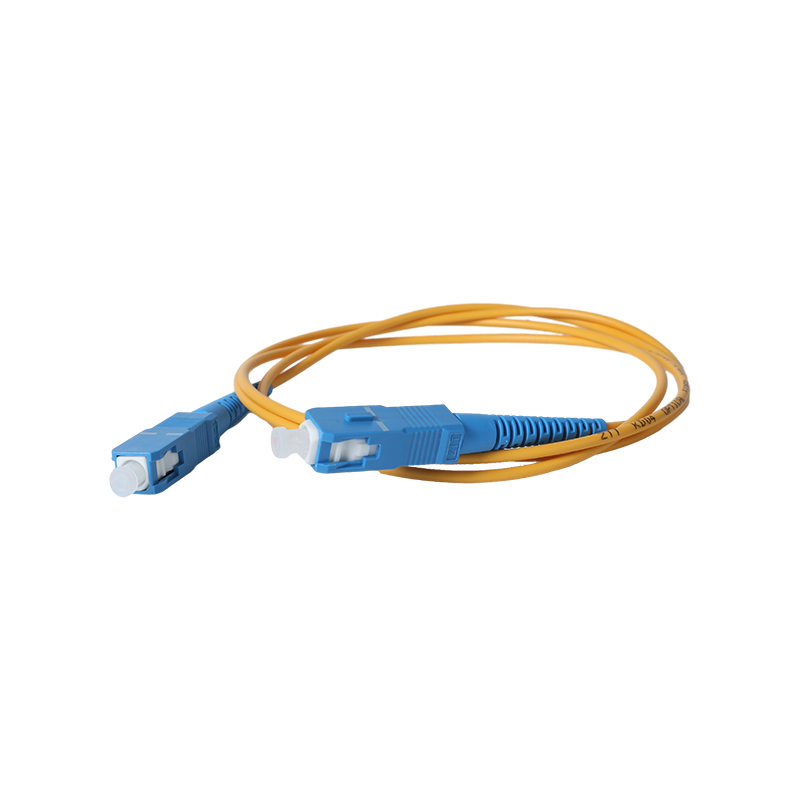
Fiber Optic Patch Cables
-
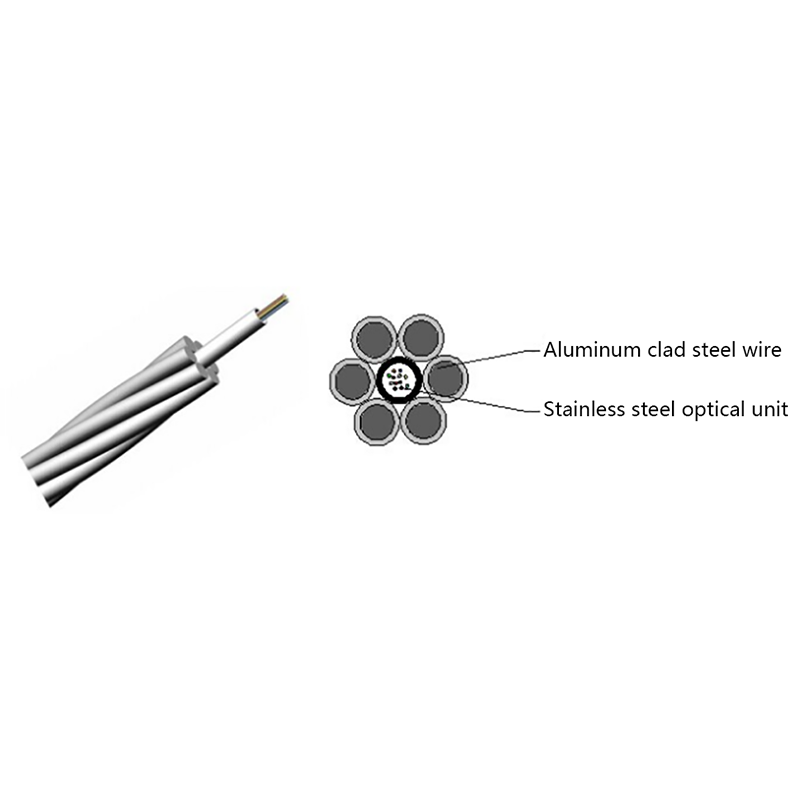
OPGW Optical Fiber Composite Overhead Ground Wire
-
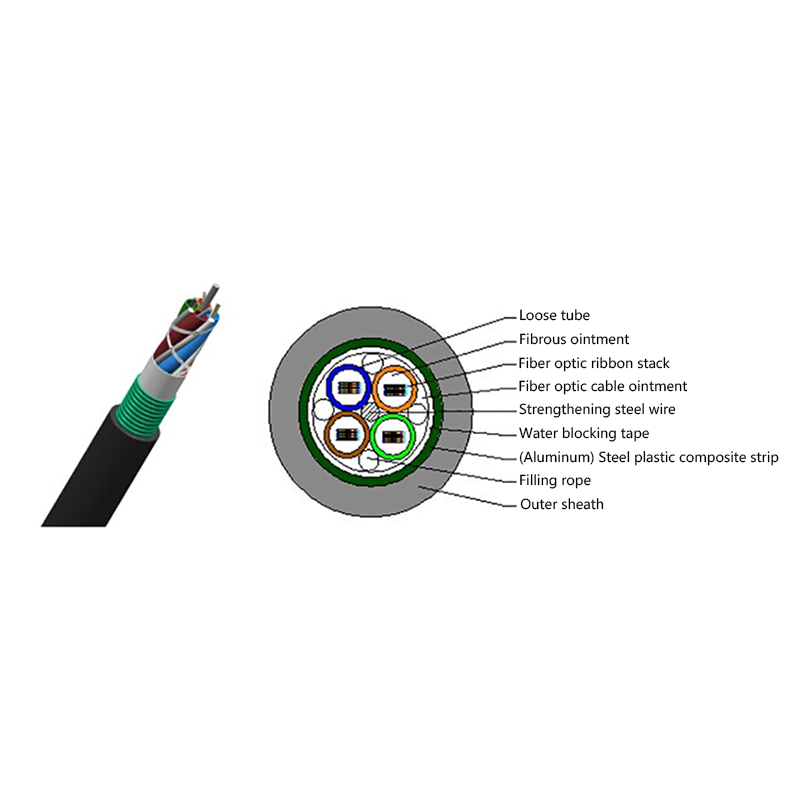
GYDTA(S) Layer Stranded Optical Fiber Ribbon Cable
-
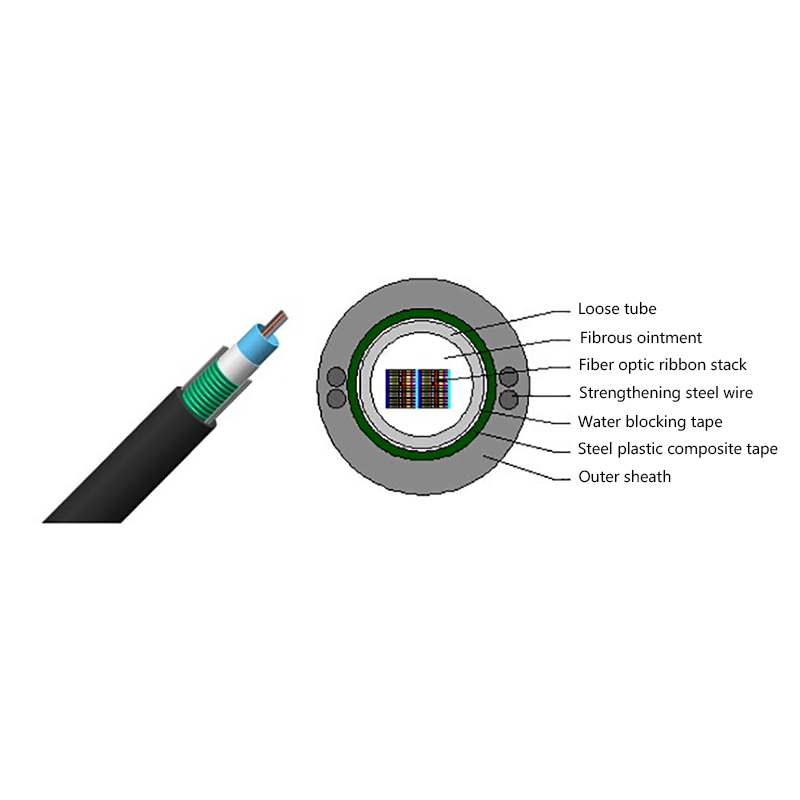
GYDXTW Center Tube Outdoor Optical Fiber Ribbon Cable
-
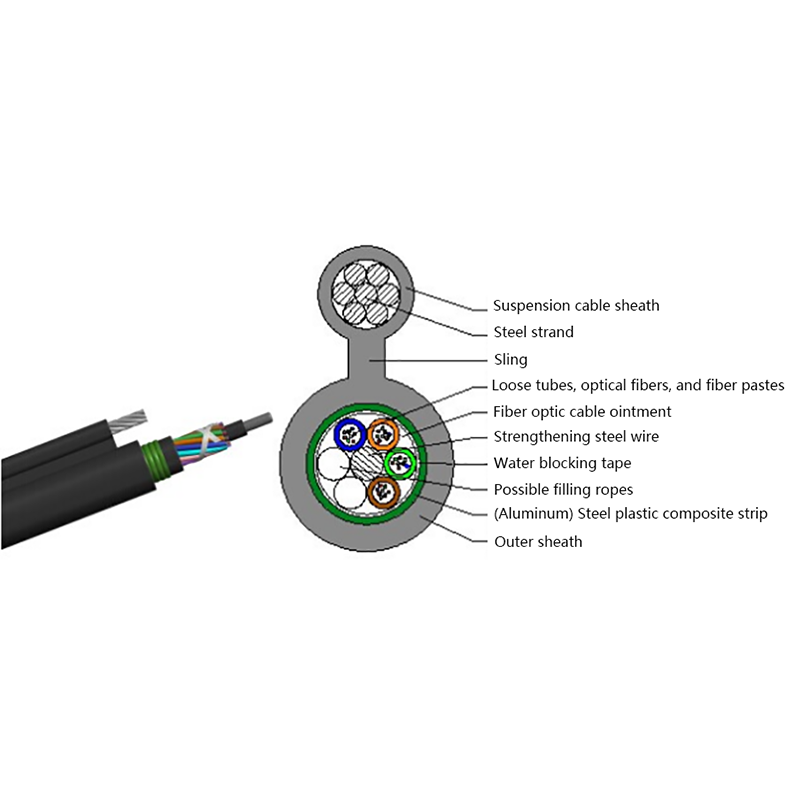
GYTC8A (S) Outdoor layer Stranded 8-shaped Self-Supporting Optical Cable
-
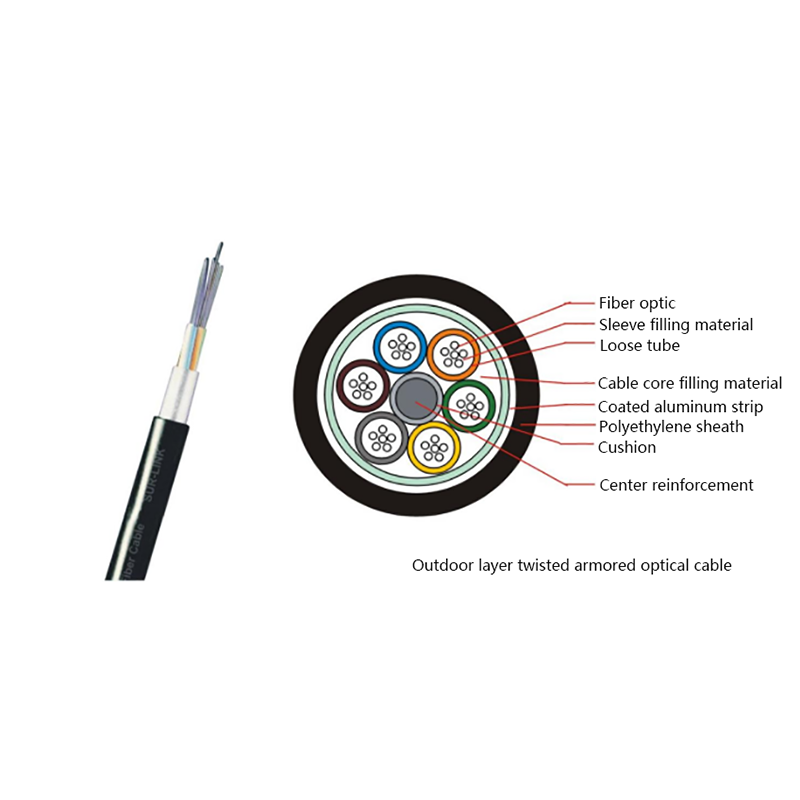
GYTA Layer Stranded Aluminum-Polyethylene Bonded Sheathed Outdoor Optical Cable
-
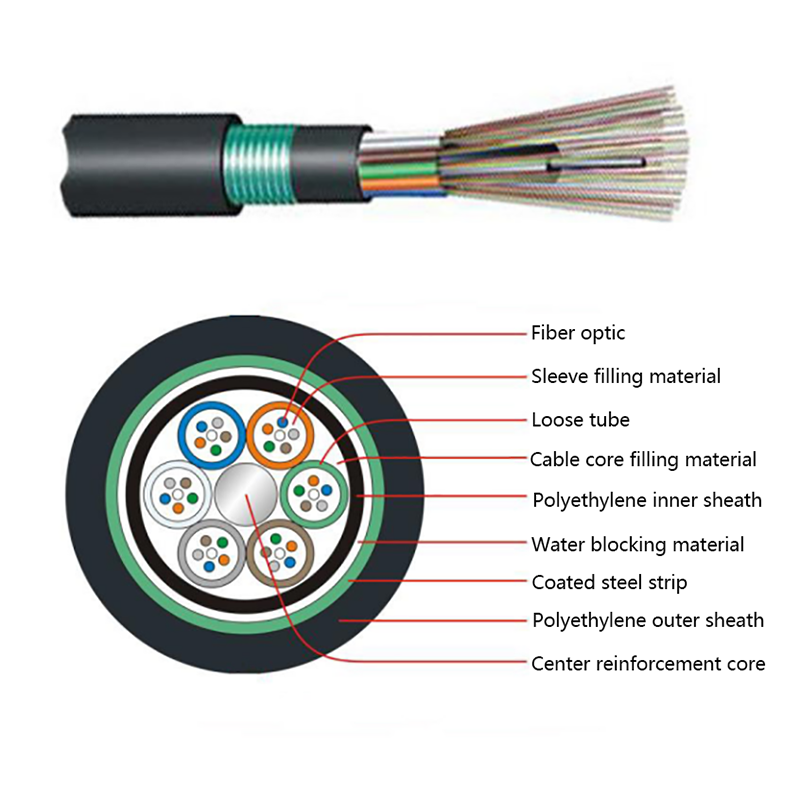
GYTY53 Layer-Stranded PE Inner Sheathed Steel Tape Armored Outer Sheath Optical Cable
-
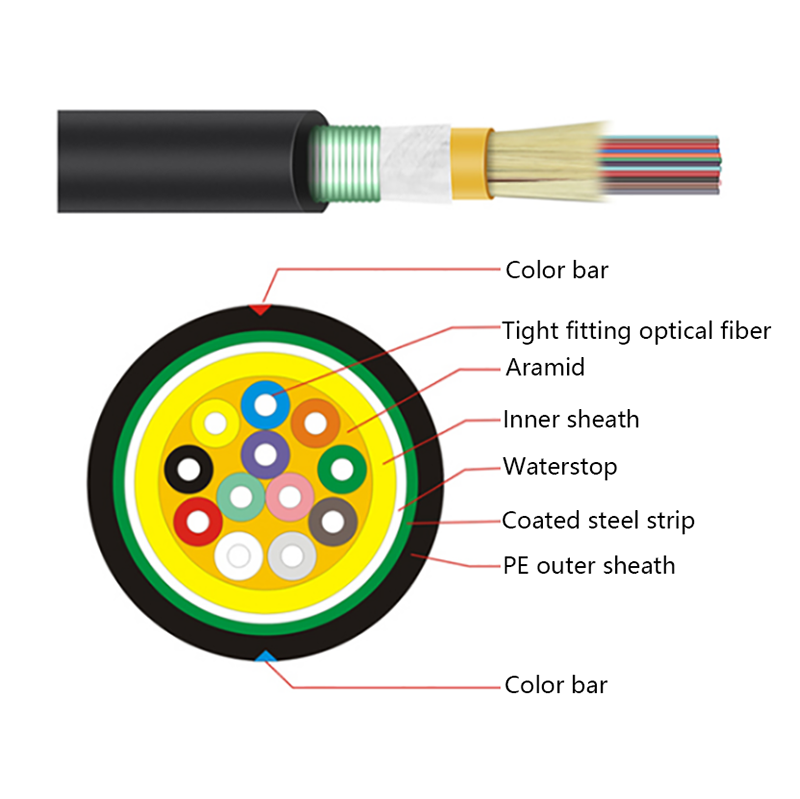
GJFJH53 Indoor Bundled Steel Tape Armored Optical Cable
-

GJPFJV GJFJHV Indoor Branch Optical Cable
-
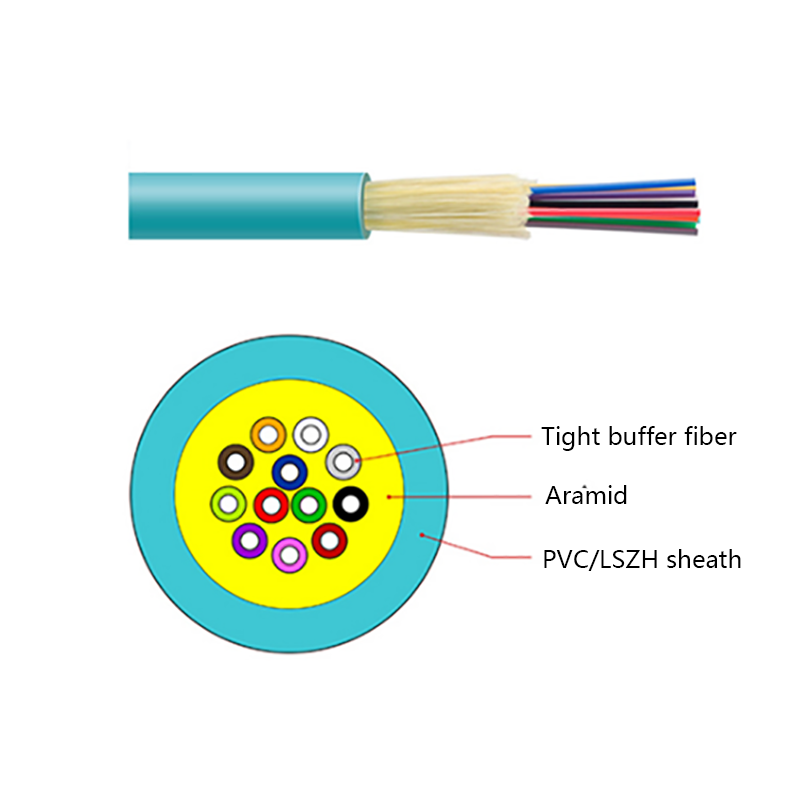
GJFJV Indoor Single Bundle Fiber Optical Cable
-
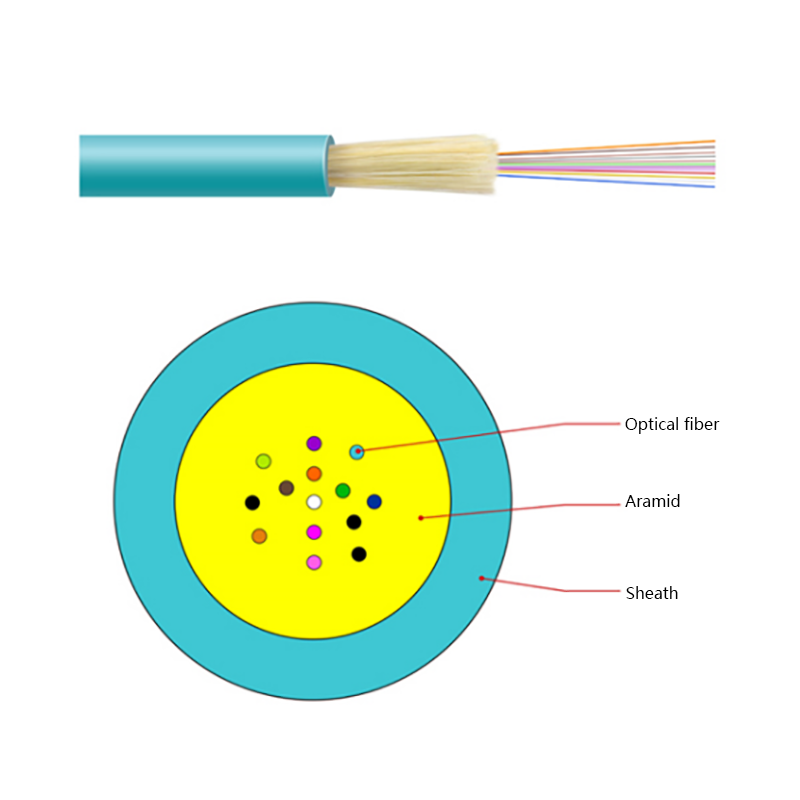
GJFV Indoor Mini Bundle Fiber Optic Cable
-
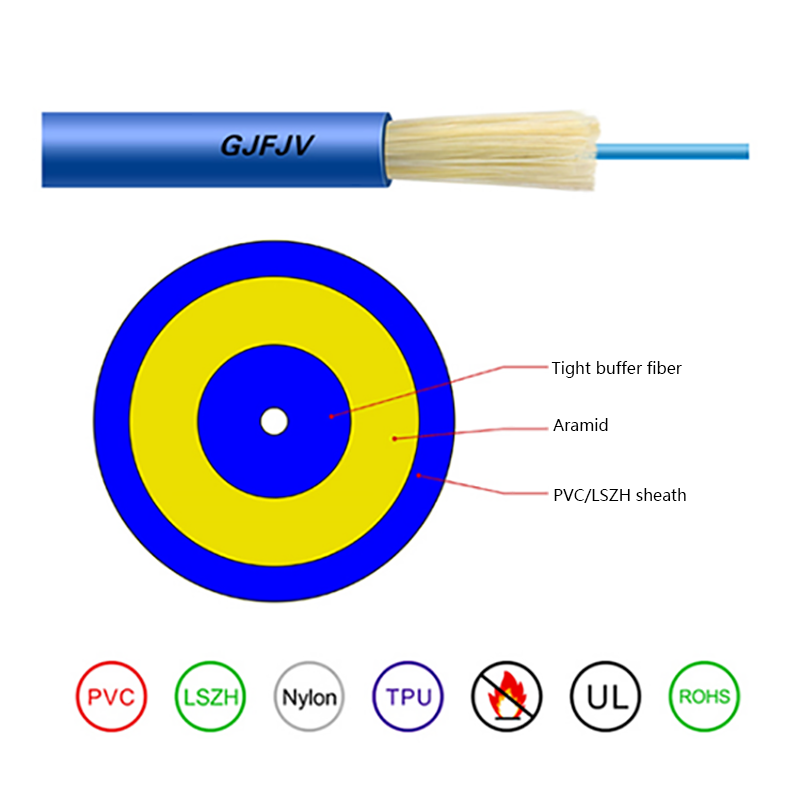
GJFJV Indoor Single Core Jumper Wire Optical Cable
-
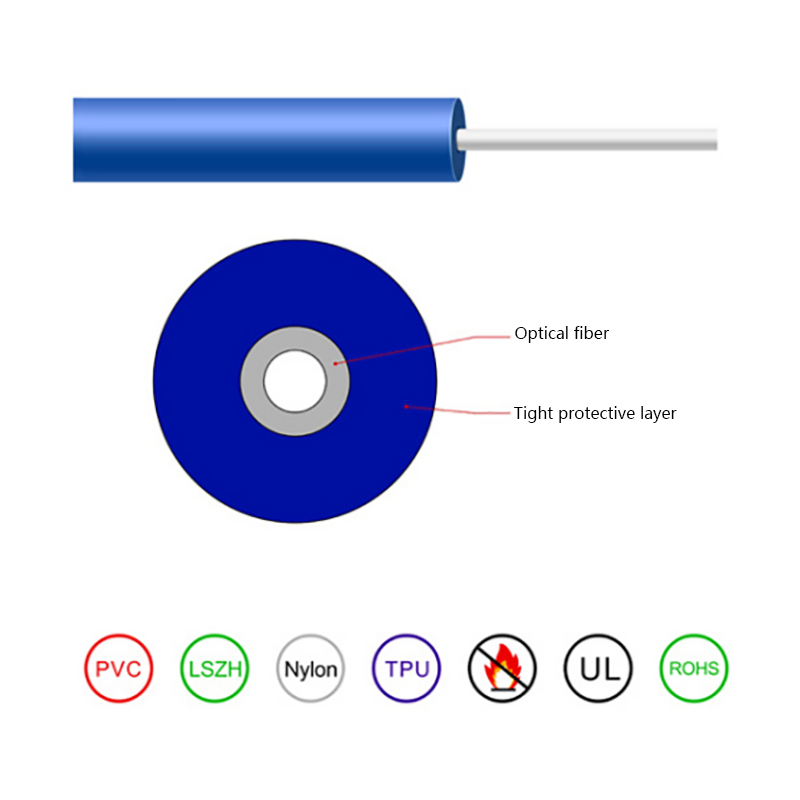
Indoor Tight-Buffered Fibre Optic Cable
-
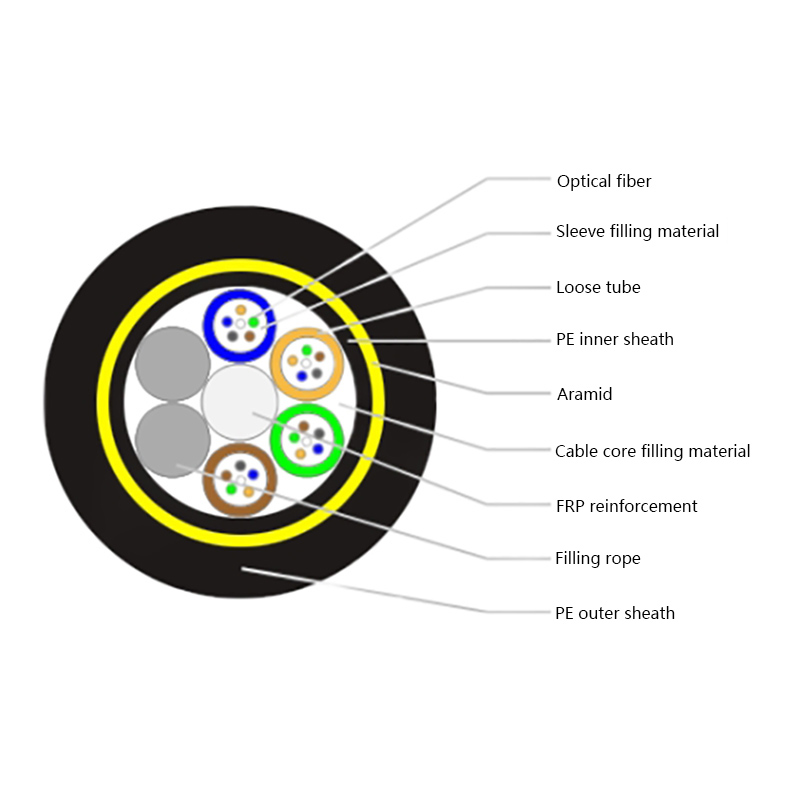
ADSS—All-Dielectric Self-Supporting Optical Cable
-
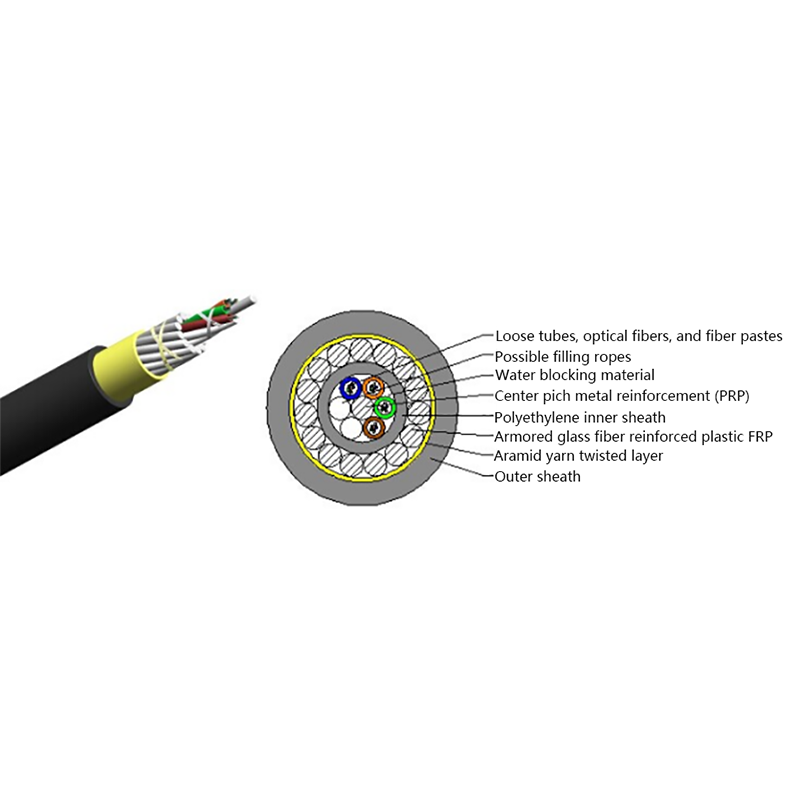
Anti-Squirrel ADSS Optical Cable
-
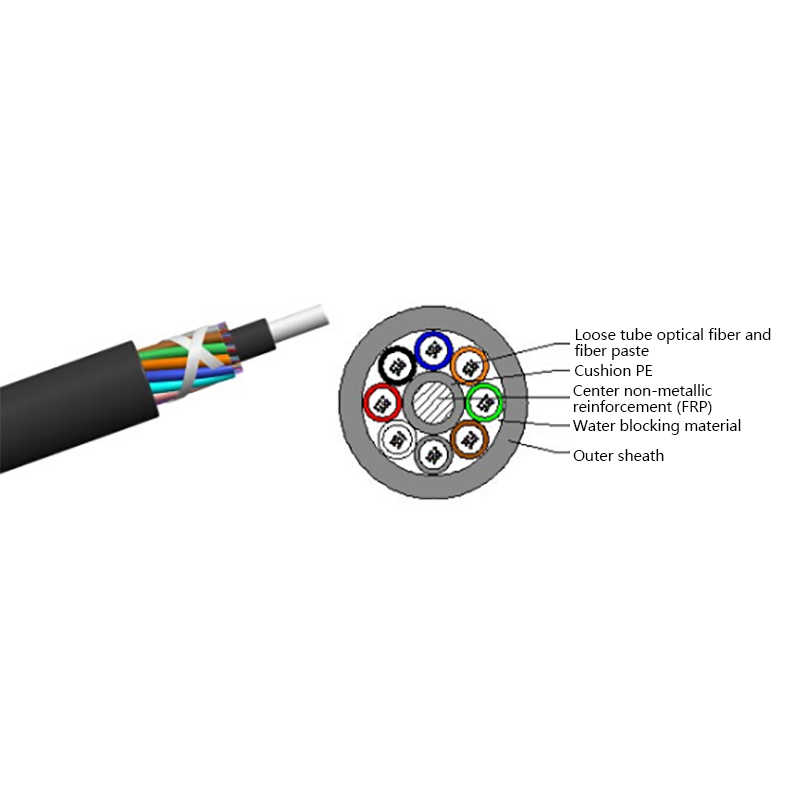
Non-metallic optical cable
Looking For Bussiness Opportunity?
Request for a call today

- Tel: +86-139-6297-6666
- Whatsapp: +86-13962991888
- E-mail: [email protected] / [email protected]
- Add: No.18, Xinjing Road, Nantong Economic and Technological Development Zone, Jiangsu Province, China
Products
Message
Coprright 2023 Jiangsu Hawell Optoelectronic Technology Co., Ltd. All Rights Reserved
 Login
Custom Optical Cables Manufacturers
Login
Custom Optical Cables Manufacturers
Login
Custom Optical Cables Manufacturers