


 English
 русский
 Español
 عربى
عربى 中文简体
中文简体
News
Home / News / Industry news / Single Mode vs Multimode Fiber: Core Differences, Distance, and How to Choose

Content
A network engineer planning a 600-meter campus backbone run faces a familiar fork: single mode or multimode fiber? The answer is not about which technology is superior in the abstract. It is about matching the cable to the link length, the bandwidth target, and the budget you can defend to the finance team. The short version: choose single mode for long outdoor runs and for links that must survive several upgrade cycles; choose multimode for short, predictable indoor links where today's optics deliver the lowest cost per port.
We manufacture both fiber families at our facility in Nantong, and the selection mistakes we see from buyers usually come from comparing only the price per meter while ignoring transceiver cost, distance limits, and the upgrade path. This guide walks through the physical differences, the real-world numbers, and the purchasing decisions that follow.
Both fiber types share the same 125-micron cladding diameter, so they look nearly identical from the outside. The meaningful difference is the core, the glass path where light travels. Single mode fiber has a core of roughly 8 to 10 microns, typically 9 microns for G.652D, which is narrow enough to permit only one light path. Multimode fiber has a core of 50 microns (OM2 through OM5) or 62.5 microns (OM1), which allows hundreds of modes to bounce along the core at slightly different angles.
Those extra modes create modal dispersion. When many light rays travel different paths, some arrive at the receiver earlier than others, and the pulse broadens. Beyond a certain distance, the broadened pulses overlap so much that the receiver can no longer distinguish a 1 from a 0. That is why multimode fiber has a hard distance ceiling, and that ceiling is set by physics, not by cable quality.
Light source choice follows the same logic. Single mode systems use laser transmitters at 1310 nm or 1550 nm, which inject a coherent, narrow beam. Multimode systems use vertical-cavity surface-emitting lasers (VCSELs) or LEDs at 850 nm or 1300 nm, which are inexpensive but produce a broader, less coherent beam. The practical consequence is direct: single mode reaches tens of kilometers at high bit rates, while multimode is measured in hundreds of meters.
| Parameter | Single Mode | Multimode |
|---|---|---|
| Core diameter | 8-10 microns (typical 9 microns) | 50 microns (OM2-OM5) or 62.5 microns (OM1) |
| Light source | Laser, 1310 nm / 1550 nm | VCSEL or LED, 850 nm / 1300 nm |
| Typical reach at 10 G | Up to 40 km and beyond | Up to 300-550 m depending on OM class |
| Modal dispersion | Negligible | Dominant distance limiter |
| Typical applications | Campus backbone, metro, telecom, OPGW, FTTH | Data center, LAN, building riser, rack-to-rack |
| Relative cost per meter | Moderately higher | Lower |
| Upgrade potential | Supports 400G and 800G over long reach | Distance shrinks at 40G, 100G and above |
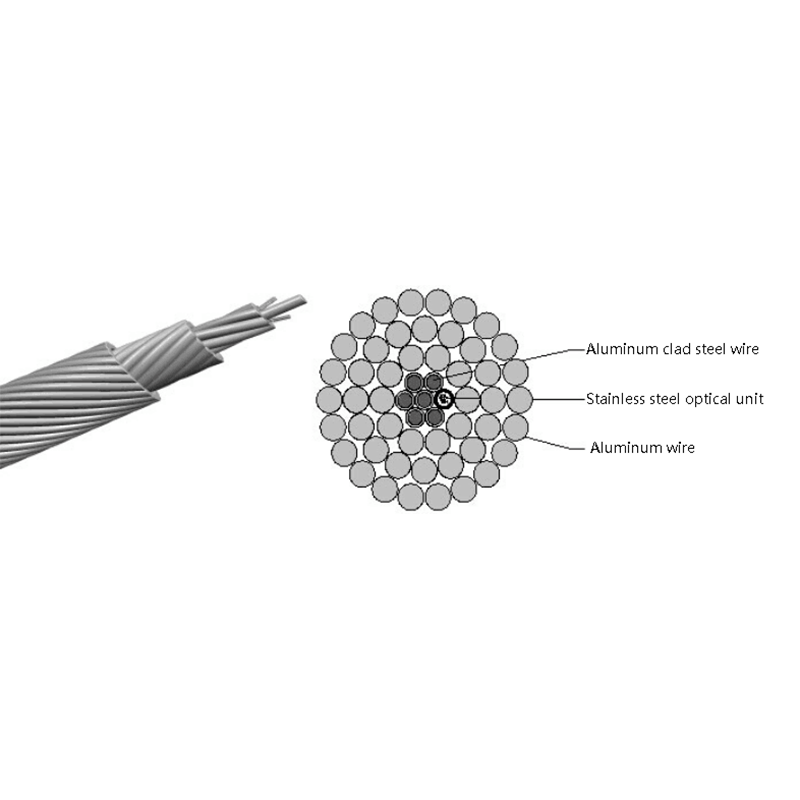
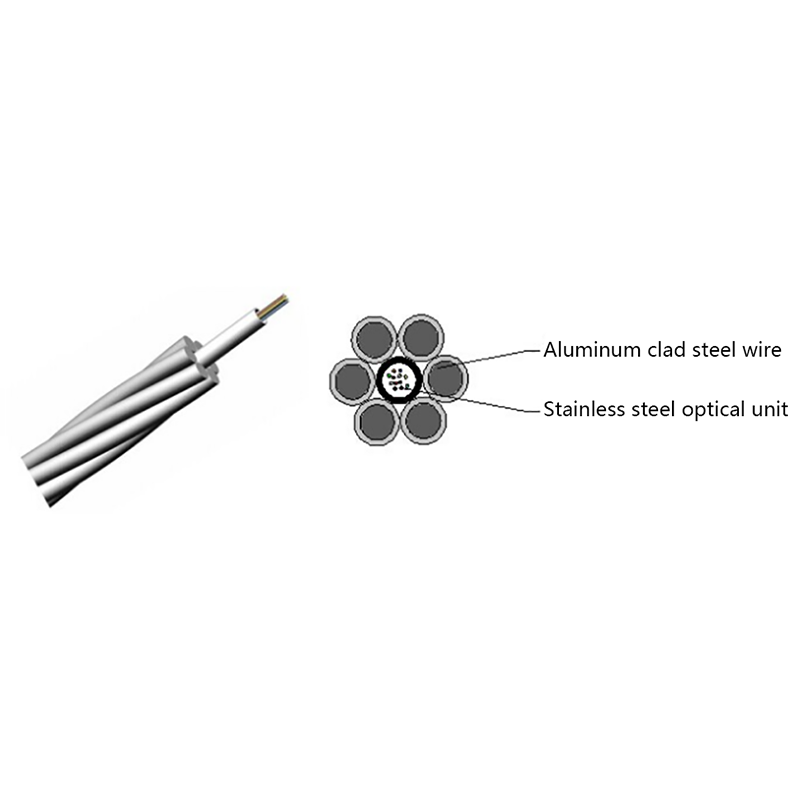
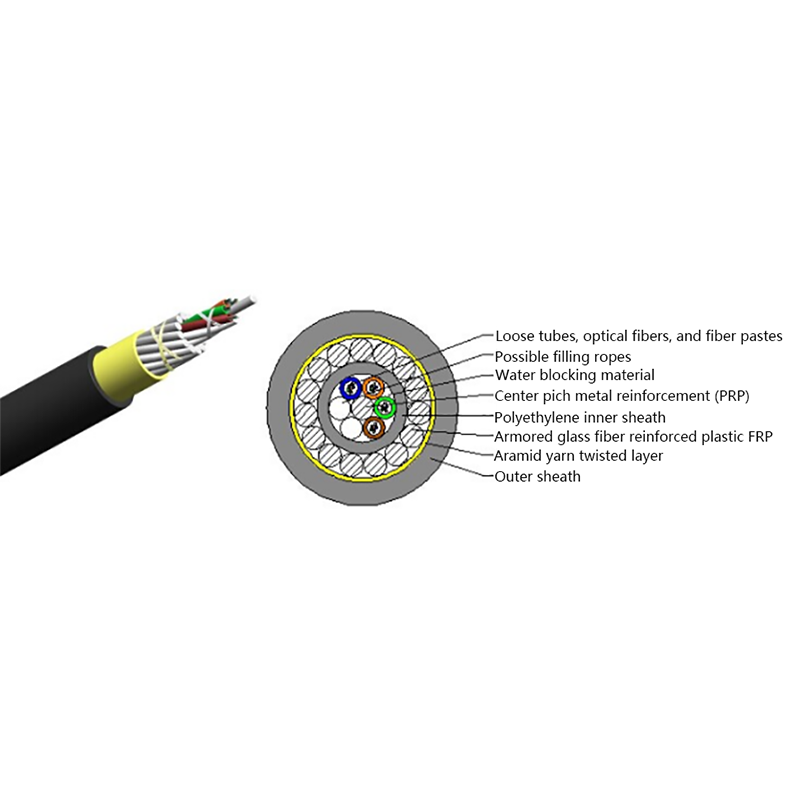
Single mode fiber is the default choice for any link that crosses a campus, a city, or a region. Its attenuation is roughly 0.4 dB per kilometer at 1310 nm and 0.2-0.3 dB per kilometer at 1550 nm, which means a well-spliced link can run 10, 20, or even 40 kilometers without regeneration. The ITU-T G.652D specification covers the most widely deployed single mode fiber today, and it is the fiber used in most outdoor loose-tube cables, OPGW, and ADSS installations.
Within single mode, you will hear two designations. OS1 is a tight-buffered indoor variant with more conservative reach limits, while OS2 is a loose-tube outdoor variant that supports full-spectrum transmission and longer spans. For outdoor backbone work, OS2 in a gel-filled, water-blocked cable is the standard. For risers and equipment rooms, OS1 in a flame-retardant tight-buffer jacket is more practical.
The upgrade argument is strong here. When a single mode link is built with G.652D fiber, a future change from 10G to 100G or 400G usually only requires swapping the optics at each end, not pulling new cable. That is why utilities and telecom operators continue to install single mode for new long-haul and medium-haul routes. To understand where the reach limits come from, see our guide on how far a fiber optic cable can run.
 ITU-G.652D Single-Mode Optical Fiber for Long-Haul LinksThis fiber meets the G.652D standard, supporting future upgrades from 10G to 400G by only swapping optics. Its low attenuation at 1310 and 1550 nm makes it ideal for utility and telecom routes.View Product →
Multimode fiber remains the workhorse of data centers and enterprise LANs, and for good reason: it is cheaper per meter, and its optics are historically cheaper because VCSELs are less complex to manufacture than single mode lasers. Within the OM family, the differences are about bandwidth and reach.
The pattern is clear: every step up the OM ladder buys more bandwidth, but the reach at high speeds stays in the 100-500 meter range. That makes multimode ideal for rack-to-rack links, storage area networks, and building backbones where distances are short and predictable. It also makes it the more economical choice when the whole network lives in one building.
Start with the worst-case link length in your network plan, not the average. If any permanent link exceeds 300 meters, single mode is the safer call. If every link is inside a building or a data center, under 150 meters, and unlikely to move, multimode OM3 or OM4 will deliver the lowest total cost.
Budget comparison is not just cable price. A 10G multimode transceiver still costs less than a 10G single mode transceiver at the same speed, although the gap has narrowed in recent years. At 400G and beyond, single mode optics dominate because multimode reach at those rates collapses to tens of meters. If your planning horizon is five to ten years, single mode protects the cable plant investment while giving you freedom to change speeds later.
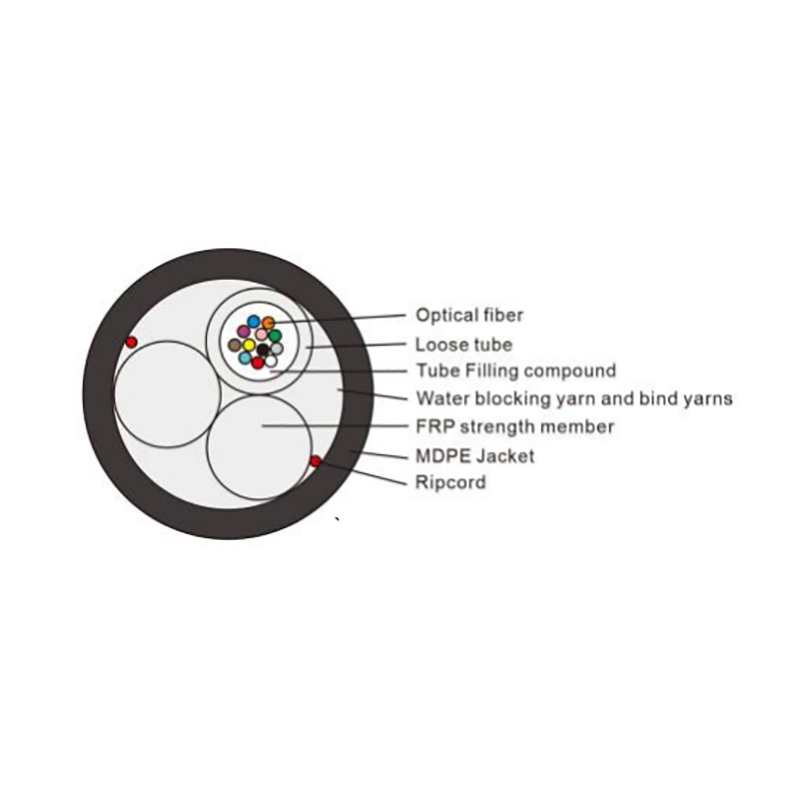
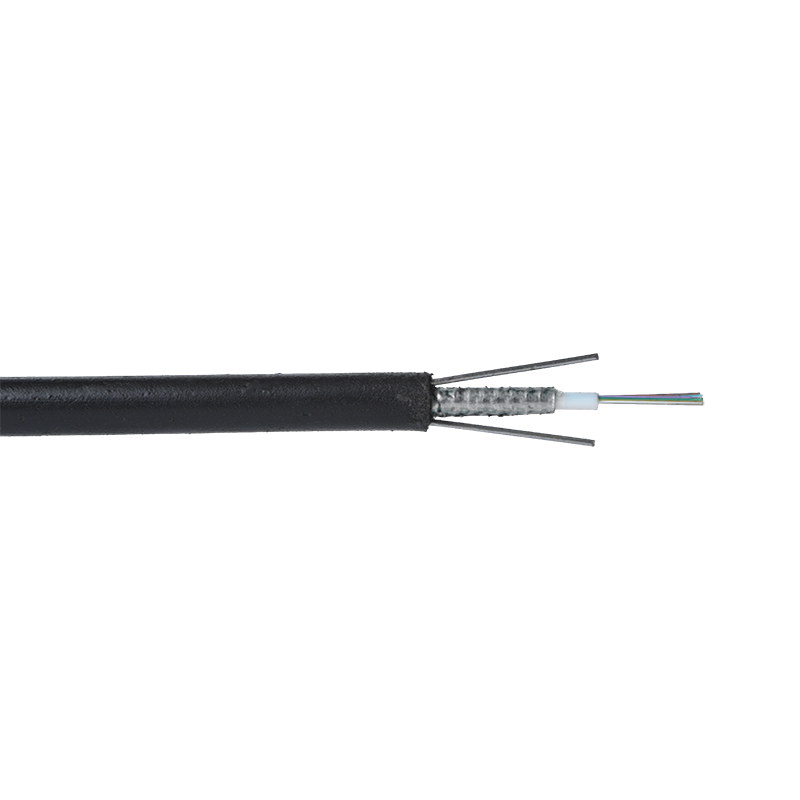
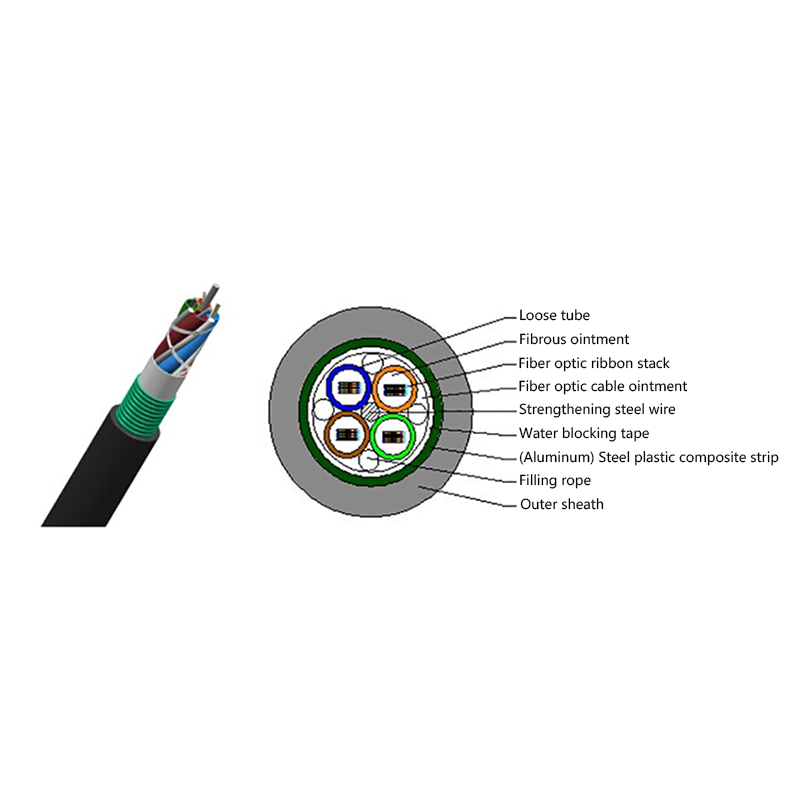
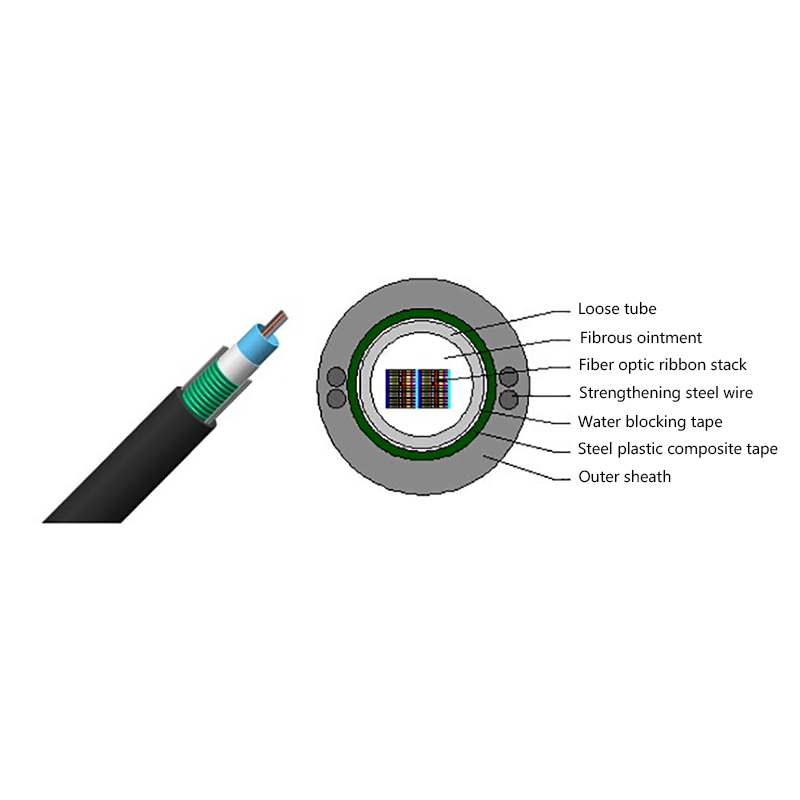
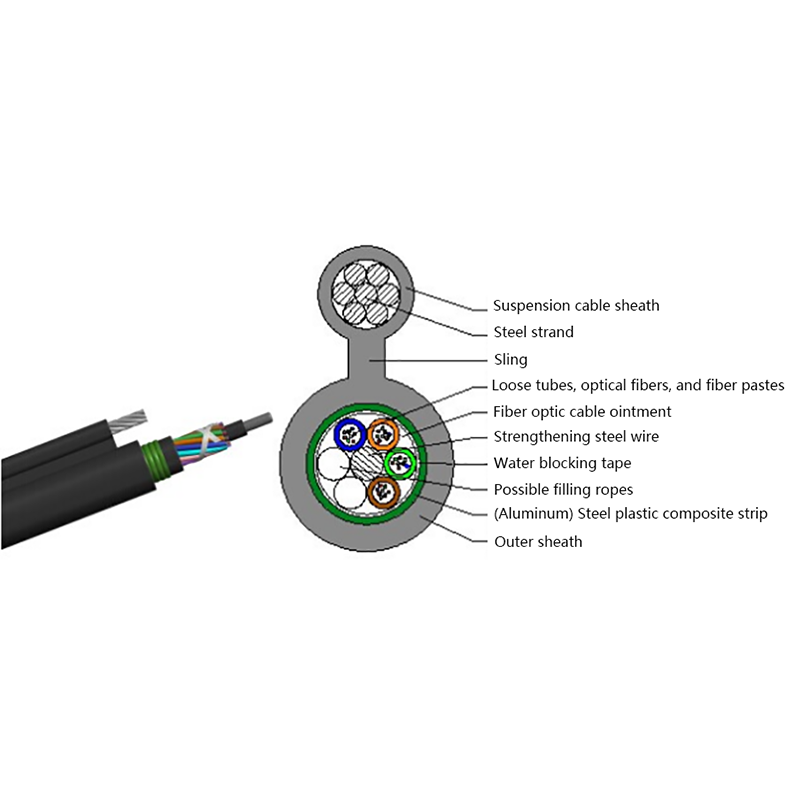
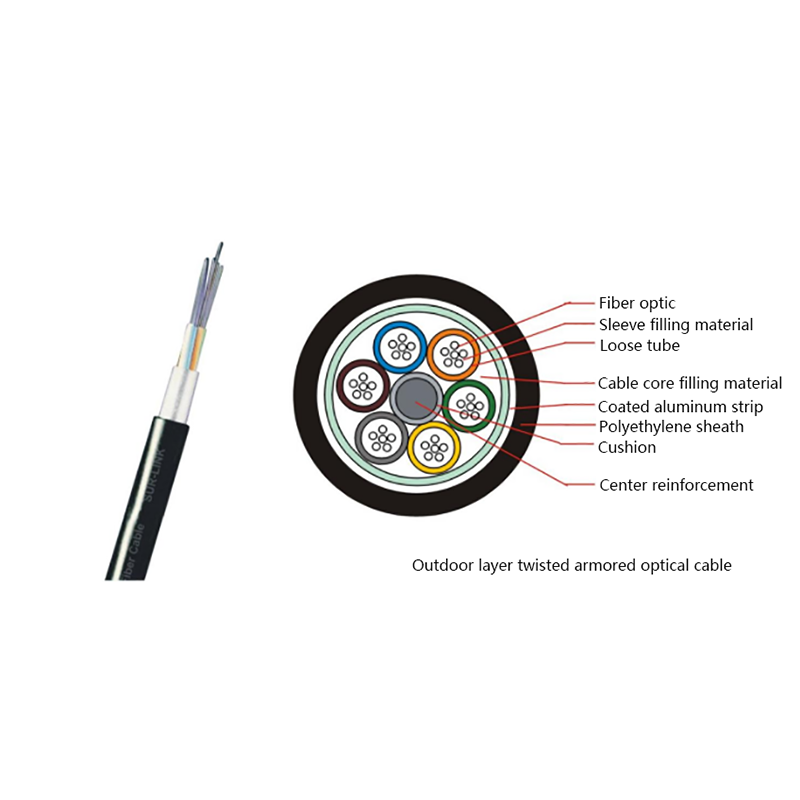
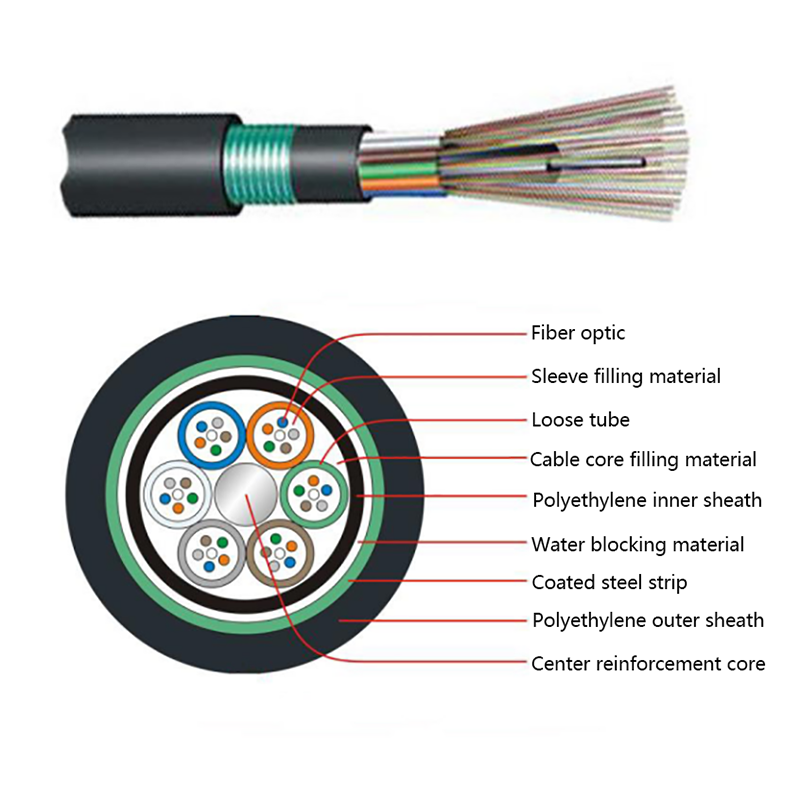
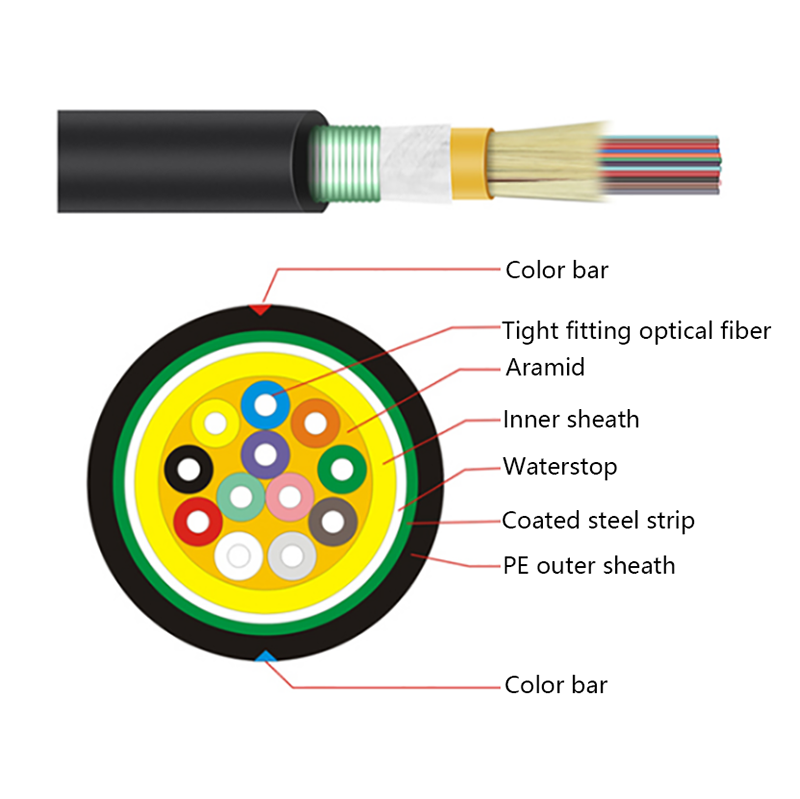
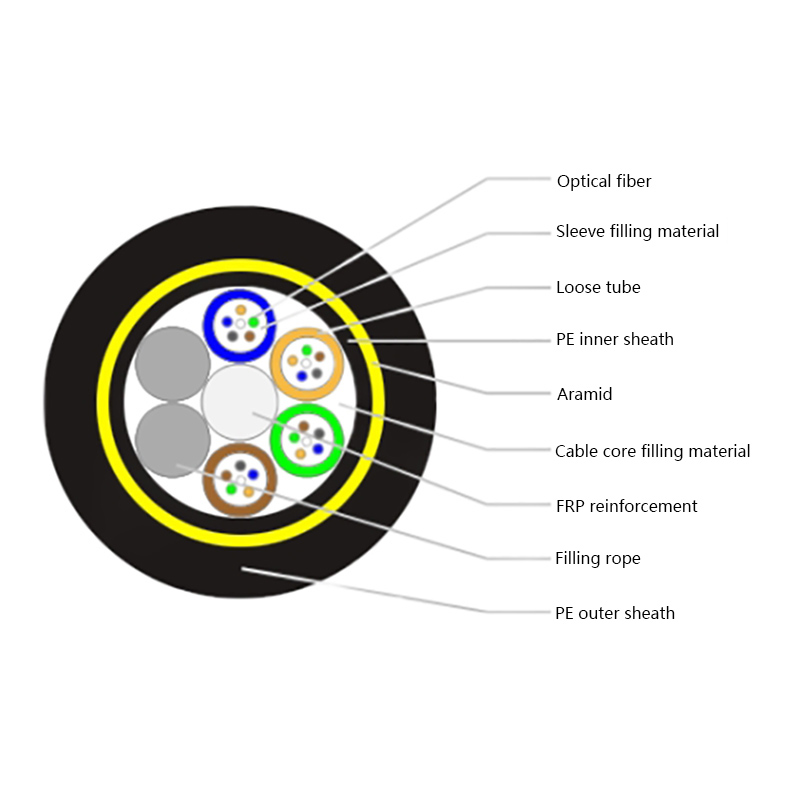
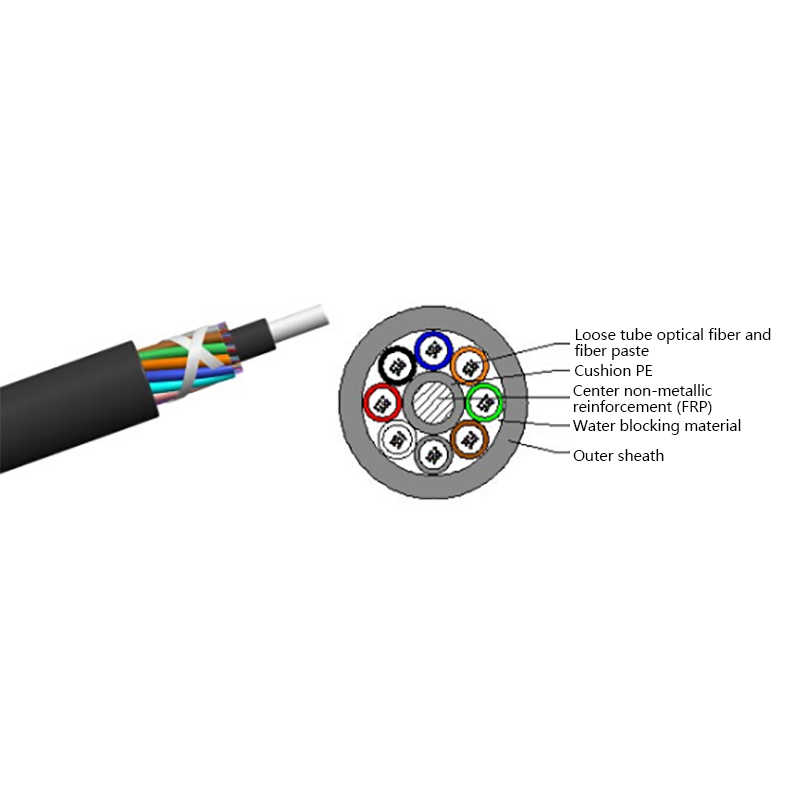
Cable construction matters as much as fiber class. Outdoor runs need loose-tube, water-blocked designs such as GYTS or GYTA that tolerate moisture and temperature swings. Indoor runs need tight-buffered, flame-retardant jackets that meet building codes and allow tight bends. When a network spans both environments, the conventional answer is a single mode outdoor backbone terminated into single mode indoor pigtails, with a transition point at the building entry. This hybrid approach keeps the hard-to-replace outdoor segment future-proof.
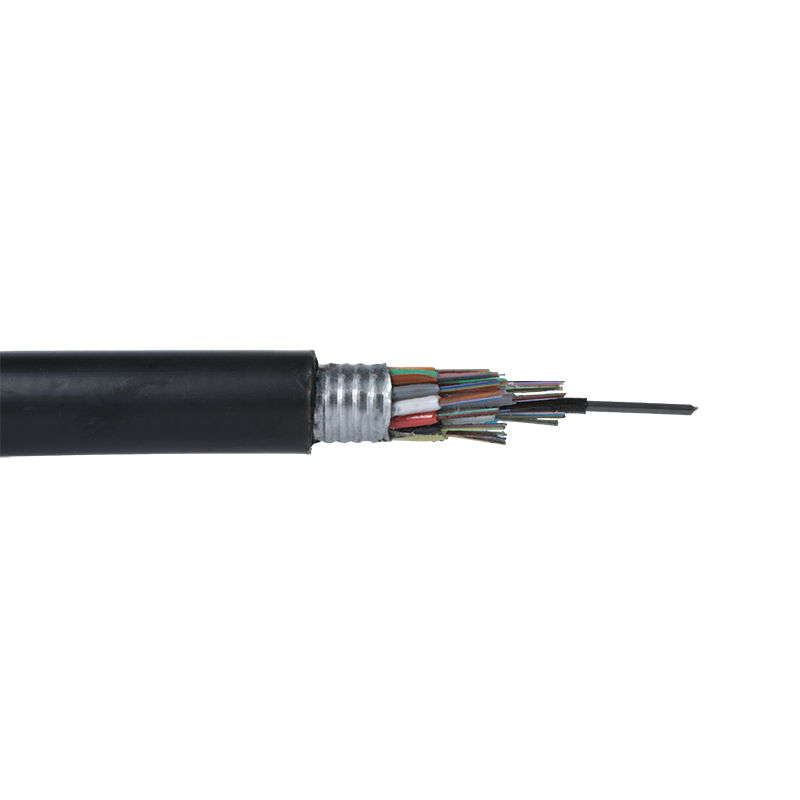 GYTS Outdoor Stranded Loose-Tube Cable with Water BlockingDesigned for outdoor environments, this cable features a steel-polyethylene bonded sheath, water-blocking grease, and a stranded loose-tube structure. It withstands moisture and temperature swings, ensuring reliable long-term performance.View Product →
For a more detailed breakdown of how cable performance, distance, and environment interact, our complete selection guide walks through the trade-offs.
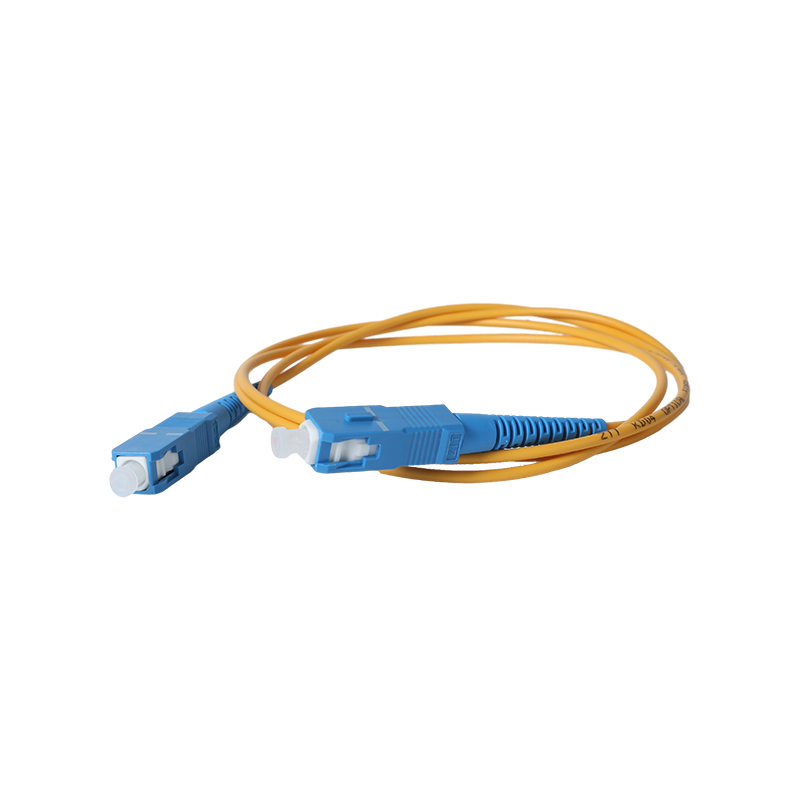
Before placing an order, match every transceiver and patch cord to the fiber class you specify. A 10G SR transceiver on OM4 works to about 400 meters, but the same transceiver on OM3 is limited to 300 meters. Single mode systems built to G.652D work with LR and ER optics regardless of whether the cable is designated OS1 or OS2, as long as the connector polish and splice quality are correct.
Request the attenuation test data for every drum. A reputable supplier provides per-kilometer attenuation figures and OTDR traces on request. Check that the cable meets the relevant standard for your region and application, and confirm that the jacket material suits the installation environment: PE for outdoor burial or duct, LSZH for indoor risers, and specialized jackets for aerial or rodent-prone areas.
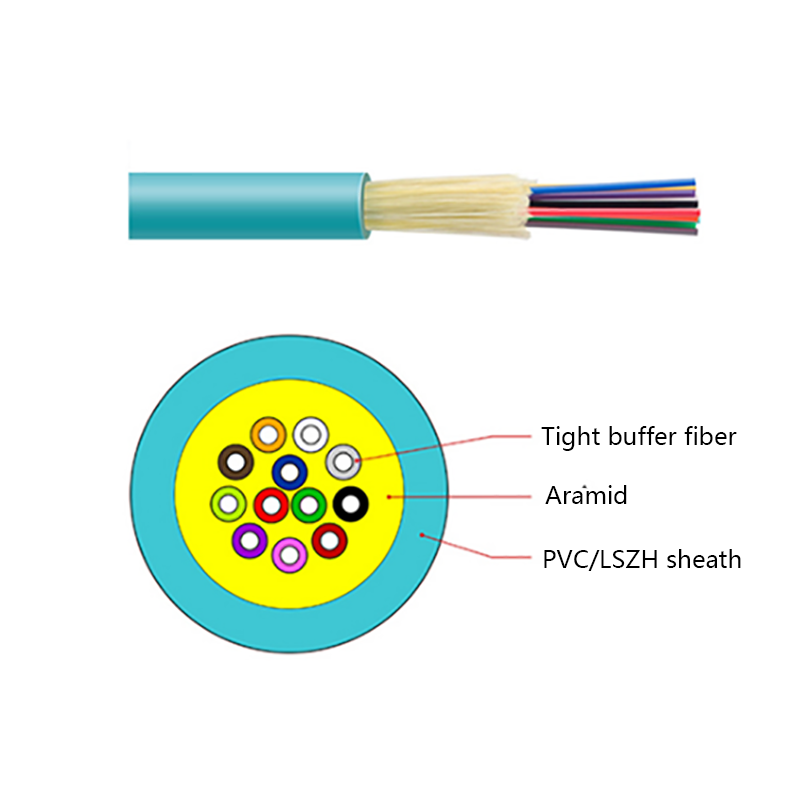
For indoor structured cabling, tight-buffered distribution cables are easier to terminate and route through risers than loose-tube designs. Many data center projects combine a multimode OM4 or OM5 zone with a single mode backbone, which is a legitimate design as long as the transition happens at a patch panel and the two fiber types are never spliced together directly.
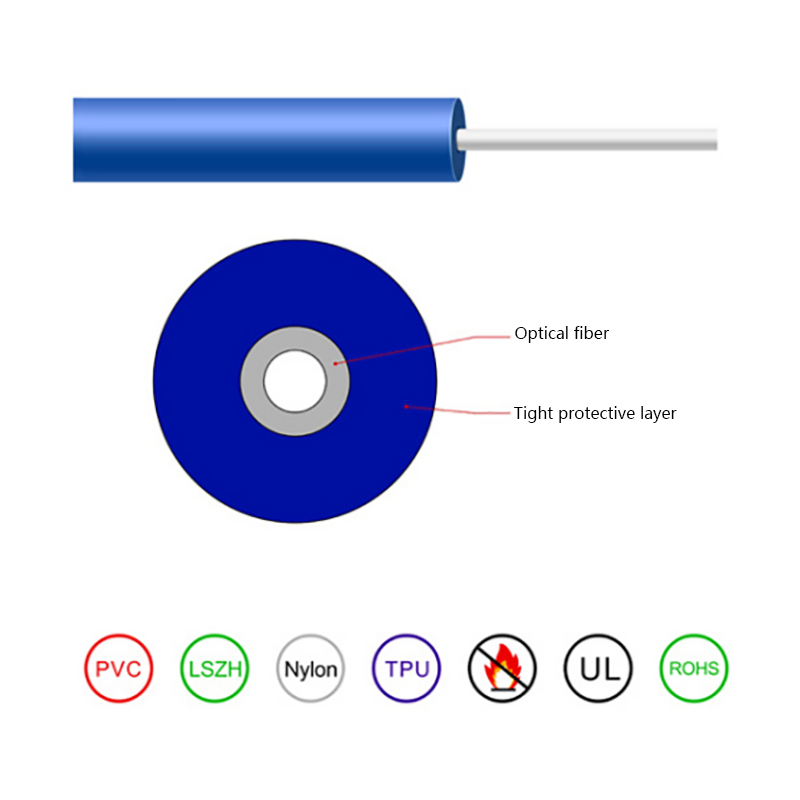 Indoor Tight-Buffered Fiber Optic Cable for Riser RoutingThis tight-buffered cable offers uniform diameter, good peelability, flame retardance, and stable temperature performance. It simplifies termination in indoor structured cabling and complies with YD/T901-2009 and IEC60794-1 standards.View Product →
Neither fiber type wins in every situation. Multimode is the most economical answer for short, stable links inside buildings and data centers, especially when the optics budget is tight and link lengths are known. Single mode is the safer answer for anything that crosses a campus, a road, or a city, and for any network you expect to upgrade beyond 100G. Map the worst-case link length first, set the bandwidth target for the next five years, and then pick the fiber class that covers both. That sequence will save you from a costly re-cable in the middle of a project.


Request for a call today

 Login
Custom Optical Cables Manufacturers
Login
Custom Optical Cables Manufacturers