


 English
 русский
 Español
 عربى
عربى 中文简体
中文简体
News
Home / News / Industry news / Fiber Optic Cable vs Copper Wire: Speed, Cost, and Performance Compared

Content
A network engineer needs a 10 Gbps link between two buildings 500 meters apart. The copper proposal requires an intermediate switch, two extra power feeds, and a cable bundle nearly three times the diameter of the fiber alternative. The fiber proposal runs one outdoor cable directly through the existing duct. Most project teams make that choice immediately.
For any new installation, fiber optic cable is the better default: it delivers higher bandwidth, spans longer distances, resists interference, and outlasts copper wire. Copper still works well for short patch cords, Power over Ethernet devices, and legacy upgrades, but its role shrinks every year as fiber pricing and installation methods improve.
Fiber optic cable transmits data as light pulses through a glass core, while copper wire transmits electrical pulses through metal conductors. That physical difference cascades into every practical specification: bandwidth, distance, immunity, security, and total cost of ownership.
Copper conductors act as antennas. They pick up electromagnetic interference, suffer from crosstalk, and lose signal quickly at high frequencies. Fiber is a dielectric medium with no metallic path, so it is immune to EMI, ground loops, and lightning surges. For a more detailed technical walkthrough, see our dedicated fiber optic cable versus copper cable comparison.
To make the comparison actionable, we focus on the criteria buyers actually use in the procurement process: speed, distance, cost, reliability, and security.
Copper twisted pair has reached a practical ceiling. Cat6a delivers 10 Gbps to 100 meters, while Cat8 reaches 25 to 40 Gbps but only over 30 meters. Fiber optic cable, in contrast, supports 10 Gbps, 40 Gbps, 100 Gbps, and beyond by changing only the optical transceivers. Single-mode fiber carries 100 Gbps per channel over tens of kilometres, and wavelength division multiplexing lets one pair of fibers handle multiple channels at once.
The Ethernet standard sets the copper channel limit at 100 meters for high-speed links. Beyond that distance, you add repeaters, switches, and power. Multi-mode fiber reaches 550 meters; single-mode G.652D fiber runs 40 kilometres or more with standard optics. In outdoor, campus, and subscriber networks, the distance advantage of fiber is decisive.
Copper cable costs less per meter, and RJ45 termination is cheaper than splicing. That is the only part of the comparison where copper wins. On a 500-meter campus link, copper needs multiple active devices, racks, cooling, and management. Fiber needs one cable and two endpoints. For speeds above 10 Gbps, the cost per gigabit per second of fiber is a fraction of what copper achieves.
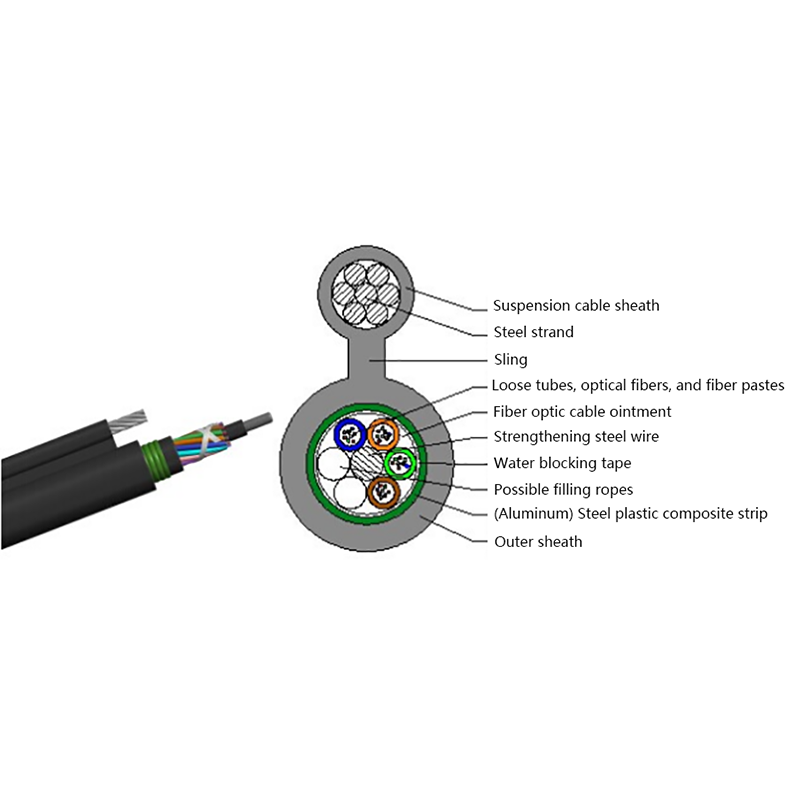
Copper corrodes when exposed to moisture, suffers from crosstalk in dense bundles, and remains vulnerable to lightning-induced surges outdoors. Fiber has none of these failure modes. Outdoor fiber cables use water-blocking compounds, steel tape armor or dielectric strength members, and UV-resistant jackets that survive decades of weather, temperature swings, and rodent pressure.
Copper radiates an electromagnetic signature that can be intercepted inductively, and a physical tap on copper is straightforward. Fiber emits virtually no signal, and accessing a fiber core requires cutting into the cable, which interrupts traffic and is easy to detect. For government, finance, and critical infrastructure, that is a major advantage.
| Criterion | Copper Wire | Fiber Optic Cable |
|---|---|---|
| Transmission medium | Electrical pulses in metal conductors | Light pulses in glass core |
| Typical maximum bandwidth | 10 Gbps (Cat6a, 100 m); 25 to 40 Gbps (Cat8, 30 m) | 10 to 400 Gbps; scales with transceivers |
| Maximum link distance | 100 m for high-speed Ethernet | 550 m (multi-mode); 40+ km (single-mode) |
| Electromagnetic interference | Susceptible to EMI and crosstalk | Immune; no metallic path |
| Cost per meter | Lower | Higher, trending down |
| Total cost on long links | Higher due to repeaters and active hardware | Lower; link runs directly to destination |
| Security | Radiates signal; easy to tap | Difficult to tap without detection |
| Typical service life | 10 to 15 years | 20 to 30 years |
Fiber does not make copper obsolete in every role. These use cases still justify selecting copper:
The pattern is consistent: copper remains practical when the link is short, powered, and speed-limited. For anything new and substantial, fiber wins.
Most new cabling projects fall into one of the following categories, and all of them are better served by fiber.
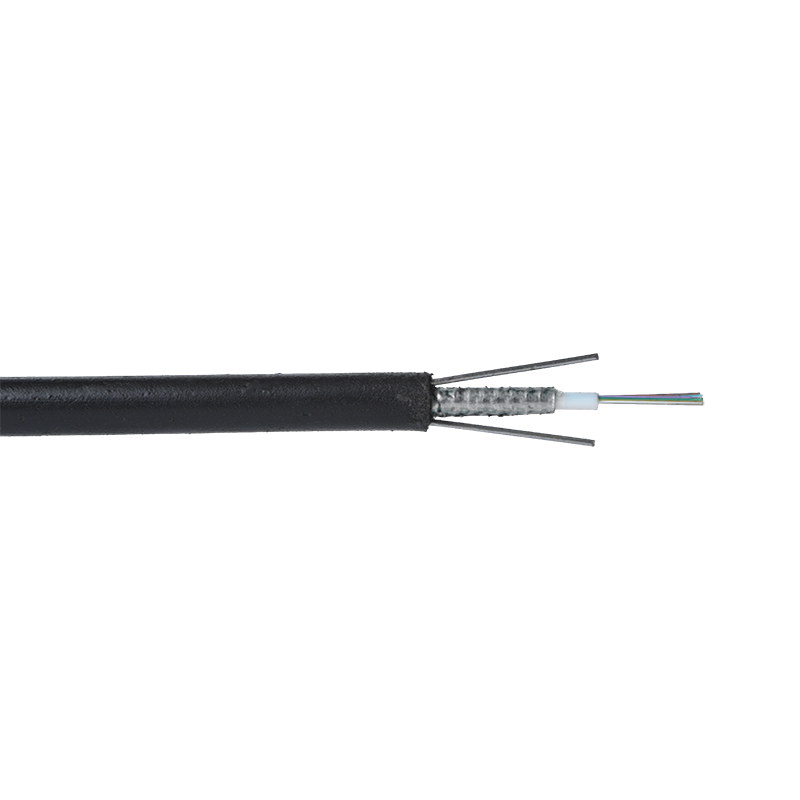
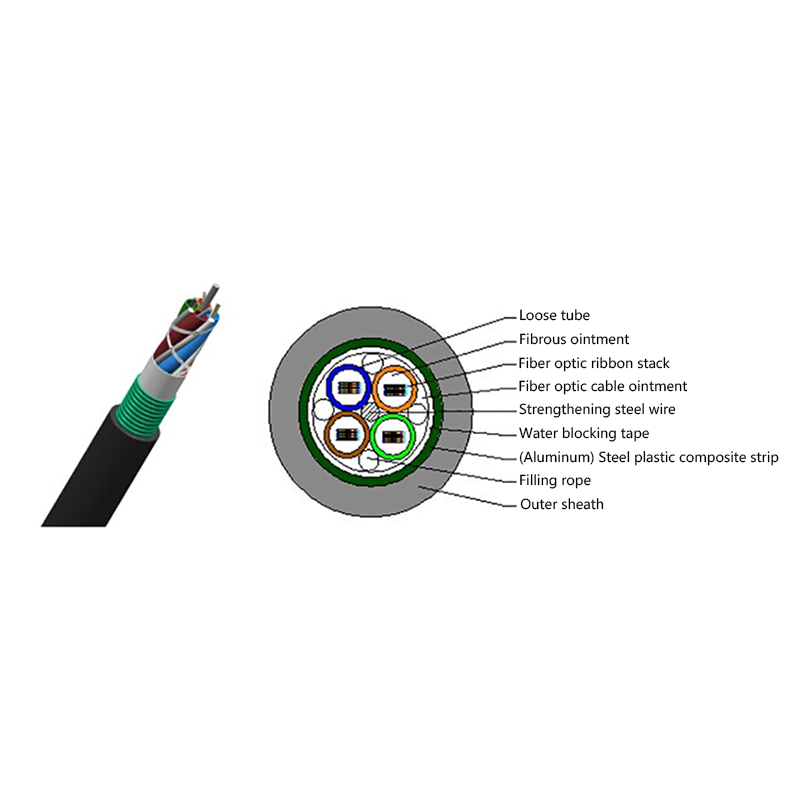
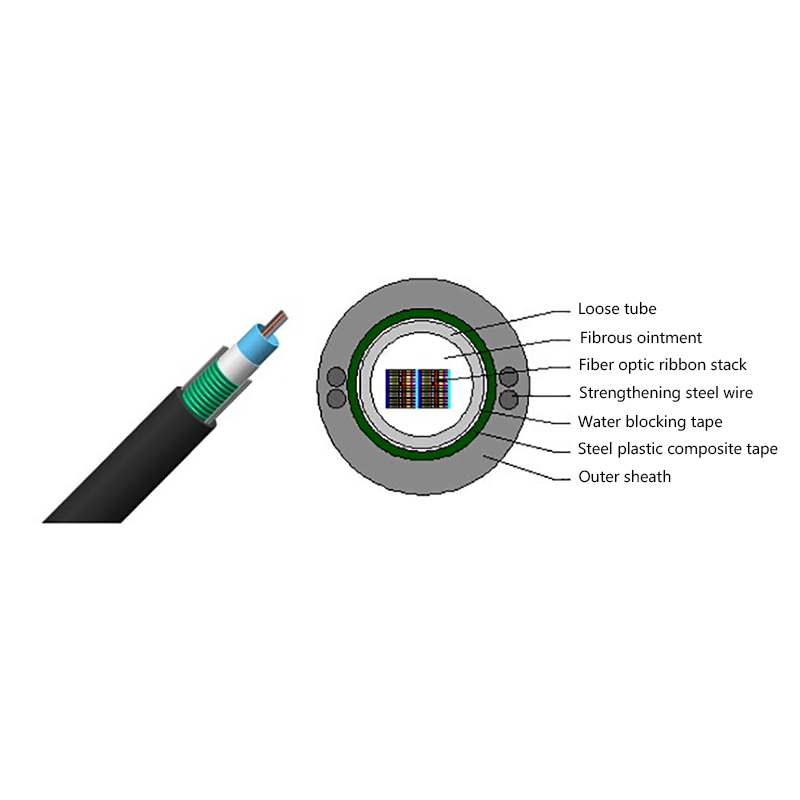
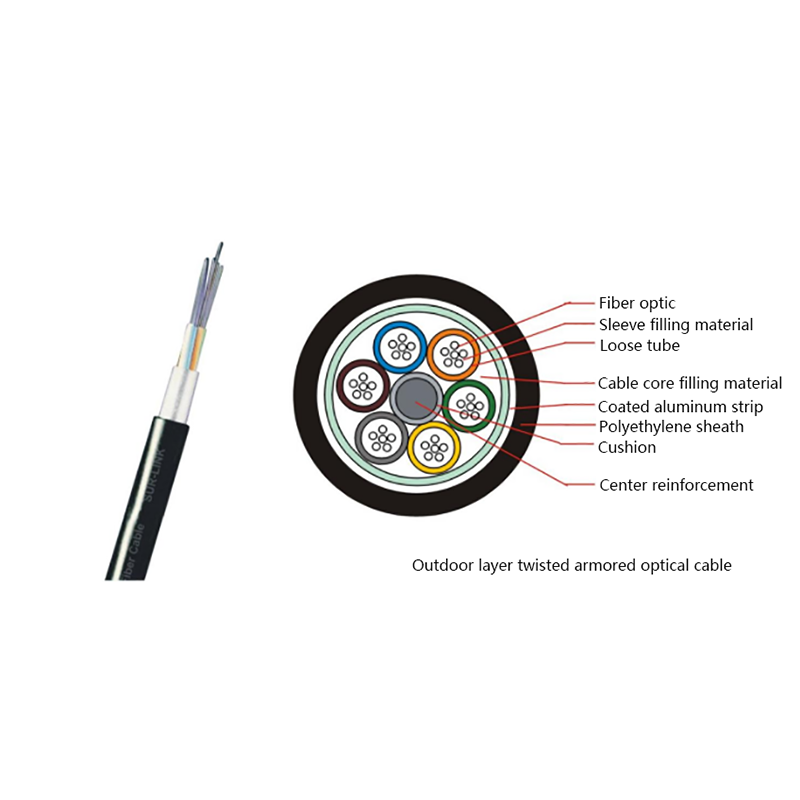
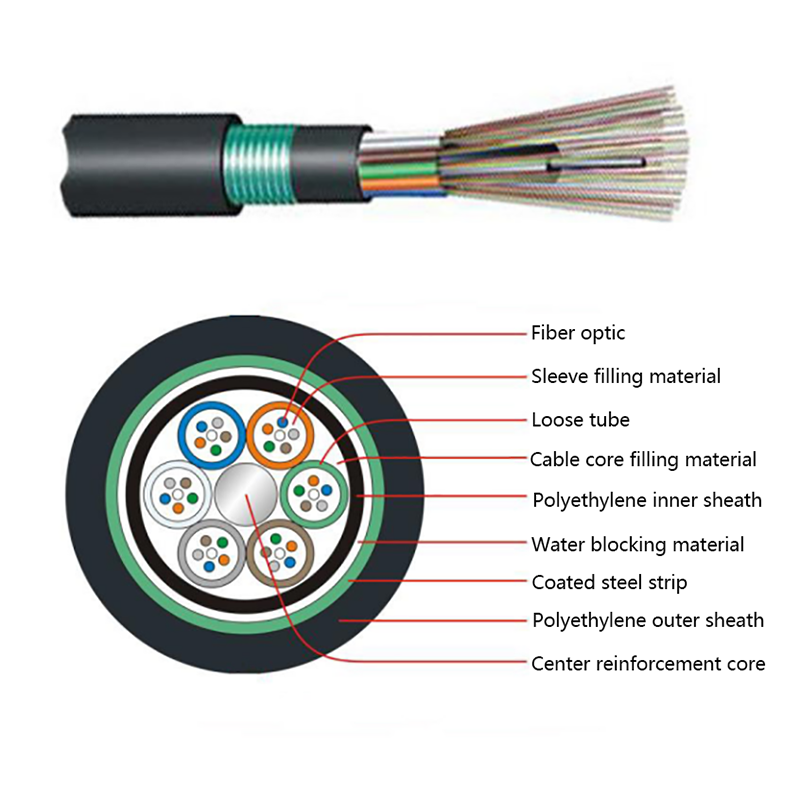
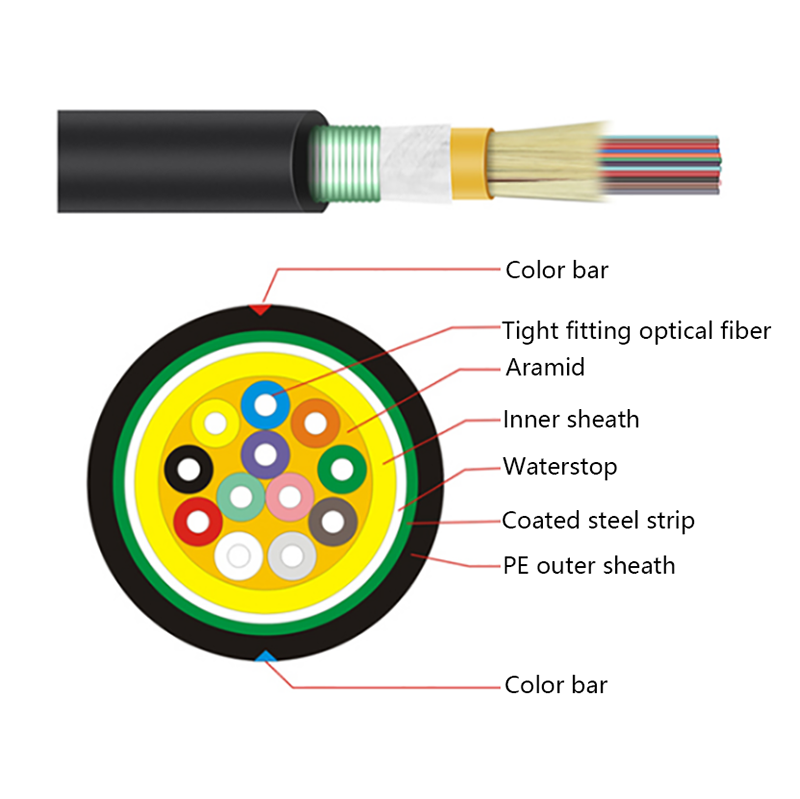
For inter-building runs, a single GYTS outdoor fiber optic cable with a steel-polyethylene sheath handles moisture, rodents, and temperature swings while carrying 10 Gbps or more across the whole campus. The same route in copper would require repeater cabinets, electrical bonding, and far thicker cable bundles.
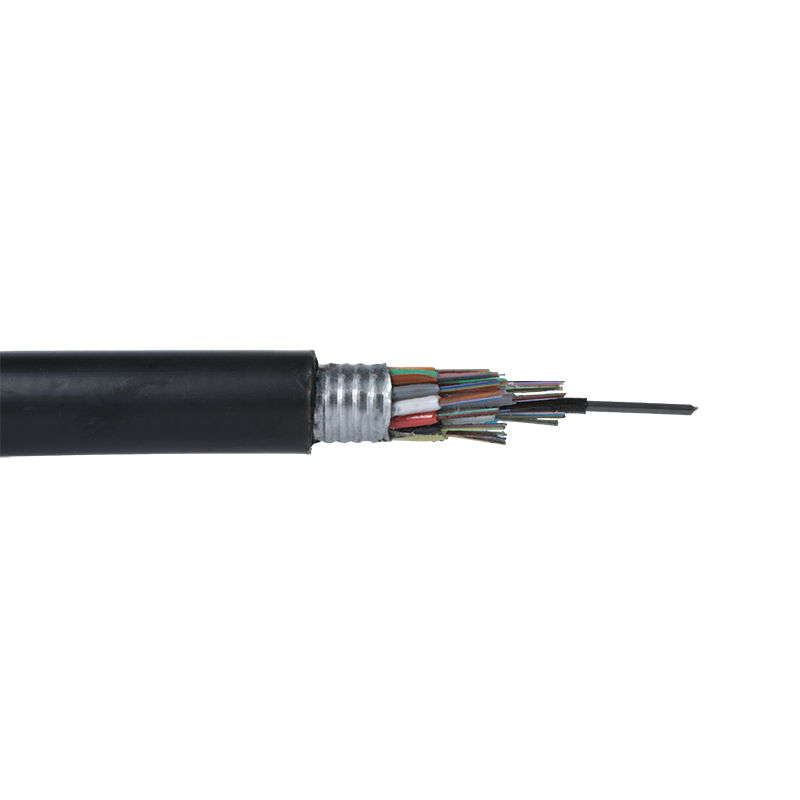 GYTS Outdoor Layer Stranded Steel-Polyethylene Bonded Sheath Optical Cables SuppJiangsu Hawell is China GYTS Outdoor Layer Stranded Steel-Polyethylene Bonded Sheath Optical Cables Suppliers and Factory, Wholesale GYTS...View Product →
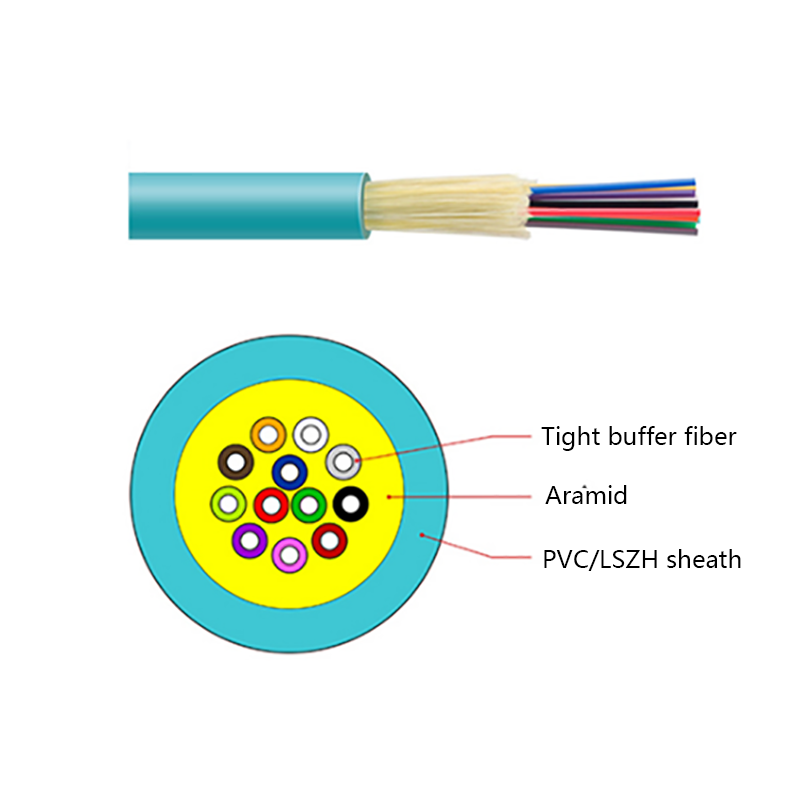
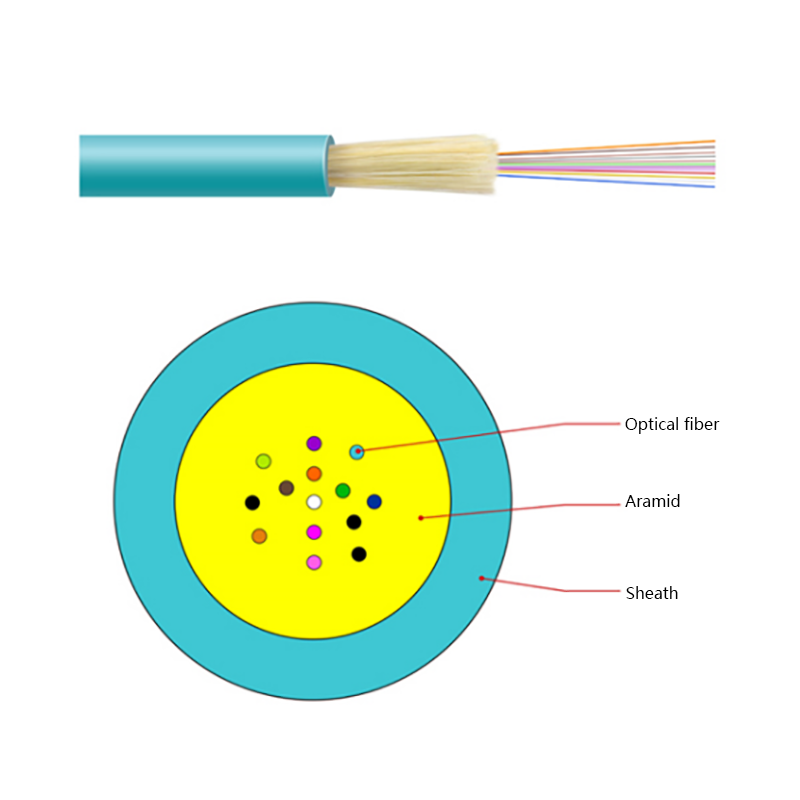
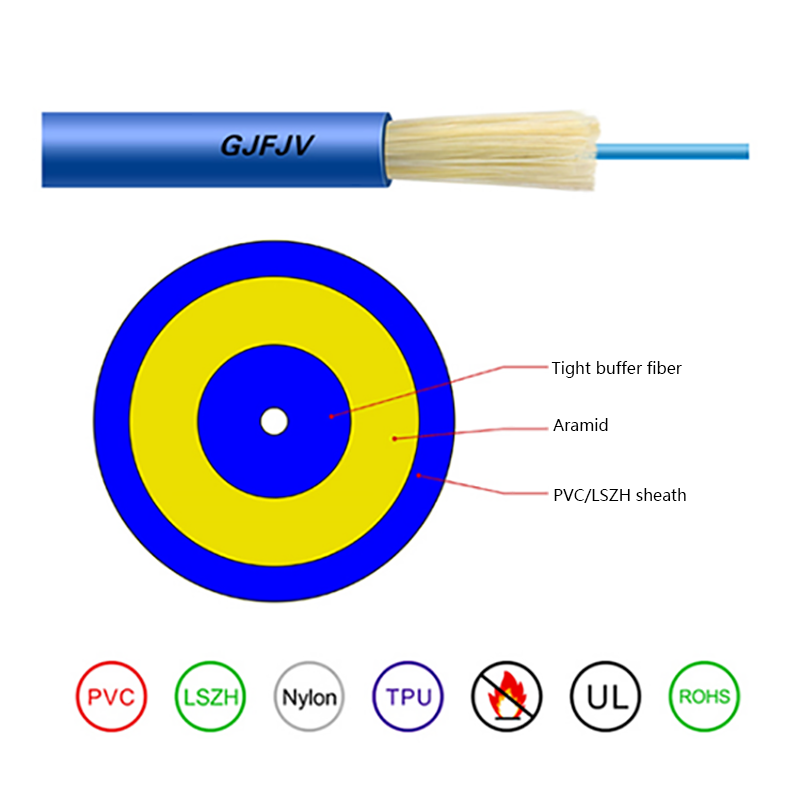
Inside buildings, fiber has replaced copper in vertical and horizontal backbones because of its size and bandwidth headroom. An indoor tight-buffered fiber optic cable fits the same riser and plenum spaces as a Cat6 bundle but carries many times the data density, and it supports longer runs between floors without active equipment.
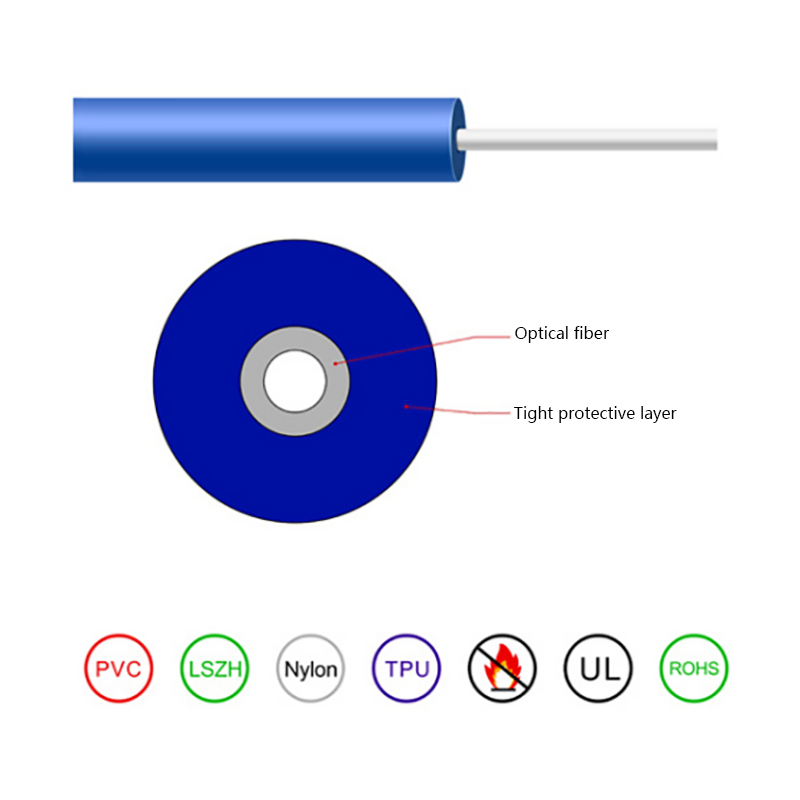 Indoor Tight-Buffered Fibre Optic Cables Suppliers, Factory - Jiangsu Hawell OptJiangsu Hawell is China Indoor Tight-Buffered Fibre Optic Cables Suppliers and Factory, Wholesale Indoor Tight-Buffered Fibre Optic Cable...View Product →
Fiber-to-the-home remains the strongest growth area. The FTTH double butterfly optical cable is a flat, bend-tolerant drop cable that clips directly onto walls and enters customer premises without conduit, delivering gigabit and multi-gigabit services that a copper drop cannot carry beyond tens of meters.
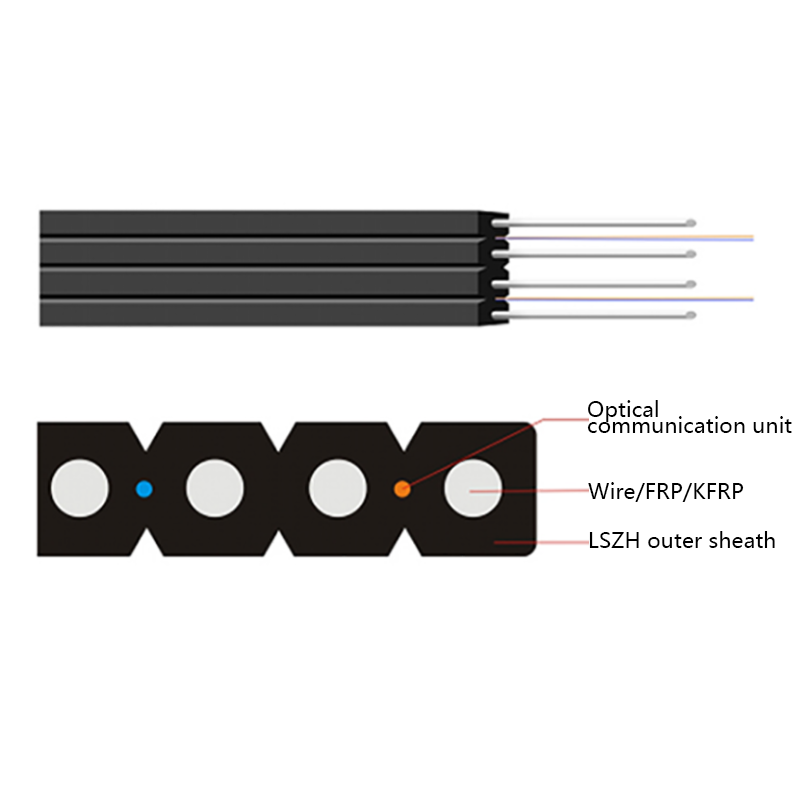 FTTH Double Butterfly Optical Cables Suppliers, Factory - Jiangsu Hawell OptoeleJiangsu Hawell is China FTTH Double Butterfly Optical Cables Suppliers and Factory, Wholesale FTTH Double Butterfly Optical Cable online,...View Product →
Substations, factories, railways, and power facilities are full of electromagnetic noise that degrades copper but does not affect fiber. In these environments, the operational case is not only performance but safety: fiber eliminates ground loops and conducted surges. The advantages of optical cables over copper are most visible exactly where electrical conditions are hardest.
Once fiber is the decision, procurement still requires a few technical choices. These are the ones that matter most:
Environmental and installation guidance matters as much as hardware. Our review of how outdoor optical cables differ from copper cables in performance explains the weather, moisture, and temperature variables that shape a durable outside plant.
For any new infrastructure, whether a campus backbone, FTTH rollout, data center spine, or industrial network, start with fiber optic cable and switch to copper only if the specific link is short, requires power delivery, and will stay under 10 Gbps for its lifetime. The upfront cost gap is small, the performance headroom is large, and the service life is 20 to 30 years.
Copper wire is becoming an edge technology rather than a mainstream foundation. That does not mean it will disappear; it means procurement teams should no longer default to copper. A fiber network built with a well-specified cable, whether indoor, outdoor, or drop style, will answer the bandwidth questions of the next decade as well as this one.


Request for a call today

 Login
Custom Optical Cables Manufacturers
Login
Custom Optical Cables Manufacturers